


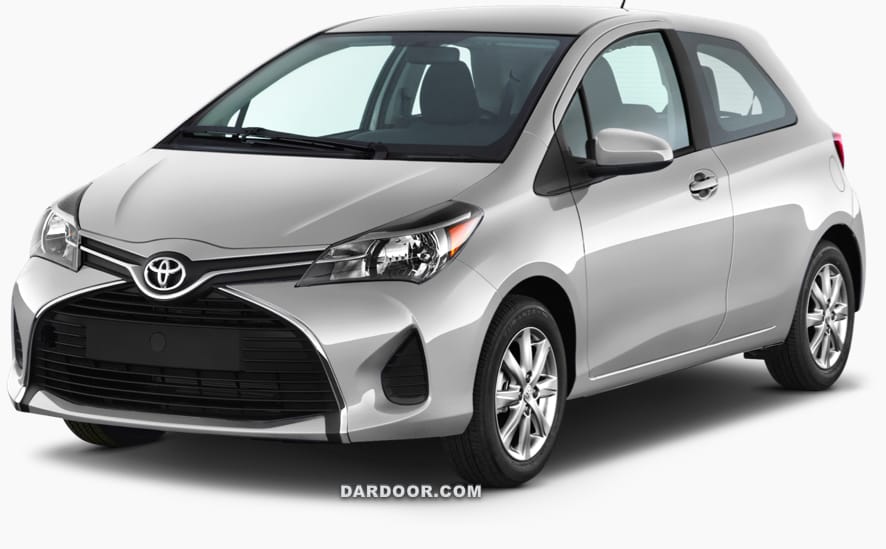
This is the original OEM workshop electrical manual for the 2013-2017 Toyota Yaris wiring diagram, 3rd Generation (XP150, Hatchback and Sedan) in PDF.
2013-2017 Toyota Yaris Wiring Diagram
$16.90
This is the original OEM workshop electrical manual for the 2013-2017 Toyota Yaris wiring diagram, 3rd Generation (XP150, Hatchback and Sedan) in PDF.
| File Format | |
| File Language | English |
| You’ll Get | 7 MB |
| Page Count | 398 |
| Delivery Method | Instant Download |
Also Called:
- Toyota Vios (Southeast Asia, China and Taiwan)
- Toyota Yaris (Latin America, Middle East, Pakistan, India)
- Toyota Yaris Ativ (Thailand, 2017–2022)
- Toyota Yaris L Sedan (China, GAC Toyota)
- Toyota Limo (Indonesia, taxi version)
Important Note: Before purchasing this manual, please check whether your vehicle is subject to any active service recalls, as authorized dealerships may perform necessary repairs free of charge. When replacing parts, always use genuine OEM components to ensure safety, reliability, and long-term performance.
This manual provides detailed instructions for maintenance, disassembly, reassembly, component inspection, adjustment, and diagnostics—intended for use by experienced mechanics. Proper application of this guide will help ensure thorough repairs and maintain your vehicle in peak condition.
Sample Pages: 2013-2017 Toyota Yaris wiring diagram
CAUTION: This OEM service and workshop repair manual provides detailed procedures for maintenance, disassembly, reassembly, inspection, adjustment, and diagnostics. It is intended as a comprehensive guide for experienced mechanics. To ensure thorough and accurate repairs that maintain your vehicle’s optimal performance, please read and follow this manual carefully. When replacing parts during any repair work, always use genuine Toyota parts to ensure quality, safety, and reliability.
🚗 2013–2017 Toyota Yaris — Owner Reliability Guide (Common Problems, Fix Costs, Recalls & DTCs)
Overview
The 2013–2017 Toyota Yaris (XP150 generation in many markets) is the definition of “basic transportation done right”: light weight, simple drivetrain, and low running costs. Most trims use a 1.5L four-cylinder with either a 5-speed manual or 4-speed automatic, plus straightforward suspension and braking hardware. Power is modest, but reliability is usually strong when fluids and brakes are kept up.
Important: Specs and figures vary by region/trim, but the common North American setup is 1.5L / ~106 hp with 4AT or 5MT.
Technical Specs
- Engine: 1.5L inline-4 (typical output ~106 hp / 103 lb-ft)
- Transmission: 5-speed manual or 4-speed automatic
- Drivetrain: FWD
- Brakes: Front discs / rear drums (common configuration)
- Seats: 5
- Approx. curb weight: ~2,3xx lb (varies by trim)
- Cargo (hatch): ~15.3 cu-ft (rear seats up)
🔔 Note: Dimensions/weights vary by trim and market. Example reference specs: power/torque/transmissions and cargo/curb weight shown in common North American listings.
Performance
- Power delivery: Smooth and predictable, not quick.
- City driving: Where the Yaris feels best (light weight + easy visibility).
- Highway: Can feel noisy at speed; passing power is limited.
- Automatic: 4-speed keeps things simple but can feel “busy” on grades.
- Manual: Usually the more enjoyable option if you want responsiveness.
Top 10 Common Mechanical Issues (Reported by Owners)
- Front wheel bearing noise (hum/roar)
– Symptoms: Humming that changes with speed; louder while turning one direction.
– Root Cause: Bearing wear from mileage, impacts (potholes), or water intrusion.
– Fix: Confirm with road test + stethoscope; replace hub/bearing; check alignment.
– Cost to Fix: $250–$650 per side - Brake vibration or “warp” feeling
– Symptoms: Steering shake while braking; pulsation in pedal.
– Root Cause: Rotor thickness variation from heat, cheap pads, or stuck caliper slides.
– Fix: Measure rotors; replace/turn rotors if allowed; service slides; quality pads.
– Cost to Fix: $220–$650 (front axle) - Cooling system seep/leak (water pump/radiator/hoses)
– Symptoms: Coolant smell, low coolant, wet residue at pump/hoses, temp creeping up.
– Root Cause: Age-related seal wear or hose degradation.
– Fix: Pressure test; replace leaking component; refill/bleed; confirm fan operation.
– Cost to Fix: $160–$900 (depends on source) - Oil seepage (valve cover gasket)
– Symptoms: Burning oil smell, oil film near valve cover, occasional smoke near exhaust area.
– Root Cause: Gasket hardening with age/heat cycles.
– Fix: Replace valve cover gasket; clean mating surface; check PCV valve.
– Cost to Fix: $140–$450 - EVAP small leak / fuel odor
– Symptoms: Check Engine Light, fuel smell, may fail emissions test (where applicable).
– Root Cause: Loose cap, cracked vapor hoses, purge/vent valve issues.
– Fix: Smoke test EVAP; replace failed valve/line; verify readiness monitors.
– Cost to Fix: $90–$650 - Exhaust rattle (heat shield or hanger)
– Symptoms: Metallic rattle at idle or low RPM, worse on cold start.
– Root Cause: Loose heat shield fasteners or rusted hanger points.
– Fix: Tighten/replace clamps; repair hangers; replace shield if needed.
– Cost to Fix: $40–$250 - Strut/shock wear (bouncy ride)
– Symptoms: Bouncing after bumps, clunks, uneven tire wear, reduced stability.
– Root Cause: Normal damper wear; rough roads accelerate failure.
– Fix: Replace struts/shocks in pairs; inspect mounts; align after repair.
– Cost to Fix: $450–$1,200 (front pair) - Alignment drift / uneven tire wear
– Symptoms: Pulling, crooked steering wheel, inside edge wear.
– Root Cause: Impacts, worn suspension bushings, incorrect toe settings.
– Fix: Inspect bushings/tie rods; perform 4-wheel alignment; rotate tires.
– Cost to Fix: $120–$650 (depending on parts) - Rough idle or hesitation
– Symptoms: Shaky idle, sluggish response, intermittent stumble, possible CEL.
– Root Cause: Dirty throttle body, aging plugs/coils, vacuum leaks, dirty MAF.
– Fix: Scan fuel trims; clean throttle/MAF; replace plugs as due; test coils.
– Cost to Fix: $80–$700 - Automatic shift harshness (4-speed)
– Symptoms: Delayed shift, flare, harsh 2–3 shift, worse when hot.
– Root Cause: Old fluid, adaptation issues, solenoid wear (less common).
– Fix: Verify fluid level/condition; service ATF (correct spec); scan for TCM codes; road test.
– Cost to Fix: $160–$2,200 (service to internal repair)
Top 10 Common Electrical Issues (Reported by Owners)
- Weak battery / slow crank
– Symptoms: Slow start, clicking, dim lights, random warning lights after cold nights.
– Root Cause: Battery aging, parasitic draw from accessories, short trips.
– Fix: Load test battery; clean terminals/grounds; check charging voltage; draw test if repeat.
– Cost to Fix: $120–$420 - Alternator/charging issues
– Symptoms: Battery light, voltage dropping, stalling after start, electronics flicker.
– Root Cause: Alternator wear, belt tension issues, poor ground connection.
– Fix: Test output under load; inspect belt/tensioner; verify grounds; replace alternator if failing.
– Cost to Fix: $280–$950 - Airbag/SRS warning light (inspection required)
– Symptoms: SRS light on; airbag system may be disabled until repaired.
– Root Cause: Sensor/connector faults, wiring issues, or recall-related harness corrosion on some Yaris. :contentReference[oaicite:2]{index=2}
– Fix: Scan SRS for codes; inspect seat/clock spring connectors; apply recall remedy if eligible; repair wiring as needed.
– Cost to Fix: $120–$1,500 (diagnosis to harness repair) - ABS light (wheel speed sensor or wiring)
– Symptoms: ABS light, traction/VSC light, ABS disabled.
– Root Cause: Failed wheel speed sensor, damaged tone ring, corroded connector.
– Fix: Scan ABS; live-data compare wheel speeds; inspect harness; replace sensor; clear codes and road test.
– Cost to Fix: $160–$650 - Headlight bulb keeps burning out
– Symptoms: Frequent bulb failures; sometimes one side repeats.
– Root Cause: Vibration, moisture in housing, poor-quality bulbs, charging over-voltage (rare).
– Fix: Inspect housing seal/vent; use quality bulbs; check alternator voltage spikes if repeat.
– Cost to Fix: $25–$220 - Power window slow/intermittent
– Symptoms: Slow window, stalls mid-travel, click but no movement.
– Root Cause: Dry window channels, aging regulator/motor, switch contact wear.
– Fix: Clean/lube channels; test voltage at motor; replace regulator if current draw is high.
– Cost to Fix: $80–$520 - Radio/Bluetooth glitches
– Symptoms: Random reboots, Bluetooth drops, buttons unresponsive.
– Root Cause: Head unit software bugs or internal head unit wear.
– Fix: Reset/update if available; check ground; replace head unit if persistent.
– Cost to Fix: $0–$900 - Door lock actuator failure
– Symptoms: Locks don’t respond, one door inconsistent, buzzing noise.
– Root Cause: Actuator motor wear or latch mechanism resistance.
– Fix: Confirm command voltage; replace actuator/latch; verify keyless function.
– Cost to Fix: $180–$650 per door - Cabin blower fan intermittent
– Symptoms: Fan works on some speeds only, or stops completely.
– Root Cause: Blower resistor failure or blower motor wear.
– Fix: Test resistor pack; verify power/ground; replace resistor or motor as needed.
– Cost to Fix: $110–$520 - Random warning lights from low voltage / bad grounds
– Symptoms: Multiple lights briefly (ABS/VSC/TPMS), especially in cold weather.
– Root Cause: Weak battery, corroded terminals, loose chassis ground points.
– Fix: Battery/charging test; clean terminals; inspect and tighten grounds; clear codes and retest.
– Cost to Fix: $40–$250
👉 Tip: If you’re doing any electrical diagnosis, having the correct OEM wiring diagrams saves hours. Dardoor’s 2013–2017 Yaris wiring manual is here.
Pros & Cons
| Pros | Cons |
|---|---|
| Low running costs and simple drivetrain | Modest power (passing requires planning) |
| Easy to park, great city visibility | 4-speed automatic feels dated |
| Generally strong reliability when maintained | Road noise at highway speeds |
| Parts availability is usually excellent | Interior materials can feel basic |
Maintenance Schedule (Practical Owner Version)
| Interval | What to Do | Why It Matters |
|---|---|---|
| Every 5,000–7,500 miles (8,000–12,000 km) | Oil & filter change; check fluids; inspect brakes/tires | Prevents engine wear and catches leaks early |
| Every 15,000 miles (24,000 km) | Rotate tires; cabin filter; brake inspection | Even tire wear + better HVAC airflow |
| Every 30,000 miles (48,000 km) | Engine air filter; brake fluid check; alignment check | Efficiency + predictable braking |
| Every 60,000 miles (96,000 km) | Transmission service (fluid); coolant check; serpentine belt inspect | Extends transmission life and cooling reliability |
| Every 90,000–120,000 miles (145,000–193,000 km) | Spark plugs (as required by spec); inspect coils; PCV valve | Prevents misfires, improves idle and fuel economy |
| Anytime | Fix warning lights quickly (ABS/SRS/CEL) | Safety systems and drivability depend on it |
Always confirm exact intervals/spec fluids in the factory service information for your engine/transmission and region.
Top 5 Competitors
Top 10 Recalls • Advisories • Safety Alerts • TSB Highlights
Disclaimer: Important: Recalls are VIN-specific. Always verify open recalls using Toyota’s official recall lookup (US/Canada) or NHTSA’s recall tool.
- Safety Recall (2015–2017 Yaris): Side/curtain airbags may not deploy as intended
Harness corrosion can trigger an airbag warning light and may affect deployment. Remedy typically involves harness inspection/replacement. - Recall/Compliance (some 2012–2015 Yaris in certain markets): Interior headliner occupant protection compliance
Reported for specific populations/regions; confirm by VIN and market. - Advisory: SRS warning light = diagnose immediately
Even when not recall-related, an SRS fault can disable parts of the system until repaired. - TSB Highlight: Brake noise / squeal / uneven wear
Often addressed with pad hardware service, slide lubrication, and updated pad compounds. - TSB Highlight: Idle fluctuation or hesitation
Typically addressed with throttle body cleaning, updated service procedures, and ignition maintenance. - TSB Highlight: EVAP leak codes / intermittent CEL
Common fixes include updated diagnostic routines, purge/vent valve testing, and hose routing checks. - TSB Highlight: Audio/Bluetooth instability
May be resolved by head unit reset, software update (where available), or head unit replacement. - TSB Highlight: Power window slow operation
Usually improved via channel lubrication/service; persistent issues may require regulator replacement. - TSB Highlight: Random warning lights from low voltage
Battery/terminal/ground service is often the first step before replacing sensors. - Safety habit: If your car has any open recall, do it first
Dealers perform safety recalls at no cost; always prioritize these before paying for related repairs.
🔔 Note: If you share your market (US/Canada/other) and trim (L/LE/SE, hatch/sedan), I can tighten this section to match the exact campaign language for your region.
DTC Trouble Codes (Quick Reference Tables)
👉 Tip: These are common OBD-II / module-family codes you may see on this era of compact Toyota platforms. Exact definitions and diagnostics depend on engine, ECU calibration, and region.
ECM — Engine Control Module
| DTC | Likely Meaning | Quick First Checks |
|---|---|---|
| P0171 | System Too Lean (Bank 1) | Vacuum leaks, MAF, fuel trims |
| P0300 | Random/Multiple Misfire | Plugs, coils, fuel quality |
| P0301 | Misfire Cylinder 1 | Swap coil, plug condition |
| P0420 | Catalyst Efficiency Below Threshold | O2 sensors, exhaust leaks |
| P0455 | EVAP Large Leak | Gas cap, purge/vent, hoses |
| P0441 | EVAP Incorrect Purge Flow | Purge valve function |
| P0505 | Idle Control System | Throttle body, intake leaks |
| P0117 | ECT Sensor Low Input | Sensor/wiring, coolant level |
| P0138 | O2 Sensor High Voltage (B1S2) | Sensor, wiring, exhaust |
| P2195 | O2 Sensor Stuck Lean (B1S1) | Sensor, intake leaks |
TCM — Transmission Control Module
| DTC | Likely Meaning | Quick First Checks |
|---|---|---|
| P0700 | Transmission Control System (MIL Request) | Scan TCM for subcodes |
| P0715 | Input/Turbine Speed Sensor | Sensor/wiring, connector |
| P0720 | Output Speed Sensor | Sensor/wiring, debris |
| P0741 | TCC Performance/Stuck Off | ATF condition, solenoid |
| P0750 | Shift Solenoid A | Solenoid/wiring, ATF |
| P0755 | Shift Solenoid B | Solenoid/wiring, ATF |
| P0760 | Shift Solenoid C | Solenoid/wiring, ATF |
| P0770 | Shift Solenoid E | Solenoid/wiring |
| P0730 | Incorrect Gear Ratio | ATF, internal slip check |
| P0796 | Pressure Control Solenoid “C” | Solenoid, valve body |
ABS / ESC — Brake & Stability System
| DTC | Likely Meaning | Quick First Checks |
|---|---|---|
| C0200 | Front Wheel Speed Sensor RH | Sensor gap, wiring |
| C0205 | Front Wheel Speed Sensor LH | Sensor/wiring |
| C0210 | Rear Wheel Speed Sensor RH | Sensor/wiring |
| C0215 | Rear Wheel Speed Sensor LH | Sensor/wiring |
| C1241 | Low Battery Positive Voltage | Battery/charging test |
| C1271 | Accumulator / Pressure Issue | Fluid, actuator checks |
| C1336 | Zero Point Calibration (Yaw/Accel) | Calibration procedure |
| C1201 | Engine Control System Malfunction | Check ECM codes first |
| C1345 | Linear Solenoid Valve Offset | ABS actuator diagnosis |
| C1422 | Brake Booster / Sensor Issue | Switch/sensor test |
SRS — Airbag System
| DTC | Likely Meaning | Quick First Checks |
|---|---|---|
| B0100 | Driver Airbag Circuit | Clock spring, connectors |
| B0101 | Passenger Airbag Circuit | Connectors, module |
| B0111 | Side Airbag Circuit | Door harness, connectors |
| B0121 | Curtain Airbag Circuit | Harness routing |
| B0131 | Seat Belt Pretensioner Circuit | Connector under seat |
| B1000 | Airbag ECU Malfunction | Voltage, ECU diagnosis |
| B1100 | Crash Sensor Circuit | Sensor/wiring |
| B1150 | Occupant Detection System | Seat sensor calibration |
| B1180 | Squib Circuit Resistance | Connector contact |
| B1650 | Communication with ECU | CAN checks |
Body Control / CAN Communication
| DTC | Likely Meaning | Quick First Checks |
|---|---|---|
| U0100 | Lost Comm with ECM/PCM | Battery/grounds, CAN wiring |
| U0101 | Lost Comm with TCM | Connectors, CAN integrity |
| U0121 | Lost Comm with ABS | ABS module power/ground |
| U0155 | Lost Comm with Cluster | Cluster connector |
| U0164 | Lost Comm with HVAC | HVAC module power |
| B1241 | Low Battery / Power Supply | Battery/charging |
| B2312 | Door Lock Circuit | Actuator/switch test |
| B2321 | Door Ajar Switch | Latch switch, wiring |
| B1370 | Ignition Switch Circuit | Switch, harness |
| U0073 | CAN Bus Off | Short/open on CAN lines |
❓ Frequently Asked Questions (FAQ)
Is the 2013–2017 Toyota Yaris reliable?
Usually yes — especially if oil changes and brakes are kept up. Most “issues” are wear items (bearings, brakes, battery) rather than catastrophic failures.
Which transmission is better: manual or automatic?
The 5-speed manual is typically the more responsive choice. The 4-speed automatic is simple and durable when fluid is kept fresh, but it can feel dated.
What’s the most expensive common repair?
When it happens, transmission solenoid/internal work can be pricey. Most owners see cheaper wear-item repairs first (brakes, bearings, struts).
What does it mean if the SRS (airbag) light is on?
It means the system detected a fault and may disable parts of the airbags until repaired. Scan SRS codes and check for open recalls first. :contentReference[oaicite:13]{index=13}
Why is my Check Engine Light on but the car drives fine?
Common causes include EVAP leaks (fuel cap/valves) or minor sensor issues. A scan tool is the fastest way to avoid guessing.
How often should I change transmission fluid?
A practical schedule is around 60k miles (96k km) for normal use, sooner if you drive in heat, hills, or heavy city traffic.
Does the Yaris have known recall problems?
Some Yaris populations had safety recalls (example: 2015–2017 airbag harness concern). Always verify by VIN using Toyota/NHTSA tools.
What’s the best way to avoid electrical headaches?
Keep the battery healthy, clean terminals/grounds, and don’t ignore low-voltage symptoms — they can cause random warning lights that look scarier than they are.
Final Verdict
If you want maximum “transportation per dollar,” the 2013–2017 Toyota Yaris is hard to argue with. It’s not fast and it’s not fancy — but it’s typically cheap to keep alive, easy to diagnose, and forgiving for owners who do basic maintenance. Your best move is simple: keep fluids fresh, fix warning lights early, and check recalls by VIN.
👉 Tip: VIN recall check links (official): Toyota US & Toyota Canada, plus NHTSA recall lookup.
| File Format | |
|---|---|
| File Language | English |
| File Size | 7 MB |
| Page Count | 398 |
| Instant Download | YES |
Related products
-

2005-2008 Toyota Tacoma Repair Manual
$19.90 Add to cart -
2005-2010 Toyota Scion tC Repair Manual
$19.90 Add to cart -
Sale!

Free Download 2002-2007 Toyota Avensis Wiring Diagram
Original price was: $19.90.$0.00Current price is: $0.00. Add to cart -
Sale!
2006 Toyota Corolla Wiring Diagram
Original price was: $16.90.$0.00Current price is: $0.00. Add to cart -

2005-2012 Toyota Avalon Repair Manual
$19.90 Add to cart -
2007-2011 Toyota Camry Hybrid Repair Manual
$19.90 Add to cart -

2007-2011 Toyota Camry Repair Manual
$19.90 Add to cart -
2006 Toyota Camry Solara Wiring Diagram
$14.90 Add to cart