

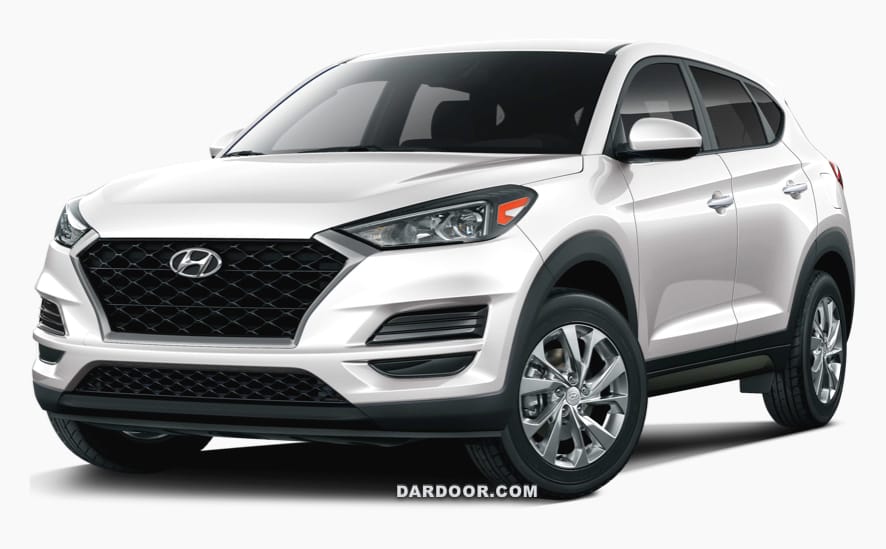
This is the original OEM workshop electrical manual for the 2018-2020 Hyundai Tucson wiring diagram, G 2.0L MPI in PDF.
2018-2020 Hyundai Tucson Wiring Diagram
$16.90
2018-2020 Hyundai Tucson OEM Wiring Diagram Manual – Instant PDF Download
⚡ The Ultimate Electrical Guide for Your Hyundai Tucson!
Get the OEM workshop electrical manual for the 2018-2020 Hyundai Tucson with the G 2.0L MPI engine, featuring detailed wiring diagrams and circuit layouts in a simple and easy-to-use PDF format. This dealer-level document provides accurate electrical schematics, ensuring precise troubleshooting and repairs.
| File Format | |
| File Language | English |
| You’ll Get | 70 MB |
| Page Count | 210 |
| Delivery Method | Instant Download |
Avoid electrical guesswork—get the trusted OEM wiring diagram manual today and ensure precision in every repair!
Key Features:
✅ Complete Wiring Diagrams – Covers all electrical systems and circuits.
✅ Detailed Circuit Layouts – Helps diagnose and repair wiring issues with precision.
✅ Manufacturer-Authorized Information – The same diagrams used by Hyundai dealership technicians.
✅ Easy-to-Use PDF Format – Instant access on any device, print only what you need.
What’s Inside?
- Full Vehicle Electrical System Wiring Diagrams
- Fuse Box & Power Distribution Layouts
- Engine, Transmission & Drivetrain Electrical Circuits
- Lighting, Sensors & Control Modules
- Infotainment, Audio & Navigation Wiring
- Starting, Charging & Ignition System Circuits
- And Much More!
Why Choose This Manual?
Whether you’re a professional technician or a DIY enthusiast, this factory-approved Hyundai Tucson wiring manualprovides the most accurate and reliable electrical repair information available.
📥 Download Now & Take Full Control of Your Hyundai’s Electrical System!
This manual includes the procedures for maintenance, disassembling, reassembling, inspection, and adjustment of components and diagnostics for the guidance of experienced mechanics. Please use this manual to ensure complete repair work to keep your vehicle in optimum condition. Please make sure to use Hyundai OEM genuine parts.
Table of Contents : 2018-2020 Hyundai Tucson Wiring Diagram
- 4 Wheel Drive (4WD) System
- Body Electrical System
- Brake System
- Engine Electrical System
- Engine Mechanical System
- Heating Ventilation, Air Conditioning System
- Power & Ground System
- Restraint System
- Steering System
- Transmission
Sample Pages
CAUTION: This manual is intended for use by individuals with specialized training and proper certification. Attempting repairs or maintenance using only this manual—without the necessary skills, tools, or equipment—may result in serious injury to yourself or others and may also cause significant damage to the vehicle. To ensure safety and prevent vehicle damage, always follow the instructions carefully and use appropriate tools and procedures.
2018–2020 Hyundai Tucson: Comprehensive Guide
Overview
The 2018–2020 Hyundai Tucson is a compact crossover SUV that offers a blend of style, features, and value. This generation (third generation, facelift) features updated styling, improved technology, and Hyundai’s reputation for warranty coverage.
Key Highlights
- Modern, aggressive exterior design with cascading grille
- Spacious interior with quality materials
- Competitive pricing with strong standard equipment
- Hyundai’s industry-leading warranty coverage
- Available all-wheel drive system
Technical Specifications
Engine Options
1.6L Turbocharged 4-Cylinder (Eco/Sport/Limited trims)
- Displacement: 1.6L (1,591 cc)
- Configuration: Inline-4, turbocharged, direct injection
- Horsepower: 175 hp @ 5,500 rpm
- Torque: 195 lb-ft @ 1,500–4,500 rpm
- Transmission: 7-speed dual-clutch automatic (DCT)
- Fuel Type: Regular unleaded (87 octane)
2.0L 4-Cylinder (Base SE trim)
- Displacement: 2.0L (1,999 cc)
- Configuration: Inline-4, naturally aspirated
- Horsepower: 164 hp @ 6,200 rpm
- Torque: 151 lb-ft @ 4,000 rpm
- Transmission: 6-speed automatic
- Fuel Type: Regular unleaded (87 octane)
2.4L 4-Cylinder (SEL/Value/Limited trims)
- Displacement: 2.4L (2,359 cc)
- Configuration: Inline-4, naturally aspirated, direct injection
- Horsepower: 181 hp @ 6,000 rpm
- Torque: 175 lb-ft @ 4,000 rpm
- Transmission: 6-speed automatic
- Fuel Type: Regular unleaded (87 octane)
Performance & Drivetrain
- Drive Type: Front-wheel drive (FWD) standard; All-wheel drive (AWD) optional
- 0-60 mph: 7.5–9.3 seconds (varies by engine)
- Top Speed: ~120–130 mph (electronically limited)
- Towing Capacity: 1,500–2,000 lbs (properly equipped)
Fuel Economy (EPA Estimates)
2.0L Engine:
- FWD: 23 city / 30 highway / 26 combined mpg
- AWD: 22 city / 28 highway / 25 combined mpg
2.4L Engine:
- FWD: 23 city / 28 highway / 25 combined mpg
- AWD: 22 city / 26 highway / 24 combined mpg
1.6L Turbo:
- FWD: 25 city / 30 highway / 27 combined mpg
- AWD: 24 city / 28 highway / 26 combined mpg
Dimensions & Capacity
- Length: 176.2 inches
- Width: 72.8 inches
- Height: 64.8–65.3 inches (varies by trim)
- Wheelbase: 105.1 inches
- Ground Clearance: 6.4–7.3 inches
- Curb Weight: 3,200–3,600 lbs
- Seating Capacity: 5 passengers
- Cargo Volume: 31.0 cu ft (rear seats up) / 61.9 cu ft (rear seats folded)
- Fuel Tank: 17.2–17.7 gallons
Suspension & Brakes
- Front Suspension: MacPherson strut with coil springs
- Rear Suspension: Multi-link with coil springs
- Front Brakes: 11.8-inch ventilated discs
- Rear Brakes: 11.0-inch solid discs
- Steering: Motor-driven power steering, rack-and-pinion
- Turning Diameter: 34.2–36.7 feet
Wheels & Tires
- Standard Wheels: 17-inch alloy (base trims)
- Optional Wheels: 19-inch alloy (Sport, Limited)
- Tire Sizes: 225/65R17 or 245/45R19
Top 10 Mechanical & Electrical Issues
1. Dual-Clutch Transmission (DCT) Problems
Symptoms:
- Harsh or delayed shifting, especially from 1st to 2nd gear
- Shuddering or jerking during acceleration
- Transmission slipping or hesitation
- Warning lights (check engine, transmission)
- Burning smell from transmission
Root Cause: The 7-speed dual-clutch transmission suffers from premature clutch wear, software calibration issues, and mechatronic unit failures. The DCT design is inherently sensitive to stop-and-go traffic and requires precise operation.
Fix:
- Software updates/reprogramming ($0–$150 under warranty)
- Clutch pack replacement ($2,500–$4,500)
- Complete transmission replacement ($4,000–$7,000)
- Mechatronic unit replacement ($1,500–$3,000)
Cost: $0–$7,000 depending on severity and warranty coverage
2. Engine Knock/Bearing Failure (2.0L & 2.4L)
Symptoms:
- Loud knocking or ticking noise from engine
- Metal shavings in oil
- Loss of power
- Check engine light
- Engine seizure in severe cases
Root Cause: Manufacturing defects in the Theta II engine family can cause metal debris to remain in the engine block, leading to oil passage blockage and bearing failure. This is part of the widespread Hyundai/Kia engine recall issue.
Fix:
- Engine replacement ($5,000–$8,500)
- Short block replacement ($3,500–$6,000)
- Software update for knock sensor detection (free under recall)
Cost: $0 under warranty/recall, $3,500–$8,500 out of warranty
3. Theta II Engine Fire Risk
Symptoms:
- Burning smell
- Smoke from engine bay
- Loss of power
- Engine failure
- Potential fire (in extreme cases)
Root Cause: High-pressure fuel pump failure can cause fuel leaks, and bearing failures can lead to metal-on-metal contact creating sparks. Combined with oil leaks, this creates fire risk.
Fix:
- Engine replacement ($5,000–$8,500)
- Fuel system inspection and repair ($500–$2,000)
- Installation of engine fire suppression software update (free)
Cost: $0 under recall/warranty, $500–$8,500 out of warranty
4. Panoramic Sunroof Shattering
Symptoms:
- Loud popping or explosive sound
- Glass fragments throughout cabin
- Sunroof glass completely shattered
- No prior impact or stress
Root Cause: Manufacturing defects, improper tempering of glass, thermal stress, or frame flex can cause spontaneous sunroof failure. Temperature changes and road vibrations may trigger failure.
Fix:
- Sunroof glass replacement ($800–$2,000)
- Sunroof assembly replacement if frame damaged ($1,500–$3,000)
Cost: $800–$3,000 (may be covered by comprehensive insurance)
5. Air Conditioning Compressor Failure
Symptoms:
- AC blowing warm air
- Loud grinding, squealing, or clicking noise
- Compressor clutch not engaging
- AC system cycling on/off rapidly
- Belt damage or squealing
Root Cause: Premature compressor bearing failure, clutch coil failure, or internal seal leaks. Some units have manufacturing defects causing early failure, especially in 2018–2019 models.
Fix:
- AC compressor replacement ($800–$1,500 parts + labor)
- Receiver-drier replacement ($150–$300)
- System evacuation and recharge ($150–$250)
- Complete AC system flush if contaminated ($300–$600)
Cost: $1,100–$2,300 total
6. Turbocharger Failure (1.6L Turbo)
Symptoms:
- Loss of power/boost
- Excessive blue or black smoke from exhaust
- Loud whining or whistling noise
- Check engine light (boost pressure codes)
- Oil consumption increase
- Rattling from engine bay
Root Cause: Oil starvation, contaminated oil, wastegate actuator failure, or bearing wear. Carbon buildup in direct injection engines can also affect turbo performance.
Fix:
- Turbocharger replacement ($1,800–$3,500)
- Oil feed line replacement ($200–$400)
- Wastegate actuator replacement ($400–$800)
- Complete system cleaning and oil change ($150–$300)
Cost: $1,800–$4,000
7. Fuel Pump Failure (High-Pressure Direct Injection)
Symptoms:
- Hard starting or no-start condition
- Engine stalling while driving
- Loss of power under acceleration
- Rough idle
- Check engine light (fuel pressure codes P0087, P0088)
- Engine misfires
Root Cause: High-pressure fuel pump failures due to internal wear, contamination, or manufacturing defects. This issue has been subject to recalls and affects multiple model years.
Fix:
- High-pressure fuel pump replacement ($800–$1,500)
- Low-pressure fuel pump replacement ($300–$600)
- Fuel filter replacement ($100–$200)
- Fuel system cleaning ($150–$300)
Cost: $800–$2,000
8. Electronic Power Steering (EPS) Failure
Symptoms:
- Steering warning light illuminated
- Complete loss of power steering assist
- Heavy/stiff steering wheel
- Intermittent loss of assist
- Whining noise from steering column
Root Cause: Electronic control unit (ECU) failure, motor failure, or wiring issues in the electric power steering system. Heat and vibration can cause connector corrosion.
Fix:
- Power steering motor replacement ($800–$1,500)
- ECU replacement or reprogramming ($400–$900)
- Wiring harness repair ($200–$500)
- Complete EPS column replacement ($1,500–$2,500)
Cost: $400–$2,500
9. ABS/ESC Module Failure
Symptoms:
- ABS warning light illuminated
- Electronic Stability Control (ESC) light on
- Traction control malfunction
- Loss of ABS function
- Hard brake pedal
- Reduced braking efficiency
Root Cause: Internal corrosion of hydraulic control unit, moisture intrusion, or electronic control module failure. This is often caused by exposure to road salt and moisture.
Fix:
- ABS module replacement ($1,200–$2,000)
- Module repair/rebuild ($500–$900)
- Hydraulic control unit replacement ($800–$1,500)
- Wiring harness repair ($150–$400)
Cost: $500–$2,000
10. Infotainment System Freezing/Failure
Symptoms:
- Touchscreen unresponsive or frozen
- System randomly rebooting
- Backup camera not displaying
- Bluetooth connectivity issues
- Navigation system failure
- No audio from speakers
- Black screen on startup
Root Cause: Software bugs, corrupted system files, hardware failure of the head unit, or wiring issues. Temperature extremes can also cause system instability.
Fix:
- Software update/reset (free–$150)
- Head unit replacement ($800–$2,000)
- Wiring harness repair ($200–$500)
- GPS antenna replacement ($150–$300)
Cost: $0–$2,000
Top 5 Competitors
1. Honda CR-V
Strengths: Superior reliability, better resale value, more refined driving experience, spacious interior, better fuel economy Weaknesses: Higher initial price, less standard features, older infotainment in this generation Why Consider:Best overall reliability and long-term ownership experience
2. Toyota RAV4
Strengths: Legendary reliability, strong resale value, available hybrid option, off-road capable Adventure trimWeaknesses: Firm ride quality, road noise, less refined interior Why Consider: Most reliable option with excellent long-term value
3. Mazda CX-5
Strengths: Premium interior quality, engaging driving dynamics, upscale design, refined powertrain Weaknesses:Smaller cargo space, less rear legroom, higher price Why Consider: Best driving experience and interior quality in class
4. Nissan Rogue
Strengths: Comfortable ride, spacious interior, good value, available ProPilot Assist Weaknesses: CVT reliability concerns, less powerful engine, lower resale value Why Consider: Comfortable family hauler with good space
5. Ford Escape
Strengths: Multiple powertrain options including hybrid, engaging handling, modern technology Weaknesses:Reliability concerns, smaller cargo area, cramped third-row (when equipped) Why Consider: Most powertrain variety and tech features
Top 10 Recalls, Advisories & TSB Highlights
Major Recalls
1. Engine Fire Risk (Multiple Campaigns)
- Affected: 2.0L and 2.4L engines
- Issue: Engine bearing failure leading to fire risk
- Remedy: Software update for knock sensor monitoring, possible engine replacement
- Recall Numbers: 20V-750, 21V-226, 21V-650
2. Anti-Lock Brake System (ABS) Module Fire Risk
- Affected: All 2018–2020 Tucson models
- Issue: ABS module can short-circuit causing fire, even when vehicle is off
- Remedy: Replacement of ABS module; park outside until repaired
- Recall Number: 21V-524
3. Seat Belt Pretensioner Failure
- Affected: Various 2019–2020 Tucson models
- Issue: Seat belt pretensioners may not properly restrain occupants in crash
- Remedy: Replacement of front seat belt pretensioners
- Recall Number: 20V-063
4. Fuel Pump Failure
- Affected: 2019–2020 models with 2.4L engine
- Issue: Low-pressure fuel pump can fail causing engine stall
- Remedy: Fuel pump replacement
- Recall Number: 20V-505
5. Rearview Camera Display Failure
- Affected: 2019 Tucson models
- Issue: Backup camera may not display when in reverse
- Remedy: Software update for infotainment system
- Recall Number: 19V-206
6. Brake Light Switch Failure
- Affected: 2019–2020 models
- Issue: Brake lights may not illuminate or stay on; affects push-button start
- Remedy: Brake light switch replacement
- Recall Number: 19V-701
Key Technical Service Bulletins (TSBs)
7. TSB 19-BE-005: Dual-Clutch Transmission Shudder
- Issue: Shuddering during light acceleration, especially 1st to 2nd gear
- Solution: Software update and/or clutch replacement
8. TSB 18-01-032: Wind Noise from Doors
- Issue: Excessive wind noise from door seals at highway speeds
- Solution: Door seal adjustment or replacement
9. TSB 19-NV-005: Sunroof Rattle/Wind Noise
- Issue: Panoramic sunroof rattling or wind noise
- Solution: Sunroof track adjustment and seal replacement
10. TSB 20-FL-006: Rough Idle or Stalling
- Issue: Engine rough idle, stalling, or hesitation
- Solution: Throttle body cleaning and ECU update
Maintenance Schedule
Every 7,500 Miles or 6 Months
- Engine oil and filter change
- Rotate tires
- Inspect brake pads and rotors
- Check all fluid levels
- Inspect battery condition
Every 15,000 Miles or 12 Months
- Replace cabin air filter
- Inspect air conditioning system
- Check exhaust system
- Inspect suspension components
- Check drive belts
Every 30,000 Miles or 24 Months
- Replace engine air filter
- Replace fuel filter (if equipped)
- Inspect brake fluid (replace every 3 years)
- Inspect coolant system
- Inspect transmission fluid (DCT models)
- Check all-wheel drive system (AWD models)
Every 60,000 Miles or 48 Months
- Replace spark plugs
- Replace transmission fluid (automatic)
- DCT fluid change (dual-clutch transmission – CRITICAL)
- Inspect timing chain
- Replace coolant
- Inspect fuel system components
Every 90,000 Miles or 72 Months
- Replace drive belts
- Inspect valve clearance (if specified)
- Full suspension inspection
- Replace brake fluid
Every 120,000 Miles or 96 Months
- Replace coolant
- Inspect all major systems thoroughly
- Consider timing chain inspection
- Replace transmission fluid (if not done at 60k)
Additional Maintenance Notes
- DCT owners: Follow transmission service intervals religiously; DCT is more sensitive than conventional automatic
- Turbo models: Use high-quality synthetic oil and don’t exceed oil change intervals
- Direct injection engines: Consider periodic fuel system cleaning every 30k miles to prevent carbon buildup
- Severe driving conditions (towing, frequent short trips, extreme temperatures): Reduce intervals by 25–50%
Top 10 FAQs for Buyers
1. Should I buy a Tucson with the DCT transmission?
The 7-speed dual-clutch transmission has known reliability issues including shuddering, harsh shifts, and premature wear. If you must buy one, ensure it has updated software and get an extended warranty. The conventional 6-speed automatic is more reliable. Avoid DCT models if possible, or budget for potential transmission repairs.
2. Are the engine problems as serious as reported?
Yes. The 2.0L and 2.4L Theta II engines have documented bearing failures and fire risks subject to multiple recalls. However, Hyundai has extended warranties to 10 years/100,000 miles for engine issues on affected vehicles. Check if the vehicle has had all recall work completed and consider an extended warranty. The 1.6L turbo is generally more reliable.
3. What’s the best engine choice?
The 2.4L naturally aspirated engine offers the best balance of reliability and performance for most buyers. The 1.6L turbo is efficient and responsive but requires premium maintenance. Avoid the 2.0L if possible due to engine issues. The 2.4L has also had problems, but less frequently than the 2.0L.
4. Is AWD worth it?
Hyundai’s AWD system is competent for light snow and wet conditions but not designed for serious off-roading. AWD adds weight, reduces fuel economy by 1–2 mpg, and increases maintenance costs. Consider it if you live in snowy climates or need traction in poor weather. Otherwise, FWD is adequate and more economical.
5. How reliable is the 2018–2020 Tucson compared to competitors?
Below average. The Tucson ranks near the bottom for reliability in its class due to engine and transmission issues. Honda CR-V and Toyota RAV4 are significantly more reliable. Mazda CX-5 is also more dependable. If reliability is paramount, consider competitors. The Tucson’s value proposition is features and warranty, not reliability.
6. What should I look for when buying used?
- Verify all recalls completed (especially engine and ABS fire risks)
- Check for engine knock or unusual noises (bearing failure)
- Test DCT transmission thoroughly through all gears
- Inspect for oil leaks around engine and turbo
- Check AC compressor operation
- Verify sunroof operates without noise
- Review service history, especially oil changes
- Get pre-purchase inspection from independent mechanic
- Check if 10-year/100,000-mile engine warranty is transferable
7. How much should I budget for maintenance and repairs?
Annual average: $400–$600 for routine maintenance First 5 years total: $2,000–$3,500 (without major issues)Major repair reserve: Budget $1,000–$2,000 annually for potential transmission, engine, or turbo repairs outside warranty. Consider extended warranty to cap costs. Competitors like Honda and Toyota typically cost 20–30% less in repairs.
8. Does the Tucson hold its value well?
No. Hyundai/Kia depreciation is steeper than Honda/Toyota. Expect 50–60% value retention after 5 years versus 60–70% for Honda CR-V or Toyota RAV4. Engine reliability concerns and recall reputation further hurt resale value. This makes it a better value to buy used but worse to sell later.
9. Is the warranty really that good?
Hyundai’s warranty includes:
- 5 years/60,000 miles new vehicle limited warranty
- 10 years/100,000 miles powertrain warranty
- 7 years/unlimited miles anti-perforation warranty
- 5 years/unlimited miles roadside assistance
However: Powertrain warranty may not transfer fully to second owners (check terms). Some warranties only apply to original owners. Extended engine warranty for Theta II engines is 10 years/100,000 miles but has specific conditions. Always verify warranty status when buying used.
10. Which trim level is the best value?
The SEL trim offers the best balance of features and value. It includes the reliable 2.4L engine, decent equipment, and avoids the problematic DCT. The Sport trim has the DCT which we recommend avoiding. Limited adds luxury but at a premium price. Value Edition (when available) is excellent for budget-conscious buyers. Skip base SE unless on tight budget.
Final Buyer Recommendations
✅ Buy If:
- You’re getting a strong warranty (extended warranty recommended)
- Price is significantly lower than Honda/Toyota competitors ($3,000+ less)
- You prioritize features and technology over long-term reliability
- You can verify all recalls have been completed
- You’re comfortable with potentially higher repair costs
- You’re buying for short-term ownership (3–5 years)
- The vehicle has comprehensive service records
- You’re finding a 2.4L engine with conventional 6-speed automatic (not DCT)
⚠️ Consider Carefully:
- 1.6L turbo models with DCT transmission (transmission issues common)
- 2019–2020 models are slightly better than 2018 after initial issues addressed
- Limited trim with 2.4L engine and AWD offers good features with better reliability than turbo/DCT
- Extended warranty is highly recommended given known issues
- Budget extra for maintenance and potential repairs
- Factor in lower resale value when calculating total cost of ownership
❌ Avoid If:
- You need maximum reliability (choose Honda CR-V or Toyota RAV4)
- You can’t afford extended warranty or repair reserves
- You plan to keep the vehicle over 100,000 miles
- You do mostly city/stop-and-go driving (hard on DCT)
- The vehicle has any signs of engine knock or transmission issues
- Recalls haven’t been completed (especially fire-related recalls)
- You’re risk-averse and want peace of mind
- Service history is incomplete or questionable
Recommended Configuration:
Best Overall: 2019–2020 Tucson SEL 2.4L FWD or AWD
- Reliable 2.4L engine
- 6-speed automatic (not DCT)
- Good feature content
- Better value than Limited
- Avoid 2018 if possible (more early issues)
Better Alternatives to Consider:
- Honda CR-V – Best reliability and resale value
- Toyota RAV4 – Most dependable, excellent resale
- Mazda CX-5 – Better driving experience and interior
- Subaru Forester – Better AWD, similar reliability to Tucson but better reputation
Bottom Line
The 2018–2020 Hyundai Tucson offers good value with generous features and styling, but reliability concerns with the engine and DCT transmission make it a riskier purchase than competitors. It’s best suited for buyers who prioritize initial cost savings and features over long-term reliability, and who are prepared for potential repairs. The excellent warranty helps mitigate risk, but doesn’t eliminate it entirely.
If you do buy one: Get the 2.4L engine with 6-speed automatic, purchase an extended warranty, maintain it meticulously, and verify all recalls are completed. Budget for potential repairs and accept lower resale value. For most buyers seeking dependable transportation, Honda CR-V or Toyota RAV4 are safer bets despite higher initial cost.
| Brands | |
|---|---|
| File Format | |
| File Language | English |
| File Size | 70 MB |
| Page Count | 210 |
| Instant Download | YES |
Related products
-

2010-2011 Hyundai Genesis Repair Manual
$16.90 Add to cart -
2016 Hyundai Ioniq Repair Manual
$16.90 Add to cart -

2015-2019 Hyundai Tucson Repair Manual
$19.90 Add to cart -

2004-2010 Hyundai Tucson Repair Manual
$14.90 Add to cart -

2006-2010 Hyundai Getz Repair Manual
$16.90 Add to cart -
2010-2013 Hyundai Elantra Repair Manual
$16.90 Add to cart -

2019-2020 Hyundai Kona Wiring Diagram
$16.90 Add to cart -
2008-2010 Hyundai Tucson Wiring Diagram
$16.90 Add to cart