

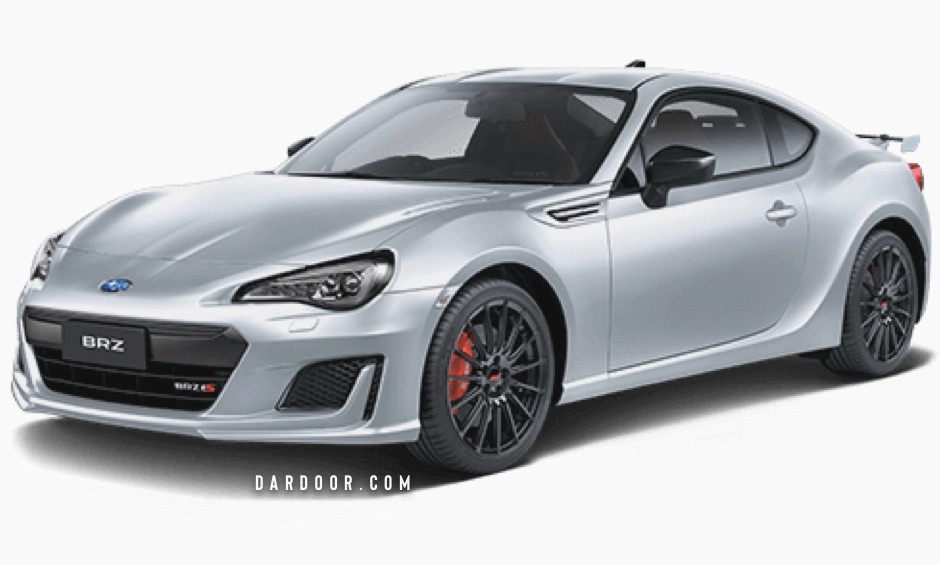
Get the official OEM workshop service and repair manual with the wiring diagram for the 2020 Subaru BRZ in a clean, searchable PDF format.
2020 Subaru BRZ Repair Manual
$24.90
2020 Subaru BRZ — OEM Workshop Service & Repair Manual (PDF)
| File Format | |
| File Language | English |
| You’ll Get | 186.7 MB |
| Wiring Diagram | Included |
| Delivery Method | Instant Download |
Work to factory standards—reduce guesswork and get repairs right the first time.
Coverage
- Model Year: 2020
- Vehicle: Subaru BRZ
- Engine: 2.0L FA20 (Boxer H4)
- Transmissions: 6-speed manual / automatic (where equipped)
Note: Coverage may vary slightly by market/trim, but core mechanical, electrical, and diagnostic procedures are included.
Key Features
Complete OEM Coverage
Factory procedures for maintenance, repair, and servicing across all vehicle systems.
Wiring Diagrams
Schematics, connector views, pinouts, grounds, and power distribution for accurate troubleshooting.
Diagnostics & DTCs
Fault codes, test values, and troubleshooting flowcharts to pinpoint issues fast.
Searchable PDF
Indexed sections and print-ready pages—ideal for workshops and DIY repairs.
What’s Inside
- Service intervals, fluids, capacities, and torque specifications
- Engine mechanical (FA20), fuel, cooling, lubrication, intake/exhaust
- Transmission, clutch, driveline & differential servicing
- Brakes (ABS/ESC), suspension, steering, wheel alignment
- Electrical: wiring diagrams, module locations, CAN/LIN networks, connector locations
- Body, interior, HVAC, lighting, and SRS/airbag systems
- Diagnostic procedures, inspection standards, and troubleshooting guides
Download & Compatibility
Delivery: Instant digital PDF download
Compatibility: Windows • macOS • iOS • Android
This manual provides detailed instructions for maintenance, disassembly, reassembly, component inspection, adjustment, and diagnostics—intended for use by experienced mechanics. Proper application of this guide will help ensure thorough repairs and maintain your vehicle in peak condition.
Important Note: Before purchasing this manual, please check whether your vehicle is subject to any active service recalls, as authorized dealerships may perform necessary repairs free of charge. When replacing parts, always use genuine OEM components to ensure safety, reliability, and long-term performance.
SAMPLE PAGES: 2020 Subaru BRZ
CAUTION: This OEM service and workshop repair manual provides detailed procedures for maintenance, disassembly, reassembly, inspection, adjustment, and diagnostics. It is intended as a comprehensive guide for experienced mechanics. To ensure thorough and accurate repairs that maintain your vehicle’s optimal performance, please read and follow this manual carefully. When replacing parts during any repair work, always use genuine Subaru parts to ensure quality, safety, and reliability.
2020 Subaru BRZ Comprehensive Guide
Overview
The 2020 Subaru BRZ is a lightweight, rear-wheel-drive sports coupe developed jointly with Toyota (sold as the 86/GT86). It represents the final year of the first generation (ZC6) before the complete redesign for 2022. The BRZ emphasizes driving dynamics, balance, and affordability over raw power.
Key Highlights:
- Purist rear-wheel-drive sports car philosophy
- Boxer engine for low center of gravity
- Excellent handling and balance (53/47 weight distribution)
- Affordable entry into RWD sports car ownership
- Strong enthusiast community and aftermarket support
- Minimal standard technology (focused on driving experience)
2020 Updates:
- Limited availability as final year of generation
- Subtle styling updates from previous years
- Added features on higher trims
- Series.Gray special edition (limited production)
Technical Specifications
Engine
- Type: 2.0L Horizontally-Opposed 4-cylinder (FA20)
- Displacement: 1,998 cc
- Horsepower: 205 hp @ 7,000 rpm
- Torque: 156 lb-ft @ 6,400-6,600 rpm
- Compression Ratio: 12.5:1
- Fuel System: Port and direct injection (D-4S)
- Valvetrain: DOHC, 16 valves
Transmission Options
- 6-speed manual (standard, most popular)
- 6-speed automatic with paddle shifters and Sport mode
Drivetrain
- Layout: Front-engine, rear-wheel drive
- Final Drive Ratio: 4.30:1 (manual), 4.10:1 (automatic)
- Limited-Slip Differential: Torsen (manual), electronic (automatic)
Performance
- 0-60 mph: 6.2 seconds (manual), 7.6 seconds (automatic)
- Quarter Mile: 14.5 seconds @ 98 mph
- Top Speed: 140 mph (electronically limited)
- Fuel Economy: 21/29 mpg city/highway (manual), 24/33 mpg (automatic)
- Fuel Capacity: 13.2 gallons
- Range: ~385 miles
Dimensions & Weight
- Length: 166.7 inches
- Width: 69.9 inches
- Height: 50.6 inches
- Wheelbase: 101.2 inches
- Curb Weight: 2,764 lbs (manual), 2,824 lbs (automatic)
- Weight Distribution: 53% front / 47% rear
- Ground Clearance: 4.9 inches
Suspension & Brakes
- Front: MacPherson strut, coil springs, stabilizer bar
- Rear: Double wishbone, coil springs, stabilizer bar
- Steering: Electric power-assisted rack-and-pinion (13.1:1 ratio)
- Front Brakes: 11.6″ ventilated discs
- Rear Brakes: 11.4″ ventilated discs
- Wheels: 17″ aluminum alloy
- Tires: 215/45R17 Michelin Primacy HP
Interior
- Seating Capacity: 4 (2+2 configuration, tight rear seats)
- Front Headroom: 37.1 inches
- Front Legroom: 43.3 inches
- Rear Headroom: 33.5 inches (minimal)
- Rear Legroom: 29.0 inches (emergency use only)
- Cargo Volume: 6.9 cubic feet (very limited)
Technology & Features
- Infotainment: 6.2″ or 7.0″ touchscreen (depending on trim)
- Audio: 6-speaker or 8-speaker system
- Connectivity: Bluetooth, USB, Aha integration (dated by 2020 standards)
- Safety: Basic (no adaptive cruise, limited driver assists)
- Climate: Manual air conditioning or automatic climate control
Trim Levels (2020)
- Base/Premium – Core model with essential features
- Limited – Adds keyless access, upgraded audio, climate control
- Series.Gray – Special edition with unique gray paint, orange accents, Brembo brakes
Top 10 Mechanical & Electrical Issues
1. “Crickets” Chirping Noise from Fuel Pump/Injectors
Symptoms:
- High-pitched chirping/cricket sound from engine bay when idling
- Most noticeable when warmed up
- Sound increases with engine load
- No performance issues, purely auditory annoyance
- Particularly loud in 2013-2016 models, improved but not eliminated by 2020
Root Cause:
- Direct fuel injector operation (normal characteristic)
- High-pressure fuel pump noise
- Engine design with thin firewall allows sound transmission
- Port and direct injection system noise
- Resonance from boxer engine layout
Fix:
- Sound deadening material installation
- Fuel injector replacement (if excessive)
- Acceptance (normal operating characteristic)
- Aftermarket firewall insulation
- ECU tune may alter injector timing slightly
Cost: $0 (normal), $200-$500 (sound deadening), $800-$1,500 (injector replacement if warranted)
2. Torque Dip / Power Valley (4,000-5,000 RPM)
Symptoms:
- Noticeable flat spot in power delivery between 4,000-5,000 rpm
- Engine feels hesitant or loses momentum mid-range
- Affects drivability during normal acceleration
- More pronounced in stock tune
- Makes passing maneuvers less confident
Root Cause:
- Lean fuel mixture programmed for emissions compliance
- Intake manifold design creates turbulence
- ECU mapping conservative for reliability and emissions
- Port and direct injection transition point
- Toyota/Subaru compromise for fuel economy ratings
Fix:
- ECU tune/reflash (header with tune most effective)
- Header replacement with tune (most common solution)
- Intake manifold modification
- Cold air intake (minimal improvement alone)
- E85 flex fuel tune (significant improvement)
- Forced induction (supercharger/turbocharger)
Cost: $500-$800 (tune only), $1,500-$2,500 (header + tune), $4,000-$8,000 (forced induction)
Note: This is a design characteristic, not a defect. Many owners accept it or modify.
3. Throwout Bearing / Clutch Noise (Manual Transmission)
Symptoms:
- Squeaking or chirping noise when clutch pedal depressed
- Most noticeable in cold weather
- Grinding or rattling at idle (clutch out)
- Noise disappears when clutch pedal pushed in
- Clutch chatter during engagement
- Difficulty shifting into first gear
Root Cause:
- Throwout bearing wear (common failure point)
- Inadequate lubrication in cold temperatures
- Clutch pilot bearing degradation
- Pressure plate finger wear
- Flywheel surface wear
- Transmission input shaft bearing issues
Fix:
- Throwout bearing replacement (requires transmission removal)
- Full clutch kit replacement (recommended when apart)
- Pilot bearing replacement
- Flywheel resurfacing or replacement
- Transmission fluid change (may temporarily help)
Cost: $800-$1,500 (throwout bearing labor-intensive), $1,200-$2,000 (full clutch kit + labor), $200-$300 (transmission fluid change)
4. Valve Spring Recall Issues & Engine Failure Risk
Symptoms:
- Sudden catastrophic engine failure (rare but severe)
- Misfires and rough running
- Check engine light with valve timing codes
- Metallic rattling from engine
- Loss of compression
- Complete engine seizure in worst cases
Root Cause:
- Defective valve springs manufactured with improper tempering (2013-2016 primarily, some 2017+ affected)
- Valve spring breaks causing valve to drop into cylinder
- Piston strikes valve causing catastrophic damage
- Affects FA20 engines in specific production batches
- More common in high-RPM operation
Fix:
- Valve spring replacement under recall (check VIN)
- Complete engine replacement if failure occurred
- Cylinder head replacement if caught early
- Regular valve lash inspection
- Avoid extended high-RPM operation until recall completed
Cost: $0 (under recall), $8,000-$12,000 (engine replacement if out of warranty), $3,000-$5,000 (cylinder head repair)
🛑 CRITICAL: Verify recall completion before purchase!
5. Transmission Gear Grind (2nd Gear Synchro)
Symptoms:
- Grinding when shifting into 2nd gear
- Difficult engagement into 2nd, especially when cold
- Notchy shifting feel
- Gear pop-out under load
- Most common on hard-driven or high-mileage cars
- Worse during aggressive downshifts
Root Cause:
- 2nd gear synchronizer wear (weak point in transmission)
- Aggressive shifting technique
- Improper transmission fluid
- Manufacturing tolerances
- High-performance driving accelerates wear
- Cold-weather operation with thick fluid
Fix:
- Transmission fluid change with proper spec (75W-90 or Motul Gear 300)
- 2nd gear synchro replacement (requires transmission removal and rebuild)
- Complete transmission rebuild
- Replacement transmission (used or new)
- Improved shifting technique
- Double-clutch shifting (workaround)
Cost: $150-$250 (fluid change), $1,500-$2,500 (synchro replacement), $2,500-$4,000 (transmission rebuild), $3,000-$5,000 (replacement transmission)
6. Rear Differential Clunk/Whine
Symptoms:
- Clunking noise when engaging/disengaging throttle
- Whining noise from rear end during acceleration
- Vibration through drivetrain
- Noise increases with speed
- Particularly noticeable during low-speed maneuvering
- Worse when cold
Root Cause:
- Differential bushing wear
- Insufficient or degraded differential fluid
- Differential bearing wear
- Driveshaft CV joint wear
- Pinion gear wear
- Torsen limited-slip diff normal characteristics (some noise is typical)
Fix:
- Differential fluid change (75W-90 GL-5)
- Differential bushing replacement
- Differential rebuild or replacement
- Driveshaft replacement or service
- Subframe bushings replacement
Cost: $100-$200 (fluid change), $300-$600 (bushings), $1,500-$3,000 (differential rebuild), $500-$800 (driveshaft service)
7. Carbon Buildup on Intake Valves
Symptoms:
- Rough idle, especially when cold
- Hesitation during acceleration
- Reduced fuel economy
- Misfires (check engine light)
- Loss of power over time
- Failed emissions testing
- Difficult cold starts
Root Cause:
- Direct injection design (fuel doesn’t clean valves)
- PCV system oil vapor deposits
- Short-trip driving patterns
- Low-quality fuel usage
- Lack of Italian tune-ups (spirited driving)
- Port injection helps but doesn’t eliminate buildup
Fix:
- Walnut blasting intake valve cleaning
- Chemical cleaning (less effective)
- Fuel system cleaner additives (preventive only)
- More frequent high-RPM driving (Italian tune-up)
- Catch can installation (preventive measure)
Cost: $400-$800 (walnut blasting service), $150-$300 (catch can installation), $20-$50 (fuel additives)
Prevention: Regular spirited driving to redline helps minimize buildup.
8. Airbag and Ignition Coil Recalls
Symptoms: Takata Airbag:
- No symptoms until deployment
- Potential for shrapnel injury during crash
- Recalls affect millions of vehicles
Ignition Coil:
- Engine misfires
- Check engine light
- Rough running
- Hesitation/stumbling
- Reduced performance
Root Cause: Takata Airbag:
- Defective inflator propellant degradation
- Moisture exposure over time
- Manufacturing defect
Ignition Coil:
- Defective ignition coil batch
- Premature coil failure
- Electrical short circuit
Fix:
- Airbag inflator replacement (free recall)
- Ignition coil replacement (free recall)
- Check VIN for open recalls
Cost: $0 (recall repairs are free)
🛑 CRITICAL: Verify all recalls completed before purchase!
9. Door Locks Freezing / Keyless Entry Issues
Symptoms:
- Door locks freeze in cold weather
- Keyless entry intermittent or non-functional
- Door lock actuator clicking but not opening
- Difficulty unlocking doors manually
- Moisture in door panels
- Key fob range reduced
Root Cause:
- Water intrusion into door panels
- Inadequate drainage from doors
- Cold weather ice buildup
- Door lock actuator failure
- Key fob battery low
- Receiver module issues
Fix:
- Clear door drain holes
- Apply lubricant to lock mechanisms
- Door lock actuator replacement
- Key fob battery replacement
- Receiver module replacement
- Improved weatherstripping
Cost: $0-$20 (preventive maintenance), $3-$10 (key fob battery), $200-$400 (actuator replacement), $300-$600 (receiver module)
10. Infotainment System Freezing/Glitching
Symptoms:
- Touchscreen becomes unresponsive
- System reboots randomly
- Bluetooth connectivity issues
- Audio cutting in and out
- Navigation freezing (if equipped)
- Slow response to inputs
- Display dimming or blackout
Root Cause:
- Outdated software
- System memory overload
- Corrupted files
- Electrical interference
- Head unit hardware failure
- Temperature extremes
Fix:
- System reset (hold power button)
- Software update at dealership
- Clear cache and paired devices
- Head unit replacement
- Aftermarket stereo replacement (common upgrade)
Cost: $0 (reset/update), $800-$1,500 (OEM head unit replacement), $300-$1,500 (aftermarket upgrade)
Note: Many owners upgrade to aftermarket Android Auto/Apple CarPlay units for better functionality.
Top 5 Competitors
1. Toyota 86 / Scion FR-S (2012-2020)
Strengths:
- Mechanically identical (same platform, engine, transmission)
- Often lower pricing on used market
- Toyota reliability reputation
- Same aftermarket support
- Different styling (subjective preference)
Weaknesses:
- Identical performance and issues
- Less distinctive badging (if that matters)
- Slightly different suspension tuning (minimal difference)
Comparison: The 86/FR-S is essentially the same car with Toyota badges. Choice comes down to styling preference, price, and availability. The BRZ has slightly better standard equipment historically and some prefer its front-end styling.
👉 Recommendation: Buy whichever is in better condition at a better price.
2. Mazda MX-5 Miata (ND, 2016-2020)
Strengths:
- True roadster experience (convertible)
- Lighter weight (2,332 lbs)
- Better balanced (50/50 weight distribution)
- More reliable mechanically
- Better fuel economy
- Simpler, more robust design
Weaknesses:
- Convertible-only (no hardtop until RF)
- Less practical (no rear seats)
- Less cargo space
- More expensive when new
- Less power (155-181 hp)
- Softer suspension tuning
Comparison: The Miata is the purer sports car with legendary handling but less practical. The BRZ offers more refinement, weather protection, marginal practicality (rear seats), and more power. Miata wins on driving purity and reliability; BRZ wins on versatility and value.
👉 Recommendation: Miata for pure driving experience; BRZ for year-round usability and slight practicality.
3. Hyundai Veloster Turbo / N (2019-2020)
Strengths:
- More power (275 hp in N model)
- Front-wheel drive (better in snow/ice)
- More practical (hatchback, more cargo)
- Better warranty (10yr/100k powertrain)
- Modern technology and features
- Lower insurance costs
Weaknesses:
- Front-wheel drive (torque steer, less engaging)
- Heavier (3,100+ lbs)
- Less balanced handling
- Quirky 3-door design
- Less enthusiast credibility
- Higher depreciation
Comparison: The Veloster N offers more power and practicality but can’t match the BRZ’s driving dynamics and rear-wheel-drive purity. It’s a hot hatch vs. a sports car—different philosophies.
👉 Recommendation: Veloster for daily practicality and power; BRZ for driving engagement and balance.
4. Ford Mustang EcoBoost (2018-2020)
Strengths:
- More power (310 hp with Performance Package)
- Iconic styling and heritage
- Available Performance Pack with improved handling
- More aftermarket support
- Better infotainment technology
- More interior space
Weaknesses:
- Much heavier (~3,500 lbs)
- Larger, less nimble
- Higher running costs
- Less balanced (nose-heavy)
- Higher insurance premiums
- Less fuel efficient
Comparison: The Mustang offers more straight-line power and muscle car appeal but can’t match the BRZ’s lightweight agility and handling precision. Different class of car—pony car vs. lightweight sports car.
👉 Recommendation: Mustang for power and presence; BRZ for corner-carving and lightweight dynamics.
5. Nissan 370Z (2015-2020)
Strengths:
- More powerful (332 hp V6)
- Faster acceleration (sub-5 seconds to 60 mph)
- More torque throughout rev range
- Available with Sport Package (better brakes, LSD)
- Heritage and styling
- Raw, mechanical feel
Weaknesses:
- Aging platform (2009 design)
- Heavy (3,300+ lbs)
- Outdated interior and technology
- Less fuel efficient
- Higher maintenance costs
- Less refined driving experience
Comparison: The 370Z offers significantly more power and torque but feels dated compared to the BRZ. It’s faster in a straight line but less balanced and nimble in corners. The BRZ is the modern, refined choice; the 370Z is old-school muscle.
👉 Recommendation: 370Z for raw power and character; BRZ for modern dynamics and efficiency.
Top 10 Recalls, Advisories & TSB Highlights
Recalls
1. Takata Airbag Inflator Recall (Multiple Years Including 2020)
-
- Issue: Defective airbag inflators may explode with metal shrapnel
- Risk: Serious injury or death during airbag deployment
- Affected: Millions of vehicles across brands
- Fix: Airbag inflator replacement (free)
- Status: Ongoing campaign – CHECK YOUR VIN at NHTSA.gov
2. Valve Spring Defect Recall (2013-2017, Some 2018-2020)
-
- Issue: Improperly manufactured valve springs may fracture
- Risk: Engine damage, stalling, crash risk
- Affected: FA20 engines in specific production batches
- Fix: Valve spring inspection and replacement (free)
- Status: CRITICAL – verify completion before purchase
3. Ignition Coil Recall (2013-2016, Some Later Models)
-
- Issue: Defective ignition coils may fail prematurely
- Risk: Engine misfire, stalling, potential fire
- Affected: Various production batches
- Fix: Ignition coil replacement (free)
- Status: Check VIN for applicability
4. Brake Light Switch Recall (2013-2016)
-
- Issue: Brake light switch may fail
- Risk: Brake lights don’t illuminate, cruise control inop, push-button start issues
- Affected: Earlier first-generation models
- Fix: Brake light switch replacement (free)
- Status: Most completed by 2020
5. Rear Suspension Coil Spring Recall (2017-2019)
-
- Issue: Rear coil springs may fracture
- Risk: Spring breakage, tire damage, loss of control
- Affected: Specific production batches
- Fix: Rear coil spring inspection and replacement (free)
- Status: Active recall – check VIN
Technical Service Bulletins (TSBs)
6. Chirping/Cricket Noise from Fuel System (All Years)
-
- Issue: High-pitched chirping noise from direct injectors and fuel pump
- Solution: Normal characteristic; sound deadening available
- Applicability: All FA20 engines
- Note: Not a defect, but owners often concerned
7. Manual Transmission Shift Feel Improvement (2013-2020)
-
- Issue: Notchy shifting, difficulty engaging gears
- Solution: Transmission fluid change to improved specification
- Applicability: All manual transmission models
- Recommended Fluid: Motul Gear 300 75W-90 or equivalent
8. Touchscreen Infotainment Freezing (2017-2020)
-
- Issue: Display freezes, becomes unresponsive
- Solution: Software update available at dealer
- Applicability: Models with 7″ touchscreen
- Alternative: Many owners opt for aftermarket replacement
9. Door Lock Actuator Noise/Failure (All Years)
-
- Issue: Clicking noise from door, locks not operating
- Solution: Door lock actuator replacement
- Applicability: All models, particularly in cold climates
- Prevention: Regular lubrication and drain hole maintenance
10. Engine Oil Consumption (2013-2016 Primarily)
-
- Issue: Excessive oil consumption (1 qt per 1,000-2,000 miles)
- Solution: Piston ring and cylinder wall improvement in later production
- Applicability: Early FA20 engines
- Monitoring: Check oil every 500 miles on high-mileage examples
Maintenance Schedule
Every 6,000 Miles or 6 months
-
- Engine oil and filter change (0W-20 synthetic)
- Fluid level inspection
- Tire pressure check and adjustment
- Brake inspection
- General visual inspection
Every 12,000 Miles or 12 Months
-
- Tire rotation
- Brake system inspection
- All fluid levels check
- Exhaust system inspection
- Suspension and steering inspection
Every 24,000 Miles or 24 Months
-
- Engine air filter replacement
- Cabin air filter replacement
- Brake fluid inspection
- All previous services
Every 30,000 Miles
-
- Manual transmission fluid change (critical – don’t skip)
- Differential fluid change (75W-90 GL-5)
- Coolant inspection
- Brake fluid replacement (recommended)
- Spark plug inspection
- All previous services
Every 60,000 Miles
-
- Spark plug replacement (important for FA20)
- Coolant replacement
- Brake fluid flush (if not done at 30k)
- Transmission fluid change (2nd time)
- Differential fluid change (2nd time)
- Drive belt inspection
- Fuel filter inspection
Every 100,000 Miles
-
- Transmission fluid change (3rd time)
- Differential fluid change (3rd time)
- Complete cooling system inspection
- All hoses and belts replacement
- Comprehensive brake system service
Additional Maintenance Items
-
- Valve spring recall check: IMMEDIATELY (if not verified completed)
- Carbon cleaning: Every 30,000-50,000 miles (preventive)
- Throwout bearing: Inspect at clutch service intervals
- Wheel alignment: Annually or after suspension work (critical for tire wear)
- Brake pads/rotors: Every 30,000-50,000 miles (varies by driving style)
- Tires: Every 25,000-40,000 miles (performance tires wear faster)
Track Day / Performance Driving Additional Maintenance
-
- Oil change every 3,000-4,000 miles (severe duty)
- Brake fluid flush every 12,000 miles or annually
- Tire inspection before each track day
- Brake pad inspection frequently
- Differential fluid every 15,000 miles
Annual Maintenance Cost (Street Driving): $500-$800 With Major Services: $1,200-$1,800 every 30,000 milesTrack/Performance Use: Add 50-100% to costs
Note: BRZ is relatively inexpensive to maintain for a sports car. DIY owners can save significantly.
10 FAQs for Buyers
1. Is the 2020 BRZ reliable?
Overall: Above average for a sports car, but not trouble-free.
Strengths:
- Simple, proven engine design (FA20 used in other Subarus)
- Reliable transmission and drivetrain
- Minimal electronics to fail
- Strong aftermarket support
- Generally robust mechanically
Weaknesses:
- Valve spring recall MUST be verified completed
- Throwout bearing failures relatively common
- Transmission synchros wear with hard driving
- Carbon buildup eventual issue
- Some oil consumption on older/high-mile examples
Verdict: With recalls completed and proper maintenance, expect 150,000-200,000+ miles. More reliable than German sports cars, less than a Miata. Budget $500-$1,000/year for maintenance and occasional repairs.
2. Manual or automatic transmission?
Manual Transmission (Recommended):
- Pros: Engaging, precise shifts, better performance (0.6 sec faster 0-60), lighter weight, more fun, better resale value, preferred by enthusiasts
- Cons: 2nd gear synchro wear, throwout bearing issues, harder to find, clutch replacement eventual cost ($1,200-$1,800)
Automatic Transmission:
- Pros: Easier daily driving, better fuel economy (24/33 vs 21/29), smoother, less wear on components, wider availability used
- Cons: Slower, less engaging, electronic LSD vs mechanical Torsen, not preferred by enthusiasts, lower resale value
Recommendation: Manual unless you have mobility issues or face severe daily traffic. The BRZ is a driver’s car—maximize the experience. Expect 90%+ of listings to be manual.
3. How much power does it REALLY have?
Advertised: 205 hp / 156 lb-ft torque
Reality:
- Dyno tests show 160-170 whp (wheel horsepower)
- Power delivery is the issue—torque dip at 4,000-5,000 rpm creates perception of less power
- Engine needs to be revved (power peak at 7,000 rpm)
- Doesn’t feel fast in straight line
- Passing power is adequate but not impressive
Is it enough?
- Yes if you appreciate driving dynamics, corner speed, and momentum driving
- No if you want straight-line acceleration and effortless passing
- Think of it as a momentum car, not a muscle car
Making More Power:
- Header + tune: +20-30 hp, eliminates torque dip (~$1,500-$2,500)
- Supercharger: +80-120 hp (~$5,000-$7,000 installed)
- Turbocharger: +100-200+ hp (~$5,000-$10,000+ installed)
Most owners either accept stock power or add header/tune. Forced induction transforms the car but adds complexity.
4. What should I look for when test driving/inspecting?
Essential Checks:
- Verify valve spring recall completed (VIN check at dealer)
- Test 2nd gear synchro (shift into 2nd hard when cold—should be smooth)
- Listen for throwout bearing noise (squeaking when clutch pressed)
- Check for differential clunk (throttle on/off transitions)
- Inspect tires for uneven wear (indicates alignment issues or hard driving)
- Look for modification evidence (check for tuning, aftermarket parts)
- Examine underbody for damage (low ride height = scraping, curb damage)
- Test infotainment system (freeze/glitch issues)
- Check for oil leaks (valve covers, oil pan, rear main seal)
- Review service history (regular oil changes critical)
🛑 Red Flags:
-
- No valve spring recall completion documentation
- Excessive tire wear or mismatched tires
- Modifications without professional tuning
- Clutch slipping or difficult shifts
- Oil consumption beyond 1 qt per 3,000 miles
- Evidence of track use without proper maintenance
- Curb rash or underbody damage
Get pre-purchase inspection from Subaru specialist ($100-$150 well spent).
5. Can I daily drive a BRZ?
Yes, with caveats:
Pros for Daily Use:
- Reliable mechanically
- Good fuel economy (27-30 mpg combined realistic)
- Comfortable seats
- Manageable size for parking/city driving
- Adequate climate control
- Low cost of ownership
Cons for Daily Use:
- Rear seats are useless for adults (emergency only)
- Cargo space minimal (6.9 cu ft—golf clubs barely fit)
- Firm suspension (uncomfortable on rough roads)
- Low ground clearance (4.9″—scrapes on speed bumps, driveways)
- Road noise (minimal sound deadening)
- Winter driving challenging (RWD requires skill/snow tires)
- Impractical for families or hauling
Ideal Daily Driver Scenario:
- Single person or couple without kids
- Short commute or good roads
- Don’t need to haul much
- Can have second vehicle for practical needs
- Enjoy driving experience over comfort
Not Ideal For:
- Families with kids
- Long highway commutes (road noise, firm ride)
- Snow belt without winter tires/experience
- Need to haul cargo regularly
Verdict: Excellent daily driver for the right person, frustrating for the wrong one. Know your needs.
6. How does it handle in winter/snow?
Short Answer: Very capable with proper tires, dangerous without.
With Winter Tires:
- Excellent balance and control
- Low weight helps in snow
- RWD teaches car control
- Traction control works well
- Predictable, controllable slides
- MUST HAVE dedicated winter tires (Blizzak, X-Ice, WinterContact)
With All-Season or Summer Tires:
- Borderline dangerous
- Very easy to lose control
- Summer tires are essentially useless below 40°F
- Traction control can’t overcome physics
Ground Clearance Issues:
- 4.9″ clearance = gets stuck easily in deep snow
- Belly pans scrape on packed snow
- May need to avoid unplowed areas
Recommendation:
- Second set of wheels with winter tires essential in snow climates ($800-$1,200 investment)
- Steel 16″ wheels common for winter setup
- Store summer wheels during winter
- Practice in empty parking lots first
Many owners in snow belt successfully daily drive BRZs with winter tire setup. It’s actually fun in the snow with proper tires.
7. What’s the cost of ownership vs. competitors?
2020 BRZ 5-Year Ownership Costs (60,000 miles):
-
- Purchase Price (Used 2026): $18,000-$24,000
- Depreciation: $2,000-$4,000 (bottoming out)
- Fuel: $8,500 (27 mpg combined, $3.50/gal)
- Insurance: $6,000-$9,000 ($1,200-$1,800/year, varies by age/location)
- Maintenance: $3,000-$4,000 (oil changes, tires, brakes, fluids)
- Repairs: $1,500-$3,000 (throwout bearing, clutch, misc.)
- Total 5-Year Cost: $21,000-$28,000
- Annual Cost: $4,200-$5,600
Comparison to Competitors:
-
- Mazda Miata: Similar ($4,000-$5,000/year)
- Mustang EcoBoost: Higher ($5,500-$7,000/year—fuel, insurance, maintenance)
- Nissan 370Z: Higher ($6,000-$8,000/year—fuel, tires, insurance)
- German sports cars (BMW, Audi): Much higher ($8,000-$12,000/year)
Verdict: BRZ is among the most affordable sports cars to own. Cheap to insure, fuel-efficient, reliable, inexpensive parts.
8. Should I buy one that’s been modified?
Depends heavily on modifications and quality:
Green Light Mods (Generally Safe):
- Wheels and tires (stock size or reasonable upgrade)
- Cat-back exhaust (bolt-on, reversible)
- Suspension (quality coilovers from reputable brands)
- Brake pads/fluid (performance upgrades)
- Short-shift kit
- Cosmetic (spoilers, aero, interior)
Yellow Light Mods (Proceed with Caution):
- Header + tune (check for professional tune, not cheap eBay tune)
- Intake (minimal benefit, potential issues if poorly installed)
- Lightweight wheels (check for track damage)
- LSD upgrade
- Seat/wheel replacement
Red Light Mods (High Risk):
- Forced induction (turbo/supercharger—high stress on engine/drivetrain, tuning critical)
- Engine internals (built motor—why? what broke?)
- Widebody kits (indicates hard use)
- Roll cage (track car—excessive wear)
- Nitrous
- Standalone ECU (complex, hard to diagnose issues)
Critical Questions for Modified Cars:
- Who did the work? (Professional shop vs. backyard)
- Do you have receipts and documentation?
- Has it been tracked? How often?
- Can modifications be reversed to stock?
- Professional dyno tune documentation?
Recommendation:
- Stock or lightly modified preferred for first-time buyers
- Modification quality matters more than quantity
- Professional tuning essential for power mods
- Budget 20-30% more for potential issues on heavily modified cars
- Modified cars often have enthusiast maintenance (can be good or bad)
Verdict: Tasteful, quality modifications from reputable shops are fine. Heavy modifications or cheap/DIY work are risks.
9. How much does insurance cost?
Average Annual Premiums:
-
- Age 25-30: $1,200-$1,800
- Age 30-40: $1,000-$1,500
- Age 40-50: $800-$1,200
- Age 50+: $600-$1,000
Factors Increasing Cost:
-
- Young driver (under 25)
- Male driver
- Urban location
- Poor driving record
- Financing (requires full coverage)
- High coverage limits
- Comprehensive/collision coverage
Factors Decreasing Cost:
-
- Safety features
- Anti-theft systems
- Good driving record
- Bundling with home insurance
- Higher deductibles
- Paid-off vehicle
Sports Car Classification: The BRZ is classified as a sports car but often insured cheaper than expected because:
-
- Excellent safety ratings
- No excessive power (not a muscle car)
- Driven by enthusiasts (tend to be careful)
- Theft rates relatively low
Comparison:
-
- Cheaper than: Mustang GT, Camaro SS, 370Z, WRX STI
- Similar to: Miata, Civic Si, GTI
- More expensive than: Civic, Corolla, family sedans
Recommendation: Get quotes from multiple insurers before buying. Costs vary wildly by company and location.
10. Is now a good time to buy a 2020 BRZ?
YES—2026 is an excellent time to buy first-gen BRZs (2013-2020):
Why Buy Now:
- Depreciation bottomed out
- 2020 models: $18,000-$24,000 (MSRP was $28,000-$30,000)
- Minimal future depreciation expected
- May appreciate if well-maintained
- Second-gen (2022+) exists
- New model available for those wanting latest/greatest
- Takes pressure off first-gen prices
- First-gen proven and understood
- Strong enthusiast support
- Massive aftermarket
- Active communities
- Parts readily available
- Knowledge base extensive
- Final year benefits (2020)
- Most refined version of first-gen
- Most recalls/issues resolved
- Special editions (Series.Gray) collectible
- Alternative to new car prices
- New BRZ/GR86: $28,000-$35,000
- Used 2020: $18,000-$24,000
- Save $10,000+ for same experience
Why Wait:
- Second-gen significantly improved (2022+)
- 228 hp (vs 205 hp)
- Torque dip eliminated
- Better interior
- Modern infotainment
- BUT: $28,000-$35,000 used
- Mileage concerns
- Most 2020s have 30,000-60,000+ miles now
- Higher-mileage examples need more inspection
- Potential major repairs coming
- Clutches, throwout bearings, synchros may need service soon on high-mile examples
2026 Market Snapshot:
- Excellent condition, low miles (15k-25k): $22,000-$26,000
- Good condition, average miles (30k-45k): $18,000-$22,000
- High miles (60k+) or needs work: $15,000-$19,000
Sweet Spot:
- 2019-2020 BRZ with 30,000-40,000 miles
- Single owner, service records
- Stock or tasteful modifications
- Recalls completed
- Price: $19,000-$23,000
Verdict: BUY NOW if you find the right example. First-gen BRZs are proven, affordable, and holding value. Depreciation is essentially complete. Perfect time for enthusiasts on a budget.
Final Buyer Recommendations
✅ BUY IF:
-
- You prioritize driving engagement over straight-line speed
- The BRZ is about corners, balance, and driver connection
- Accept 205 hp as adequate for momentum driving
- You don’t need practicality
- Solo driver, couple, or have second vehicle
- Minimal cargo/passenger needs
- You appreciate lightweight, balanced handling
- 2,764 lbs and near-perfect weight distribution
- Best handling in price range
- You want affordable sports car ownership
- Low purchase price, cheap maintenance, good fuel economy
- Among cheapest sports cars to own/insure
- You can drive manual transmission
- Manual is the way to experience this car
- 90%+ of market is manual anyway
- You found well-maintained example
- Service records available
- Recalls completed (especially valve springs)
- Stock or quality modifications
- You’re okay with sparse interior/tech
- Basic infotainment acceptable
- Driving experience more important than luxury
- You prioritize driving engagement over straight-line speed
❌ AVOID IF:
-
- You need rear seats or cargo space
- Rear seats emergency-only
- 6.9 cu ft cargo won’t hold much
- You want effortless power
- 205 hp feels slow in straight line
- Passing requires downshifts and planning
- You face harsh winters without winter tire budget
- RWD + summer tires = danger
- Need $800-$1,200 for winter wheel/tire setup
- You have long highway commute
- Road noise, firm ride gets tiresome
- Better options for comfort
- You can’t accept torque dip
- 4,000-5,000 rpm flat spot annoying to some
- Requires $1,500-$2,500 header/tune to fix
- You need automatic transmission
- Auto is fine but defeats purpose
- Hard to find, lower resale value
- Valve spring recall not completed
- Catastrophic engine failure risk
- Verify recall completion BEFORE purchase
- You want latest technology
- Infotainment is dated (2020 standards)
- Limited driver assists
- Consider 2022+ second-gen instead
- You need rear seats or cargo space
🎯 IDEAL BUYER PROFILE:
-
- 2020 BRZ Manual Transmission
- 30,000-45,000 miles
- Single owner with service records
- Stock or header/tune modification
- All recalls completed (verified)
- Clean CarFax, no accidents
- Price range: $19,000-$23,000
- Good tires remaining (or budget $800 for new set)
- Has access to winter wheels/tires if in snow belt
💡 SMART BUYING TIPS
- Verify valve spring recall completion
- Non-negotiable—check VIN before purchase
- Can cause catastrophic engine failure
- Test drive extensively
- Try all gears, especially 2nd (synchro check)
- Listen for throwout bearing squeaks
- Test torque dip (4,000-5,000 rpm)
- Check tire wear patterns
- Uneven wear = alignment issues or hard driving
- Cheap tires = owner cutting corners
- Review modification list carefully
- Professional quality work only
- Receipts and documentation essential
- Beware heavily tracked cars
- Pre-purchase inspection mandatory
- Subaru specialist preferred ($100-$150)
- Check for underbody damage, leaks, wear items
- Budget for immediate needs
- Tires: $600-$800
- Winter setup: $800-$1,200
- Maintenance catch-up: $300-$500
- Possible throwout bearing: $800-$1,200
- Join community before buying
- FT86Club.com, BRZ/FRS subreddit
- Learn common issues
- Get specific VIN advice
- Consider extended warranty
- Not essential (reliable car)
- But peace of mind for $1,000-$1,500
- Covers expensive repairs (transmission, engine)
🏆 VERDICT
The 2020 Subaru BRZ is an exceptional driver’s car offering pure, affordable sports car experience in a market with few alternatives. It’s not the fastest but it’s one of the most fun cars under $25,000.
Best for: Driving enthusiasts who value handling, balance, and driver engagement over straight-line speed and practicality.
Worst for: Buyers needing practicality, power, or luxury features.
Overall Rating: ⭐⭐⭐⭐½ out of 5 (9/10)
- Driving Dynamics: 10/10 (exceptional)
- Value: 9/10 (affordable, holds value)
- Reliability: 8/10 (good with maintenance)
- Practicality: 4/10 (two-seat sports car reality)
- Power: 6/10 (adequate, not thrilling)
- Technology: 5/10 (dated but functional)
- Ownership Cost: 9/10 (cheap for sports car)
Final Recommendation:
BUY with confidence if you understand what you’re getting: a lightweight, balanced, engaging driver’s car that prioritizes handling over horsepower. The 2020 model represents the most refined first-generation BRZ at its best value point.
Verify recalls, get pre-purchase inspection, budget for winter tires if needed, and enjoy one of the best driver’s cars for the money. The BRZ rewards skilled, enthusiastic drivers like few cars at any price.
This is the car for people who “get it.” If you do, you’ll love it.
Related products
-
2015 Subaru Impreza Repair Manual (WRX and WRX STI)
$16.90 Add to cart -
2012 Subaru Legacy and Outback Repair Manual
$16.90 Add to cart -
Download 2014 Subaru Legacy and Outback Repair Manual
$15.90 Add to cart -
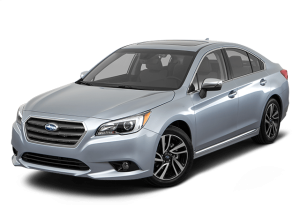
2016 Subaru Legacy and Outback Repair Manual
$16.90 Add to cart -
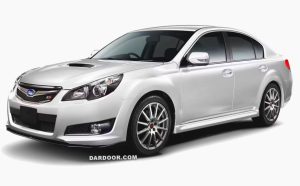
2010 Subaru Legacy Repair Manual
$16.90 Add to cart -
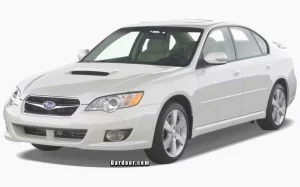
2008-2009 Subaru Legacy and Outback Repair Manual
$16.90 Add to cart -
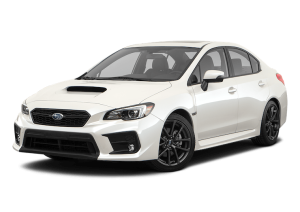
2019 Subaru WRX and WRX STI Repair Manual
$19.90 Add to cart -
2018 Subaru Legacy and Outback Repair Manual
$19.90 Add to cart