

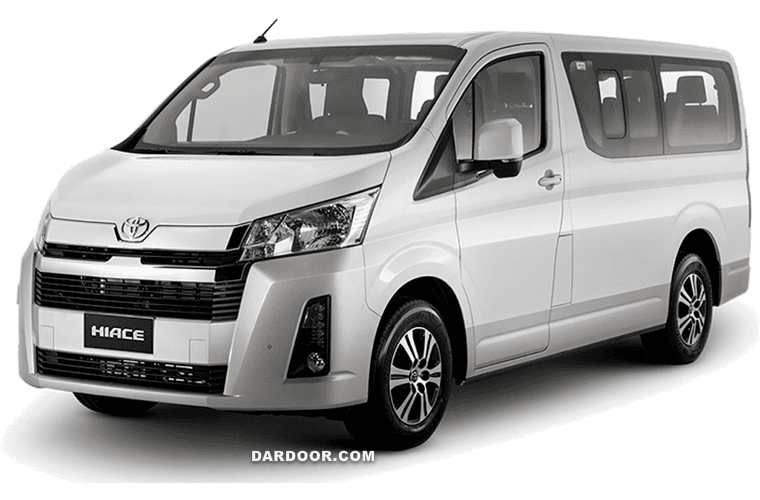
Get the OEM workshop document for the 2019-2022 Toyota Hiace repair manual with the wiring diagram, 6th generation (H300), wagon and van in PDF.
- You cannot add another "2004-2007 Toyota Sienna Repair Manual" to your cart. View cart
2019-2022 Toyota Hiace Repair Manual
$30.00
Unlock comprehensive repair and maintenance guidance for your 2019-2022 Toyota Hiace with this detailed OEM workshop document. Tailored for the 6th generation (H300) Hiace, this PDF includes:
- Complete Repair Manual: Step-by-step instructions for diagnosing and fixing common issues.
- Wiring Diagram: Clear and precise schematics to assist with electrical troubleshooting and repairs.
- Coverage for Wagon and Van Models: All pertinent details for both wagon and van configurations.
Ensure your Hiace remains in top condition with this essential repair manual, perfect for both professional mechanics and DIY enthusiasts.
| File Format | |
| File Language | English |
| You”ll Get | 114.5 MB |
| Pages Count | 2,784 |
| Searchable and Printable | YES |
| Wiring Diagram | Included |
| Delivery method | Instant Download |
Engines Covered: –
Transmission: –
Please check the contents and note that the size of this file is large, make sure to have a reliable source of internet connection before you download it.
This manual provides detailed instructions for maintenance, disassembly, reassembly, component inspection, adjustment, and diagnostics—intended for use by experienced mechanics. Proper application of this guide will help ensure thorough repairs and maintain your vehicle in peak condition.
Important Note: Before purchasing this manual, please check whether your vehicle is subject to any active service recalls, as authorized dealerships may perform necessary repairs free of charge. When replacing parts, always use genuine OEM components to ensure safety, reliability, and long-term performance.
Table of Contents : 2019-2022 Toyota Hiace Repair Manual
Sample Pages
CAUTION: This OEM service and workshop repair manual provides detailed procedures for maintenance, disassembly, reassembly, inspection, adjustment, and diagnostics. It is intended as a comprehensive guide for experienced mechanics. To ensure thorough and accurate repairs that maintain your vehicle’s optimal performance, please read and follow this manual carefully. When replacing parts during any repair work, always use genuine Toyota parts to ensure quality, safety, and reliability.
2019–2022 TOYOTA HIACE: COMPREHENSIVE BUYER’S GUIDE
OVERVIEW
The 2019 Toyota Hiace marked the introduction of the sixth-generation model, ending the cab-over design and beginning a hooded model approach. This generation represents a major evolution from previous models with improved safety, comfort, and modern features.
Body Styles:
- Long Wheelbase (LWB) – Available in Van, Crew Van configurations
- Super Long Wheelbase (SLWB) – Van and Commuter variants
- Multiple seating configurations: 3-seat, 12-seat, and 15-seat options
Market Position: Commercial van/people mover designed for business transport, family use, and fleet operations across global markets including Australia, Asia, Middle East, and Africa.
TECHNICAL SPECIFICATIONS
Engine Options
The Hiace is equipped with Toyota’s 2.8-liter 1GD-FTV 16-valve DOHC inline-4 turbo diesel engine producing between 120-130kW (161-174hp) and 420-450Nm of torque, with power figures varying between transmission options.
Primary Engine (Global):
- 2.8L 1GD-FTV Turbo Diesel I4
- Power: 120-130kW (161-174hp) @ 3,400-3,600 rpm
- Torque: 420-450Nm @ 1,000-3,400 rpm
- Fuel type: Diesel
Alternative Engines (Market-specific):
- 2.7L petrol I4 (118kW/243Nm) – Select markets
- 3.0L 1KD-FTV turbo diesel (100-118kW) – Southeast Asia
- 3.5L 7GR-FKS V6 petrol (207kW/351Nm) – Middle East
Transmission
Available with 6-speed manual or 6-speed automatic with manual mode transmissions.
Drivetrain
All variants feature rear-wheel drive.
Dimensions & Capacity
- Wheelbase: 2,570-3,860mm (depending on LWB/SLWB)
- Ground Clearance: 195mm
- Cargo Volume: Up to 6,200L
- Fuel Tank: 70L
- Curb Weight: 1,790-2,100kg (varies by configuration)
Safety Features
Toyota Safety Sense standard equipment includes Automatic High Beam, Lane Departure Alert, and Pre-Collision Safety system.
TOP 10 MECHANICAL & ELECTRICAL ISSUES
1. Diesel Particulate Filter (DPF) Clogging
Symptoms:
- Flashing DPF warning light with limp mode activation
- Loss of power during acceleration
- Black smoke from exhaust
- Increased fuel consumption
- Engine warning light illuminated
Root Cause: DPF blockages commonly arise due to the vehicle’s design and driving habits, with poor-quality fuel, bad driving habits, and fuel system contamination contributing to DPF problems. Short-trip city driving prevents proper regeneration cycles.
Fix:
- Perform forced regeneration using diagnostic tools, inspect EGR valve for carbon buildup, and ensure turbocharger operates correctly
- Manual DPF cleaning/replacement if severely clogged
- DPF manual regeneration switches fitted as standard from February 2019
Cost: $500-$3,000 (depending on cleaning vs. replacement)
2. Turbocharger Failure
Symptoms:
- Thick white or gray smoke when starting, progressing to black smoke during acceleration
- Decreased fuel economy
- Whistling noise under load
- Loss of power
Root Cause: Oil starvation, contamination from DPF issues, or worn turbo bearings causing seal failure.
Fix:
- Turbocharger inspection and replacement
- Oil and filter change
- Check oil supply lines
Cost: $1,500-$4,000
3. Automatic Transmission Bearing Wear
Symptoms:
- Weird noise when slowing down from highway speeds indicating worn-out transmission bearing
- Grinding or whining sounds
- Difficulty shifting
- Transmission slipping
Root Cause: High mileage wear, lack of transmission fluid maintenance, or manufacturing defects in certain production batches.
Fix:
- Transmission bearing replacement
- Complete transmission overhaul if severe
- Transmission fluid flush
Cost: $2,000-$5,500
4. Clutch Failure (Manual Transmission)
Symptoms:
- Slipping clutch during acceleration
- Difficulty engaging gears
- Burning smell
- High biting point
Root Cause: Normal wear from heavy loads, stop-and-go traffic, or improper driving technique. Commercial use accelerates wear.
Fix:
- Complete clutch kit replacement (disc, pressure plate, release bearing)
Cost: $800-$1,800
5. Fuel Injector Problems
Symptoms:
- Rough idle
- Hard starting, especially when cold
- Black smoke from exhaust
- Decreased fuel economy
- Engine misfires
Root Cause: Carbon buildup from poor fuel quality, clogged injector nozzles, or electrical connection failures.
Fix:
- Injector cleaning service
- Injector replacement if cleaning fails
- Fuel system flush
Cost: $300-$2,500 (cleaning to full replacement)
6. Starter Motor Failure
Symptoms:
- Starter motor malfunctions preventing engine cranking
- Clicking sound when turning key
- No response when ignition turned
- Intermittent starting issues
Root Cause: Current overload where starter motor draws more current than relay is designed to handle, causing relay contacts to overheat and burn out, or internal component wear from repeated use.
Fix:
- Starter motor replacement
- Starter relay inspection/replacement
- Battery and charging system check
Cost: $400-$900
7. Alternator/Charging System Issues
Symptoms:
- Battery warning light illuminated
- Dim headlights
- Battery repeatedly dying
- Electrical accessories malfunctioning
Root Cause: A damaged alternator cannot charge the battery from the engine while the vehicle is running, depleting it until completely dead. Voltage regulator failure or worn brushes.
Fix:
- Alternator replacement
- Voltage regulator replacement
- Drive belt inspection and replacement
Cost: $500-$1,200
8. EGR Valve Carbon Buildup
Symptoms:
- Rough idle
- Reduced power
- Increased emissions
- Check engine light
- Poor fuel economy
Root Cause: Carbon deposits accumulating in EGR valve from diesel combustion, blocking proper operation.
Fix:
- EGR valve cleaning
- EGR valve replacement if severely clogged
- Intake manifold cleaning
Cost: $250-$800
9. Rear Differential Seal Leakage
Symptoms:
- Oil puddles under rear of vehicle
- Whining noise from rear axle
- Low differential fluid levels
- Gear engagement issues
Root Cause: Seal failures may occur due to something bent or damaged placing undue force on the seal, causing premature failure. Normal wear or improper installation.
Fix:
- Differential seal replacement
- Differential fluid change
- Axle alignment check
Cost: $300-$700
10. Air Conditioning Compressor Failure
Symptoms:
- Air conditioning issues including weak cooling or no cooling
- Unusual noises from A/C system
- A/C clutch not engaging
- Warm air from vents
Root Cause: Refrigerant leaks, compressor bearing failure, electrical issues, or clutch coil failure from tropical/hot climate use.
Fix:
- A/C system diagnosis
- Compressor replacement
- Refrigerant recharge
- O-ring and seal replacement
Cost: $800-$2,000
TOP 5 COMPETITORS
1. Nissan NV350 Urvan
A spacious and durable van often used for commercial purposes.
- Engine: 2.5L diesel (129hp, 356Nm)
- Pros: Lower initial cost, good torque, 15-passenger capacity
- Cons: Less power than Hiace, manual-only in some markets, smaller features list
2. Ford Transit
Known for its strong build and cargo capacity, competing directly in the van market.
- Engine: Multiple options including 2.0L EcoBlue diesel
- Pros: Strong Western brand support, excellent cargo configurations, modern tech
- Cons: Higher maintenance costs, less fuel-efficient than Hiace
3. Mercedes-Benz Vito/Metris
A versatile van offering similar interior space and functionality.
- Engine: 2.1L diesel or 2.0L petrol
- Pros: Premium interior, advanced safety, European engineering
- Cons: Significantly higher purchase and maintenance costs
4. Hyundai H-1/Staria
- Engine: 2.5L diesel (170hp)
- Pros: Competitive pricing, modern design, good warranty
- Cons: Less proven reliability than Hiace, smaller dealer network in some markets
5. Renault Master
- Engine: 2.3L dCi diesel
- Pros: Large cargo volume, competitive pricing, good driving dynamics
- Cons: Parts availability concerns in some markets, less reliable than Japanese alternatives
TOP 10 RECALLS, ADVISORIES & TSB HIGHLIGHTS
Recall 1: Fuel Pump Failure (2019-2020)
Recall campaign VGG05 issued in November 2020 for Toyota Hiace vehicles manufactured from February 2019 to July 2019, where the low-pressure fuel pump could stop operating, potentially causing engine stall and preventing restart.
Action: Dealers replace low-pressure fuel pump assembly free of charge.
TSB 1: DPF Class Action Settlement
On April 7, 2022, judgment in the initial trial of the DPF class action was delivered affecting customers who purchased/leased diesel HiLux, Prado, Fortuner and Hiace vehicles from October 1, 2015 to April 20, 2020 fitted with a DPF.
Resolution: Toyota retrofitted manual DPF regeneration switches to affected vehicles.
TSB 2: DPF Manual Regeneration Switch
Diesel Particulate Filter manual regeneration switches fitted as standard production features on Hiace from June 2016, and new generation Hiace from February 2019.
Action: Owners can manually initiate DPF regeneration to prevent clogging.
Advisory 3: DPF Maintenance for City Driving
Issue: Regular long drives at highway speeds help maintain DPF health and prevent clogging.
Recommendation: Perform monthly highway drives (30+ minutes at 80+ km/h) or use manual regeneration switch.
TSB 4: Transmission Bearing Noise
Issue: Some automatic transmission units exhibit bearing noise during deceleration.
Action: Dealers inspect and replace transmission bearings under warranty where applicable.
Advisory 5: Fuel Quality Requirements
Issue: Poor fuel quality accelerates DPF and injector problems.
Recommendation: Use only high-quality diesel fuel from reputable stations; avoid unknown suppliers.
TSB 6: Starter Motor Relay
Issue: Starter relay failures in certain production batches.
Action: Dealers inspect and replace faulty relays.
Advisory 7: Turbocharger Oil Feed
Issue: Oil feed line restrictions can cause premature turbo failure.
Recommendation: Use only Toyota-specified engine oil; change oil at recommended intervals.
TSB 8: Alternator Voltage Regulator
Issue: Some alternators experience premature voltage regulator failure.
Action: Dealers test charging system and replace alternator if voltage regulation fails.
Advisory 9: Clutch Replacement Intervals
Issue: Heavy commercial use accelerates clutch wear.
Recommendation: Inspect clutch every 60,000 km; expect replacement at 80,000-120,000 km for commercial use.
TSB 10: EGR Valve Cleaning
Issue: Carbon buildup in EGR valves affects performance.
Recommendation: EGR cleaning service every 80,000 km or as needed based on driving conditions.
MAINTENANCE SCHEDULE
Every 5,000 km or 6 Months (Whichever First)
- Engine oil and filter change
- Visual inspection of drive belts
- Tire rotation and pressure check
- Brake system inspection
- Fluid level checks (coolant, brake, power steering)
Every 10,000 km or 12 Months
- Air filter inspection (replace if dirty)
- Cabin air filter replacement
- Battery condition check
- Wiper blade inspection
Every 20,000 km or 24 Months
- Fuel filter replacement
- Drive belt replacement (if worn)
- Brake pad/shoe inspection and measurement
- Exhaust system inspection
- DPF inspection (diesel models)
Every 40,000 km or 48 Months
- Spark plugs (petrol models)
- Transmission fluid inspection
- Differential oil change
- Coolant system inspection
- Suspension component inspection
Every 60,000 km or 60 Months
- Transmission fluid replacement (automatic)
- Manual transmission oil change
- Timing belt inspection (some engines)
- Valve clearance adjustment (if required)
Every 80,000 km or Annually
- EGR valve cleaning (diesel)
- Fuel injector service
- Brake fluid replacement
- Power steering fluid replacement
Every 100,000 km or 10 Years
- Coolant replacement
- Timing belt replacement (belt-driven engines)
- Major inspection of all systems
Special Operating Conditions: More frequent service required for:
- Frequent short trips
- Dusty/sandy conditions
- Towing or heavy loads
- Extreme temperatures
- Commercial/fleet use
10 BUYER FAQs
1. Is the 2019-2022 Hiace reliable?
Yes, the Hiace has Toyota’s legendary reliability reputation. However, the 2.8L diesel engine’s DPF system requires proper maintenance and driving habits. Expect 300,000+ km with proper care.
2. What’s the fuel economy?
Real-world diesel consumption ranges from 8-11 L/100km depending on load, driving conditions, and configuration. Automatic transmissions consume slightly more than manuals.
3. Should I buy manual or automatic?
Manual: Better for commercial use, lower maintenance costs, more driver control. Automatic: Better for city driving, passenger comfort, easier in traffic.
4. How do I prevent DPF problems?
- Take weekly highway drives (30+ minutes at 80+ km/h)
- Use manual regeneration button monthly
- Use high-quality diesel fuel
- Avoid short trips when possible
- Service DPF system at recommended intervals
5. What’s the best variant for families?
The GL Grandia or Commuter variants with 12-14 seats offer the best balance of passenger comfort, features, and practicality for family use.
6. Can the Hiace tow?
Yes, towing capacity varies by model but generally ranges from 750-2,000 kg depending on configuration and local regulations. Check your specific market’s ratings.
7. How expensive is maintenance?
Routine maintenance is reasonable ($200-400 per service). Major services cost $600-1,000. Parts are widely available and competitively priced due to global popularity.
8. What should I look for when buying used?
- Complete service history (especially DPF maintenance)
- DPF warning light behavior
- Transmission operation (smooth shifting, no noise)
- Turbocharger condition (no smoke, whistling)
- Rust underneath (especially in coastal areas)
- Oil leaks from engine and differential
9. Is the Hiace good for long-distance travel?
Yes, excellent for long trips. The 2.8L diesel is efficient on highways, and SLWB models offer comfortable seating for extended journeys. Ride quality is firm but acceptable.
10. What’s the resale value like?
Excellent. Hiace vehicles hold value exceptionally well due to Toyota’s reputation and strong global demand. Expect 60-70% retention after 3 years with average mileage.
FINAL BUYER RECOMMENDATIONS
✅ BUY IF:
- You need proven reliability: The Hiace offers legendary Toyota durability with proper maintenance.
- Commercial/fleet use: Perfect for shuttle services, delivery, trades, or passenger transport with low operating costs.
- You drive regularly on highways: The diesel engine and DPF system perform best with regular long-distance driving.
- Parts availability matters: Global popularity means parts and service readily available worldwide.
- Resale value is important: Hiace vehicles retain value better than most competitors.
- You want versatility: Multiple configurations suit various needs from cargo to passenger transport.
❌ AVOID IF:
- Primarily short city trips: DPF issues will plague vehicles used mainly for short urban journeys under 10 km.
- You want premium comfort: Competitors like Mercedes Vito offer more refined ride quality and interior materials.
- Budget is extremely tight: Initial purchase price higher than some competitors; consider used Hiace or budget alternatives.
- You need car-like handling: This is a commercial van with truck-like dynamics, not an SUV.
- Maximum power is priority: The 2.8L diesel is adequate but not powerful; competitors offer stronger engines.
BEST VARIANTS TO CONSIDER:
For Families: GL Grandia Tourer (automatic, comfortable, well-equipped)
For Business: LWB Van (automatic, practical, economical)
For Shuttle Services: SLWB Commuter (12-15 seats, durable, efficient)
For Cargo: LWB Van 4-door (maximum cargo space, practical loading)
MAINTENANCE BUDGET:
- Year 1: $800-1,200 (routine services)
- Year 2: $1,000-1,500 (routine + filters)
- Year 3: $1,500-2,500 (routine + major service items)
- Years 4-5: $1,200-2,000 annually
Budget $400-600 annually for contingencies (wear items, minor repairs).
Our Final Verdict
The 2019-2022 Toyota Hiace represents one of the most reliable commercial vans available, especially for buyers who understand its DPF maintenance requirements and drive patterns. It’s an excellent purchase for: businesses, large families, and anyone needing durable, practical transportation who can commit to proper maintenance schedules and regular highway driving.
The DPF issue is manageable with proper driving habits and the factory-installed manual regeneration switch. Don’t let DPF concerns deter you if you drive regularly on highways or can commit to monthly regeneration cycles.
Final Grade: 8.5/10 – Excellent reliability, versatility, and value with minor deductions for DPF complexity and firm ride quality.
| File Format | |
|---|---|
| File Language | English |
| You'll Get | 114.5 MB |
| Page Count | 2,784 |
| Instant Download | YES |
| Wiring Diagram Included | YES |
Related products
-
2006 Toyota Camry Solara Wiring Diagram
$14.90 Add to cart -
2008-2015 Toyota Tundra Repair Manual
$36.00 Add to cart -
2007 Toyota Yaris Repair Manual
$16.90 Add to cart -

2009-2011 Toyota Venza Repair Manual
$19.90 Add to cart -
Sale!
Free Download: Toyota Tacoma Wiring Diagram (2005-2006)
Original price was: $16.90.$0.00Current price is: $0.00. Add to cart -
2007 Toyota Sienna Wiring Diagram
$16.90 Add to cart -

2011-2012 Toyota RAV4 Repair Manual
$16.90 Add to cart -
Sale!
Free 2007 Toyota Prius Hybrid Wiring Diagram
Original price was: $16.90.$0.00Current price is: $0.00. Add to cart