

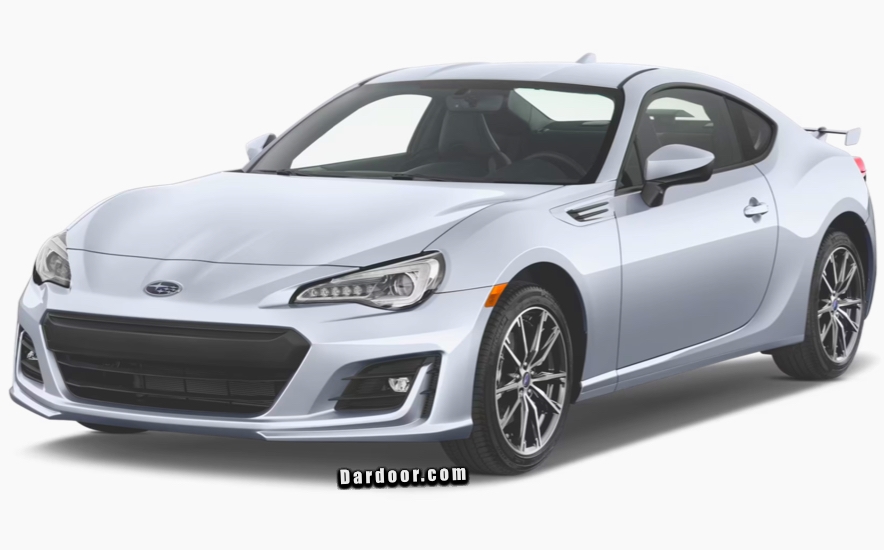
This is the original OEM service and workshop repair manual for the 2017 Subaru BRZ, presented in a simple PDF file format.
2017 Subaru BRZ Repair Manual
$16.90
This is the original OEM service and workshop repair manual for the 2017 Subaru BRZ, presented in a simple PDF file format. It contains all the comprehensive repair, maintenance, and diagnostic procedures used by your local Subaru dealership mechanics.
Models Covered
- 2017 Subaru BRZ
- Both Manual and Automatic Transmission models.
Engine Covered
- 2.0L Flat-4 (Boxer) Engine
- Naturally aspirated engine with precise repair and diagnostic information.
| File Format | |
| File Language | English |
| You’ll Get | 182 MB |
| Page Count | 4,182 |
| Delivery Method | Instant Download |
Manual Features
- Comprehensive Coverage: Detailed step-by-step instructions for repairs, troubleshooting, and diagnostics.
- OEM Approved: Same manual used by Subaru dealership technicians for all service and repair procedures.
- Electrical Diagrams: Complete wiring diagrams for the electrical systems.
- PDF Format: Easy to read and access across all devices for efficient referencing.
Why Choose This Manual?
- OEM Quality: Directly from Subaru, with the same guidelines used by dealership technicians.
- Complete & Reliable: Covers all aspects of repair, from basic maintenance to complex systems.
- User-Friendly PDF Format: Can be accessed on multiple devices, with easy navigation to find what you need quickly.
Who Should Use This Manual?
- Subaru BRZ Owners: Perfect for DIY repairs and understanding your vehicle’s systems.
- Professional Technicians: A comprehensive resource for troubleshooting and service at the shop.
- Mechanics-in-Training: Learn about Subaru systems with this professional-level guide.
Download Now
Get the 2017 Subaru BRZ OEM Service and Workshop Repair Manual in PDF format and access the same trusted information used by Subaru professionals to ensure your car runs at its best. Whether you’re maintaining or repairing your vehicle, this manual is your go-to guide!
This manual provides detailed instructions for maintenance, disassembly, reassembly, component inspection, adjustment, and diagnostics—intended for use by experienced mechanics. Proper application of this guide will help ensure thorough repairs and maintain your vehicle in peak condition.
Important Note: Before purchasing this manual, please check whether your vehicle is subject to any active service recalls, as authorized dealerships may perform necessary repairs free of charge. When replacing parts, always use genuine OEM components to ensure safety, reliability, and long-term performance.
SAMPLE PAGES: 2017 Subaru BRZ Repair Manual
CAUTION: This OEM service and workshop repair manual provides detailed procedures for maintenance, disassembly, reassembly, inspection, adjustment, and diagnostics. It is intended as a comprehensive guide for experienced mechanics. To ensure thorough and accurate repairs that maintain your vehicle’s optimal performance, please read and follow this manual carefully. When replacing parts during any repair work, always use genuine Subaru parts to ensure quality, safety, and reliability.
Common Issues with the 2017 Subaru BRZ
Overview
The 2017 Subaru BRZ is a lightweight, rear-wheel-drive sports coupe developed jointly with Toyota (sold as the Toyota 86/Scion FR-S). It emphasizes driving dynamics and handling over raw power, making it a popular choice for driving enthusiasts.
Key Highlights:
- Naturally aspirated 2.0L boxer engine
- Low center of gravity for exceptional handling
- Affordable entry into RWD sports car ownership
- 2+2 seating configuration
- Manual or automatic transmission options
Technical Specifications
Engine:
- Type: 2.0L horizontally-opposed (boxer) 4-cylinder
- Horsepower: 205 hp @ 7,000 rpm
- Torque: 156 lb-ft @ 6,400-6,600 rpm
- Compression Ratio: 12.5:1
- Fuel Type: Premium gasoline recommended
Transmission:
- 6-speed manual (standard)
- 6-speed automatic with paddle shifters (optional)
Performance:
- 0-60 mph: ~6.4 seconds (manual), ~7.6 seconds (automatic)
- Top Speed: ~140 mph (electronically limited)
- Fuel Economy: 21/29/24 mpg (city/highway/combined) with manual; 24/33/27 mpg with automatic
Dimensions:
- Length: 166.7 inches
- Width: 69.9 inches
- Height: 50.6 inches
- Wheelbase: 101.2 inches
- Curb Weight: 2,764 lbs (manual), 2,806 lbs (automatic)
- Ground Clearance: 4.9 inches
Drivetrain:
- Layout: Front-engine, rear-wheel drive
- Limited-slip differential (Torsen on manual, helical on automatic)
Suspension:
- Front: MacPherson strut with coil springs
- Rear: Double wishbone with coil springs
Brakes:
- Front: 11.6-inch ventilated discs
- Rear: 11.4-inch ventilated discs
- ABS standard
Wheels & Tires:
- 17-inch aluminum alloy wheels
- Tires: 215/45R17
Fuel Capacity: 13.2 gallons
Seating Capacity: 4 (2+2 configuration)
Cargo Volume: 6.9 cubic feet
Top 10 Mechanical and Electrical Issues
1. Cricket/Chirping Noise from Fuel Pump
-
- Symptoms: High-pitched chirping or cricket-like noise from rear of vehicle, especially noticeable at idle or low speeds
- Root Cause: Defective fuel pump design causing resonance and vibration
- Fix: Replace fuel pump assembly with updated part
- Cost: $400-$800 (parts and labor)
2. Valve Spring Failure
-
- Symptoms: Engine misfires, rough idle, loss of power, check engine light, potential catastrophic engine damage if spring breaks
- Root Cause: Defective valve springs that can break prematurely, particularly on 2013-2016 models (but some 2017s affected)
- Fix: Replace all valve springs with updated parts; may require engine disassembly
- Cost: $2,000-$4,000+ (significant labor involved)
3. Throwout Bearing Noise (Manual Transmission)
-
- Symptoms: Squealing, chirping, or grinding noise when clutch pedal is depressed or released; noise disappears when pedal is fully engaged
- Root Cause: Premature wear of throwout/release bearing, often due to design or lubrication issues
- Fix: Replace throwout bearing and potentially clutch assembly
- Cost: $800-$1,500 (labor-intensive; requires transmission removal)
4. Touchscreen Freezing/Unresponsive
-
- Symptoms: Infotainment screen freezes, becomes unresponsive, restarts randomly, or displays glitches
- Root Cause: Software bugs or faulty head unit
- Fix: Software update or head unit replacement
- Cost: $0-$1,200 (software update free at dealer; replacement if hardware fault)
5. Engine Oil Consumption
-
- Symptoms: Low oil level between changes, blue smoke from exhaust, need to add oil frequently
- Root Cause: Piston ring design allows excessive oil consumption, particularly in high-RPM driving
- Fix: Monitor oil levels regularly; severe cases may require piston ring replacement or engine rebuild
- Cost: $50-$100 for monitoring/top-ups; $3,000-$6,000+ for engine work
6. Steering Wheel Off-Center
-
- Symptoms: Steering wheel not centered when driving straight, vehicle pulls to one side
- Root Cause: Improper alignment from factory or alignment drift
- Fix: Professional 4-wheel alignment
- Cost: $100-$200
7. Door Lock Actuator Failure
-
- Symptoms: Doors won’t lock/unlock with key fob or power lock button, clicking noise from door, intermittent operation
- Root Cause: Worn or failed door lock actuator motor
- Fix: Replace door lock actuator
- Cost: $150-$400 per door (parts and labor)
8. AC Compressor Clutch Failure
-
- Symptoms: AC not blowing cold air, grinding or squealing noise from engine bay, AC compressor not engaging
- Root Cause: Clutch bearing failure or electrical issues preventing engagement
- Fix: Replace AC compressor clutch or entire compressor assembly
- Cost: $500-$1,200
9. Fuel Injector Ticking/Clicking
-
- Symptoms: Loud ticking or clicking noise from engine, particularly noticeable at idle
- Root Cause: Normal direct-injection fuel injector operation, but can become excessive with age or carbon buildup
- Fix: Often normal; cleaning or replacing injectors if excessive
- Cost: $300-$800 for cleaning; $800-$1,500 for replacement
10. Battery Drain Issues
-
- Symptoms: Dead battery after vehicle sits for a few days, difficulty starting, electrical accessories not working
- Root Cause: Parasitic drain from aftermarket accessories, faulty alternator, or weak battery
- Fix: Diagnose parasitic drain, replace battery or alternator as needed
- Cost: $150-$300 for battery; $400-$700 for alternator
Top 5 Competitors
1. Mazda MX-5 Miata
- Pros: Lighter, convertible option, sharp handling, more engaging at legal speeds
- Cons: 2-seater only, less power, minimal cargo space
- Price Range: Similar ($26K-$32K new in 2017)
2. Ford Mustang EcoBoost
- Pros: More power (310 hp), modern tech, larger interior, extensive aftermarket
- Cons: Heavier, higher running costs, less nimble
- Price Range: $26K-$35K (new in 2017)
3. Volkswagen GTI
- Pros: More practical (hatchback), excellent daily driver, refined interior, tunability
- Cons: FWD, heavier, more expensive maintenance
- Price Range: $26K-$35K (new in 2017)
4. Hyundai Veloster Turbo
- Pros: Unique styling, turbocharged, better warranty, lower cost
- Cons: FWD, quirky 3-door design, less engaging handling
- Price Range: $23K-$28K (new in 2017)
5. Nissan 370Z
- Pros: More power (332 hp), V6 engine, RWD sports car
- Cons: Heavier, older design, higher fuel costs, less modern interior
- Price Range: $30K-$45K (new in 2017)
Top 10 Recalls, Advisories & TSB Highlights
Recalls
1. Valve Spring Recall (2017)
- Issue: Defective valve springs that can break, causing engine damage or stalling
- Recall #: NHTSA 17V-134
- Fix: Inspect and replace valve springs as needed
2. Brake Light Switch Recall (2016-2017)
- Issue: Brake light switch may fail, preventing brake lights from illuminating
- Recall #: NHTSA 19V-120
- Fix: Replace brake light switch
3. Airbag Inflator Recall (Takata)
- Issue: Driver-side airbag inflator may explode, sending metal fragments into cabin
- Recall #: Multiple NHTSA recalls
- Fix: Replace airbag inflator
Technical Service Bulletins (TSBs)
4. TSB 02-157-16R: Cricket Noise from Fuel Tank
- Issue: Chirping noise from fuel pump
- Fix: Replace fuel pump with updated part
5. TSB 05-80-14: Driveline Clunk/Thud
- Issue: Clunking noise from rear differential during acceleration/deceleration
- Fix: Replace differential components or adjust backlash
6. TSB 11-186-17R: Rattle from Speaker Area
- Issue: Rattling noise from door speakers at certain frequencies
- Fix: Install foam inserts or replace speakers
7. TSB 15-181-16: Wind Noise from Door Mirrors
- Issue: Excessive wind noise at highway speeds
- Fix: Adjust or replace door mirror assemblies
8. TSB 12-79-14: Clutch Pedal Squeak (Manual)
- Issue: Squeaking noise from clutch pedal during operation
- Fix: Lubricate clutch pedal pivot points
9. TSB 16-138-17: Bluetooth Connectivity Issues
- Issue: Phone won’t pair or drops connection frequently
- Fix: Software update for infotainment system
10. TSB 02-168-17: Transmission Gear Grinding (Manual)
- Issue: Difficulty shifting into 2nd gear or grinding when cold
- Fix: Replace transmission fluid with updated specification; replace synchronizers if severe
Maintenance Schedule
Every 6,000 Miles or 6 Months
- Engine oil and filter change (conventional oil; 3,000-5,000 miles with synthetic recommended)
- Tire rotation
- Visual inspection of brakes, suspension, exhaust
Every 12,000 Miles or 12 Months
- Cabin air filter replacement
- Inspect brake pads and rotors
- Check all fluid levels
Every 30,000 Miles
- Engine air filter replacement
- Inspect drive belts
- Transmission fluid inspection (manual)
- Differential fluid inspection
Every 36,000 Miles
- Replace spark plugs
- Inspect fuel lines and connections
- Check battery condition
Every 60,000 Miles
- Replace engine coolant
- Replace transmission fluid (manual)
- Replace differential fluid
- Replace brake fluid
- Inspect valve clearance
Every 100,000 Miles
- Timing chain inspection (not replacement unless issues)
- Comprehensive suspension inspection
- Consider replacing water pump preventatively
As Needed
- Brake pad replacement (typically 30,000-50,000 miles)
- Battery replacement (3-5 years)
- Tire replacement (25,000-50,000 miles depending on driving style)
- Clutch replacement if manual (50,000-100,000+ miles depending on driving)
10 FAQs for Buyers
Q1: Is the 2017 BRZ reliable? A: Generally yes, with proper maintenance. The main concerns are the valve spring issue (check if recall was completed), fuel pump noise, and potential oil consumption. Overall reliability is good compared to other sports cars.
Q2: Is the BRZ too slow? A: The BRZ has 205 hp, which isn’t impressive on paper. However, it’s designed for handling and driver engagement rather than straight-line speed. It feels quick in corners but can feel sluggish on highway on-ramps. Test drive to see if it meets your expectations.
Q3: Manual or automatic transmission? A: The manual is highly recommended for the full driving experience—it has a great shifter feel and suits the car’s character. The automatic is adequate but removes much of the engagement that makes the BRZ special.
Q4: What kind of fuel economy should I expect in real-world driving? A: Expect 22-26 mpg combined with spirited driving on the manual. The automatic can achieve 27-30 mpg with conservative driving. Premium fuel is recommended for best performance.
Q5: Is the BRZ practical as a daily driver? A: It can be, but with compromises. The firm suspension, road noise, and limited cargo/rear seat space make it less comfortable than a sedan or hatchback. Winter driving requires snow tires in cold climates.
Q6: How much does insurance cost? A: Insurance is typically moderate—categorized as a sports car but not as expensive as high-horsepower vehicles. Expect $1,200-$2,500/year depending on age, location, and driving record.
Q7: What should I look for when buying used? A: Check for: valve spring recall completion, service records showing regular oil changes, signs of modifications (could indicate hard use), clutch condition on manuals, tire wear patterns (indicates alignment/driving style), and accident history.
Q8: Can the BRZ handle winter/snow? A: Yes, with proper winter tires. The low weight, RWD, and limited-slip differential actually make it decent in snow with the right tires. However, low ground clearance (4.9″) can be problematic in deep snow.
Q9: What’s the difference between the BRZ, Toyota 86, and Scion FR-S? A: They’re mechanically identical triplets. Minor differences include suspension tuning, styling details, and interior trim. The BRZ typically has slightly softer suspension. Choose based on price and availability.
Q10: Is it expensive to modify? A: No—there’s a massive aftermarket with affordable options. Common upgrades include headers, exhaust, wheels/tires, coilovers, and forced induction (turbo/supercharger kits run $4,000-$8,000+).
Final Buyer Recommendations
Who Should Buy:
- Driving enthusiasts who prioritize handling over power
- Those seeking an affordable RWD sports car experience
- Buyers comfortable with a firm ride and compact interior
- People who enjoy manual transmissions
- Weekend track day participants or autocross competitors
Who Should Avoid:
- Buyers needing rear seat space for adults regularly
- Those wanting strong acceleration for highway driving
- People requiring significant cargo capacity
- Drivers seeking a soft, comfortable daily commuter
- Buyers unwilling to use premium fuel
Key Recommendations
- Verify Recall Completion: Ensure the valve spring recall was completed—this is critical for engine longevity.
- Get a Pre-Purchase Inspection: Have a mechanic inspect the valve train, clutch (if manual), and overall condition.
- Check Service History: Regular oil changes are crucial. Look for documented maintenance.
- Choose Manual if Possible: The manual transmission is the soul of this car unless you need automatic for commuting.
- Budget for Tires: High-performance or winter tires are expensive but necessary. Plan $600-$1,000 per set.
- Expect Oil Consumption: Check oil levels between changes—some consumption is normal in these engines.
- Test Drive Thoroughly: Drive on various roads (highway, twisty back roads, rough pavement) to ensure you’re comfortable with the ride quality.
- Consider Warranty Options: An extended warranty can provide peace of mind given potential valve spring and engine issues.
- Price Range: Expect to pay $15,000-$20,000 for a 2017 BRZ with average mileage (50,000-70,000 miles) in good condition.
- Alternatives: If you find the BRZ underpowered, consider waiting for a used 2022+ BRZ with the 2.4L engine (228 hp), or look at the Mustang EcoBoost for more power in a similar price range.
Bottom Line:
The 2017 Subaru BRZ is an excellent choice for enthusiasts who value driving dynamics over raw power. It’s reliable, fun, and affordable to own—but only if you can accept its compromises in comfort, space, and acceleration. The car rewards skilled driving and is ideal for those who want to improve their driving abilities or enjoy spirited back-road drives. Just ensure the valve spring recall is complete and you’re prepared for a firm, focused driving experience rather than a luxury cruiser.
Related products
-
2008-2009 Subaru Legacy and Outback Repair Manual
$16.90 Add to cart -
2016 Subaru Legacy and Outback Repair Manual
$16.90 Add to cart -
2012 Subaru Legacy and Outback Repair Manual
$16.90 Add to cart -
2017 Subaru Legacy and Outback Repair Manual
$16.90 Add to cart -
2009 Subaru Impreza Repair Manual
$16.90 Add to cart -
2020 Subaru WRX and WRX STI Repair Manual
$24.90 Add to cart -
Download 2014 Subaru Legacy and Outback Repair Manual
$15.90 Add to cart -
2011-2014 Subaru Tribeca Repair Manual
$19.90 Add to cart