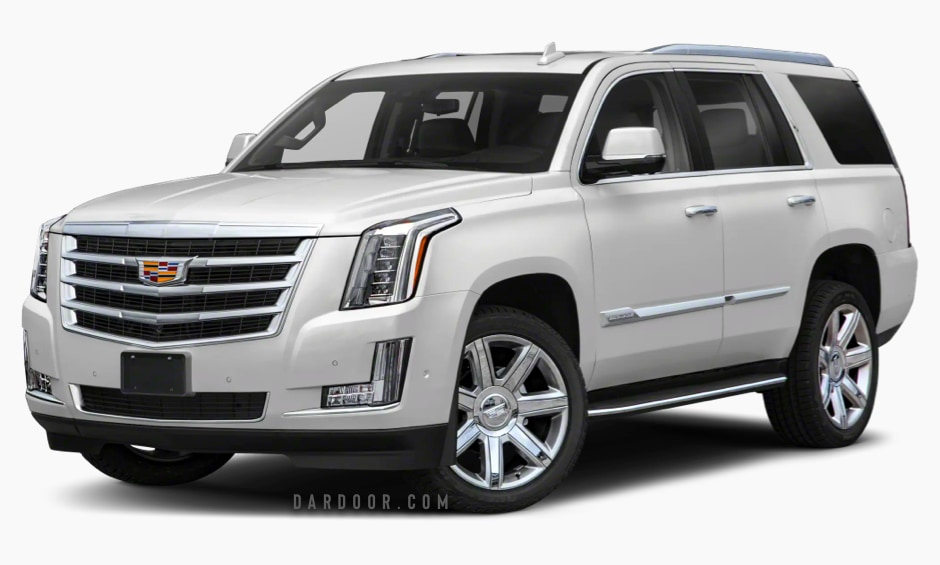
2015–2020 Cadillac Escalade (K2XX / GMT K2XX) — OEM Repair Manual + Wiring Diagrams (PDF)
Download the original OEM workshop service and repair manual for the 2015–2020 Cadillac Escalade (4th generation, GMT K2XX/K2XX platform). This fully indexed PDF includes factory repair procedures, diagnostic flowcharts, torque specifications, and complete wiring diagrams—the same professional-grade information used by dealership technicians.
| File Format |
PDF |
| File Language |
English |
| You’ll Get |
309 MB |
| Page Count |
13,754 |
| Wiring Diagram |
Included |
| Delivery Method |
Instant Download |
Work to factory standards—reduce guesswork and get repairs right the first time.
Key Features
- Complete OEM Coverage; Factory service and repair procedures for engine, transmission, drivetrain, chassis, body, and electronics.
- Wiring Diagrams Included; Power distribution, grounds, connectors, pinouts, modules, and network wiring for accurate diagnostics.
- Diagnostics & DTCs; Dealer troubleshooting steps, test values, and flowcharts to identify faults quickly.
- Searchable PDF; Easy navigation with indexing—view on any device and print only the pages you need.
What’s Inside
- Maintenance schedules, fluids, capacities, and torque specifications
- Engine mechanical, cooling, lubrication, fuel & emissions systems
- Automatic transmission and drivetrain/4WD service (where equipped)
- Brakes (ABS/ESC), suspension, steering, and alignment procedures
- Electrical: wiring diagrams, connector views, grounds, and module locations
- Body, interior, HVAC, lighting, and safety systems (SRS/airbags)
- Diagnostic Trouble Codes (DTCs) with troubleshooting and repair steps
Download & Compatibility
Delivery: Instant digital PDF download
Compatibility: Windows • macOS • iOS • Android
This manual provides detailed instructions for maintenance, disassembly, reassembly, component inspection, adjustment, and diagnostics—intended for use by experienced mechanics. Proper application of this guide will help ensure thorough repairs and maintain your vehicle in peak condition.
Important Note: Before purchasing this manual, please check whether your vehicle is subject to any active service recalls, as authorized dealerships may perform necessary repairs free of charge. When replacing parts, always use genuine OEM components to ensure safety, reliability, and long-term performance.
Table Of Contents : 2015-2020 Cadillac Escalade Repair Manual

Sample Pages
CAUTION: This OEM service and workshop repair manual provides detailed procedures for maintenance, disassembly, reassembly, inspection, adjustment, and diagnostics. It is intended as a comprehensive guide for experienced mechanics. To ensure thorough and accurate repairs that maintain your vehicle’s optimal performance, please read and follow this manual carefully. When replacing parts during any repair work, always
use genuine GMC parts to ensure quality, safety, and reliability.
2015-2020 Cadillac Escalade: Comprehensive Guide
Overview
The 2015-2020 Cadillac Escalade is a full-size luxury SUV representing the fourth generation of Cadillac’s flagship vehicle. It underwent a significant redesign in 2015 and remained largely unchanged through 2020.
Key Highlights
- Generations: Fourth generation (K2XX platform)
- Body Styles: Standard wheelbase, ESV (extended), hybrid discontinued after 2013
- Seating: 7-8 passengers depending on configuration
- Luxury Focus: Premium materials, advanced technology, commanding presence
Technical Specifications
Engine Options
Standard Engine (2015-2020)
- Type: 6.2L V8 EcoTec3
- Horsepower: 420 hp @ 5,600 rpm
- Torque: 460 lb-ft @ 4,100 rpm
- Fuel Type: Regular unleaded (premium recommended)
- Fuel Economy: 14-16 mpg city / 21-23 mpg highway (RWD); 14-15/21 (4WD)
Optional Engine (2015 only)
- Type: 5.3L V8 EcoTec3
- Horsepower: 355 hp
- Torque: 383 lb-ft
- Note: Discontinued after 2015 model year
Transmission & Drivetrain
- Transmission: 8-speed automatic (8L90)
- Drivetrain: RWD standard; 4WD available with auto mode
- Towing Capacity: 8,300 lbs (standard); 8,100 lbs (ESV); 7,700-8,000 lbs (4WD)
Dimensions
Standard Wheelbase
- Length: 204 inches
- Width: 80.5 inches
- Height: 74.4 inches
- Wheelbase: 116 inches
- Curb Weight: 5,831-6,029 lbs
ESV (Extended)
- Length: 224.3 inches
- Wheelbase: 130 inches
- Curb Weight: 5,967-6,207 lbs
Cargo & Interior
- Cargo Volume (Standard): 15.2 cu ft (behind 3rd row) / 51.6 cu ft (behind 2nd row) / 94.2 cu ft (max)
- Cargo Volume (ESV): 39.3 / 76.7 / 120.9 cu ft
- Fuel Tank: 26 gallons (31 gallons ESV)
Suspension & Brakes
- Front Suspension: Independent, coil springs, stabilizer bar
- Rear Suspension: Multi-link with coil springs
- Brakes: 4-wheel disc with ABS, Brembo performance brakes available
- Optional: Magnetic Ride Control adaptive suspension
Technology & Features
- Infotainment: CUE (Cadillac User Experience) with 8-inch touchscreen
- Audio: Bose 16-speaker system standard; Bose Centerpoint available
- Driver Assistance: Available adaptive cruise, lane keep assist, automatic braking, blind spot monitoring
- Other: Power folding third row, power liftgate, tri-zone climate control
Top 10 Mechanical & Electrical Issues
1. Transmission Shuddering/Jerking (8L90)
Symptoms:
- Harsh shifts or shuddering during acceleration
- Hesitation when accelerating from stop
- Transmission slipping between gears
- Most common in 2015-2016 models
Root Cause:
- Inadequate transmission fluid causing valve body issues
- Torque converter clutch problems
- Software calibration issues
- Wave plate design flaws
Fix:
- Software update/reflash
- Transmission fluid flush with updated fluid
- Torque converter replacement in severe cases
- Wave plate replacement
Cost: $150-400 (fluid service/reflash) to $2,500-4,500 (torque converter replacement)
2. CUE Infotainment System Freezing/Malfunctioning
Symptoms:
- Touchscreen unresponsive or freezing
- System rebooting randomly
- Bluetooth connectivity issues
- Backup camera not displaying
- Climate controls not responding (integrated into CUE)
Root Cause:
- Software bugs and glitches
- Faulty touchscreen digitizer
- Overheating issues with system components
- Insufficient processing power for system demands
Fix:
- Hard reset (hold home and fast forward buttons)
- Software updates from dealer
- Touchscreen module replacement
- Complete CUE unit replacement in severe cases
Cost: $0 (software update) to $1,800-3,500 (full CUE replacement)
3. Cylinder Deactivation (Active Fuel Management) Issues
Symptoms:
- Excessive oil consumption (1 quart per 1,000-2,000 miles)
- Check engine light with misfire codes
- Rough idle or vibration
- Lifter noise/ticking
- Fouled spark plugs
Root Cause:
- AFM/DFM lifter failure
- Valve cover oil consumption through PCV system
- Carbon buildup on intake valves
- Oil pressure relief valve issues
Fix:
- AFM/DFM delete kit installation
- Lifter and camshaft replacement
- Updated valve covers with improved PCV system
- Regular oil changes with quality synthetic oil
- AFM disabler device (temporary solution)
Cost: $500-1,200 (AFM disabler/preventive maintenance) to $4,000-7,000 (lifter/camshaft replacement)
4. Air Suspension Compressor/Strut Failure
Symptoms:
- Vehicle sagging on one or more corners
- Suspension warning message
- Compressor running excessively or constantly
- Rough ride quality
- Inability to raise vehicle height
Root Cause:
- Air strut leaks (deteriorating air bladders)
- Compressor wear from overwork
- Air line leaks
- Height sensor failures
- Control module issues
Fix:
- Individual air strut replacement
- Air compressor replacement
- Air line repair/replacement
- Height sensor replacement
- Complete system replacement in severe cases
Cost: $800-1,500 per strut; $1,200-2,000 (compressor); $3,000-6,000 (complete system overhaul)
5. Water Pump Failure
Symptoms:
- Coolant leaks (often from weep hole)
- Engine overheating
- Whining or grinding noise from front of engine
- Steam from engine bay
- Low coolant warning light
Root Cause:
- Plastic impeller degradation
- Bearing failure
- Seal wear (common failure point on 6.2L)
- Premature wear due to extended coolant change intervals
Fix:
- Water pump replacement
- Thermostat replacement (recommended while accessing pump)
- Coolant system flush
- Drive belt replacement
Cost: $600-1,200 (DIY possible but labor-intensive) to $1,200-2,000 (professional installation)
6. Magnetic Ride Control Sensor/Strut Failures
Symptoms:
- “Service Suspension System” warning
- Check engine light with suspension codes
- Degraded ride quality
- Inability to change suspension modes
- Clunking noises over bumps
Root Cause:
- Position sensor failures
- Magnetic strut seal leaks
- Electronic control module issues
- Wiring harness corrosion
- Software glitches
Fix:
- Position sensor replacement
- Magnetic strut replacement
- Module reprogramming or replacement
- Wiring harness repair
Cost: $400-800 (sensor replacement) to $1,500-2,500 per strut (magnetic strut replacement)
7. Electrical System/Battery Drain Issues
Symptoms:
- Battery dies after sitting 24-48 hours
- Multiple electrical modules malfunctioning
- Random warning messages
- Accessories not functioning properly
- Difficulty starting
Root Cause:
- Parasitic draw from various modules (often radio/CUE system)
- Faulty power liftgate module
- Door lock actuators drawing power
- Alternator voltage regulator issues
- Battery sensor module failure
Fix:
- Parasitic draw testing and module isolation
- Software updates for affected modules
- Power liftgate module replacement
- Battery and alternator testing/replacement
- Module replacement for faulty components
Cost: $150-400 (diagnosis and battery) to $800-2,000 (module replacements)
8. Timing Chain Stretch/Noise
Symptoms:
- Rattling noise on cold start (first few seconds)
- Check engine light with timing-related codes
- Reduced engine performance
- Rough idle
- Noise typically goes away after warm-up
Root Cause:
- Timing chain stretch over time
- Timing chain tensioner wear
- Cam phaser issues
- Inadequate oil pressure during startup
- Extended oil change intervals
Fix:
- Timing chain, guides, and tensioner replacement
- Cam phaser replacement if needed
- Oil pump inspection/replacement
- Regular oil changes with quality synthetic oil (preventive)
Cost: $2,500-5,000 (timing chain replacement is labor-intensive)
9. HVAC Actuator Failures
Symptoms:
- Clicking or tapping noise from dashboard
- Temperature control not working properly
- Air only blowing from certain vents
- Fan speed issues
- Tri-zone climate control malfunction
Root Cause:
- Plastic actuator gear failure
- Motor wear
- Calibration issues
- Multiple actuators in system (8-10 total)
Fix:
- Individual actuator replacement (requires dashboard disassembly)
- System recalibration
- Multiple actuators may fail over time
Cost: $300-600 per actuator (parts + labor); $1,500-3,000 if multiple actuators fail
10. Power Steering Assist Fault
Symptoms:
- “Service StabiliTrak” and “Power Steering Assist Fault” warnings
- Heavy steering or loss of power assist
- Check engine light
- May be intermittent or permanent
- Often occurs during startup
Root Cause:
- Electric power steering motor failure
- Steering column position sensor issues
- Wiring harness problems
- Software calibration issues
- Control module failures
Fix:
- Software update/reprogramming
- Steering position sensor replacement
- Power steering control module replacement
- Electric power steering motor replacement
- Wiring harness repair
Cost: $200-500 (software/sensor) to $1,500-3,000 (steering motor/module replacement)
Top 5 Competitors
1. Lincoln Navigator (2015-2020)
- Engine: 3.5L twin-turbo V6 (450 hp)
- Advantages: More powerful, better fuel economy, quieter cabin, superior ride quality
- Disadvantages: Higher price, less towing capacity (until 2018 refresh)
- Price Range: $65,000-95,000 new
2. Mercedes-Benz GLS-Class (2017-2020)
- Engine: Various (362-577 hp depending on model)
- Advantages: Superior interior quality, advanced technology, better handling, prestige badge
- Disadvantages: Much higher maintenance costs, less cargo space, lower reliability ratings
- Price Range: $70,000-125,000 new
- Engine: 3.0L inline-6 or 4.4L V8 (335-523 hp)
- Advantages: Superior driving dynamics, modern technology, luxurious interior
- Disadvantages: Expensive, controversial styling, higher ownership costs, less cargo room
- Price Range: $75,000-100,000+ new
- Engine: 5.6L V8 (400 hp)
- Advantages: Strong V8, comfortable ride, lower price point, good reliability
- Disadvantages: Dated design and technology, poor fuel economy, less refined
- Price Range: $65,000-90,000 new
- Engine: 5.7L V8 (383 hp)
- Advantages: Legendary reliability, body-on-frame durability, strong off-road capability, resale value
- Disadvantages: Less powerful, outdated interior technology, poor fuel economy, truck-like handling
- Price Range: $85,000-97,000 new
Top 10 Recalls, Advisories & TSB Highlights
Recalls
1. NHTSA Recall 15V-542 (2015 Models)
- Issue: Transmission park pawl may not engage properly
- Risk: Vehicle may roll away when in Park
- Fix: Dealer inspection and part replacement if needed
- Affected: Approximately 1.6 million GM vehicles including Escalade
2. NHTSA Recall 16V-804 (2015-2016)
- Issue: Transmission shift cable may detach
- Risk: Gear position mismatch, rollaway risk
- Fix: Shift cable bushing replacement
- Affected: 2015-2016 Escalade models
3. NHTSA Recall 17V-723 (2015-2017)
- Issue: Brake vacuum pump may fail
- Risk: Reduced brake assist, increased stopping distance
- Fix: Vacuum pump replacement
- Affected: Vehicles with 6.2L engine
4. NHTSA Recall 18V-355 (2015-2018)
- Issue: Fuel pump control module software error
- Risk: Engine stall, crash risk
- Fix: Software update
- Affected: Various GM vehicles with 5.3L and 6.2L engines
5. NHTSA Recall 19V-678 (2019)
- Issue: Power steering assist may fail
- Risk: Increased steering effort, crash risk
- Fix: Software update and component inspection
- Affected: 2019 Escalade with specific production dates
6. NHTSA Recall 20V-031 (2015-2020)
- Issue: Low brake fluid warning light may not illuminate
- Risk: Reduced braking performance without warning
- Fix: Electronic brake control module software update
- Affected: Multiple model years
Technical Service Bulletins (TSBs)
7. TSB 18-NA-355 – Transmission Shudder
- Issue: 8-speed transmission shudder or harsh shifting
- Solution: Transmission fluid flush with updated fluid, software calibration
- Notes: Very common issue, multiple revisions to fix procedure
8. TSB 19-NA-206 – CUE System Performance
- Issue: Infotainment system freezing, slow response
- Solution: Software updates, hard reset procedures
- Notes: Ongoing issue throughout generation
9. TSB 17-NA-129 – AFM Lifter Noise
- Issue: Ticking or tapping noise from engine, often on cold start
- Solution: Valve cover replacement with updated design, lifter inspection
- Notes: Preventive measure; does not always solve problem
10. TSB 18-NA-223 – HVAC Clicking Noise
- Issue: Clicking or tapping from dashboard area
- Solution: Mode actuator replacement procedure
- Notes: Multiple actuators may need replacement over vehicle life
Maintenance Schedule
Every 7,500 Miles or 6 Months
- Oil and filter change (synthetic oil required)
- Tire rotation
- Brake inspection
- Fluid level checks (coolant, brake, power steering, windshield washer)
- Cabin air filter inspection
Every 15,000 Miles or 12 Months
- Cabin air filter replacement
- Inspect suspension components
- Inspect steering system
- Check tire pressure and condition
- Battery test
Every 30,000 Miles or 24 Months
- Replace engine air filter
- Inspect brake pads and rotors
- Differential fluid inspection (4WD)
- Inspect drive belts
- Coolant inspection
Every 45,000 Miles or 36 Months
- Replace spark plugs
- Transmission fluid inspection
- Replace fuel filter
- Inspect exhaust system
- Throttle body cleaning
Every 60,000 Miles or 48 Months
- Replace brake fluid
- Replace coolant
- Inspect/replace drive belts if worn
- Differential fluid change (4WD)
- Inspect/clean battery terminals
Every 97,500 Miles
- Transmission fluid and filter change (or earlier if towing/severe use)
As Needed
- Windshield wiper blade replacement
- Battery replacement (typically 3-5 years)
- Brake pad/rotor replacement
- Tire replacement
- Headlight/taillight bulb replacement
Severe Driving Conditions
If you frequently tow, drive in dusty conditions, extreme temperatures, or short trips:
- Oil changes every 5,000 miles
- Air filter every 15,000 miles
- Transmission service every 50,000 miles
- Differential service every 30,000 miles
10 FAQs for Buyers
1. Which model year is most reliable?
The 2017-2018 models tend to be the sweet spot. By 2017, GM had addressed most of the early 8-speed transmission issues, CUE had received several updates, and initial quality problems were resolved. The 2019-2020 models are also good but command higher prices. Avoid 2015 if possible due to first-year issues.
2. Should I get RWD or 4WD?
RWD is sufficient for most buyers and offers slightly better fuel economy and lower purchase price. Choose 4WD if you live in snowy climates, go off-road occasionally, or tow frequently on varied terrain. The 4WD system adds about $3,000 to the price new and reduces fuel economy by 1-2 mpg.
3. What’s the real-world fuel economy?
Expect 15-17 mpg combined for RWD and 14-16 mpg combined for 4WD in real-world driving. Highway cruising can achieve 20-22 mpg. City driving is typically 13-15 mpg. Premium fuel is recommended but not required; using regular unleaded may slightly reduce power and efficiency.
4. How expensive is maintenance compared to non-luxury SUVs?
Significantly more expensive. Oil changes run $100-150 (requires 8 quarts of synthetic), brake jobs $800-1,500, and tires $1,200-2,000 for a set of quality rubber. Budget $2,000-3,000 annually for routine maintenance, more if you encounter common issues like transmission problems or CUE failures.
5. Is the CUE system really that bad?
It improved over the years but remains frustrating. Early models (2015-2016) are worst with frequent freezing and lag. Later models with updated software are more tolerable but still not class-leading. The haptic feedback buttons are divisive—many owners dislike them. If technology is a priority, test drive extensively before buying.
6. Should I avoid the cylinder deactivation (AFM) system?
AFM can cause issues but isn’t universally problematic. Many Escalades run trouble-free with AFM. To minimize risk: use quality synthetic oil, change oil every 5,000 miles maximum, warm up the engine before driving hard, and consider an AFM disabler device ($300-500) if you’re paranoid. Complete AFM delete requires expensive modification.
7. What’s the difference between Standard and ESV models?
ESV (Extended) adds 20 inches of length (all behind the second row), increasing cargo from 94 to 120 cubic feet maximum. Third-row legroom and cargo space behind the third row dramatically improve. ESV adds about $3,000 to price, 400+ lbs of weight, and slightly reduces fuel economy. Choose ESV if you regularly use the third row or need maximum cargo.
8. Are the luxury trims (Premium, Platinum) worth it?
Depends on priorities. Premium adds adaptive cruise, enhanced safety features, power-folding third row, and upgraded leather—worthwhile upgrades. Platinum adds Magnetic Ride Control, upgraded wheels, enhanced audio, and more luxury touches. For used buyers, Platinum models hold value better and offer the best experience, but Luxury or Premium trims provide 80% of the experience for thousands less.
9. What should I look for when buying used?
- Service records showing regular oil changes (critical for AFM longevity)
- Transmission behavior during test drive (smooth shifts, no shuddering)
- CUE functionality (test all features, including navigation, climate control, backup camera)
- Suspension operation (no sagging, strange noises, or warning lights)
- Oil consumption test (check dipstick, ask owner about oil consumption)
- Coolant leaks (inspect water pump area)
- Recall completion (verify all recalls performed)
- Pre-purchase inspection by trusted mechanic familiar with GM SUVs
10. What’s the expected lifespan and reliability?
With proper maintenance, expect 200,000-250,000 miles from the 6.2L V8. However, the transmission, electrical systems, and luxury features may require expensive repairs before then. These are not Toyota-level reliable—budget for repairs. Extended warranty is highly recommended if buying used, especially for models with 60,000+ miles or out of factory warranty.
Final Buyer Recommendations
Should You Buy a 2015-2020 Escalade?
YES, if you:
- Want imposing presence and luxury brand cachet
- Need seating for 7-8 with genuine comfort for all passengers
- Tow heavy trailers regularly (excellent 8,000+ lb capacity)
- Prefer traditional V8 power and sound
- Can afford higher fuel costs ($3,000-4,000 annually)
- Budget $3,000-5,000 annually for maintenance and repairs
- Plan to keep it well-maintained with quality parts and fluids
- Accept that luxury features may require expensive repairs
NO, if you:
- Prioritize reliability and low operating costs
- Want cutting-edge technology and modern interfaces
- Need excellent fuel economy (consider hybrid alternatives)
- Can’t afford unexpected $2,000-5,000 repairs
- Want a refined, quiet luxury experience (Lincoln Navigator is better)
- Drive primarily in urban environments (too large for tight parking)
- Concerned about depreciation (luxury SUVs depreciate heavily)
Best Value Model Years
- 2017-2018 Platinum – Most issues resolved, not yet expensive as 2019-2020
- 2019-2020 Premium/Luxury – Latest features, still under or near warranty period
- 2016 Premium – More affordable, most critical issues addressed via TSBs
Models to Avoid
- 2015 – First-year issues with transmission, CUE, various teething problems
- High-mileage 2015-2016 (100,000+ miles) – May face major repairs (transmission, AFM) soon
Essential Buying Tips
- Get an Extended Warranty – If buying used outside manufacturer warranty, invest in comprehensive coverage from reputable provider (GM Protection Plan, Warranty Direct). These vehicles can have $3,000-7,000 repair bills.
- Verify Maintenance History – Insist on complete service records. Regular oil changes are critical for preventing AFM and timing chain issues.
- Test Drive Thoroughly – Spend 30+ minutes testing all systems: CUE touchscreen, climate controls, transmission shifts, suspension modes, all power features.
- Budget for Ownership – Beyond purchase price, budget:
- $200-300/month fuel (15 mpg @ 15,000 miles/year)
- $200-300/month maintenance/repairs
- $150-250/month insurance (varies by location)
- Total: $550-850/month in operating costs
- Consider Alternatives – If reliability is critical, the Lexus LX 570 or Toyota Land Cruiser are more dependable. If you want V8 luxury with better execution, the Lincoln Navigator offers superior refinement.
- Negotiate Using Known Issues – Use common problems (transmission, CUE, AFM) as negotiation leverage, especially if service records don’t show TSB updates performed.
Bottom Line
The 2015-2020 Cadillac Escalade delivers on presence, space, towing capacity, and traditional American luxury. It’s a status symbol that provides genuine utility for large families or those who tow frequently. However, it demands significant financial commitment beyond the purchase price and isn’t the most reliable luxury SUV.
Best for: Buyers who value space, image, and V8 power over cutting-edge technology and reliability, and who can afford the premium operating costs.
Not ideal for: Budget-conscious buyers, those seeking trouble-free ownership, or drivers who prioritize fuel efficiency and modern technology execution.
If you can accept the quirks, budget appropriately, and maintain it religiously, the Escalade remains an iconic American luxury SUV that delivers a unique ownership experience.