CAUTION: This manual provides detailed instructions for maintenance, disassembly, reassembly, component inspection, adjustment, and diagnostics—intended for use by experienced mechanics. Proper application of this guide will help ensure thorough repairs and maintain your vehicle in peak condition.
Important Note: Before purchasing this manual, please check whether your vehicle is subject to any active service recalls, as authorized dealerships may perform necessary repairs free of charge. When replacing parts, always use genuine OEM components to ensure safety, reliability, and long-term performance.
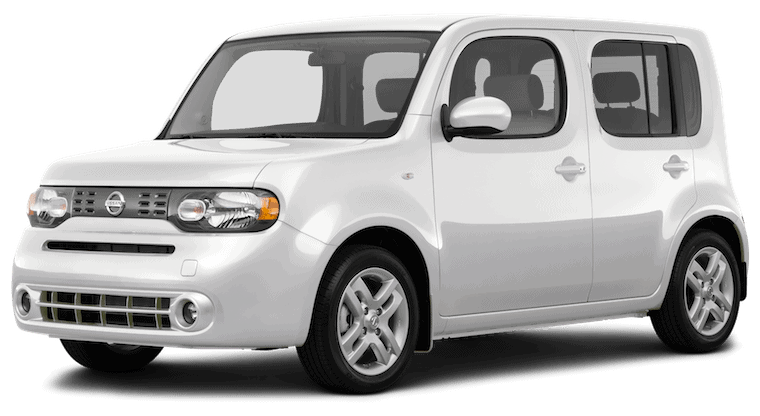
2014 Nissan Cube: Complete Buyer’s Guide
Overview
The 2014 Nissan Cube is a quirky, box-shaped subcompact car that prioritizes interior space and individuality over conventional styling. Known for its asymmetrical rear window and wraparound glass, the Cube appeals to buyers seeking maximum interior room in a compact footprint with distinctive Japanese design.
Key Highlights:
- Unique, polarizing boxy design with asymmetrical styling
- Surprisingly spacious interior for its footprint
- Fuel-efficient 1.8L 4-cylinder engine
- Good visibility thanks to wraparound glass
- Available as S, SV, and SL trims
- Note: 2014 was the final model year for the Cube in North America
Technical Specifications
| Specification |
Details |
| Engine |
1.8L 4-cylinder (MR18DE) |
| Horsepower |
122 hp @ 5,200 rpm |
| Torque |
127 lb-ft @ 4,800 rpm |
| Transmission |
CVT (Continuously Variable Transmission) |
| Drivetrain |
Front-wheel drive (FWD) |
| Fuel Economy |
27 mpg city / 31 mpg highway / 28 mpg combined |
| Fuel Tank |
13.2 gallons |
| Seating Capacity |
5 passengers |
| Cargo Space |
11.4 cu ft (seats up) / 58 cu ft (seats down) |
| Curb Weight |
2,665–2,871 lbs |
| Wheelbase |
99.6 inches |
| Length |
156.7 inches |
| Width |
66.7 inches |
| Height |
65.6 inches |
| Ground Clearance |
6.3 inches |
| Turning Radius |
17.1 feet |
| Towing Capacity |
Not rated for towing |
Top 10 Mechanical & Electrical Issues
1. CVT Transmission Failure
- Symptoms: Shuddering, jerking, slipping, hesitation during acceleration, whining/grinding noise, loss of power, check engine light
- Root Cause: Overheating CVT fluid, premature wear of CVT belt/pulleys, inadequate fluid changes, design weakness in Nissan’s Jatco CVT
- Fix: CVT fluid replacement (temporary), complete CVT replacement (common long-term solution)
- Cost: $150–$300 (fluid change) / $3,500–$5,500 (CVT replacement)
2. Timing Chain Noise & Stretch
- Symptoms: Rattling noise on cold starts, check engine light (P0021, P0011 codes), rough idle, loss of power
- Root Cause: Timing chain tensioner failure, timing chain stretch due to inadequate oil changes or manufacturing defect
- Fix: Replace timing chain, guides, tensioners, and adjust timing
- Cost: $1,200–$2,000
3. Crankshaft Position Sensor Failure
- Symptoms: No-start condition, intermittent stalling, engine cranks but won’t fire, check engine light (P0335, P0340)
- Root Cause: Heat exposure causing sensor degradation, electrical connector corrosion
- Fix: Replace crankshaft position sensor
- Cost: $150–$300
4. Mass Air Flow (MAF) Sensor Issues
- Symptoms: Poor acceleration, rough idle, hesitation, black smoke from exhaust, check engine light (P0101, P0171, P0174)
- Root Cause: Dirty/contaminated MAF sensor from oil residue or debris
- Fix: Clean MAF sensor with MAF cleaner spray or replace if cleaning doesn’t work
- Cost: $15–$30 (cleaning) / $200–$400 (replacement)
5. AC Compressor Failure
- Symptoms: No cold air, intermittent cooling, loud grinding/squealing noise from engine bay, AC clutch not engaging
- Root Cause: Compressor clutch bearing failure, internal compressor wear, refrigerant leaks
- Fix: Replace AC compressor, evacuate and recharge system
- Cost: $600–$1,200
6. Window Regulator Failure
- Symptoms: Window falls into door, won’t roll up/down, grinding noise when operating window, window operates slowly or unevenly
- Root Cause: Plastic window regulator clips breaking, motor failure, cable detachment
- Fix: Replace window regulator assembly
- Cost: $250–$450 per window
7. Fuel Pump Failure
- Symptoms: Engine cranks but won’t start, sputtering at high speeds, loss of power under load, whining noise from fuel tank
- Root Cause: Fuel pump wear, contaminated fuel, electrical connector issues
- Fix: Replace fuel pump assembly
- Cost: $400–$800
8. Throttle Body Carbon Buildup
- Symptoms: Rough idle, stalling at stop lights, hesitation during acceleration, check engine light (P0507, P2119)
- Root Cause: Carbon deposits accumulating on throttle plate and bore
- Fix: Clean throttle body with throttle body cleaner and re-learn idle procedure
- Cost: $100–$200 (professional cleaning) / $20 (DIY)
9. Ignition Coil Failure
- Symptoms: Misfires, rough running, loss of power, check engine light (P0301-P0304), poor fuel economy
- Root Cause: Heat and vibration causing coil degradation over time
- Fix: Replace faulty ignition coil(s) and spark plugs
- Cost: $150–$400 (depending on number of coils)
10. Wheel Bearing Noise
- Symptoms: Humming/grinding noise that increases with speed, noise changes when turning, wheel wobble
- Root Cause: Normal wear, water/dirt contamination, damaged seals
- Fix: Replace wheel bearing hub assembly
- Cost: $250–$450 per wheel
Top 5 Competitors (2014 Model Year)
- Pros: More powerful engine options, better warranty, sportier handling, more modern interior
- Cons: Less unique styling than Cube, slightly firmer ride
- Price Range: $14,900–$20,300
- Pros: Toyota reliability, similar boxy design, better stereo system, more aftermarket support
- Cons: Less fuel efficient, discontinued after 2015
- Price Range: $16,850–$19,770
- Pros: Superior fuel economy, Honda reliability, Magic Seat versatility, better resale value
- Cons: Less headroom, more conventional styling
- Price Range: $15,425–$20,650
- Pros: Legendary Toyota reliability, lower maintenance costs, better resale value
- Cons: Less interior space, less unique character, basic interior
- Price Range: $14,115–$17,300
- Pros: Fun-to-drive handling, better build quality, more refined ride
- Cons: Smaller cargo space, less headroom, discontinued after 2014
- Price Range: $14,720–$18,490
Top 10 Recalls, Advisories & TSB Highlights
Recalls
1. Recall 14V-053 (Feb 2014) – Fuel Pump
- Issue: Fuel pump may stop operating, causing engine stall
- Vehicles Affected: Approximately 104,000 Cubes (2009-2014)
- Fix: Dealer replaces fuel pump assembly free of charge
2. Recall 13V-359 (July 2013) – Passenger Airbag
- Issue: Takata airbag inflator may rupture, sending metal fragments into cabin
- Vehicles Affected: Part of massive Takata recall affecting millions
- Fix: Dealer replaces airbag inflator
3. Recall 16V-819 (Nov 2016) – Passenger Airbag (Additional)
- Issue: Additional Takata airbag recall for passenger frontal airbag
- Vehicles Affected: Extended Takata recall
- Fix: Dealer replaces passenger airbag inflator
Technical Service Bulletins (TSBs)
4. TSB NTB13-058a – CVT Judder/Shudder
- Issue: CVT transmission shuddering or juddering during acceleration
- Solution: Software update, CVT fluid replacement with updated fluid
5. TSB NTB11-049a – AC Blower Motor Noise
- Issue: Squeaking, squealing or rattling noise from AC blower motor
- Solution: Replace blower motor with revised part
6. TSB NTB14-041 – Timing Chain Rattle
- Issue: Rattling noise from engine on cold start
- Solution: Replace timing chain, tensioner, guides
7. TSB IT13-025 – Navigation System Issues
- Issue: Navigation system freezing, slow response, or blank screen
- Solution: Software update for navigation head unit
8. TSB NTB13-070 – Fuel Gauge Inaccuracy
- Issue: Fuel gauge reading incorrectly, showing full when not full
- Solution: Reprogram fuel gauge or replace fuel level sending unit
9. TSB NTB12-089 – Bluetooth Connectivity
- Issue: Bluetooth phone pairing problems, dropped calls
- Solution: Software update for head unit
10. TSB NTB14-018 – Door Lock Actuator Noise
- Issue: Clicking or buzzing noise from door lock actuators
- Solution: Replace door lock actuator(s) with updated parts
Maintenance Schedule
Every 5,000–7,500 Miles (or 6 months)
- Engine oil and filter change
- Tire rotation and pressure check
- Inspect brake pads and rotors
- Check fluid levels (coolant, brake, power steering)
Every 15,000 Miles (or 12 months)
- Cabin air filter replacement
- Inspect drive belts
- Check battery condition
- Inspect suspension components
Every 30,000 Miles (or 24 months)
- Engine air filter replacement
- CVT fluid inspection (critical – consider changing despite “lifetime” claim)
- Inspect brake fluid (replace if dark/contaminated)
- Rotate and balance tires
Every 60,000 Miles (or 48 months)
- CVT transmission fluid change (highly recommended despite Nissan’s “lifetime” claim)
- Replace spark plugs
- Replace engine coolant
- Inspect timing chain
- Replace brake fluid
- Inspect fuel filter
Every 90,000–105,000 Miles
- Replace timing chain, tensioner, and guides (preventative)
- Inspect and possibly replace water pump
- Replace accessory drive belts
- Inspect and service fuel system
Critical Maintenance Notes:
- CVT Fluid: Despite Nissan claiming “lifetime” CVT fluid, changing it every 30,000–60,000 miles significantly extends CVT life
- Timing Chain: Proactive replacement around 100,000 miles can prevent catastrophic engine damage
- Use Nissan-specified fluids: Especially CVT fluid (NS-2 or NS-3) and engine oil (0W-20)
10 FAQs for Buyers
1. Is the 2014 Nissan Cube reliable?
The Cube has below-average reliability primarily due to CVT transmission issues and timing chain problems. Proper maintenance (especially CVT fluid changes) can improve longevity, but expect higher repair costs than competitors like Honda or Toyota.
2. What should I look for when buying a used 2014 Cube?
- Check for CVT transmission smoothness (no shuddering, jerking, or hesitation)
- Listen for timing chain rattle on cold starts
- Verify all recalls completed (especially Takata airbag and fuel pump)
- Request CVT fluid change records (critical)
- Check for window regulator issues
- Inspect for oil leaks around timing cover
- Test AC compressor operation
3. How long does the CVT transmission last?
With regular CVT fluid changes every 30,000–60,000 miles, the CVT can last 100,000–150,000 miles. Without fluid changes, failure can occur as early as 60,000–80,000 miles. Budget for potential CVT replacement.
4. What’s the fuel economy in real-world driving?
Owners typically report 25–28 mpg combined, with city driving around 24–26 mpg and highway 29–32 mpg. The CVT helps maximize efficiency in light-footed driving.
5. Is the Cube good in winter/snow?
The Cube is FWD-only with low ground clearance (6.3 inches), making it adequate but not ideal for heavy snow. Winter tires dramatically improve performance. The boxy shape can catch crosswinds.
6. How much cargo space does it have?
11.4 cubic feet with seats up, 58 cubic feet with rear seats folded. The tall, boxy shape makes it surprisingly practical for moving furniture or large items despite its compact footprint.
7. What’s the typical lifespan of a well-maintained Cube?
With diligent maintenance (especially CVT and timing chain attention), a Cube can reach 150,000–200,000 miles. However, major repairs (CVT replacement, timing chain) are likely along the way.
8. Are parts expensive and hard to find?
Parts availability is good since the Cube shares components with other Nissan models (Versa, Sentra). However, CVT parts are expensive. Regular maintenance items are affordable.
9. Does the Cube hold its value?
No. The Cube depreciates rapidly due to its polarizing styling and reliability concerns. This makes it a bargain used purchase but poor investment for resale.
10. Is it practical as a daily driver?
Yes, for urban/suburban use. The Cube excels at city parking, has great visibility, and offers surprising interior space. However, highway merging feels underpowered, and road noise is intrusive at higher speeds.
Final Buyer Recommendations
Who Should Buy a 2014 Nissan Cube:
✅ Buyers wanting maximum interior space in a compact package
✅ City dwellers who prioritize parking ease and visibility
✅ Those who appreciate unique, quirky styling
✅ Budget-conscious buyers seeking an affordable used car (under $8,000)
✅ DIY mechanics comfortable with CVT and timing chain maintenance
✅ Buyers planning to keep the car under 100,000 miles
Who Should Avoid:
❌ Buyers prioritizing long-term reliability
❌ Those needing highway performance or power
❌ Anyone uncomfortable with potential $3,500+ CVT replacement
❌ Buyers in regions with harsh winters (consider AWD alternatives)
❌ Those seeking strong resale value
❌ First-time car buyers unfamiliar with CVT maintenance needs
Buying Tips:
Price Expectations (2024):
- Good condition, 80,000–100,000 miles: $5,000–$8,000
- Higher mileage (120,000+): $3,000–$5,000
- Low mileage (<60,000): $8,000–$10,000
Pre-Purchase Inspection Must-Haves:
- CVT test drive: Drive for at least 20 minutes in varied conditions
- Cold start test: Listen for timing chain rattle
- Compression test: Verify engine health
- CVT fluid condition check: Should be clear red, not brown/burnt
- Scan for stored codes: Even with no check engine light
Budget Planning: Set aside $2,000–$3,000 for potential repairs within first 2 years of ownership, particularly for CVT issues. Consider an extended warranty if available under 100,000 miles.
Maintenance Priority: If buying used, immediately change CVT fluid (even if seller claims it was done) and inspect timing chain condition. These two items will make or break your ownership experience.
Our Final Verdict
The 2014 Nissan Cube is a high-risk, high-reward purchase. Its unique character, spacious interior, and low purchase price are appealing, but the CVT and timing chain vulnerabilities make it suitable only for informed buyers willing to stay on top of preventative maintenance. For similar money, a Honda Fit or Toyota Yaris offers better reliability and resale value, but lacks the Cube’s distinctive personality.
Recommendation Rating: 5.5/10 — Proceed with caution and a thorough pre-purchase inspection.