

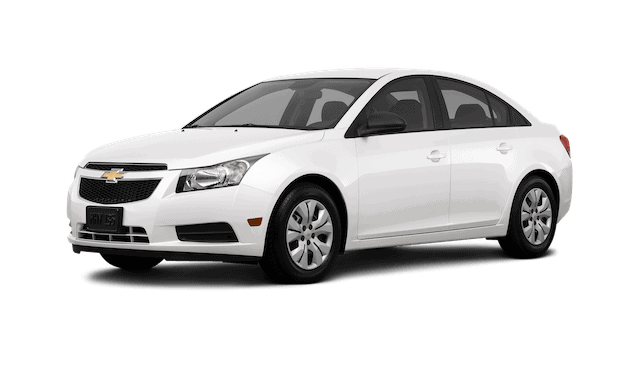
Get the OEM factory service and workshop repair manual with the wiring diagram for the 2013 Chevrolet Cruze (J300, JG, JH series), also known as the Daewoo Lacetti Premiere and Holden Cruze.
2013 Chevrolet Cruze Repair Manual
$19.90
Get the genuine OEM factory service and workshop repair manual for the 2013 Chevrolet Cruze (J300, JG, JH series), also known as the Daewoo Lacetti Premiere and Holden Cruze. This comprehensive manual includes detailed repair procedures and coloured electrical wiring diagrams, providing you with all the necessary information to maintain and repair your vehicle effectively.
| File Type | |
| File Language | English |
| You’ll Get | 84 MB |
| Page Count | 9,145 |
| Wiring Diagram | Included |
| Delivery Method | Instant Download |
Engines Covered:
- 1.4L LUV Gasoline
- 1.8L LUW and LWE Gasoline
- 2.0L VCDI LNP Diesel.
Features:
- Complete OEM Coverage: Extensive service and repair instructions for the 2013 Chevrolet Cruze and its variants.
- Colored Electrical Wiring Diagrams: Clear and detailed diagrams to assist with troubleshooting and repairs.
- Professional-Grade Information: The same manual used by Chevrolet technicians for accurate and reliable repairs.
- User-Friendly Format: Available in a convenient PDF format for easy access and navigation.
Download your copy today to ensure your Chevrolet Cruze operates at its best with expert-level care!
This manual provides detailed instructions for maintenance, disassembly, reassembly, component inspection, adjustment, and diagnostics—intended for use by experienced mechanics. Proper application of this guide will help ensure thorough repairs and maintain your vehicle in peak condition.
Important Note: Before purchasing this manual, please check whether your vehicle is subject to any active service recalls, as authorized dealerships may perform necessary repairs free of charge. When replacing parts, always use genuine OEM components to ensure safety, reliability, and long-term performance.
Table of Contents : 2013 Chevrolet Cruze Repair Manual
GENERAL INFORMATION
-
- Dangers, Warnings, and Cautions
- General Information
- Vehicle Diagnostic Information
- Vibration Diagnosis and Correction
- Diagnostic Trouble Codes Index (DTC)
- Maintenance and Lubrication
ACCESSORIES & EQUIPMENT
-
- Cruise Control
- Fixed and Moveable Windows
- Horns
- Immobilizer
- Mirrors
- Object Detection
- Power Seats
- Programming and Setup
- Remote Functions
- Seat Heating and Cooling
- Secondary and Configurable Customer Controls
- Theft Deterrent
- Vehicle Access
- Wipers and Washers
- Wiring Systems and Power Management
- Air/Wind Noise
- Bolted Exterior Body Panels and Closures
- Bumpers and Fascias
- Collision Repair
- Exterior Trim
- Floor Coverings and Headlining
- Frame and Underbody
- Instrument Panel and Console Trim
- Interior Trim and Paneling
- Paint and Coatings
- Plastic Panel Information and Repair
- Seat Hardware, Trim, and Upholstery
- Squeaks and Rattles
- Sunroof
- Water leaks
- Lighting
- Cellular, Entertainment, and Navigation
- Data Communications
- Displays and Gauges
BRAKES
-
- Antilock Brake System
- Disc Brakes
- Drum Brakes
- Hydraulic Brakes
- Park Brake
DRIVELINE/AXLE
-
- Wheel Drive Shafts
ELECTRICAL
-
- Power Outlets
- Wiring Systems and Power Management
ENGINE
-
- Engine Cooling
- Engine Electrical
- Engine Exhaust
- Engine Mechanical – 1.4L LUV
- Engine Mechanical – 1.8L LUW and LWE
- Engine Mechanical – 2.0L VCDi LNP
ENGINE PERFORMANCE
-
- Engine Controls and Fuel – 1.4L LUV
- Engine Controls and Fuel – 1.8L LUW and LWE
- Firing Order & Cylinder Identification
HVAC
-
- Heating, Ventilation, and Air Conditioning
- HVAC – Automatic
- HVAC – Manual
RESTRAINTS
-
- Seat Belts
- Supplemental Inflatable Restraints
STEERING
-
- Power Steering
- Steering Wheel and Column
SUSPENSION
-
- Front Suspension
- Rear Suspension
- Suspension General Diagnosis
- Tire Pressure Monitoring
- Tires and Wheels
- Wheel Alignment
TRANSMISSION
-
- Automatic Transmission – 6T30/6T40 (1 of 2)
- Automatic Transmission – 6T30/6T40 (2 of 2)
- Clutch
- Manual Transmission – M32
- Shift Lock Control
WIRING DIAGRAMS
-
- System Wiring Diagrams
Sample Pages
A Few Pages Will Help You Make The Right Decision.
CAUTION: This OEM service and workshop repair manual provides detailed procedures for maintenance, disassembly, reassembly, inspection, adjustment, and diagnostics. It is intended as a comprehensive guide for experienced mechanics. To ensure thorough and accurate repairs that maintain your vehicle’s optimal performance, please read and follow this manual carefully. When replacing parts during any repair work, always use genuine Chevrolet parts to ensure quality, safety, and reliability.
2013 Chevrolet Cruze: Complete Technical Guide & Buyer’s Resource
Overview
The 2013 Chevrolet Cruze represents the second model year of GM’s globally-engineered compact sedan, designed to compete directly with the Honda Civic, Toyota Corolla, and Ford Focus. Built on the GM Delta II platform, the Cruze offered American buyers a refined, fuel-efficient alternative with European-influenced styling and handling dynamics.
Market Position & Design Philosophy
Chevrolet positioned the 2013 Cruze as an upscale compact sedan with emphasis on quality materials, quiet operation, and advanced technology—a departure from previous GM small car offerings. The vehicle featured triple door seals, acoustic laminated windshield, and extensive sound-deadening materials to create a premium cabin environment.
Available Trim Levels
- LS – Base model with essential features
- 1LT – Mid-level with enhanced comfort features
- 2LT – Upper mid-level with premium amenities
- LTZ – Top-tier luxury variant
- Eco – Fuel economy-optimized model
Technical Specifications
Engine Options
1.8L Ecotec I4 (Standard – LS, 1LT)
- Engine Code: 2H0
- Displacement: 1,796 cc (109.5 cu in)
- Configuration: Inline-4, DOHC, 16-valve
- Power Output: 138 hp @ 6,300 rpm
- Torque: 125 lb-ft @ 3,800 rpm
- Compression Ratio: 11.0:1
- Fuel System: Sequential multi-port fuel injection
- Fuel Requirement: Regular unleaded (87 octane)
1.4L Ecotec Turbo I4 (Optional – LT, Standard – LTZ/Eco)
- Engine Code: LUJ/LUV
- Displacement: 1,364 cc (83.3 cu in)
- Configuration: Inline-4, DOHC, 16-valve with turbocharger
- Power Output: 138 hp @ 4,900 rpm
- Torque: 148 lb-ft @ 1,850 rpm (200 lb-ft overboost)
- Compression Ratio: 10.0:1
- Fuel System: Direct injection
- Fuel Requirement: Premium unleaded recommended (91 octane)
- Turbocharger: Garrett GT12 with integrated exhaust manifold
Transmission Options
6-Speed Manual (M32)
- Available on LS, 1LT, 2LT, Eco
- Close-ratio gearing for performance
- Cable-actuated shifter
6-Speed Automatic (6T30/6T40)
- Standard on LTZ, optional on other trims
- Electronic shift control
- TAPshift manual mode capability
Chassis & Dimensions
| Specification | Measurement |
|---|---|
| Wheelbase | 105.7 inches |
| Overall Length | 181.0 inches |
| Overall Width | 70.7 inches |
| Overall Height | 58.1 inches |
| Curb Weight | 3,009-3,223 lbs |
| Front Track | 60.9 inches |
| Rear Track | 61.1 inches |
| Ground Clearance | 6.0 inches |
| Passenger Volume | 94.7 cu ft |
| Cargo Volume | 15.4 cu ft |
Suspension System
Front Suspension:
- Independent MacPherson strut design
- Coil springs over struts
- Direct-acting stabilizer bar
- Aluminum lower control arms (weight reduction)
Rear Suspension:
- Compound crank (torsion beam) axle
- Coil springs
- Integral stabilizer bar
- Twist-beam design for packaging efficiency
Braking System
- Front: 11.7-inch ventilated disc brakes
- Rear: 10.9-inch solid disc brakes (11.3-inch on LTZ)
- ABS: 4-wheel, 4-channel anti-lock system
- Electronic Brake Distribution (EBD): Standard
- Brake Assist: Standard
- StabiliTrak: Electronic stability control system
Steering System
- Electric power steering (EPS)
- Variable assist based on speed
- Turning diameter: 36.1 feet (curb-to-curb)
- Overall ratio: 16.2:1
Fuel Economy (EPA Ratings)
1.8L with Manual:
-
- City: 26 mpg
- Highway: 38 mpg
- Combined: 31 mpg
1.4L Turbo with Manual:
-
- City: 26 mpg
- Highway: 38 mpg
- Combined: 31 mpg
1.4L Turbo with Automatic:
-
- City: 26 mpg
- Highway: 36 mpg
- Combined: 30 mpg
Eco Model:
-
- City: 28 mpg
- Highway: 42 mpg
- Combined: 33 mpg
Fuel System
- Fuel Tank Capacity: 15.6 gallons
- Fuel Type: Unleaded gasoline
- Fuel Door Release: Power release from driver’s seat
Top 10 Mechanical & Electrical Issues
1. Turbocharged Engine Coolant System Failures
Symptoms:
- Coolant leaking beneath vehicle (particularly on driver’s side)
- Low coolant warning light illuminated
- Engine overheating warnings
- Visible coolant residue around intake manifold area
- Sweet smell inside cabin or under hood
- Steam from engine compartment
Root Cause:
The 1.4L turbocharged engine uses a plastic coolant outlet/water outlet housing integrated into the thermostat assembly and intake manifold. These plastic components become brittle from repeated heat cycling and crack, causing coolant leaks. The PCV system integrated into the intake manifold valve cover can also fail, causing vacuum leaks and oil consumption.
Fix:
- Replace coolant outlet/thermostat housing assembly
- Replace intake manifold if PCV valve cover is cracked
- Flush and refill cooling system
- Pressure test system to verify repair
- Labor: 2-4 hours depending on extent of damage
Repair Cost: $350-$900 (parts $150-$400, labor $200-$500)
2. Valve Cover/PCV System Oil Leaks
Symptoms:
- Oil pooling on top of engine or dripping down sides
- Burning oil smell from engine bay
- Blue smoke from exhaust on startup
- Excessive oil consumption (1 quart per 1,000 miles or less)
- Rough idle or misfires
- Check Engine Light with PCV-related codes (P0171, P0101)
Root Cause:
The 1.4L turbo engine incorporates the PCV (Positive Crankcase Ventilation) system into the valve cover assembly. The PCV diaphragm fails, and the valve cover gasket deteriorates, causing external oil leaks and internal vacuum leaks. The integrated design means the entire valve cover assembly must be replaced rather than just a gasket.
Fix:
- Replace complete valve cover assembly with integrated PCV system
- Replace valve cover gasket and seals
- Clean oil residue from engine surfaces
- Check spark plugs and ignition coils for oil contamination
- Labor: 2-3 hours
Repair Cost: $450-$800 (parts $250-$450, labor $200-$350)
3. Transmission Shuddering and Torque Converter Failure
Symptoms:
- Shuddering or vibration during acceleration (especially 40-50 mph)
- Harsh or delayed shifting
- Slipping sensation between gears
- Check Engine Light with transmission codes (P0742, P0700, P0717)
- Transmission overheating warnings
- Loss of power during acceleration
Root Cause:
The 6T40 automatic transmission in 2013 Cruze models suffers from premature torque converter clutch wear and valve body issues. The transmission control module (TCM) programming may also cause excessive clutch slip, leading to overheating and accelerated wear. Contaminated transmission fluid accelerates damage.
Fix:
- Perform transmission fluid flush and replace with updated fluid
- Update TCM software to latest calibration
- Replace torque converter if damaged (severe cases)
- Replace valve body if mechanically damaged
- Replace transmission fluid pressure switches
- Labor: 3-8 hours depending on repair extent
Repair Cost:
- Fluid service and software update: $250-$450
- Torque converter replacement: $1,200-$2,200
- Complete transmission rebuild/replacement: $2,500-$4,500
4. Electric Power Steering (EPS) Failure
Symptoms:
- “Service Power Steering” warning message
- Complete loss of power steering assist
- Intermittent loss of steering assist
- Heavy steering feel at low speeds
- Check Engine Light with code C0710, C0800, or P0128
- Steering wheel difficult to turn when stationary
Root Cause:
The electric power steering motor and control module are prone to premature failure due to thermal stress and electrical connector corrosion. The EPS motor is located low on the firewall and exposed to road splash and heat from the engine. Internal motor brushes wear prematurely, and the control module circuit board experiences solder joint failures.
Fix:
- Diagnose with factory scan tool to identify specific EPS fault
- Replace electric power steering motor assembly
- Replace EPS control module if codes indicate
- Clean and protect electrical connectors
- Perform steering system calibration
- Labor: 2-3 hours
Repair Cost: $600-$1,400 (parts $400-$1,000, labor $200-$400)
5. Timing Chain Tensioner and Guide Failures
Symptoms:
- Rattling noise from engine on cold start (first 5-10 seconds)
- Metallic scraping or grinding noise from front of engine
- Check Engine Light with timing-related codes (P0008, P0011, P0016)
- Reduced engine performance
- Engine misfires or rough running
- Severe cases: catastrophic engine failure
Root Cause:
Both the 1.4L turbo and 1.8L engines use timing chains that require proper tension. The timing chain tensioner (hydraulically operated) can fail to maintain pressure, and the plastic timing chain guides wear or crack. This is often exacerbated by extended oil change intervals, using incorrect oil weight, or low oil levels. The 1.4L turbo is particularly susceptible due to higher operating pressures.
Fix:
- Remove valve cover and timing cover to access timing system
- Replace timing chain, tensioner, and guides as complete kit
- Replace timing chain oil pump drive chain (1.4L turbo)
- Verify camshaft and crankshaft timing marks
- Replace engine oil and filter
- Labor: 6-10 hours (engine-out procedure sometimes required)
Repair Cost: $1,200-$2,800 (parts $400-$800, labor $800-$2,000)
6. Turbocharger Failure and Boost System Issues
Symptoms:
- Loss of power and acceleration
- Excessive black or blue smoke from exhaust
- Loud whistling or whining noise during acceleration
- Oil leaking around turbocharger
- Check Engine Light with boost pressure codes (P0299, P0234, P0046)
- Hissing sound indicating boost leak
- Burning oil smell
Root Cause:
The Garrett GT12 turbocharger on the 1.4L engine experiences bearing failures due to oil starvation, contaminated oil, or extended oil change intervals. The turbo wastegate actuator can also fail, preventing proper boost control. Additionally, boost pressure hoses and charge air cooler develop leaks due to heat and pressure cycling.
Fix:
- Remove and replace turbocharger assembly
- Replace turbo oil feed and return lines
- Inspect and clean charge air cooler
- Replace boost pressure hoses if cracked
- Replace PCV system (often contributes to turbo failure)
- Change engine oil and filter
- Verify no metal contamination in oil system
- Labor: 4-6 hours
Repair Cost: $1,000-$2,200 (parts $600-$1,400, labor $400-$800)
7. Ignition Coil and Spark Plug Failures
Symptoms:
- Engine misfires on one or more cylinders
- Rough idle and vibration
- Check Engine Light with misfire codes (P0300-P0304)
- Reduced fuel economy
- Hesitation during acceleration
- Engine stumbling or jerking
- Failed emissions testing
Root Cause:
The direct-injection 1.4L turbo engine places extreme demands on ignition components. Ignition coils fail due to heat stress and electrical overload. The spark plugs (especially iridium-tipped types) foul prematurely due to carbon buildup from direct injection and oil contamination from PCV system failures. Correct heat range and gap specifications are critical.
Fix:
- Scan for misfire codes to identify affected cylinders
- Replace all four ignition coils (preventive replacement recommended)
- Replace all four spark plugs with OEM-spec plugs
- Verify proper spark plug gap (0.028-0.032 inches)
- Check for oil contamination indicating valve cover issues
- Clear fault codes and perform test drive
- Labor: 1-2 hours
Repair Cost: $250-$500 (parts $120-$280, labor $130-$220)
8. Throttle Body Carbon Buildup and Failure
Symptoms:
- Rough idle or stalling at idle
- Reduced Engine Power warning
- Poor throttle response or hesitation
- Engine surging during light acceleration
- Check Engine Light with codes P0068, P0121, P2135
- Difficulty starting engine
- High idle speed (above 1,000 RPM)
Root Cause:
Direct injection engines (1.4L turbo) don’t wash the intake valves and throttle body with fuel, allowing carbon deposits to accumulate. The throttle body bore and throttle plate develop thick carbon buildup that restricts airflow. The throttle position sensors can also fail due to electrical issues. The PCV system failure contributes to accelerated carbon accumulation.
Fix:
- Remove throttle body from intake manifold
- Clean throttle body bore and plate with throttle body cleaner
- Inspect throttle position sensor operation
- Replace throttle body if sensors failed or cleaning ineffective
- Perform idle relearn procedure with scan tool
- Address PCV system issues if present
- Labor: 1-2 hours
Repair Cost:
- Cleaning service: $120-$250
- Throttle body replacement: $300-$600 (parts $150-$350, labor $150-$250)
9. Electronic Thermostat and Temperature Sensor Failures
Symptoms:
- Engine takes excessively long to warm up
- Poor cabin heater performance
- Check Engine Light with codes P0128, P0597, P0598
- Reduced fuel economy
- Temperature gauge reading lower than normal
- Service Engine Soon light
- Failed emissions testing
Root Cause:
The 2013 Cruze uses an electronically-controlled thermostat managed by the ECM to optimize engine temperature for emissions and efficiency. The thermostat housing (especially on 1.4L turbo) is plastic and prone to cracking. The electronic thermostat actuator fails, causing the thermostat to stick open. Engine coolant temperature sensors also fail, providing incorrect data to the ECM.
Fix:
- Diagnose with scan tool to verify actual vs. reported temperatures
- Replace thermostat housing assembly with electronic actuator
- Replace engine coolant temperature sensor if faulty
- Drain and refill cooling system with proper DEX-COOL coolant
- Bleed air from cooling system
- Verify proper engine warm-up cycle
- Labor: 2-3 hours
Repair Cost: $300-$650 (parts $150-$350, labor $150-$300)
10. Cruze Turbo Intercooler/Charge Air Cooler Leaks
Symptoms:
- Loss of power, especially under acceleration
- Check Engine Light with boost leak codes (P0299, P0101)
- Hissing sound from engine bay during acceleration
- Increased turbo noise (whistling)
- Poor fuel economy
- Black smoke from exhaust under load
- Turbo boost pressure lower than expected
Root Cause:
The charge air cooler (intercooler) on turbocharged models is mounted low behind the front bumper, exposed to road debris and corrosion. The aluminum cooler develops pinhole leaks from rock impacts and internal corrosion. Plastic end tanks crack from pressure cycling. Rubber boost hoses connecting the turbocharger, intercooler, and throttle body become brittle and crack, causing boost leaks.
Fix:
- Perform boost leak test to identify leak location
- Replace charge air cooler if damaged
- Replace all boost pressure hoses (recommended as preventive maintenance)
- Inspect turbocharger outlet and throttle body inlet for damage
- Verify boost pressure reaches specification under load
- Clear fault codes and test drive
- Labor: 2-4 hours
Repair Cost: $400-$900 (parts $200-$500, labor $200-$400)
Top 5 Competitors
1. 2013 Honda Civic
Strengths:
- Superior reliability and lower maintenance costs
- Better resale value retention
- More refined continuously variable transmission (CVT)
- Proven long-term durability
Weaknesses:
- Less refined interior materials than Cruze
- Noisier cabin at highway speeds
- Less sophisticated suspension tuning
- Fewer standard features at comparable price points
Comparison: The Civic offers better long-term reliability but the Cruze provides a more upscale interior experience and quieter ride quality.
2. 2013 Toyota Corolla
Strengths:
- Legendary reliability with minimal issues
- Lower cost of ownership over time
- Excellent fuel economy
- Strong dealer network and parts availability
Weaknesses:
- Dated interior design and materials
- Less engaging driving dynamics
- Older 4-speed automatic transmission (outdated)
- Bland styling compared to competitors
Comparison: The Corolla wins on reliability but feels a generation behind the Cruze in technology, design, and driving experience.
3. 2013 Ford Focus
Strengths:
- Excellent handling and driving dynamics
- Multiple body styles (sedan, hatchback)
- SYNC infotainment system
- European-inspired design
Weaknesses:
- Problematic PowerShift dual-clutch automatic transmission
- Higher frequency of electrical issues
- Less cargo space than Cruze
- Similar reliability concerns to Cruze
Comparison: The Focus offers better handling but shares similar reliability concerns, particularly with the automatic transmission. Both are more driver-focused than Japanese competitors.
4. 2013 Mazda3
Strengths:
- Superior driving dynamics and handling
- SkyActiv engine technology for efficiency
- More engaging manual transmission
- Sporty, upscale interior design
Weaknesses:
- Firmer ride quality (may not suit all buyers)
- Slightly more expensive
- Smaller rear seat space
- Road noise more pronounced
Comparison: The Mazda3 is the enthusiast’s choice with better driving dynamics, while the Cruze offers superior quietness and rear seat comfort.
5. 2013 Hyundai Elantra
Strengths:
- Exceptional warranty coverage (10yr/100k powertrain)
- More interior space than Cruze
- Lower initial purchase price
- Good fuel economy
Weaknesses:
- Less refined powertrain (noisier)
- Interior materials not as upscale as Cruze
- Weaker resale value
- Less sophisticated suspension
Comparison: The Elantra offers better value and warranty but the Cruze delivers a more premium experience with better sound insulation and interior quality.
Top 10 Recalls, Advisories & TSB Highlights
Recall 1: 14V349000 – Electronic Power Steering Failure
Issue: Power steering motor can fail suddenly, resulting in loss of power assist and increased steering effort. May result in crash.
Vehicles Affected: 2010-2013 Chevrolet Cruze (approximately 1.3 million units)
Fix: Dealers will update power steering control module software free of charge. If software update doesn’t resolve issue, steering assist motor will be replaced.
Recall 2: 14V047000 – Right Front Axle Shaft Fracture
Issue: Right front axle shaft may fracture due to manufacturing defect, causing sudden loss of propulsion and/or vehicle rollaway when parked.
Vehicles Affected: 2013-2014 Cruze with 1.4L turbo engine
Fix: Dealers will replace right front axle shaft assembly free of charge.
Recall 3: 13V355000 – Rear Brake Caliper Piston Corrosion
Issue: Rear brake caliper pistons may corrode, potentially resulting in reduced braking effectiveness and increased stopping distance.
Vehicles Affected: 2011-2013 Cruze
Fix: Dealers will inspect and replace rear brake calipers if necessary. Brake pads will also be replaced.
Recall 4: 14V053000 – Fuel Tank Leakage Risk
Issue: Fuel tank seam weld may develop cracks, potentially causing fuel leakage and fire risk.
Vehicles Affected: 2012-2013 Cruze
Fix: Dealers will inspect fuel tank and replace if necessary. Free repair.
Recall 5: 13V313000 – Daytime Running Lamp Module Fire Risk
Issue: Daytime running lamp (DRL) module can overheat due to inadequate electrical circuit protection, potentially causing fire even when vehicle is parked.
Vehicles Affected: 2011-2013 Cruze
Fix: Dealers will install fused wiring harness and new DRL module free of charge.
TSB 6: PIP5215 – Turbocharger Coolant Line Leaks
Issue: Turbocharger coolant feed and return lines may develop leaks at connection points due to inadequate clamp tension.
Solution: Updated coolant lines with improved clamps. Applies to 2011-2013 Cruze with 1.4L turbo. Repair covered under powertrain warranty.
TSB 7: PI1019A – Transmission Shudder During Light Acceleration
Issue: 6T40 automatic transmission may exhibit shudder or vibration at 30-50 mph during light acceleration.
Solution: Perform transmission fluid flush with updated fluid (Dexron VI HP). Update TCM software to latest calibration. May require torque converter replacement in severe cases.
TSB 8: PIP5124C – Engine Coolant Leak From Water Outlet
Issue: Water outlet (thermostat housing) on 1.4L turbo engines develops cracks causing coolant leaks.
Solution: Replace water outlet assembly with redesigned part. Check for engine damage if overheating occurred. Covered under powertrain warranty.
TSB 9: PI0313D – Excessive Engine Oil Consumption
Issue: 1.4L turbo engines may consume excessive oil (more than 1 quart per 2,000 miles) due to PCV system failure and piston ring issues.
Solution: Replace PCV-integrated valve cover. In severe cases, piston rings and/or pistons may need replacement. Document oil consumption per GM warranty policy.
TSB 10: PIP5187A – A/C Compressor Clutch Noise
Issue: A/C compressor clutch may produce clicking or rattling noise when engaging/disengaging.
Solution: Replace A/C compressor clutch assembly with updated design. Verify proper refrigerant charge. Covered under warranty if within coverage period.
Maintenance Schedule
Every 7,500 Miles or 12 Months
Oil Change Service:
- Change engine oil and filter
- Oil spec: Dexron1 Full Synthetic 5W-30 (1.4L turbo requires synthetic)
- Capacity: 4.5 quarts (1.8L), 5 quarts (1.4L turbo)
- Rotate tires (check for wear patterns)
- Inspect brake pads and rotors
- Inspect steering and suspension components
- Check tire pressure and adjust to 35 PSI
Note: 1.4L turbo engines MUST use full synthetic oil. Do NOT exceed 7,500-mile oil change intervals.
Every 15,000 Miles or 24 Months
- All 7,500-mile services PLUS:
- Replace engine air filter
- Replace cabin air filter
- Inspect drive belt condition and tension
- Inspect cooling system hoses and connections
- Check battery condition and terminals
- Inspect exhaust system for leaks or damage
Every 30,000 Miles or 36 Months
- All 15,000-mile services PLUS:
- Replace fuel filter (if equipped)
- Inspect spark plugs (replace if necessary on 1.4L turbo)
- Clean throttle body (1.4L turbo – highly recommended)
- Inspect turbocharger for leaks (if equipped)
- Lubricate door hinges and latches
- Flush brake fluid (DOT 3 specification)
Every 45,000 Miles or 48 Months
- All 7,500-mile services PLUS:
- CRITICAL: Replace engine coolant (DEX-COOL extended life)
- Replace spark plugs (all models – use OEM AC Delco 41-114 for 1.4T)
- Inspect timing chain tensioner operation (listen for startup rattle)
- Inspect PCV system and valve cover for leaks
- Check transmission fluid level and condition
Every 60,000 Miles or 60 Months
- All 15,000-mile services PLUS:
- Replace transmission fluid (6T40 automatic – Dexron VI HP)
- Manual transmission: Check fluid level (do NOT overfill)
- Replace drive belt (serpentine belt)
- Replace thermostat housing assembly (1.4L turbo – preventive)
- Inspect front and rear suspension bushings
- Clean intake valves and throttle body (1.4L turbo – essential)
Every 97,500 Miles or 120 Months
- Replace timing chain, tensioner, and guides (preventive maintenance)
- CRITICAL for engine longevity
- Consider turbocharger inspection/replacement if showing signs of wear
- Replace coolant outlet/water pump housing (1.4L turbo)
Severe Service Conditions
Reduce intervals by 50% if vehicle experiences:
- Frequent short trips (less than 10 miles)
- Extensive idling or low-speed operation
- Dusty or off-road conditions
- Trailer towing
- Extreme hot or cold climates
- Commercial use (delivery, taxi, etc.)
Critical Preventive Maintenance Notes
For 1.4L Turbo Owners (ESSENTIAL):
- Never exceed 7,500-mile oil changes – Use only full synthetic 5W-30
- Monitor coolant level weekly – Plastic components fail frequently
- Address oil leaks immediately – PCV/valve cover failures cause turbo damage
- Clean throttle body every 30k miles – Direct injection causes carbon buildup
- Replace spark plugs on schedule – Use only OEM specification plugs
- Watch for timing chain noise – Early replacement prevents catastrophic failure
10 FAQs for Buyers
1. Is the 2013 Chevrolet Cruze reliable?
The 2013 Cruze has below-average reliability compared to competitors like Honda Civic and Toyota Corolla. The 1.4L turbocharged engine is particularly problematic with coolant leaks, turbocharger failures, and PCV system issues. The 1.8L naturally aspirated engine is more reliable but less common.
Key concerns: Expect $1,500-$3,000 in non-routine repairs over the ownership period. Major issues include cooling system failures, transmission shudder, power steering loss, and timing chain problems.
Recommendation: Budget for maintenance and consider an extended warranty. Pre-purchase inspection is essential.
2. Which engine is better: 1.4L Turbo or 1.8L?
1.8L Naturally Aspirated:
- Pros: More reliable, lower maintenance costs, regular gas, simpler design
- Cons: Slightly slower acceleration, less fuel efficient, less common in higher trims
1.4L Turbocharged:
- Pros: Better acceleration, more responsive, better highway fuel economy
- Cons: Multiple reliability issues, requires premium gas and synthetic oil, expensive repairs
Verdict: For long-term ownership and reliability, the 1.8L is the better choice. The 1.4L turbo offers better performance but significantly higher maintenance and repair costs.
3. What is the most common problem with the 2013 Cruze?
Coolant leaks from the water outlet/thermostat housing on 1.4L turbo models is the most widespread issue. The plastic housing cracks, causing coolant loss and potential overheating. This affects the majority of turbocharged Cruze vehicles.
Second most common: Valve cover/PCV system oil leaks leading to oil consumption and turbocharger damage.
Cost impact: $350-$900 per incident. Many owners experience this issue multiple times.
4. How long do 2013 Cruze transmissions last?
Manual transmission (M32): Generally reliable with proper maintenance. Expected lifespan exceeds 150,000 miles with routine fluid changes.
Automatic transmission (6T40): Prone to torque converter shudder and premature wear. Average lifespan is 100,000-150,000 miles, but many experience issues around 60,000-80,000 miles.
Preventive measures:
- Change transmission fluid every 60,000 miles with Dexron VI HP
- Update TCM software to latest calibration
- Address shudder symptoms immediately
5. What is the fuel economy in real-world driving?
Real-world fuel economy (owner-reported averages):
- 1.8L Manual: 28-30 mpg combined
- 1.4L Turbo Manual: 29-32 mpg combined
- 1.4L Turbo Automatic: 27-30 mpg combined
- Eco Model: 32-36 mpg combined (highway-heavy driving)
Note: EPA estimates are optimistic. Real-world results are typically 2-4 mpg lower than EPA ratings. Aggressive driving and short trips significantly reduce fuel economy.
6. Should I buy a high-mileage (100k+) 2013 Cruze?
Generally NOT recommended unless:
- Complete maintenance records are available
- All known issues have been addressed (coolant system, PCV, transmission)
- Vehicle has been meticulously maintained
- Price reflects high-mileage condition (under $4,000)
- You have mechanical skills or access to affordable repair
Red flags:
- No maintenance records
- Evidence of coolant or oil leaks
- Transmission shudder or harsh shifting
- Rattling noise on cold starts (timing chain)
- Check Engine Light illuminated
Better alternative: Consider a lower-mileage Honda Civic or Toyota Corolla in the same price range for better longevity.
7. What are common problems after 100,000 miles?
High-mileage failure points (100k-150k miles):
- Timing chain and tensioner failure – $1,200-$2,800 repair
- Turbocharger replacement – $1,000-$2,200 (1.4L turbo)
- Transmission rebuild/replacement – $2,500-$4,500
- Water pump failure – $400-$700
- Suspension components (struts, control arms) – $600-$1,200
- A/C compressor failure – $600-$1,000
- Catalytic converter – $800-$1,500
Expected major repair costs: $3,000-$6,000 between 100k-150k miles for typical high-mileage issues.
8. Is the 2013 Cruze good in winter/snow?
Winter performance: Above Average
Positives:
- Good weight distribution for front-wheel drive
- Traction control and StabiliTrak work effectively
- Adequate ground clearance for light snow
- Available heated seats and remote start
- Decent visibility
Negatives:
- All-season tires (not true winter tires)
- Low ground clearance (6.0 inches) limits deep snow capability
- Eco model has low-rolling resistance tires (poor in snow)
Recommendation: Install dedicated winter tires (Michelin X-Ice or Bridgestone Blizzak) for regions with significant snowfall. The Cruze performs well with proper tires.
9. What should I look for during a pre-purchase inspection?
Critical inspection points:
Engine Bay:
- ✓ Check for coolant leaks around thermostat housing and intake manifold
- ✓ Inspect valve cover for oil leaks and wetness
- ✓ Look for oil residue around turbocharger (if equipped)
- ✓ Start cold and listen for timing chain rattle (first 10 seconds)
- ✓ Check coolant level and condition (should be bright orange DEX-COOL)
- ✓ Inspect all boost hoses for cracks (turbo models)
Test Drive:
- ✓ Accelerate 40-50 mph and feel for transmission shudder
- ✓ Test power steering at low speeds (should be effortless)
- ✓ Listen for unusual noises from engine or transmission
- ✓ Verify turbo boost response (turbo models should pull strongly)
- ✓ Check for warning lights or messages
Computer Scan:
- ✓ Pull all diagnostic codes (current and history)
- ✓ Check for repeated repairs of same components
- ✓ Verify no pending emissions codes
Documentation:
- ✓ Request all maintenance records
- ✓ Verify recall completion (especially power steering and DRL)
- ✓ Check CarFax/AutoCheck for accident history
10. What is a fair price for a 2013 Cruze in 2024?
Market values (as of 2024, condition-dependent):
Low Mileage (50k-70k miles):
- Excellent condition: $8,000-$10,500
- Good condition: $6,500-$8,000
- Fair condition: $5,000-$6,500
Average Mileage (80k-120k miles):
- Excellent condition: $6,000-$8,000
- Good condition: $4,500-$6,000
- Fair condition: $3,500-$4,500
High Mileage (130k+ miles):
- Excellent condition: $4,000-$5,500
- Good condition: $3,000-$4,000
- Fair condition: $2,000-$3,000
Factors affecting value:
- Engine type (1.8L commands slight premium due to reliability)
- Trim level (LTZ worth 10-15% more)
- Maintenance records (adds $500-$1,000 to value)
- Recent major repairs (coolant system, transmission)
- Accident history (reduces value 20-30%)
Negotiation tip: Use known issues as leverage. Deduct estimated repair costs from asking price if issues are present.
Final Buyer Recommendations
Overall Assessment: ⭐⭐½ out of 5 Stars
The 2013 Chevrolet Cruze represents an average used car purchase with below-average reliability. While it offers a comfortable, quiet interior and decent driving dynamics, the numerous mechanical issues—particularly with the turbocharged engine—make it a risky proposition for buyers seeking trouble-free transportation.
Who SHOULD Consider the 2013 Cruze:
✅ Mechanically inclined buyers who can perform repairs themselves
✅ Budget-conscious shoppers seeking an affordable compact with good features
✅ Those prioritizing comfort over long-term reliability
✅ Buyers willing to invest in preventive maintenance
✅ Short-term owners (2-3 years maximum) with warranty coverage
✅ Drivers seeking a quiet highway cruiser for moderate mileage use
Who SHOULD AVOID the 2013 Cruze:
❌ Reliability-focused buyers – Choose Honda Civic or Toyota Corolla instead
❌ High-mileage drivers (15k+ miles/year) – Maintenance costs will be excessive
❌ Those on tight budgets who can’t afford $1,000-$3,000 in unexpected repairs
❌ First-time car buyers lacking mechanical knowledge
❌ Long-term owners planning to keep vehicle beyond 150k miles
❌ Anyone purchasing without maintenance records
Best Configuration to Buy:
Recommended Setup:
- Engine: 1.8L naturally aspirated (more reliable, avoid turbo if possible)
- Transmission: 6-speed manual (more reliable than automatic)
- Trim: 1LT or 2LT (good feature balance without LTZ complexity)
- Mileage: Under 80,000 miles with complete service records
- Condition: Single-owner with documented maintenance
Avoid:
- 1.4L turbo with automatic transmission (highest failure rates)
- Eco model (specific turbo issues, expensive repairs)
- High-mileage examples (100k+) without warranty
- Vehicles with incomplete maintenance histories
- Any Cruze with evidence of coolant or oil leaks
Purchase Strategy:
1. Pre-Purchase Inspection is MANDATORY
- Find independent mechanic familiar with GM turbo engines
- Budget $150-$250 for thorough inspection
- Request computer scan for fault codes (current and history)
- Specifically check coolant system, PCV/valve cover, and transmission
2. Negotiate Based on Known Issues
- Deduct $500-$1,500 if coolant system hasn’t been addressed
- Reduce offer by $400-$800 if valve cover shows oil leaks
- Subtract $1,000-$2,000 if transmission exhibits shudder
- Factor in maintenance schedule adherence
3. Budget for Immediate Maintenance
- Plan for $500-$1,500 in preventive repairs within first 6 months
- Replace coolant system components proactively on turbo models
- Address any oil leaks immediately
- Perform transmission fluid service if over 60k miles
4. Consider Extended Warranty
- Third-party warranties cost $1,200-$2,500
- May pay for themselves if major issues arise
- Ensure coverage includes turbocharger, transmission, and electronics
- Read exclusions carefully (may not cover “wear items”)
Alternatives to Consider:
For Better Reliability:
- 2013 Honda Civic – Superior reliability, $1,000-$2,000 higher price
- 2013 Toyota Corolla – Most reliable option, dated interior
- 2013 Mazda3 – Better driving dynamics, similar reliability to Cruze
For Similar Price with Better Track Record:
- 2011-2012 Honda Civic – Previous generation, proven reliability
- 2010-2012 Toyota Corolla – Older but more dependable
- 2012-2013 Hyundai Elantra – Better warranty, comparable issues
Our Final Verdict
The 2013 Chevrolet Cruze is a CONDITIONAL RECOMMENDATION.
This vehicle can serve as adequate transportation for buyers who:
- Understand and accept the reliability risks
- Have maintenance budget flexibility ($1,500-$2,500 annually)
- Prioritize comfort and features over long-term dependability
- Can perform repairs or have access to affordable service
- Purchase at appropriate market value (don’t overpay)
However, most buyers seeking practical, reliable transportation should look elsewhere. The Honda Civic, Toyota Corolla, and Mazda3 offer superior long-term value despite higher initial purchase prices.
If you do purchase a 2013 Cruze:
- Insist on complete maintenance records
- Have pre-purchase inspection performed
- Budget 15-20% of purchase price annually for repairs
- Address known issues proactively before they cause breakdowns
- Consider it a 3-5 year ownership proposition, not a 10-year vehicle
- Keep emergency fund for unexpected repairs ($1,000 minimum)
Bottom Line:
At the right price (under $6,000 for average mileage) with documented maintenance, the 2013 Cruze offers acceptable value for informed buyers. However, competing vehicles from Honda and Toyota provide significantly better long-term ownership experiences with lower total cost of ownership, making them superior choices for most shoppers.
Risk Level: MODERATE-TO-HIGH
Value Proposition: FAIR (at proper pricing)
Long-term Ownership Recommendation: NOT RECOMMENDED
This technical guide is based on documented owner experiences, manufacturer technical service bulletins, NHTSA recall data, and mechanical repair industry standards as of 2024. Individual vehicle condition varies significantly based on maintenance history and driving conditions.
Related products
-
2014-2019 Chevrolet Tahoe Repair Manual
$24.90 Add to cart -
2014-2017 Chevrolet Corvette Repair Manual C7
$24.90 Add to cart -

2014-2016 Buick Encore Repair Manual
$19.90 Add to cart -
2007-2010 Chevrolet Aveo Repair Manual
$19.90 Add to cart -
2013-2016 GMC Acadia Repair Manual
$24.90 Add to cart -

2013-2016 Chevrolet Malibu Repair Manual
$19.90 Add to cart -
2006-2017 Chevrolet Captiva Repair Manual
$19.90 Add to cart -
2006-2010 Chevrolet Impala Repair Manual
$24.90 Add to cart