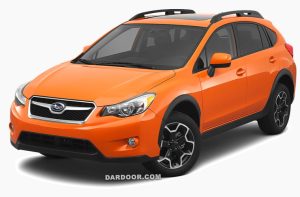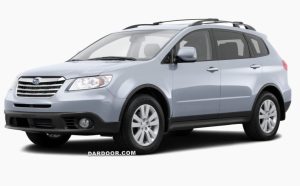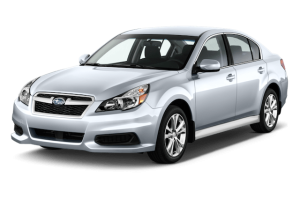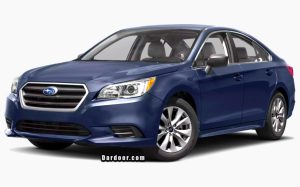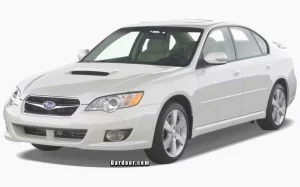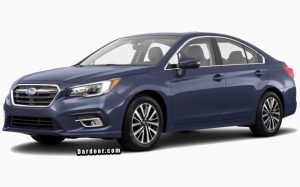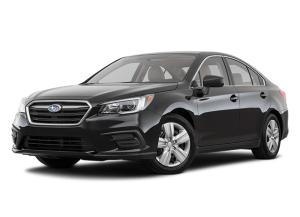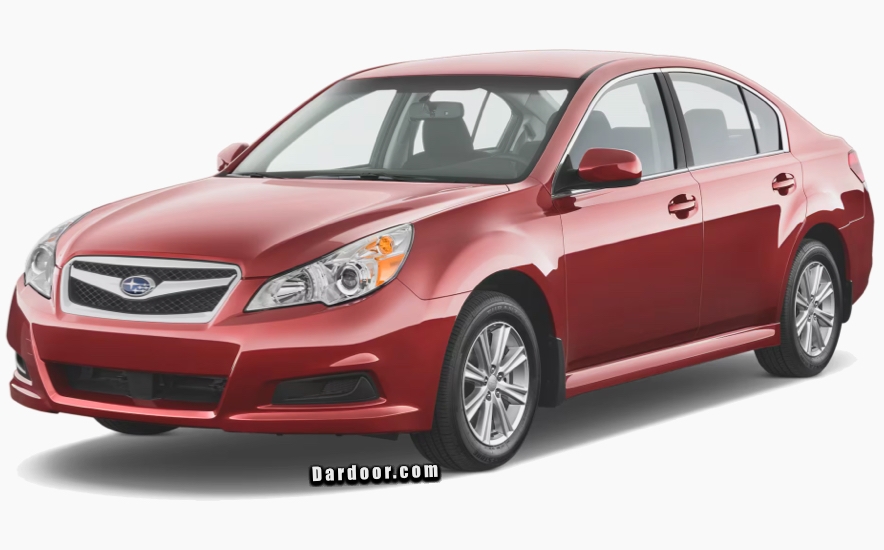
Get the OEM workshop repair manual for the 2012 Subaru Legacy and Subaru Outback, with wiring diagrams in a simple, easy-to-navigate PDF file format.
Overview
The 2012 Subaru Legacy and Outback represent the fifth generation of these popular mid-size vehicles. The Legacy is a traditional sedan, while the Outback is a crossover wagon variant with increased ground clearance and rugged styling.
Legacy Body Styles: 4-door sedan Outback Body Styles: 4-door wagon/crossover
Key Features:
- Subaru’s renowned symmetrical all-wheel drive (AWD) system standard
- Boxer engine configuration for lower center of gravity
- Spacious interiors with good cargo capacity (especially Outback)
- Strong safety ratings
- Excellent visibility and practicality
Technical Specifications
Engine Options
2.5L 4-Cylinder Boxer (FB25)
- Displacement: 2.5L (152 cubic inches)
- Power: 173 hp @ 5,800 rpm
- Torque: 174 lb-ft @ 4,100 rpm
- Configuration: Horizontally-opposed 4-cylinder (boxer)
- Fuel system: Port fuel injection
- Compression ratio: 10.5:1
3.6L 6-Cylinder Boxer (EZ36D)
- Displacement: 3.6L (220 cubic inches)
- Power: 256 hp @ 6,000 rpm
- Torque: 247 lb-ft @ 4,400 rpm
- Configuration: Horizontally-opposed 6-cylinder (boxer)
- Fuel system: Port fuel injection
- Compression ratio: 10.5:1
Transmission
- 6-speed manual (2.5L only, Legacy only)
- CVT (Lineartronic) – most common
- 5-speed automatic (3.6L only)
Drivetrain
- Symmetrical AWD standard on all models
- Limited-slip rear differential available
Dimensions
Legacy:
- Length: 189.2 inches
- Width: 71.5 inches
- Height: 59.3 inches
- Wheelbase: 108.3 inches
- Ground clearance: 5.5 inches
- Cargo volume: 14.7 cubic feet
Outback:
- Length: 189.2 inches
- Width: 71.5 inches
- Height: 65.4 inches
- Wheelbase: 108.3 inches
- Ground clearance: 8.7 inches
- Cargo volume: 35.5 cubic feet (71.3 with seats folded)
Weight & Capacity
- Curb weight: 3,362–3,748 lbs (Legacy), 3,571–3,858 lbs (Outback)
- Towing capacity: 2,700 lbs (when properly equipped)
- Fuel tank: 18.5 gallons
Performance
- 0-60 mph: ~8.5 seconds (2.5L), ~6.7 seconds (3.6L)
- EPA fuel economy (2.5L CVT): 24 city / 32 highway / 27 combined mpg
- EPA fuel economy (3.6L): 18 city / 25 highway / 21 combined mpg
Suspension
- Front: Independent MacPherson strut
- Rear: Independent double wishbone
- Stabilizer bars front and rear
Brakes
- Front: 11.6-inch ventilated discs
- Rear: 11.5-inch ventilated discs (3.6L) or solid discs (2.5L)
- ABS standard
Steering
- Type: Electric power-assisted rack-and-pinion
- Turning diameter: 36.1 feet
Top 10 Mechanical and Electrical Issues
1. CVT Transmission Failure/Shuddering
-
- Symptoms: Hesitation during acceleration, shuddering or juddering at low speeds (15-25 mph), whining or grinding noises, slipping, delayed engagement, check engine light
- Root Cause: The Lineartronic CVT in 2012 models was an early generation design with inadequate lubrication, overheating issues, and premature wear of the torque converter and valve body. Software calibration issues also contributed to operational problems.
- Fix: CVT fluid replacement with updated fluid, software updates, valve body replacement, or complete CVT replacement in severe cases
- Cost: $200-500 (fluid service), $500-1,500 (valve body), $4,000-7,000 (complete CVT replacement)
2. Head Gasket Failure (2.5L Engine)
-
- Symptoms: External oil leaks around cylinder heads, coolant leaks, white exhaust smoke, overheating, bubbling in coolant reservoir, low coolant levels, rough idle
- Root Cause: While improved from earlier generations, the 2012 FB25 engine still experienced head gasket issues due to the boxer engine’s horizontal configuration causing uneven stress distribution and thermal expansion differences between aluminum heads and block.
- Fix: Head gasket replacement, cylinder head resurfacing, timing components replacement during service
- Cost: $1,800-3,500 (typically includes timing belt/chains, water pump, and related components)
3. Engine Oil Consumption (2.5L and 3.6L)
-
- Symptoms: Low oil warnings, frequent need to add oil between changes (>1 quart per 1,000-1,200 miles), blue smoke from exhaust, fouled spark plugs
- Root Cause: Piston ring design issues, particularly on the FB25 engine, allowed excessive oil to pass into combustion chambers. Hardened piston rings failed to maintain proper seal against cylinder walls.
- Fix: Short-block or complete engine replacement under extended warranty, piston ring replacement, valve guide seal replacement
- Cost: $5,000-8,000 (engine replacement), $2,500-4,000 (piston ring service)
4. Wheel Bearing Failure
-
- Symptoms: Grinding, humming, or roaring noise that increases with speed, noise changes when turning, vibration through steering wheel or floor, uneven tire wear, ABS warning light
- Root Cause: Hub bearing assemblies on AWD Subarus experience accelerated wear due to constant load from the AWD system, exposure to road salt and moisture, and inadequate sealing allowing contamination.
- Fix: Wheel bearing/hub assembly replacement (sold as complete unit)
- Cost: $300-600 per wheel (parts and labor)
5. Torque Converter Shudder (5-Speed Automatic with 3.6L)
-
- Symptoms: Vibration or shuddering sensation during light acceleration (typically 30-50 mph), feels like driving over rumble strips, occurs when transmission is warming up
- Root Cause: Degraded transmission fluid, worn torque converter clutch material, valve body issues causing improper lockup
- Fix: Transmission fluid flush with Subaru-specified fluid, torque converter replacement, valve body service
- Cost: $150-300 (fluid service), $1,200-2,000 (torque converter replacement)
6. Air Conditioning Compressor Failure
-
- Symptoms: No cold air, intermittent cooling, loud squealing or grinding noise from engine bay, compressor clutch not engaging, refrigerant leaks
- Root Cause: Compressor clutch bearing failure, internal seal degradation, compressor pulley issues, electrical relay/fuse problems
- Fix: AC compressor replacement, receiver/drier replacement, system evacuation and recharge
- Cost: $800-1,500 (compressor replacement with refrigerant)
7. Starter Motor Failure
-
- Symptoms: Clicking sound when turning key, engine won’t crank, intermittent starting issues (especially when hot), grinding noise during starting attempt
- Root Cause: Starter solenoid contacts wear out prematurely, brush wear inside starter motor, heat exposure from engine proximity causing electrical degradation
- Fix: Starter motor replacement
- Cost: $400-700 (parts and labor)
8. Power Steering Pump Leak/Failure
-
- Symptoms: Whining or groaning noise when turning, especially when cold, heavy steering effort, power steering fluid leaks, low fluid reservoir
- Root Cause: Pump seal deterioration, internal pump wear, high-pressure hose degradation, rack and pinion seal leaks
- Fix: Power steering pump replacement, hose replacement, rack and pinion seal service
- Cost: $400-700 (pump), $200-400 (hoses), $800-1,500 (rack and pinion)
9. Oxygen Sensor Failure
-
- Symptoms: Check engine light (P0420, P0171, P0172 codes), poor fuel economy, rough idle, failed emissions test, hesitation during acceleration
- Root Cause: Sensor contamination from oil consumption issues, normal wear and degradation over time, exposure to engine heat and exhaust gases
- Fix: Oxygen sensor replacement (multiple sensors: upstream and downstream)
- Cost: $200-400 per sensor (parts and labor)
10. Brake Light Switch Failure
-
- Symptoms: Brake lights don’t work, cruise control won’t engage, can’t shift out of park, push-button start won’t work, check engine light
- Root Cause: Electrical contact wear inside brake light switch, plastic component degradation, improper switch adjustment
- Fix: Brake light switch replacement and adjustment
- Cost: $100-200 (parts and labor)
Top 5 Competitors (2012 Model Year)
1. Honda Accord (Sedan) / Honda CR-V (vs Outback)
-
- Strengths: More reliable CVT, better fuel economy, lower maintenance costs, spacious interior
- Weaknesses: No standard AWD, less ground clearance, less cargo space than Outback
- Price comparison: Similar MSRP range
2. Toyota Camry (Sedan) / Toyota RAV4 (vs Outback)
-
- Strengths: Industry-leading reliability, strong resale value, comfortable ride, proven powertrains
- Weaknesses: AWD only on V6 Camry, less engaging to drive, smaller cargo area
- Price comparison: Slightly higher resale value
3. Mazda6 (Sedan) / Mazda CX-5 (vs Outback)
-
- Strengths: More engaging driving dynamics, better interior materials, efficient engines
- Weaknesses: No AWD on Mazda6, smaller interior space, less off-road capability
- Price comparison: Comparable pricing
4. Ford Fusion (Sedan) / Ford Edge (vs Outback)
-
- Strengths: Multiple engine options including turbocharged, modern technology features, comfortable ride
- Weaknesses: Lower reliability ratings, higher depreciation, more expensive repairs
- Price comparison: Similar to slightly lower
5. Volkswagen Passat (Sedan) / Volkswagen Tiguan (vs Outback)
-
- Strengths: Refined interior, excellent highway cruising, available 4Motion AWD
- Weaknesses: Higher maintenance costs, less reliable, smaller dealer network
- Price comparison: Higher maintenance costs offset initial price
Top 10 Recalls, Advisories & TSB Highlights
Recalls
1. NHTSA Campaign 16V-576 (August 2016) – Brake Lamp Switch
- Issue: Brake lamp switch may fail, preventing brake lights from illuminating and disabling cruise control and push-button start
- Vehicles affected: 2012 Legacy and Outback (approximately 270,000 vehicles)
- Fix: Dealer replaces brake lamp switch free of charge
2. NHTSA Campaign 19V-706 (October 2019) – PCV Valve
- Issue: Positive Crankcase Ventilation (PCV) valve may clog, causing rough idle, stalling, and potential engine damage
- Vehicles affected: 2012-2013 Legacy and Outback with 2.5L engine
- Fix: Dealer inspects and replaces PCV valve and updates ECM software
3. NHTSA Campaign 20V-063 (February 2020) – Fuel Pump
- Issue: Low-pressure fuel pump may fail, causing engine stall and no-restart condition
- Vehicles affected: Certain 2012 Legacy and Outback models
- Fix: Dealer replaces fuel pump assembly
4. NHTSA Campaign 14V-353 (June 2014) – Steering Column
- Issue: Steering column stop pad may detach, potentially interfering with steering operation
- Vehicles affected: 2012 Legacy and Outback
- Fix: Dealer replaces steering column stop pad
Technical Service Bulletins (TSBs)
5. TSB 02-157-14R – CVT Judder/Shudder
- Issue: CVT transmission exhibits shudder during light acceleration
- Solution: Replace CVT fluid with updated formulation, update transmission control module software
- Applicability: 2012 Legacy/Outback with CVT
6. TSB 15-181-17 – Excessive Oil Consumption
- Issue: 2.5L engines consuming excessive oil between changes
- Solution: Dealer performs oil consumption test; if confirmed, short-block replacement under extended warranty
- Applicability: 2012-2014 Legacy/Outback with FB25 engine
7. TSB 05-84-13 – Wind Noise from A-Pillar
- Issue: Wind noise from A-pillar area at highway speeds
- Solution: Install revised weatherstrip seals
- Applicability: 2012 Legacy and Outback
8. TSB 11-150-13R – Bluetooth Connectivity Issues
- Issue: Bluetooth audio streaming intermittent or won’t connect
- Solution: Update head unit software
- Applicability: 2012 Legacy/Outback with navigation
9. TSB 12-142-14 – Rear Differential Noise
- Issue: Whining or humming noise from rear differential
- Solution: Replace rear differential fluid with updated specification
- Applicability: 2012 Legacy/Outback AWD
10. TSB 03-81-12 – Brake Squeal
- Issue: Brake squeal during light application
- Solution: Replace front brake pads with revised compound and resurface rotors
- Applicability: 2012 Legacy and Outback
Maintenance Schedule
Every 6,000 Miles or 6 Months
- Engine oil and filter change (conventional oil; 7,500 miles for synthetic)
- Rotate tires
- Inspect brake pads and rotors
- Check all fluid levels
Every 12,000 Miles or 12 Months
- Replace engine air filter
- Replace cabin air filter
- Inspect battery and clean terminals
- Inspect exhaust system
- Inspect steering and suspension components
Every 30,000 Miles
- Replace engine air filter (if not done at 12k intervals)
- Inspect fuel system and lines
- Inspect cooling system hoses and connections
- Inspect drive belts
- Inspect brake fluid (replace every 30k miles or as needed)
Every 60,000 Miles
- Replace spark plugs
- Replace rear differential fluid
- Replace transmission fluid (CVT and automatic – critical for longevity)
- Replace coolant
- Inspect front and rear axle boots
- Inspect fuel filter
Every 105,000 Miles or 105 Months
- Replace timing chain/belt (Note: FB25 and EZ36 use timing chains, not belts, but still require inspection)
- Replace engine coolant (if not done at 60k)
- Comprehensive brake system inspection
As Needed
- Brake pad replacement: 30,000-70,000 miles
- Brake rotor replacement: 50,000-100,000 miles
- Battery replacement: 4-6 years
- Wiper blades: 6-12 months
- Tires: 40,000-70,000 miles depending on type
Critical Maintenance Notes
- CVT fluid changes are essential despite Subaru’s “lifetime fluid” claims – change at 60k miles
- Monitor oil consumption closely on 2.5L engines between changes
- Use genuine Subaru or manufacturer-approved fluids especially for CVT and differentials
- Maintain documentation of all services for warranty claims
10 Frequently Asked Questions for Buyers
1. Is the 2012 Subaru Legacy/Outback reliable?
The 2012 models have mixed reliability. The CVT transmission and oil consumption issues are significant concerns. However, with proper maintenance and if major issues (CVT, head gaskets) have already been addressed, they can be dependable. Always check service history and consider a pre-purchase inspection. Consumer Reports rates 2012 reliability as average to below average.
2. Which engine is better: the 2.5L or 3.6L?
The 3.6L six-cylinder is more reliable with fewer oil consumption issues and no head gasket problems. It offers significantly better power (256 hp vs 173 hp) and smoother operation. However, it gets worse fuel economy (18/25 vs 24/32 mpg) and uses a 5-speed automatic instead of CVT. For reliability and performance, choose the 3.6L if you can accept lower fuel economy.
3. How do I check if the CVT has been replaced or serviced?
Request complete service records from the dealer or previous owner. Look for receipts showing CVT fluid changes, software updates, or transmission replacement. Contact a Subaru dealer with the VIN to check warranty claim history. If no documentation exists, have a Subaru technician test drive the vehicle and check for shuddering, especially during 15-25 mph acceleration.
4. What mileage is too high for a 2012 Legacy/Outback?
Given the CVT and oil consumption issues, approach high-mileage examples (over 100,000 miles) with caution unless the CVT has been replaced or extensively serviced. Well-maintained examples with documented service can reach 200,000+ miles, but budget for potential major repairs. Ideal purchase range is 60,000-100,000 miles with complete service history.
5. How can I test for oil consumption issues?
Check the oil dipstick when cold before purchasing. Ask owner about oil consumption between changes. During test drive, look for blue smoke from exhaust during acceleration. Request oil change records showing frequency of top-ups. A proper test involves monitoring oil consumption over 1,000-1,200 miles, consuming more than 1 quart indicates a problem.
6. Are parts and repairs expensive?
Subaru parts are moderately priced, higher than Honda/Toyota but lower than European brands. Specialty items like CVT transmissions ($4,000-7,000) and boxer engine components are expensive. Independent mechanics familiar with Subarus can save 30-40% versus dealer rates. Budget $800-1,200 annually for maintenance and repairs on a higher-mileage example.
7. How does AWD affect maintenance costs?
Subaru’s symmetrical AWD is full-time, meaning all components are constantly engaged. This increases wear on tires (must replace all four simultaneously), wheel bearings, and differentials. Tire costs are higher since you can’t replace just two. Differential fluid changes every 60k miles add cost. Overall, expect 15-20% higher maintenance costs versus 2WD vehicles.
8. What should I look for during a test drive?
Listen for CVT whining or grinding, feel for shuddering during 15-25 mph acceleration, check for smooth shifting and engagement. Test steering for unusual noises when turning. Monitor temperature gauge for overheating. Check for excessive vibration at highway speeds (wheel bearings). Verify all electronics, AC, and infotainment work properly. Look for oil leaks under engine after test drive.
9. Is it worth buying an extended warranty?
Given the CVT and engine issues, an extended warranty or CPO coverage can provide valuable protection, especially for the CVT ($4,000-7,000 replacement cost). Look for plans covering transmission, engine internals, and electrical systems. Ensure the warranty is honored at Subaru dealers and reputable independents. Cost typically runs $1,500-3,000 for comprehensive coverage.
10. Legacy vs. Outback: which should I choose?
Choose the Outback if you need maximum cargo space (71 vs 15 cubic feet), higher ground clearance (8.7″ vs 5.5″), and more rugged styling for light off-road use. Choose the Legacy if you prefer sedan handling, better fuel economy, lower ride height for easier entry, and a more refined on-road experience. Both share mechanical components and reliability concerns.
Final Buyer Recommendations
Consider Buying If:
- You find a 3.6L model with documented service history
- The CVT has been replaced under warranty with proof
- You’re purchasing certified pre-owned with extended warranty coverage
- The vehicle has under 80,000 miles with complete maintenance records
- Oil consumption test has been performed showing acceptable results
- Price reflects potential repair costs (at least $2,000-3,000 below market)
- You specifically need Subaru’s AWD capability for weather/terrain
- You plan to keep the vehicle and can handle potential repair costs
Avoid or Proceed with Extreme Caution If:
- 2.5L engine shows signs of oil consumption (>1 quart per 1,200 miles)
- CVT exhibits any shuddering, hesitation, or unusual noises
- No service records available or gaps in maintenance history
- Vehicle has over 120,000 miles without major component replacements
- Coolant or oil leaks visible around head gaskets
- Multiple warning lights or deferred maintenance evident
- Seller cannot provide documentation of recall completions
- Price seems “too good to be true” compared to market average
Best Value Alternative:
If reliability is your primary concern, consider a 2012 Honda Accord or Toyota Camry with AWD (if needed), or wait for a 2015+ Subaru Legacy/Outback with updated CVT and reduced oil consumption issues. The 2013-2014 models share many of the same problems as 2012.
Bottom Line:
The 2012 Subaru Legacy and Outback offer excellent AWD capability, practicality, and safety, but come with significant reliability concerns around the CVT transmission and engine oil consumption. These are not recommended as high-mileage budget purchases unless you’re prepared for expensive repairs. The 3.6L engine models are notably more reliable but harder to find. A thorough pre-purchase inspection by a Subaru specialist is essential, and extended warranty coverage is highly recommended for peace of mind.
Recommended Budget: Set aside $2,000-4,000 for potential repairs within the first two years of ownership, particularly if purchasing a higher-mileage 2.5L CVT model.