2012-2018 Kia Ceed Repair Manual

$16.90

Get the original OEM workshop service and auto repair manual for the 2012-2018 Kia Ceed (2nd generation), with the wiring diagrams in an easy-to-use PDF format..

2012–2018 Kia Ceed (Second Generation) — OEM Workshop Service & Repair Manual (PDF)

Get the original OEM workshop service and repair manual for the 2012–2018 Kia Ceed (second generation) . This fully indexed PDF is the same factory documentation used by Kia dealership technicians , including step-by-step repair procedures and the complete electrical wiring diagrams manual for accurate diagnostics and repairs.


File Format PDF
File Language English
You’ll Get 108.4 MB
Pages Count 4,451
Wiring Diagram Included
Delivery Method Instant Download
Repair and maintain your Kia Ceed using the same information trusted by Kia dealer technicians. 

Coverage

  • Model Years: 2012, 2013, 2014, 2015, 2016, 2017, 2018
  • Generation: Second Generation (JD)
  • Body Styles: Hatchback & Sportswagon

Engines Covered

  • Kia Ceed D 1.6 TCI-U (Diesel)
  • Kia Ceed G 1.6 T-GDI (Petrol)

Key Features

Complete OEM Coverage

Factory-approved service, maintenance, and repair procedures for all systems.

Wiring Diagrams Manual

Detailed electrical schematics, connector views, pinouts, and grounding points.

Diagnostics & DTCs

Official fault codes, test values, and troubleshooting flowcharts.

User-Friendly PDF

Searchable, bookmarked, and printable for workshop or home use.

What’s Inside

  • Routine maintenance schedules, fluids, and torque specifications
  • Engine mechanical repair and overhaul procedures
  • Transmission & drivetrain servicing
  • Brakes, suspension, steering, and ABS/ESC systems
  • Complete electrical system with wiring diagrams
  • HVAC, body, interior, and safety systems (SRS/airbags)

Download & Compatibility

Delivery: Instant digital PDF download
Compatibility: Windows • macOS • iOS • Android

This manual provides detailed instructions for maintenance, disassembly, reassembly, component inspection, adjustment, and diagnostics—intended for use by experienced mechanics. Proper application of this guide will help ensure thorough repairs and maintain your vehicle in peak condition.

Important Note: Before purchasing this manual, please check whether your vehicle is subject to any active service recalls , as authorized dealerships may perform necessary repairs free of charge. When replacing parts, always use genuine OEM components to ensure safety, reliability, and long-term performance.

Table of Contents : 2012-2018 Kia Ceed Repair Manual

1- KIA Ceed D 1.6 TCI-U.

  • General Information.
  • Automatic Transaxle System.
  • Body (Interior and Exterior).
  • Body Electrical System.
  • Brake System.
  • Clutch System.
  • Driveshaft and axle.
  • Engine Electrical System.
  • Engine Mechanical System.
  • Fuel System.
  • Heating, Ventilation, Air Conditioning.
  • Manual Transaxle System.
  • Steering System.
  • Suspension System.
  • Wiring diagrams.

2-Kia Ceed G 1.6 T-GDI

  • General Information.
  • Automatic Transaxle System.
  • Body (Interior and Exterior).
  • Body Electrical System.
  • Brake System.
  • Clutch System.
  • Driveshaft and axle.
  • Engine Electrical System.
  • Engine Mechanical System.
  • Fuel System.
  • Heating, Ventilation, Air Conditioning.
  • Manual Transaxle System.
  • Steering System.
  • Suspension System.
  • Wiring diagrams.

SAMPLE PAGES


CAUTION : This OEM service and workshop repair manual provides detailed procedures for maintenance, disassembly, reassembly, inspection, adjustment, and diagnostics. It is intended as a comprehensive guide for experienced mechanics. To ensure thorough and accurate repairs that maintain your vehicle’s optimal performance, please read and follow this manual carefully. When replacing parts during any repair work, always use genuine Kia parts to ensure quality, safety, and reliability.

2012–2018 Kia Ceed (JD): Overview, Specs, Common Problems, Maintenance, Recalls/TSBs, DTC Codes, FAQ & Final Verdict

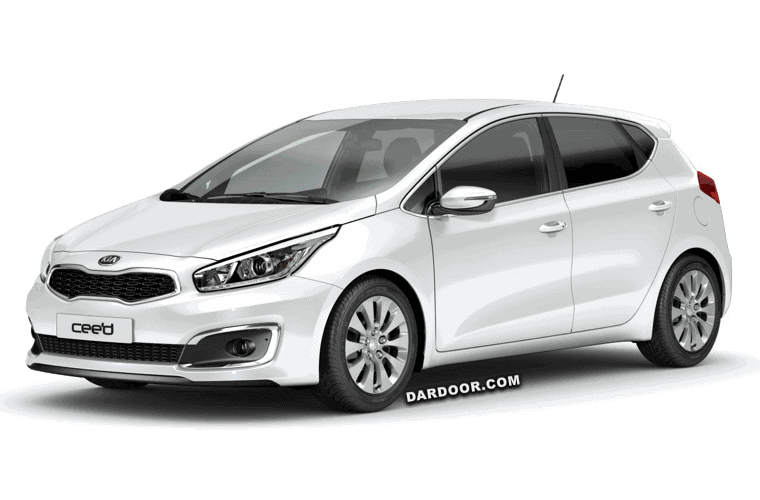
The 2012–2018 Kia Ceed (also written as Kia cee’d before 2018) is the 2nd-generation JD model designed for Europe. It’s a practical C-segment hatch (also available as an estate/“Sportswagon” in many markets) with a long warranty reputation, sensible running costs, and a strong “daily driver” personality. A notable refresh arrived with the 2015 facelift (sold in many markets as 2016 model year), with powertrain/tech updates on some trims.


🔔 Note: Engine/transmission availability varies by country. This guide covers the most common JD-era petrol & diesel setups and owner-reported patterns.

Who This Guide Is For

  • Owners diagnosing warning lights, drivability issues, or annoying electrical glitches
  • DIY mechanics planning maintenance intervals and typical repairs
  • Used-car buyers wanting the “what to check before you buy” short list
  • Technicians who want fast, structured symptoms → cause → fix + DTC tables

Technical Specs (Typical for 2012–2018 JD)

  • Class: Compact / C-segment hatchback (some markets also estate)
  • Layout: Front-engine, front-wheel drive
  • Transmissions: 6MT / 6AT (varies) + 7-speed DCT on some facelift-era trims/engines
  • Typical facelift dimensions (hatch): Length ~4310 mm, Wheelbase ~2650 mm, Width ~1780 mm, Height ~1470 mm
  • Safety: Strong crash-test reputation for the segment
🔔 Note:  Exact engine outputs and curb weight vary by trim/market. If you tell me your engine code (e.g., 1.6 GDI / 1.6 CRDi), I can tailor issues and costs even tighter.

🏁 Performance & Driving

  • Character: Stable and predictable—more “grown-up commuter” than hot hatch (unless GT/GT Line trims).
  • Best use: City + motorway daily driving, with comfortable long-distance manners for the class.
  • Diesel note: Great economy when driven properly, but short-trip use increases EGR/DPF risk.
  • DCT note: Smooth when healthy, but it needs correct fluid/service habits and clean adaptation learning.

Top 10 Common Mechanical Issues (Owner-Reported Patterns)

  1. DPF clogging / frequent regenerations (Diesel: 1.4/1.6 CRDi)
    Symptoms: Reduced power, rising oil level, fan running after shutdown, frequent regens, DPF light/EML.
    Root Cause: Short trips + low exhaust temps; soot loading; faulty sensors can worsen it.
    Fix: Forced regen (if safe), check DPF pressure sensor lines, verify temp/pressure sensors, address injector/EGR issues, adopt longer drives; DPF clean/remove & refit if blocked.
    Cost to Fix: $180–$450 (diagnosis/sensors) / $400–$900 (professional clean) / $1,200–$2,800 (replacement).
  2. EGR valve sticking / EGR flow faults (Diesel)
    Symptoms: Hesitation, limp mode, smoke, poor economy, EML, rough idle.
    Root Cause: Carbon buildup + soot; short-trip driving accelerates deposits.
    Fix: Confirm with scan data; remove/clean EGR and passages; replace if actuator/sticking persists; update software if applicable.
    Cost to Fix: $220–$650 (clean/service) / $650–$1,400 (replace).
  3. Turbo underboost / boost leak (some diesels)
    Symptoms: Weak acceleration, late boost, limp mode, whistle/hiss, EML (often underboost-type code).
    Root Cause: Split boost hose, loose clamp, sticking VNT actuator, vacuum leak, intercooler seep/leak.
    Fix: Smoke/pressure test intake; inspect charge pipes/intercooler; vacuum test actuator; repair leaks; only replace turbo after confirming control + leaks.
    Cost to Fix: $120–$450 (hoses/clamps/vac leaks) / $350–$900 (actuator/control) / $1,300–$3,200 (turbo).
  4. Injector wear / leak-back (Diesel, higher mileage)
    Symptoms: Hard starts, rough idle, diesel knock, smoke, poor economy, misfire-like feel.
    Root Cause: Injector wear, contamination, long service intervals, poor fuel quality.
    Fix: Leak-back test; replace seals; refurb/replace injectors as needed; reset adaptations; verify fuel pressure.
    Cost to Fix: $180–$450 (testing/seals) / $900–$2,400 (injectors set depending on count).
  5. Timing chain rattle (some petrol engines)
    Symptoms: Cold start rattle, rough idle, occasional timing-related codes, reduced performance.
    Root Cause: Chain stretch/tensioner wear accelerated by long oil intervals or low oil level.
    Fix: Confirm noise source; inspect oil condition; replace chain kit if confirmed; keep oil intervals conservative.
    Cost to Fix: $900–$2,400.
  6. GDI intake carbon buildup (petrol GDI engines)
    Symptoms: Hesitation, rough idle, reduced power, worsening MPG over time.
    Root Cause: Direct injection doesn’t wash intake valves; deposits build up.
    Fix: Walnut blasting / intake cleaning; inspect PCV system; use quality fuel and proper oil service.
    Cost to Fix: $350–$900.
  7. Clutch wear / judder (manual)
    Symptoms: Shudder on takeoff, slipping under load, high bite point, burning smell.
    Root Cause: Normal wear, city driving, contaminated friction surfaces; DMF wear on some variants.
    Fix: Replace clutch kit; inspect/replace dual-mass flywheel if noisy/vibrating; check rear main seal leaks.
    Cost to Fix: $700–$1,600 (clutch) / $1,200–$2,500 (with DMF).
  8. DCT shudder / slow engagement (7DCT, where equipped)
    Symptoms: Shudder at low speed, delayed takeoff, jerky crawling, clutch overheat warnings in traffic.
    Root Cause: Clutch wear, adaptation drift, contaminated fluid (if serviceable), mechatronic control issues.
    Fix: Check for updates; perform adaptation relearn; inspect clutch wear values; service fluid if specified; repair mechatronic if confirmed.
    Cost to Fix: $220–$650 (diag/adapt/update) / $900–$2,200 (clutch service/repair) / $1,800–$3,800 (mechatronic).
  9. Suspension wear: drop links / bushings / rear noise
    Symptoms: Knocking over bumps, vague steering, uneven tire wear.
    Root Cause: Normal wear on links/bushings; roads + mileage accelerate it.
    Fix: Inspect play; replace worn links/bushings; alignment afterward.
    Cost to Fix: $180–$700 (depending on parts and alignment).
  10. Cooling system seepage (hoses/thermostat/housing)
    Symptoms: Coolant smell, slow coolant loss, temperature fluctuations, heater performance changes.
    Root Cause: Aging plastic housings/seals, clamps, thermostat wear.
    Fix: Pressure test; replace leaking components; refill/bleed correctly; verify fan operation.
    Cost to Fix: $180–$900.
⚠️ Diesel ownership tip: most “expensive” Cee’d issues come from short-trip use (DPF/EGR/turbo controls). If your driving is mostly 5–10 minute runs, consider petrol.

Top 10 Common Electrical Issues (Owner-Reported Patterns)

  1. Door locking issues (locks fail to lock/unlock)
    Symptoms: One door doesn’t lock, repeated locking attempts, intermittent central locking.
    Root Cause: Door lock actuator wear, latch microswitch faults, wiring at door hinge.
    Fix: Scan body module; verify actuator command; inspect hinge harness; replace actuator/latch if confirmed.
    Cost to Fix: $160–$450 (single actuator) / $450–$900 (multiple doors or wiring repair).
  2. Flickering DRL / headlight unit issues
    Symptoms: DRL flickers, one side intermittently out, warnings on dash (varies).
    Root Cause: LED/DRL driver issues in the headlight unit, poor ground/connector contact.
    Fix: Inspect connectors/grounds; confirm voltage stability; replace repairable driver/module if available, otherwise headlamp assembly (market-dependent).
    Cost to Fix: $80–$250 (wiring/ground) / $450–$1,400 (lamp unit/module).
  3. Bluetooth pairing / infotainment glitches
    Symptoms: Random disconnects, won’t pair, audio dropouts, rebooting head unit.
    Root Cause: Software bugs, corrupted settings, weak battery voltage events.
    Fix: Update firmware if available; hard reset; delete and re-pair; battery/charging test; check grounds.
    Cost to Fix: $0–$120 (reset/update) / $250–$1,200 (head unit repair/replace).
  4. Sat-nav / screen freezes (where equipped)
    Symptoms: Touchscreen lag, freezing, map errors, black screen.
    Root Cause: Aging storage/media, firmware bugs, overheating/voltage dips.
    Fix: Software update; inspect power/ground; consider professional repair (board-level) before replacement.
    Cost to Fix: $0–$150 (update/diag) / $300–$1,500 (repair/replace).
  5. Stop-start system warnings / not working (facelift-era, where fitted)
    Symptoms: ISG/Stop-start disabled message, frequent “battery charging” notice, inconsistent operation.
    Root Cause: Weak AGM battery, battery sensor issues, HVAC load, software logic.
    Fix: Battery test with correct battery type; check IBS sensor; update software; verify alternator output.
    Cost to Fix: $220–$520 (battery) / $120–$450 (sensor/diag).
  6. HVAC blower resistor / fan speed issues
    Symptoms: Fan only works on max, intermittent blower, no blower.
    Root Cause: Resistor pack overheating/failing; blower motor wear.
    Fix: Replace resistor pack; check blower current draw; replace blower motor if drawing high amps.
    Cost to Fix: $120–$450 (resistor) / $300–$850 (blower motor).
  7. TPMS warning (sensor battery aging)
    Symptoms: TPMS light, intermittent pressure readings, “check TPMS” message.
    Root Cause: Sensor battery end-of-life; sensor damage during tire work.
    Fix: Replace sensors during tire service; reprogram IDs; verify correct frequency for market.
    Cost to Fix: $60–$140 per sensor (parts) / $180–$600 (set installed/programmed).
  8. Battery drain / parasitic draw
    Symptoms: Dead battery after a few days, slow crank, random module glitches.
    Root Cause: Module not sleeping, aftermarket accessories, weak battery.
    Fix: Parasitic draw test; pull fuses to isolate circuit; correct accessory wiring; replace battery if weak.
    Cost to Fix: $150–$450 (diagnosis) / $220–$520 (battery) / $250–$900 (wiring/module fixes).
  9. Power window slow / auto-up issues
    Symptoms: Slow window, bounces back, stops mid-travel.
    Root Cause: Dry channels, regulator wear, anti-pinch calibration drift.
    Fix: Clean/lube channels; reset auto-up calibration; replace regulator if worn.
    Cost to Fix: $40–$120 (service/reset) / $250–$650 (regulator/motor).
  10. Parking sensor false beeps (if fitted)
    Symptoms: Constant beep, random “object detected,” sensor errors in rain/dirt.
    Root Cause: Sensor contamination, water intrusion, damaged sensor/harness.
    Fix: Clean sensors; scan for codes; test each sensor; replace faulty sensor; seal connectors.
    Cost to Fix: $60–$150 (clean/diag) / $180–$650 (sensor replacement).

Pros & Cons

Pros Cons
Practical size, good cabin packaging for the segment Diesel short-trip use can trigger DPF/EGR headaches
Strong safety reputation DCT (if equipped) can be costly if neglected
Good value used market vs many rivals Infotainment/phone connectivity can feel dated
Generally straightforward maintenance Turbo/boost leaks on some diesels can be time-consuming to chase
Long warranty culture (region-dependent) Wear items (links/bushings/tires) add up with mileage

Maintenance Schedule (Practical Owner Table)

Interval Service Items Notes
Every 8,000–10,000 mi / 13,000–16,000 km (or yearly) Oil & filter; inspect brakes/tires/fluids Diesel + short trips: consider shorter oil intervals
Every 20,000 mi / 32,000 km Cabin filter; rotate tires; suspension/steering inspection Catch link/bushing wear early
Every 30,000–40,000 mi / 48,000–64,000 km Engine air filter; brake fluid check/replace if needed Brake fluid: typically every 2 years is smart
Every 60,000 mi / 96,000 km Manual gearbox oil (if required); inspect cooling system Check for leaks, thermostat health
Every 60,000–80,000 mi / 96,000–128,000 km Diesel fuel filter (diesel); spark plugs (petrol, per engine) Follow engine-specific schedule
As needed (DCT models) DCT adaptation checks; fluid service if specified for your market Don’t guess—confirm the exact gearbox service spec
👉 Best practice: match intervals to severity (short trips, towing, very hot/cold climates). Always confirm your exact schedule in the owner’s manual for your country/engine.

Top 5 Competitors


Recalls, Advisories & TSB Highlights

🔔 Note: Recalls and service campaigns are VIN + country specific. Always check your vehicle using the official Kia recall checker for your region before purchasing or repairing.
  1. Official Kia recall lookup (EU) — Use VIN to confirm open recalls/campaigns.
  2. Official Kia recall lookup (Canada) — VIN tool for Transport Canada campaigns.
  3. Stop lamp / brake light switch malfunction (industry-wide Hyundai/Kia era issue) — can cause brake lights not working or staying on; may also affect ESC/cruise logic depending on model/market.
  4. Brake pedal stopper pad deterioration — can cause stop lamps to remain on; seen in some markets/models and should be checked.
  5. Airbag clock spring / steering column contact assembly campaigns — can trigger airbag warning light and affect steering wheel controls (varies by model/market).
  6. Fuel pump campaign families (varies by market) — stalling risk on affected populations; verify by VIN.
  7. ABS/HECU electrical short advisories (certain Kia models/years) — “park outside” style advisories exist for some Kia lines; verify applicability by VIN.
  8. Diesel emissions-related service updates (EGR/DPF strategy) — updates may exist to improve regen behavior or fault thresholds.
  9. ECU/TCU software updates — may refine shift logic (auto/DCT) and reduce drivability complaints.
  10. Buyer safety step — insist open recalls are closed before purchase; keep proof in service records.
⚠️ Because the Cee’d is primarily a European-market model, recall listings differ significantly by country.

DTC Trouble Codes

Engine Control Module (ECM) — 10 Common Codes

DTC What It Means Likely Root Cause Recommended Fix
P0300 Random/Multiple Misfire Ignition/fuel/air issue Check misfire counters; plugs/coils; smoke test; fuel trims
P0171 System Too Lean (Bank 1) Vacuum leak, MAF, fuel delivery Smoke test; MAF clean/test; fuel pressure test
P0101 MAF Range/Performance MAF contamination, intake leak Inspect intake; clean/replace MAF; check trims
P0128 Coolant Temp Below Regulating Thermostat stuck open, low coolant Pressure test; replace thermostat; bleed properly
P0420 Catalyst Efficiency Low Cat aging, O2 drift, exhaust leak Check leaks; verify O2; fix misfires before cat
P0401 EGR Flow Insufficient EGR sticking, carbon buildup Clean/inspect EGR; verify control; update if applicable
P0299 Turbo Underboost Boost leak, actuator/vacuum issue Pressure test; vacuum test; inspect hoses/intercooler
P2002 DPF Efficiency Below Threshold DPF loaded, sensor fault Check sensors/lines; regen; clean/replace DPF
P2453 DPF Pressure Sensor Range Sensor/line blockage Inspect hoses; replace sensor; verify values
P0087 Fuel Rail Pressure Too Low Filter, pump, injectors Fuel pressure tests; replace filter; diagnose pump/injectors

Transmission Control Module (TCM) — 10 Common Codes

DTC What It Means Likely Root Cause Recommended Fix
P0700 TCM MIL Request Underlying gearbox fault Read TCM-specific codes; diagnose root cause
P0715 Input/Turbine Speed Sensor Sensor/wiring Check harness; verify signal; replace if needed
P0720 Output Speed Sensor Sensor/wiring Inspect/replace; verify with scan data
P0730 Incorrect Gear Ratio Low fluid, internal slip Fluid check; adaptations; pressure tests
P0741 TCC Performance Converter clutch/solenoid Verify slip; fluid service; solenoid tests
P0711 ATF Temp Sensor Range Sensor/wiring/overheat Check sensor; cooling; driving conditions
P0805 Clutch Position Sensor (DCT) Sensor/adaptation Relearn/adapt; inspect sensor; replace if faulty
P0900 Clutch Actuator Circuit (DCT) Actuator/wiring Electrical checks; actuator test; repair
P17BF DCT Clutch Performance Wear/adaptation Check wear values; adaptation; clutch service
P17A0 DCT System Malfunction Mechatronic/control issue Scan, update, pinpoint test; repair mechatronic

ABS / ESC (Brake System) — 10 Common Codes

DTC What It Means Likely Root Cause Recommended Fix
C0035 Front Left Wheel Speed Sensor Sensor/tone ring/wiring Inspect gap, wiring; replace sensor
C0040 Front Right Wheel Speed Sensor Sensor/tone ring/wiring Inspect/repair as needed
C0045 Rear Left Wheel Speed Sensor Sensor/tone ring/wiring Inspect/repair as needed
C0050 Rear Right Wheel Speed Sensor Sensor/tone ring/wiring Inspect/repair as needed
C0110 ABS Pump Motor Circuit Motor/relay/power Check fuses/relay; power/ground tests
C0121 Valve Relay Relay/module Check relay; module tests
C0131 Brake Pressure Sensor Sensor/wiring Verify values; replace sensor if faulty
C1211 Yaw Rate / ESP Sensor Sensor/calibration Calibrate; verify; replace if needed
C1233 Steering Angle Sensor Calibration lost Perform SAS calibration
C2402 ESC Control Module Internal fault/power Check supply/grounds; module diagnosis

SRS Airbag System — 10 Common Codes

DTC What It Means Likely Root Cause Recommended Fix
B1000 SRS Control Unit Fault Module/power/ground Check power/grounds; scan; replace if confirmed
B1102 Front Impact Sensor Sensor/wiring Inspect sensor; repair wiring; replace if needed
B1213 Side Airbag Circuit Connector under seat Inspect connectors; repair wiring
B1318 Passenger Occupant Sensor OCS calibration/sensor Calibrate OCS; inspect seat harness
B1322 Seat Belt Pretensioner Pretensioner/wiring Inspect wiring; replace pretensioner if required
B1346 Clock Spring Circuit Clock spring wear Confirm; replace clock spring; clear and retest
B1360 Driver Airbag Squib Connector/wiring Inspect SRS connectors; repair per procedure
B1377 Passenger Airbag Squib Connector/wiring Inspect/repair; replace component if faulty
B1447 Curtain Airbag Circuit Harness/connector in pillar Inspect connectors; repair harness
B1490 SRS Warning Lamp Circuit Cluster/wiring Check lamp circuit; scan module for underlying faults

Body Control / CAN Communication — 10 Common Codes

DTC What It Means Likely Root Cause Recommended Fix
U0100 Lost Comm With ECM/PCM Low voltage/CAN issue Battery test; inspect CAN; grounds
U0121 Lost Comm With ABS CAN/power to ABS Check ABS power/grounds; CAN continuity
U0140 Lost Comm With BCM BCM power/CAN Check fuses; connector inspection; module tests
U0155 Lost Comm With Cluster Cluster power/CAN Check supplies; CAN; connector seating
U0184 Lost Comm With Audio Unit Infotainment bus issue Check radio power/ground; update firmware
B1101 Battery Voltage Low Weak battery/charging Load test battery; alternator output; grounds
B1342 Ignition Switch Signal Switch/harness Test switch signals; repair wiring
B1681 Door Lock Circuit Actuator/wiring Test actuator; harness at hinge; replace
B2402 Immobilizer Communication Key/antenna/module Try spare key; scan immobilizer; re-register
U0073 CAN Bus Off Short/open; module pulling bus down Isolate by unplugging modules; repair CAN wiring
🔔 Note: If you get many U-codes at once, test the battery and charging system first. Low voltage creates “ghost” network faults.

Frequently Asked Questions (FAQ)

Is the Kia Ceed reliable?

In the 2023 What Car? Reliability Survey, the Ceed achieved a 92.5% reliability rating, placing 13th out of 29 cars in the family car class What Car? . The most common issues relate to engine and engine electrics, each with a fault rate around 9%. Overall, the Ceed is considered one of the most reliable cars in its class Kia Forum .

What should I check before buying a used Cee’d?

Check service history (oil intervals), test every door lock, verify headlights/DRLs, confirm Bluetooth and infotainment stability, and for diesels: look for signs of frequent DPF regen or limp mode history.

Which engine is the safest choice for short city driving?

Petrol is usually the safer bet for frequent short trips. Diesels can be fine, but they’re happiest when regularly driven long enough to complete DPF regenerations.

Is the 7-speed DCT a problem?

Not automatically—but it’s less forgiving of neglect. Smooth operation, clean adaptations, and correct service habits matter. If you feel shuddering or delayed engagement, diagnose early.

What is the most expensive common repair?

On diesels: DPF replacement or turbo/mechatronic (on DCT cars) can be expensive. That’s why accurate diagnostics (leak tests, sensor validation) matters before replacing big parts.

Is it safe to drive with the DPF or EML light on?

You can sometimes drive short-term, but avoid hard use until diagnosed. Limp mode, overheating, misfires, or strong smoke = stop and diagnose. Prolonged driving with a severe DPF issue can cause secondary damage.

What maintenance prevents the most problems?

Conservative oil changes, keeping oil level correct, using quality filters, and making sure diesels get periodic longer drives. For DCT vehicles: follow the correct gearbox service spec for your market.

Why do my door locks work sometimes and fail other times?

Intermittent locking is commonly actuator wear or wiring fatigue at the door hinge. A scan + simple power/ground checks usually narrows it quickly.

Should I buy a high-mileage diesel Ceed?

Yes—if it has strong service history and it’s driven properly (not just short trips). Inspect DPF/EGR history and look for boost leaks or injector wear signs.

What warranty does the Kia Ceed come with?

The Ceed comes with Kia’s industry-leading seven-year, 100,000-mile warranty Carwow , which covers most mechanical and electrical components. This warranty transfers to subsequent owners as long as the vehicle has been serviced according to schedule at authorized Kia dealers.

What engines are currently available?

The current lineup has been simplified to a single 1.5-litre turbo petrol four-cylinder engine with 158 horsepower Carwow . This provides more power than entry-level competitors like the Ford Focus or VW Golf . There’s no hybrid or electric version available.

How does the boot space compare to rivals?

The Ceed offers 395 litres of luggage capacity, which exceeds most competitors Carwow . The boot floor adjusts up and down to eliminate the loading lip, making it easier to load heavy items. With the rear seats folded, there’s enough space for a bicycle with the front wheel removed.

How much does the Kia Ceed cost?

The Kia Ceed has a recommended retail price range of £23,325 to £31,485, with monthly payments starting at £354 Carwow . Used models start from around £8,795. The Ceed offers significant value compared to premium rivals, costing almost £7,000 less than the cheapest Ford Focus.

What are common problems to watch out for?

Older Ceeds have experienced clutch and gearbox issues, particularly in the 1.6 CRDi diesel and 1.0 T-GDi petrol models CarExamer . Some owners have reported doors failing to lock and headlight units needing replacement due to flickering What Car?  What Car? . However, most issues are covered under warranty.

How does it drive compared to rivals?

On twisty roads, the Ceed lags behind the Ford Focus and Mazda 3 for driver enjoyment Carwow . At motorway speeds, there’s quite a bit of road roar, though wind noise is slightly less than competitors like the Skoda Octavia What Car? . It’s comfortable for everyday driving but not particularly sporty.

What body styles are available?

Besides the standard five-door hatchback, the Ceed is available as the Sportswagon estate and the XCeed crossover SUV. The shooting brake ProCeed model has been gradually discontinued as of 2025.

What safety features come standard?

The Ceed includes automatic emergency braking and an active speed limiter as standard safety features Carwow , making it particularly reassuring as a family car. Higher trim levels add additional driver assistance systems.

Does the warranty require dealer servicing?

Yes, maintaining the seven-year warranty requires adherence to the service schedule at authorized Kia dealers. Missing or delaying services can void warranty coverage for related repairs. Always ensure a full Kia service history when buying used to preserve warranty protection.


Final Verdict

The 2012–2018 Kia Cee’d is a smart, sensible used buy in the compact hatch class: good everyday comfort, generally strong dependability, and strong value.
Choose petrol if your driving is mostly short trips. Choose diesel if you do longer commutes and motorway miles—and stay disciplined with maintenance to avoid DPF/EGR headaches.

👉 Best used-buy strategy: prioritize service history, test all locks and lights, and avoid any car with unresolved warning lights or vague “it just needs a regen” explanations.