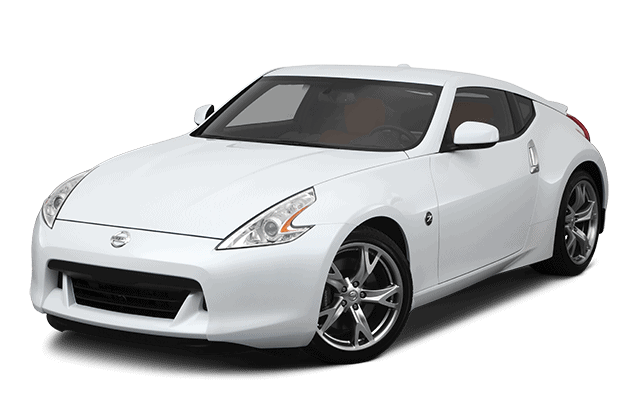
2011 Nissan 370Z (Z34) — OEM Workshop Service & Repair Manual + Wiring Diagrams (PDF)
Get the original OEM workshop manual for the 2011 Nissan 370Z (Z34)—the same dealer-level documentation used by Nissan technicians. This comprehensive PDF includes step-by-step repair procedures, diagnostics, torque specifications, and detailed wiring diagrams so you can maintain and repair your 370Z with confidence.
| File Format |
PDF |
| File Language |
English |
| You’ll Get |
127.8 MB |
| Wiring Diagram |
Included |
| Delivery Method |
Instant Download |
Work to factory standards—reduce guesswork and keep your 370Z performing at its best.
Vehicle Coverage
- Make/Model: Nissan 370Z
- Chassis: Z34
- Model Year: 2011
- Engine: 3.7L V6 VQ37VHR
- Transmissions: 6-speed manual / 7-speed automatic (where equipped)
Key Features
Complete OEM Coverage
Factory procedures for service, repair, and maintenance across all vehicle systems.
Wiring Diagrams
Electrical schematics, connector views, pinouts, grounds, and power distribution.
Diagnostics & DTCs
Troubleshooting flowcharts, test values, and fault-code repair guidance.
Searchable PDF
Quick navigation with bookmarks—print only the pages you need.
What’s Inside
- Maintenance schedules, fluids/capacities, and torque specification tables
- Engine mechanical (VQ37VHR), fuel, cooling, intake/exhaust, and lubrication systems
- Transmission service (manual & automatic), clutch, driveline, and differential
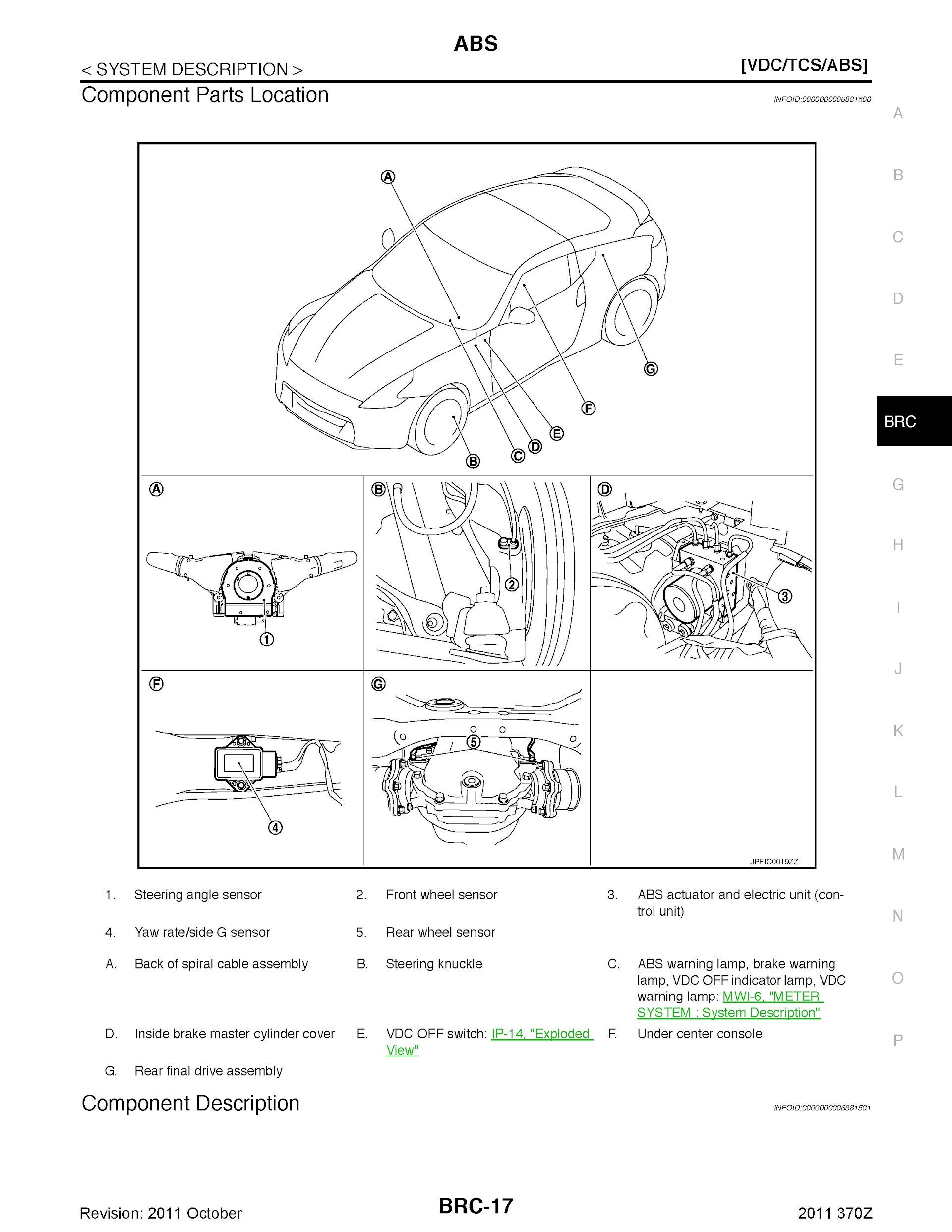
- Suspension, steering, brakes/ABS, and alignment procedures
- Electrical: wiring diagrams, module locations, connectors, and CAN network basics
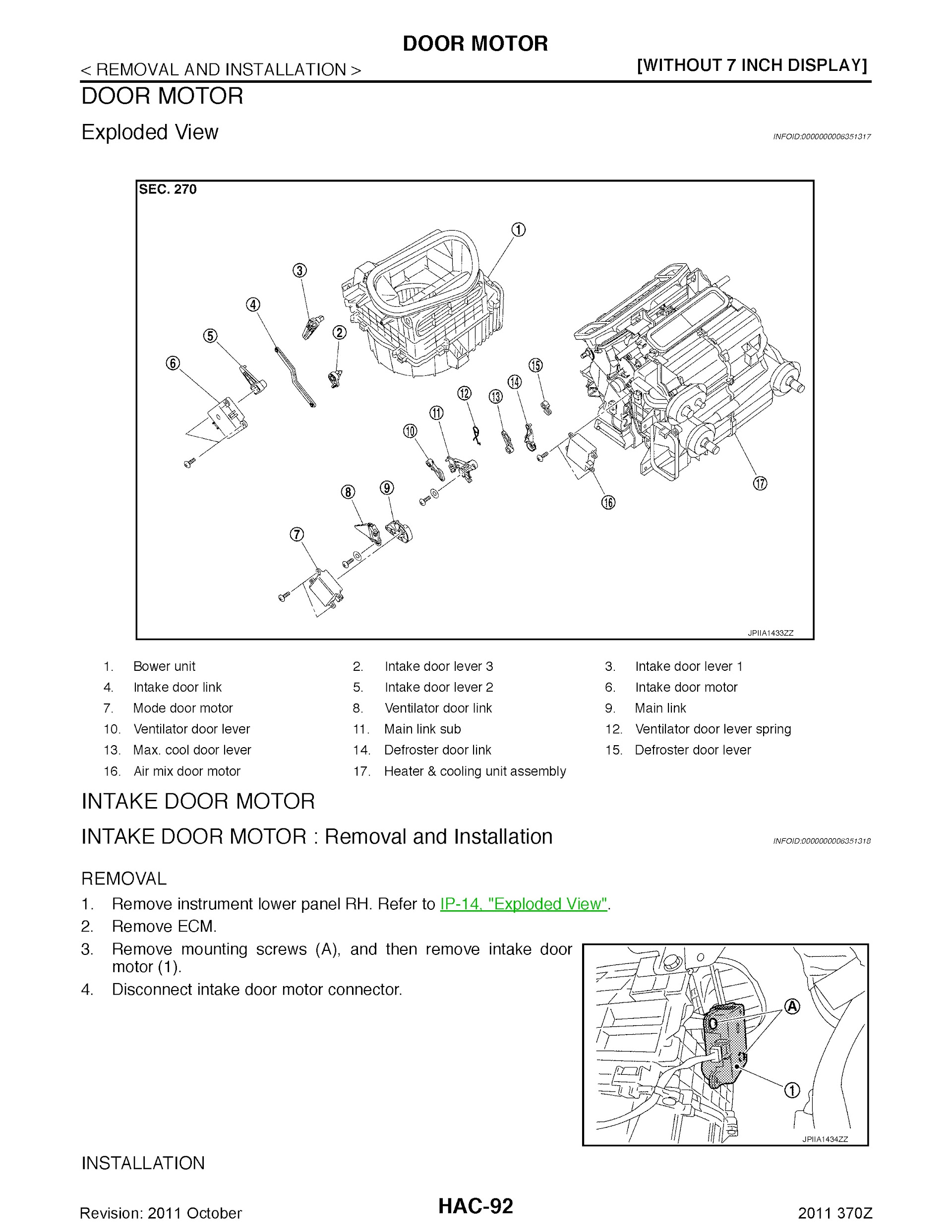
- Body, interior, HVAC, SRS/airbags, and trim component service
Download & Compatibility
Delivery: Instant digital PDF download
Compatibility: Windows • macOS • iOS • Android
This manual provides detailed instructions for maintenance, disassembly, reassembly, component inspection, adjustment, and diagnostics—intended for use by experienced mechanics. Proper application of this guide will help ensure thorough repairs and maintain your vehicle in peak condition.
Important Note: Before purchasing this manual, please check whether your vehicle is subject to any active service recalls, as authorized dealerships may perform necessary repairs free of charge. When replacing parts, always use genuine OEM components to ensure safety, reliability, and long-term performance.
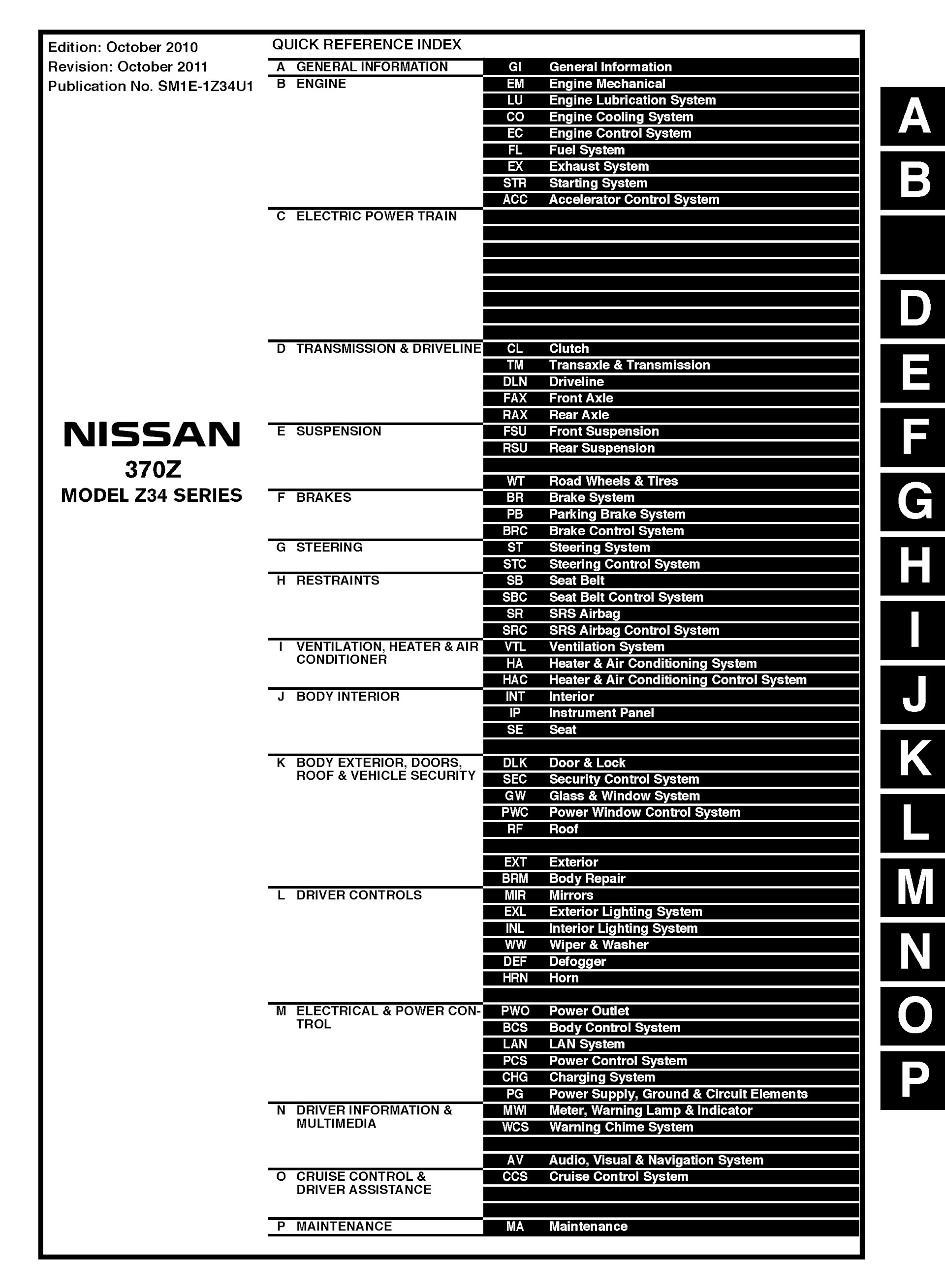
Table of Contents : 2011 Nissan 370Z Repair Manual
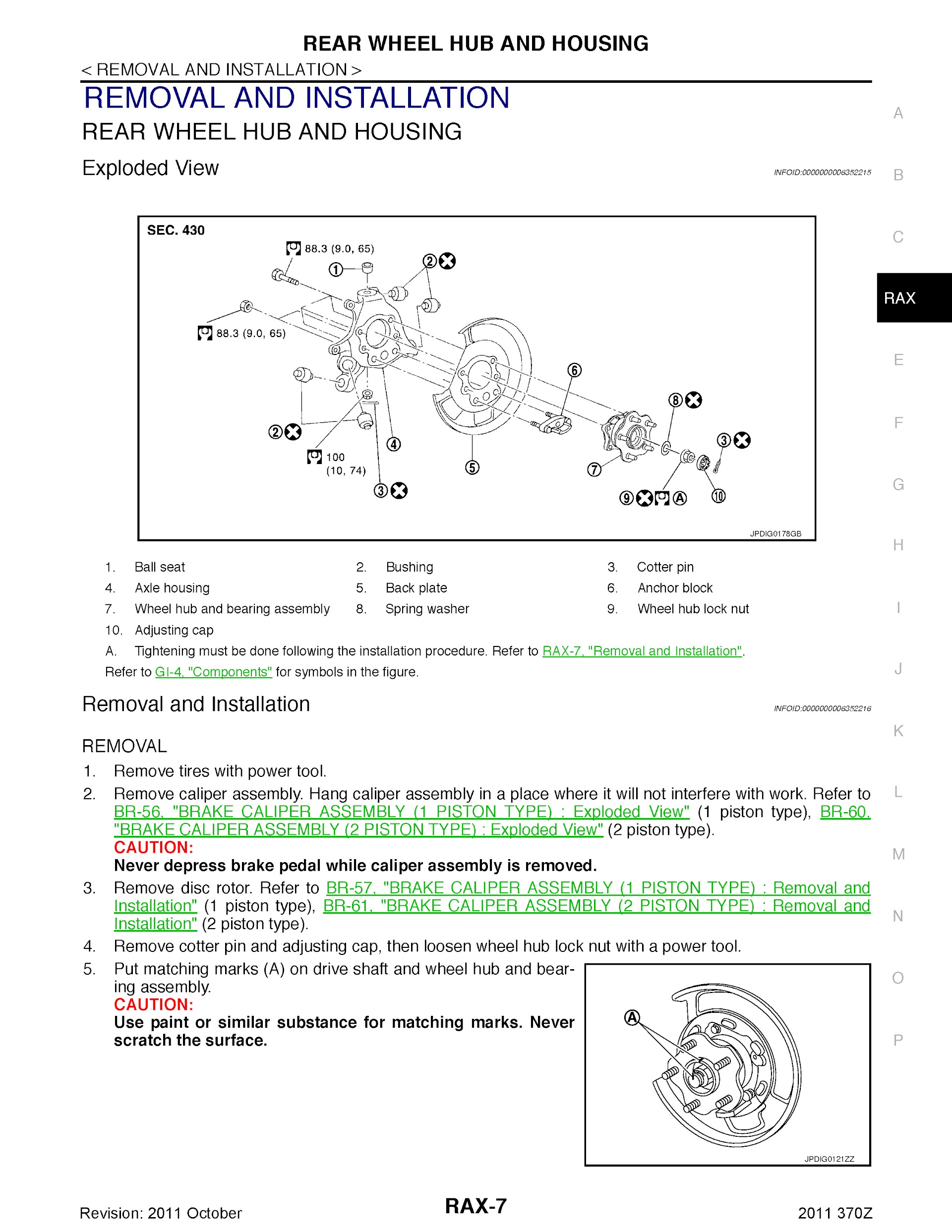
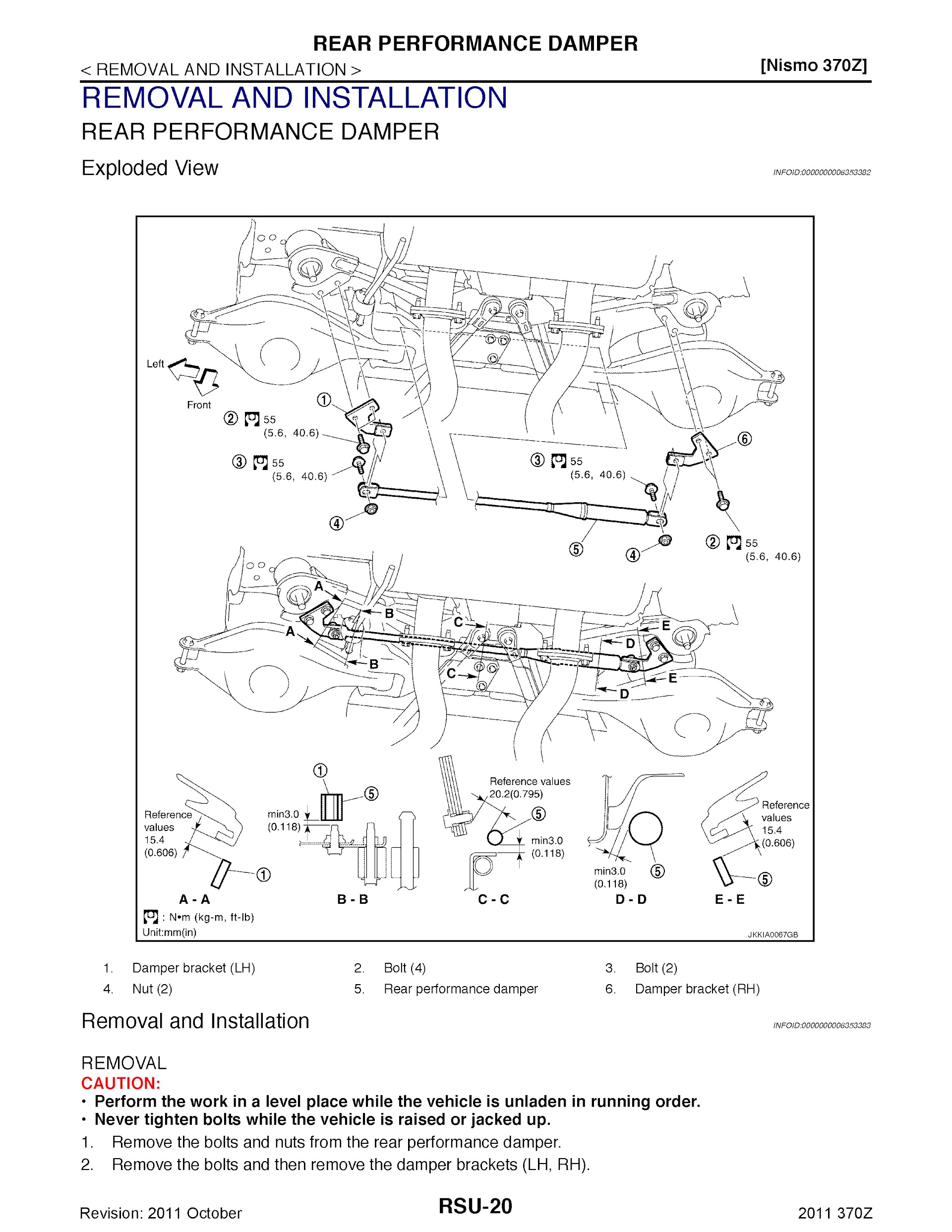
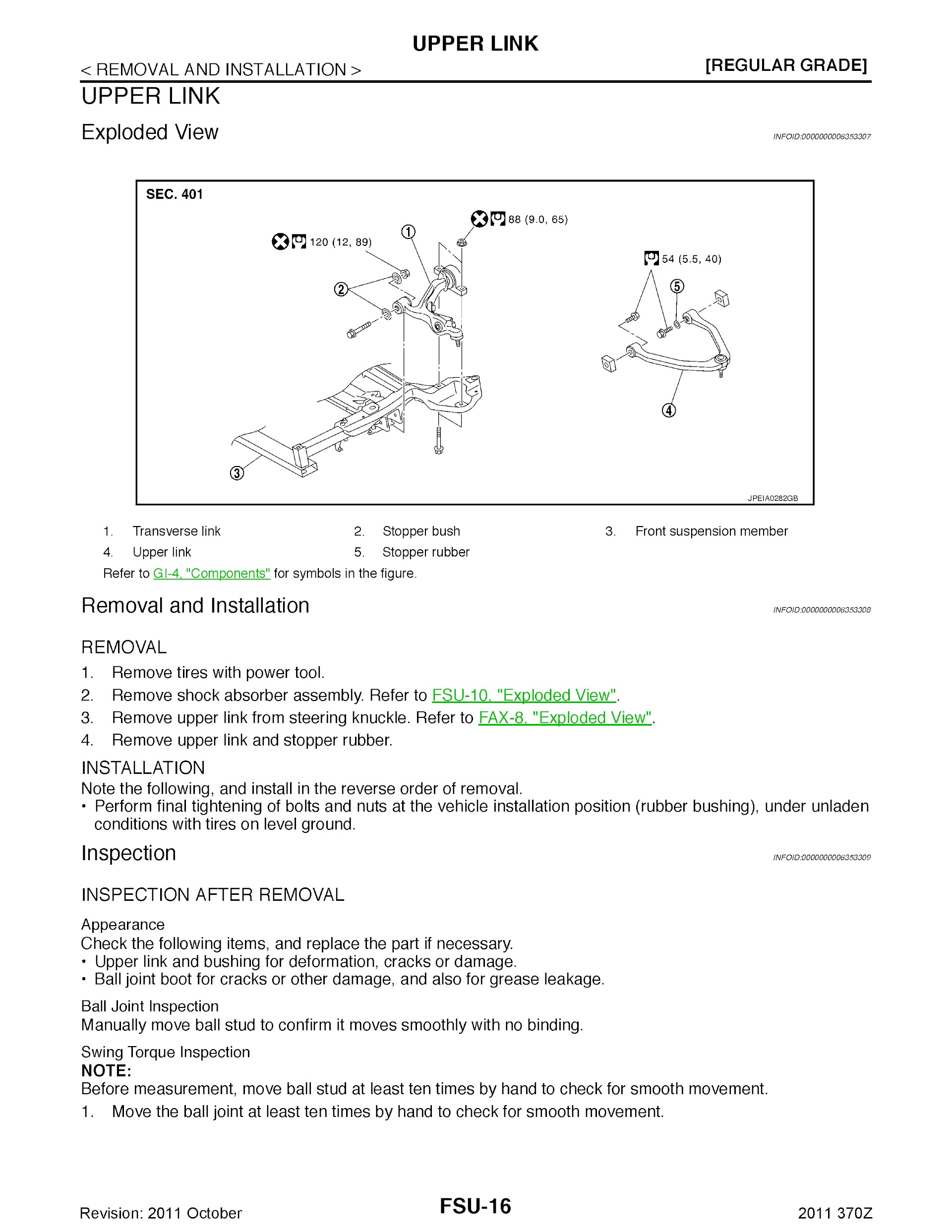
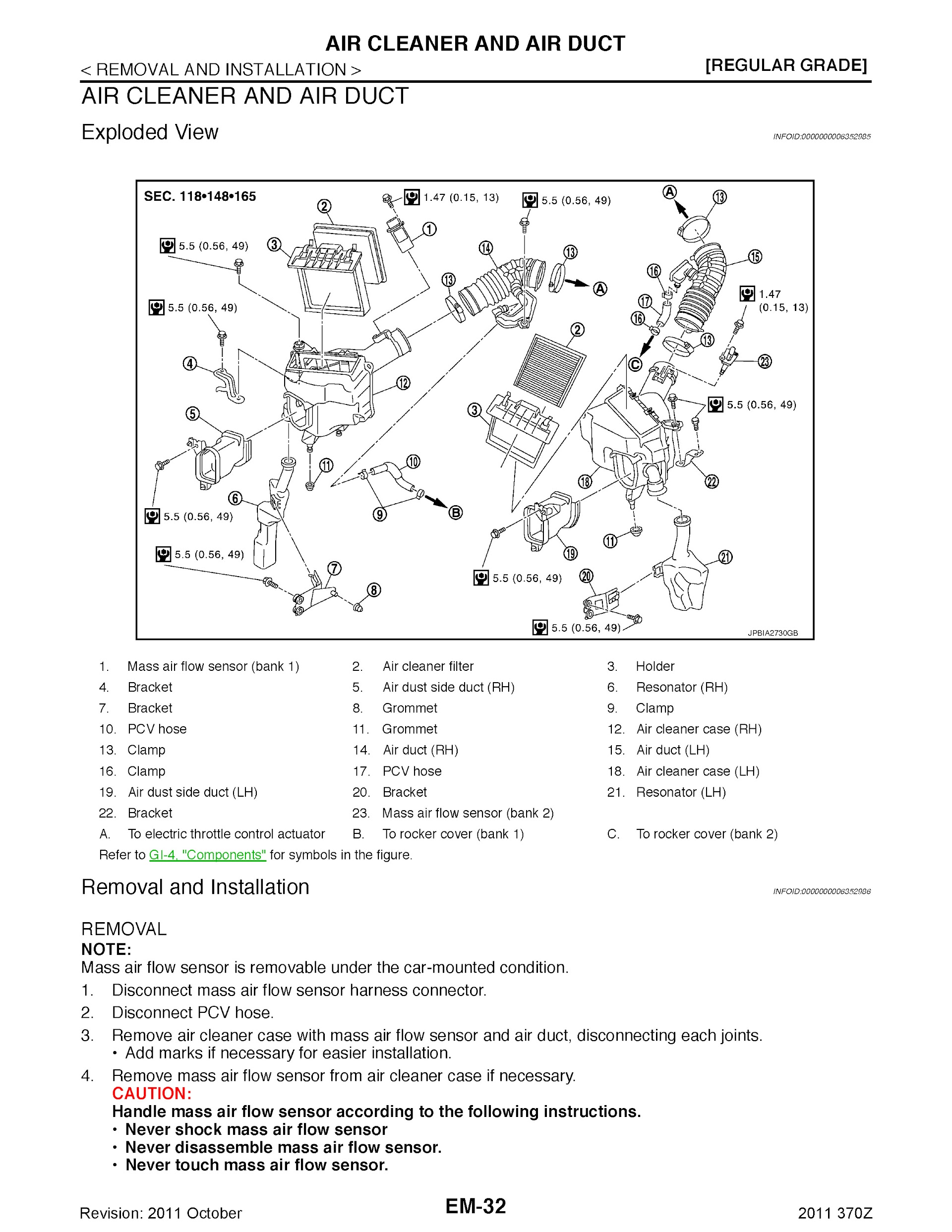
SAMPLE PAGES
2011 Nissan 370Z: Comprehensive Buyer’s Guide
Overview
The 2011 Nissan 370Z is a two-seat sports car that represents the sixth generation of Nissan’s Z-car lineage. It replaced the 350Z and offers sharper handling, more power, and updated styling while maintaining the affordable sports car ethos.
Body Styles:
- Coupe (2-door)
- Roadster (convertible)
Trim Levels:
- Base
- Touring
- Sport
- NISMO (top performance variant)
Key Features:
- True sports car with rear-wheel drive
- Available 6-speed manual or 7-speed automatic transmission
- Independent suspension with double wishbones
- Aggressive, muscular styling
- Limited but functional interior focused on driving
Technical Specifications
| Specification |
Details |
| Engine |
3.7L V6 (VQ37VHR) |
| Horsepower |
332 hp @ 7,000 rpm |
| Torque |
270 lb-ft @ 5,200 rpm |
| Transmission |
6-speed manual or 7-speed automatic with manual mode |
| Drivetrain |
Rear-wheel drive (RWD) |
| 0-60 mph |
~5.0-5.3 seconds |
| Top Speed |
~155 mph (electronically limited) |
| Fuel Economy |
18 city / 26 highway (manual), 19/26 (auto) |
| Curb Weight |
3,232-3,428 lbs (varies by trim) |
| Wheelbase |
100.4 inches |
| Length |
167.5 inches |
| Width |
72.6 inches |
| Height |
51.8 inches (coupe), 52.2 inches (roadster) |
| Fuel Capacity |
19.0 gallons |
| Brakes |
Front: 14.0″ vented discs; Rear: 13.8″ vented discs |
| Suspension (Front) |
Independent double wishbone |
| Suspension (Rear) |
Independent multi-link |
| Wheels |
18″ or 19″ (Sport/NISMO packages) |
Top 10 Mechanical & Electrical Issues
1. Clutch Slave Cylinder Failure (CSC)
Symptoms:
- Difficulty shifting gears
- Clutch pedal feels soft or spongy
- Clutch pedal stays on floor
- Grinding when shifting
- Fluid leak visible near transmission bell housing
Root Cause: The internal concentric slave cylinder (CSC) is located inside the transmission bell housing and runs hot. Over time, seals deteriorate from heat exposure, causing hydraulic fluid leaks and eventual failure. This is a known weak point in the VQ37 manual transmission setup.
Fix: Replace the CSC with an OEM or upgraded aftermarket unit. Many owners upgrade to an external slave cylinder conversion kit or heavy-duty CSC to prevent recurrence. Transmission must be dropped for access.
Cost: $800-$1,500 (OEM replacement); $1,200-$2,000 (upgraded external conversion)
2. Steering Lock Failure
Symptoms:
- Car won’t start; dash displays “Steering Lock Malfunction”
- Clicking sound from steering column when trying to start
- Key fob recognized but ignition won’t engage
- Complete no-start condition
Root Cause: The electronic steering lock module (part of the Nissan Intelligent Key system) fails due to faulty internal components. The motor or electronic board inside the steering lock actuator malfunctions, preventing the lock from disengaging and thus preventing the car from starting.
Fix: Replace the steering lock assembly or install a bypass/delete kit (some owners permanently disable the system). Nissan issued an extended warranty for this issue on some VINs.
Cost: $500-$1,000 (dealer replacement); $150-$400 (aftermarket bypass/delete kit)
3. Fuel Gauge Sensor/Sending Unit Failure
Symptoms:
- Inaccurate fuel gauge readings
- Gauge stuck on full or empty
- Erratic fuel gauge movement
- Premature low fuel warning light
Root Cause: The fuel level sending units (370Z has two fuel tanks with separate sensors) fail due to wear on the resistive element or electrical connector corrosion. This was common enough that Nissan extended warranty coverage on affected vehicles.
Fix: Replace the faulty fuel level sending unit(s). Requires dropping the fuel tank(s) for access.
Cost: $400-$900 per sensor (parts and labor)
4. Differential Bushing Wear
Symptoms:
- Clunking noise from rear when accelerating or decelerating
- Vibration during hard acceleration
- “Thunking” sound during gear changes
- Increased drivetrain play
Root Cause: The rear differential mounting bushings (particularly the front differential mount bushing) deteriorate over time, especially on cars driven hard or tracked. The soft rubber bushings allow excessive differential movement.
Fix: Replace worn bushings with OEM or upgraded polyurethane bushings. Many performance enthusiasts upgrade to stiffer bushings for better response.
Cost: $300-$600 (OEM bushings); $400-$800 (upgraded polyurethane bushings with labor)
5. Paint Peeling/Clear Coat Failure
Symptoms:
- Clear coat peeling, especially on hood, roof, and trunk
- Paint bubbling or flaking
- Dull, cloudy appearance
- More common on black and dark-colored vehicles
Root Cause: Manufacturing defect in paint application process on certain production batches. The clear coat doesn’t properly adhere to the base coat, leading to premature failure. Nissan faced multiple lawsuits over this issue.
Fix: Professional paint correction and respray of affected panels. Some owners qualify for Nissan warranty assistance depending on production date and prior claims.
Cost: $1,500-$4,000+ (depending on extent of damage and panels affected)
6. Timing Chain Noise/Wear
Symptoms:
- Rattling noise from engine on cold starts
- Grinding or whining noise from front of engine
- Rough idle
- Check engine light with timing-related codes
- Engine performance loss
Root Cause: The timing chain tensioners and guides can wear prematurely, especially on high-mileage vehicles or those with irregular oil changes. Low oil pressure or using incorrect oil viscosity accelerates wear.
Fix: Replace timing chain, tensioners, and guides. This is a labor-intensive job requiring significant engine disassembly. Use proper oil grade (5W-30 synthetic) and maintain regular oil changes as prevention.
Cost: $2,000-$3,500 (complete timing chain service)
7. Condensation in Headlights and Taillights
Symptoms:
- Moisture/water droplets visible inside light housings
- Foggy appearance of lenses
- Reduced light output
- Potential electrical issues with bulbs
Root Cause: Poor sealing of light housings allows moisture intrusion. Vent tubes can become clogged, and gaskets deteriorate over time. This is particularly common on early 370Z models.
Fix: Remove lights, clean and dry thoroughly, reseal with proper automotive sealant, ensure vent tubes are clear. In severe cases, replace the entire light assembly.
Cost: $100-$300 (resealing DIY or shop); $500-$1,200 per assembly (replacement)
8. Transmission Synchro Wear (Manual)
Symptoms:
- Difficulty shifting into 5th or 6th gear
- Grinding when shifting (especially when cold)
- Gear pop-out under load
- Notchy or resistant shifter feel
Root Cause: The synchronizers in 5th and 6th gears wear over time, particularly on hard-driven cars or those with heavy clutch use. Aggressive shifting or improper clutch engagement accelerates wear.
Fix: Transmission rebuild with new synchros, or replacement transmission. Some owners improve shifting with upgraded transmission fluid (Redline MT-85 is popular).
Cost: $2,500-$4,500 (transmission rebuild); $3,500-$6,000 (used/remanufactured transmission)
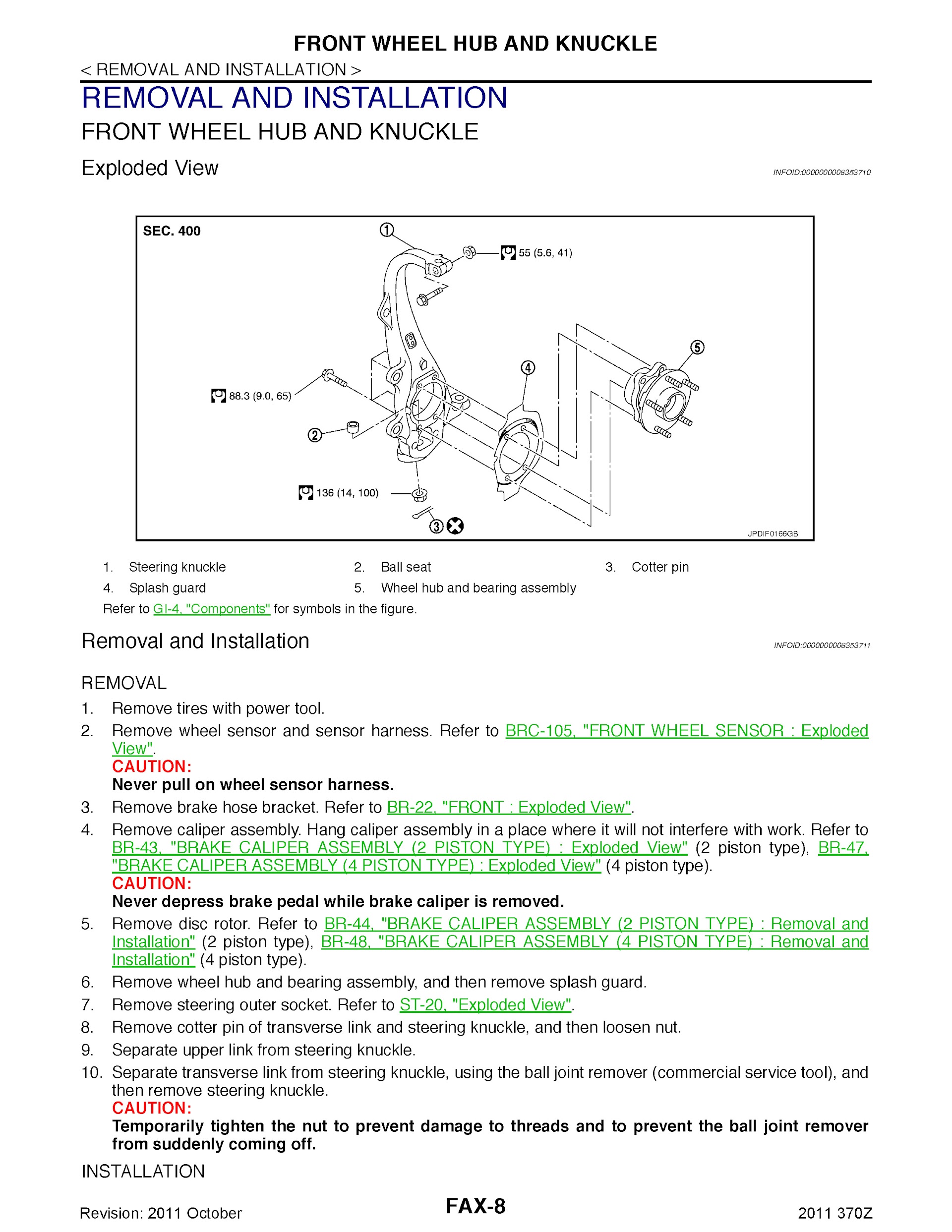
9. Wheel Bearing Failure
Symptoms:
- Humming or growling noise that increases with speed
- Noise changes when turning left or right
- Vibration felt through steering wheel
- Uneven tire wear
- ABS/traction control warning lights
Root Cause: Wheel bearings wear from normal use, road impacts, and aggressive driving. The 370Z’s performance orientation and sticky tires put additional stress on bearings. Front bearings typically fail before rears.
Fix: Replace the worn wheel bearing hub assembly. Should be done in pairs (both fronts or both rears) for balanced performance.
Cost: $300-$600 per wheel (parts and labor)
10. A/C Compressor Failure
Symptoms:
- No cold air or intermittent cooling
- Loud grinding, squealing, or clicking from engine bay
- A/C clutch not engaging
- Burning smell when A/C is on
- Refrigerant leaks
Root Cause: The A/C compressor clutch bearing or internal compressor components fail due to wear, contamination, or lack of lubrication. Debris from a failed compressor can contaminate the entire A/C system.
Fix: Replace A/C compressor, receiver/dryer, expansion valve, and flush the system. Failure to clean the system thoroughly can cause repeat failures.
Cost: $1,200-$2,000 (complete A/C system repair with compressor replacement)
Top 5 Competitors (2011 Model Year)
- Price Range: $30,000-$35,000
- Engine: 6.2L V8, 426 hp
- Pros: More power, V8 sound, retro styling, better straight-line performance
- Cons: Heavier, worse visibility, larger dimensions, less agile handling
- Price Range: $29,000-$35,000
- Engine: 5.0L V8, 412 hp
- Pros: V8 power, iconic status, strong aftermarket, better daily usability
- Cons: Live rear axle (until 2015), heavier, less refined handling than 370Z
- Price Range: $23,000-$30,000
- Engine: 2.0L turbo 4-cyl (210 hp) or 3.8L V6 (306 hp)
- Pros: Lower price, good warranty, turbo potential, practical features
- Cons: Less power, not as sharp handling, lower brand prestige
- Price Range: $26,000-$32,000
- Engine: 1.3L rotary, 232 hp
- Pros: Unique rotary engine, 4 doors, excellent handling balance, 9,000 rpm redline
- Cons: Poor fuel economy, high oil consumption, engine reliability concerns, less power
- Price Range: $50,000-$60,000+
- Engine: 2.9L flat-6, 265 hp
- Pros: Superior handling, premium brand, mid-engine layout, build quality
- Cons: Much more expensive, less power, higher maintenance costs, smaller aftermarket
Top 10 Recalls, Advisories & TSB Highlights
Recalls
1. NHTSA Campaign 13V-354 (July 2013)
- Issue: Passenger airbag inflator rupture risk (Takata airbag recall)
- Affected: Various 370Z model years including 2011
- Fix: Replace passenger frontal airbag inflator
2. NHTSA Campaign 16V-866 (December 2016)
- Issue: Fuel pressure sensor may crack causing fuel leak and fire risk
- Affected: 2011-2013 370Z with 3.7L engine
- Fix: Replace fuel pressure sensor
3. NHTSA Campaign 19V-279 (April 2019)
- Issue: Backup camera image may not display, violating federal safety standards
- Affected: Various Nissan models including some 2011 370Zs
- Fix: Software update to audio/navigation system
Technical Service Bulletins (TSBs)
4. NTB12-089a – Steering Lock Malfunction
- Issue: Steering lock fails to unlock, causing no-start condition
- Solution: Replace steering lock assembly; extended warranty coverage offered
- Notes: One of the most common 370Z issues
5. NTB11-078 – Fuel Gauge Inaccuracy
- Issue: Erratic or inaccurate fuel gauge readings
- Solution: Replace fuel level sensor assembly
- Notes: Extended warranty coverage provided by Nissan
6. NTB12-025 – Engine Noise on Cold Start
- Issue: Rattling noise from timing chain area during cold start
- Solution: Revised timing chain tensioners and updated software
- Notes: Ensure proper oil viscosity (5W-30) is used
7. NTB11-059 – Headlight Condensation
- Issue: Moisture accumulation in headlight or taillight assemblies
- Solution: Improved sealing procedures and vent tube inspection
- Notes: More common in humid climates
8. NTB13-034 – Transmission Fluid Leak
- Issue: Manual transmission fluid leak from input shaft seal
- Solution: Replace input shaft seal during clutch service
- Notes: Often discovered during CSC replacement
9. NTB11-021 – Paint Peeling/Bubbling
- Issue: Clear coat delamination, particularly on horizontal surfaces
- Solution: Repaint affected panels; some warranty assistance available
- Notes: Subject of class-action lawsuits
10. NTB12-067 – Navigation System Freezing
- Issue: Navigation/infotainment screen freezes or becomes unresponsive
- Solution: Software update to navigation system
- Notes: Apply all available software updates
Maintenance Schedule
Every 3,750 Miles or 3 Months
- Engine oil and filter change (conventional oil)
- Note: 7,500 miles if using synthetic oil
Every 7,500 Miles or 6 Months
- Tire rotation
- Inspect brake pads, rotors, and fluid
- Inspect drive belts
- Check fluid levels (coolant, brake, differential, transmission)
Every 15,000 Miles or 12 Months
- Replace engine air filter
- Replace cabin air filter
- Inspect exhaust system
- Inspect suspension components
- Inspect steering system
Every 30,000 Miles or 24 Months
- Replace brake fluid (performance driving: annually)
- Inspect/replace spark plugs (iridium plugs typically last longer)
- Inspect drive belts for wear
- Clean throttle bodies
- Inspect fuel lines and connections
Every 60,000 Miles
- Replace transmission fluid (manual and automatic)
- Replace differential fluid
- Replace coolant
- Replace drive belts
- Inspect/replace spark plugs if not done at 30k
Every 100,000 Miles
- Major service: comprehensive inspection of all systems
- Consider timing chain inspection
- Replace accessory drive belts if not done recently
- Inspect/replace suspension bushings
Track/Performance Driving Additional Maintenance
- Brake fluid flush every 6-12 months
- More frequent differential fluid changes (every 15,000 miles)
- More frequent transmission fluid changes (every 30,000 miles)
- Inspect brake pads after each track day
- Check tire pressures before each session
10 FAQs for Buyers
1. Is the 2011 370Z reliable?
The 370Z is generally reliable with proper maintenance. The VQ37 engine is proven and durable. However, specific issues like the clutch slave cylinder (manual) and steering lock are common problems. Budget for these known issues. With regular maintenance and addressing known weak points, the 370Z can be a dependable sports car. Avoid examples with modified engines or evidence of hard track use unless thoroughly inspected.
2. Manual or automatic transmission – which is better?
The 6-speed manual is the enthusiast’s choice, offering better engagement and faster acceleration. However, it suffers from the CSC failure issue. The 7-speed automatic is smooth and has paddle shifters, but it’s less engaging and slightly slower. For daily driving and traffic, the automatic is more practical. For weekend/track use, manual is preferred. Budget an extra $1,000-$1,500 for eventual CSC replacement/upgrade on manuals.
3. What’s the real-world fuel economy?
Expect 17-20 mpg in mixed driving with spirited use. Highway cruising can achieve 24-27 mpg. City driving ranges from 15-18 mpg. Premium fuel (91+ octane) is required. Budget approximately $2,500-$3,500 annually for fuel with average driving (12,000 miles/year at current gas prices).
4. How expensive is maintenance and insurance?
Annual maintenance costs $800-$1,500 for routine service (oil changes, tires, brakes). Insurance is expensive due to sports car classification; expect $1,500-$3,000+ annually depending on age, location, and driving record. Factor in premium fuel, high-performance tires ($800-$1,200/set), and potential for expensive repairs.
5. Can I daily drive a 370Z?
Yes, but with compromises. The firm ride, road noise, limited cargo space (coupe has minimal trunk; roadster even less), and poor visibility make it less comfortable than a sedan or SUV. No back seats mean it’s strictly a 2-seater. Ground clearance is low (watch for speed bumps and steep driveways). Winter driving requires snow tires and caution (RWD). It’s manageable for short commutes but can be tiring on long drives.
6. What should I look for when inspecting a used 2011 370Z?
- Service records: Verify regular oil changes and any CSC or steering lock repairs
- Accident history: Carfax/AutoCheck for collisions (these are often tracked or driven hard)
- Clutch operation: Test for smooth engagement; spongy pedal indicates CSC issues
- Steering lock: Ensure car starts reliably; check for any steering lock fault codes
- Paint condition: Inspect for peeling clear coat on hood, roof, trunk
- Tire wear: Uneven wear indicates alignment issues or hard driving
- Modifications: Aftermarket parts may indicate track use; poorly done mods are red flags
- Test drive: Listen for differential clunks, transmission grinding, timing chain rattle
- Undercarriage: Check for damage, oil leaks, and signs of track use (scraped undertray)
7. How does it compare to the 350Z?
The 370Z is superior in nearly every way: more power (332 hp vs. 306 hp), better handling, improved interior quality, modern styling, and updated technology. The 370Z is shorter, lighter, and has a shorter wheelbase for better agility. However, 350Zs are cheaper to buy. If budget allows, the 370Z is the better choice.
8. What trim level should I buy?
- Base: Best for budget buyers; lacks some features but mechanically identical
- Touring: Adds leather, heated seats, navigation, better audio—best for daily driving comfort
- Sport: Includes Sport Package (larger brakes, limited-slip diff, 19″ wheels)—recommended for performance enthusiasts
- NISMO: Track-focused with unique body, suspension, and tuning—best for serious drivers but rides very firm
🔔 Most enthusiasts recommend Sport or Touring with Sport Package for the best balance.
9. Are parts and repairs expensive?
Parts are moderately priced for a sports car. OEM parts are readily available through Nissan. Aftermarket support is excellent with companies like Z1 Motorsports, Specialty Z, and others. Labor at dealerships is expensive ($120-$180/hour); independent specialists are cheaper. Performance parts (exhausts, intakes, suspension) are abundant and reasonably priced compared to European sports cars.
10. Should I buy a 2011 370Z with high mileage (100k+ miles)?
It depends. High-mileage examples can be reliable if well-maintained, but expect to address wear items (timing chain, wheel bearings, bushings). Ensure comprehensive service records exist. Have a pre-purchase inspection done by a Nissan specialist or trusted mechanic. Budget $2,000-$4,000 for deferred maintenance. Avoid high-mileage examples with modifications or track history unless thoroughly vetted. Low-mileage garage queens may have their own issues (dry seals, old fluids).
Final Buyer Recommendations
Should You Buy a 2011 Nissan 370Z?
Buy If:
- You want an affordable, true sports car experience with excellent handling
- You appreciate naturally aspirated V6 power and sound
- You can accept a 2-seater with limited practicality
- You’re prepared to handle known issues (CSC, steering lock)
- You enjoy driving engagement and don’t need daily comfort
- You want strong aftermarket support and modification potential
Avoid If:
- You need back seats or significant cargo space
- You want a comfortable daily driver for long commutes
- You’re not prepared for sports car ownership costs (fuel, insurance, tires)
- You can’t perform or afford preventive maintenance on known weak points
- You live in an area with harsh winters and can’t store/garage the car
- You want modern technology and driver assistance features
Best Used 370Z to Buy:
Look for a 2011-2012 Touring or Sport trim with:
- Clean Carfax with no accidents
- Complete service records showing regular maintenance
- Already had CSC and/or steering lock replaced (if manual)
- Stock or tastefully modified (avoid heavily modified track cars)
- Under 60,000 miles for best value
- Single owner if possible
Price Expectations (2025 Market):
- Fair condition: $15,000-$19,000
- Good condition: $19,000-$24,000
- Excellent condition: $24,000-$30,000
- NISMO models: $28,000-$35,000+
Ownership Budget:
Beyond the purchase price, budget annually:
- Insurance: $1,500-$3,000
- Fuel: $2,500-$3,500
- Maintenance: $1,000-$2,000
- Tires (every 2-3 years): $800-$1,200
- Repairs/contingency: $1,000-$2,000
Total annual ownership cost: $6,800-$11,700
Final Verdict
The 2011 Nissan 370Z is an excellent driver’s car that delivers genuine sports car thrills at a reasonable price. It’s mechanically sound with proper maintenance, though certain known issues (CSC, steering lock) require attention. The driving experience—sharp handling, strong V6 power, engaging manual transmission—makes it rewarding for enthusiasts. However, compromises in comfort, practicality, and technology mean it’s best suited as a weekend car, second vehicle, or for buyers who prioritize driving enjoyment over daily convenience.
If you can accept its limitations and maintain it properly, the 370Z offers exceptional value in the sports car segment. Just ensure you buy a well-maintained example, address known issues proactively, and budget appropriately for ownership costs.
Overall Rating: 8/10 for enthusiasts seeking an affordable, engaging sports car with strong community and aftermarket support.