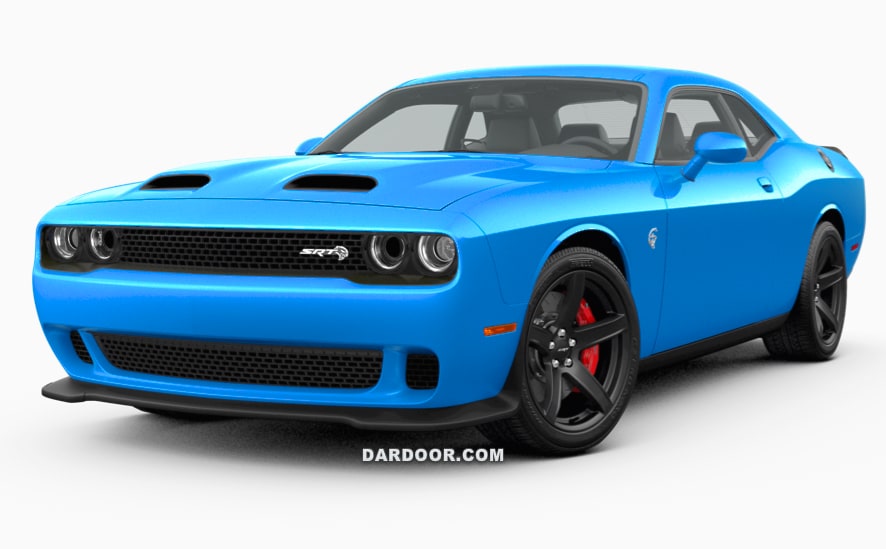
Comprehensive OEM Workshop Document: 2011-2014 Dodge Challenger Repair Manual
Experience the comprehensive OEM workshop document for the 2011-2014 Dodge Challenger repair manual, complete with a detailed wiring diagram in PDF format. This service manual is meticulously prepared to equip you and your local Dodge technicians with essential information for accurate service, repair, and maintenance of the 2011-2014 Dodge Challenger. Ensure your vehicle receives expert-level care with this invaluable resource.
Engines Covered: –
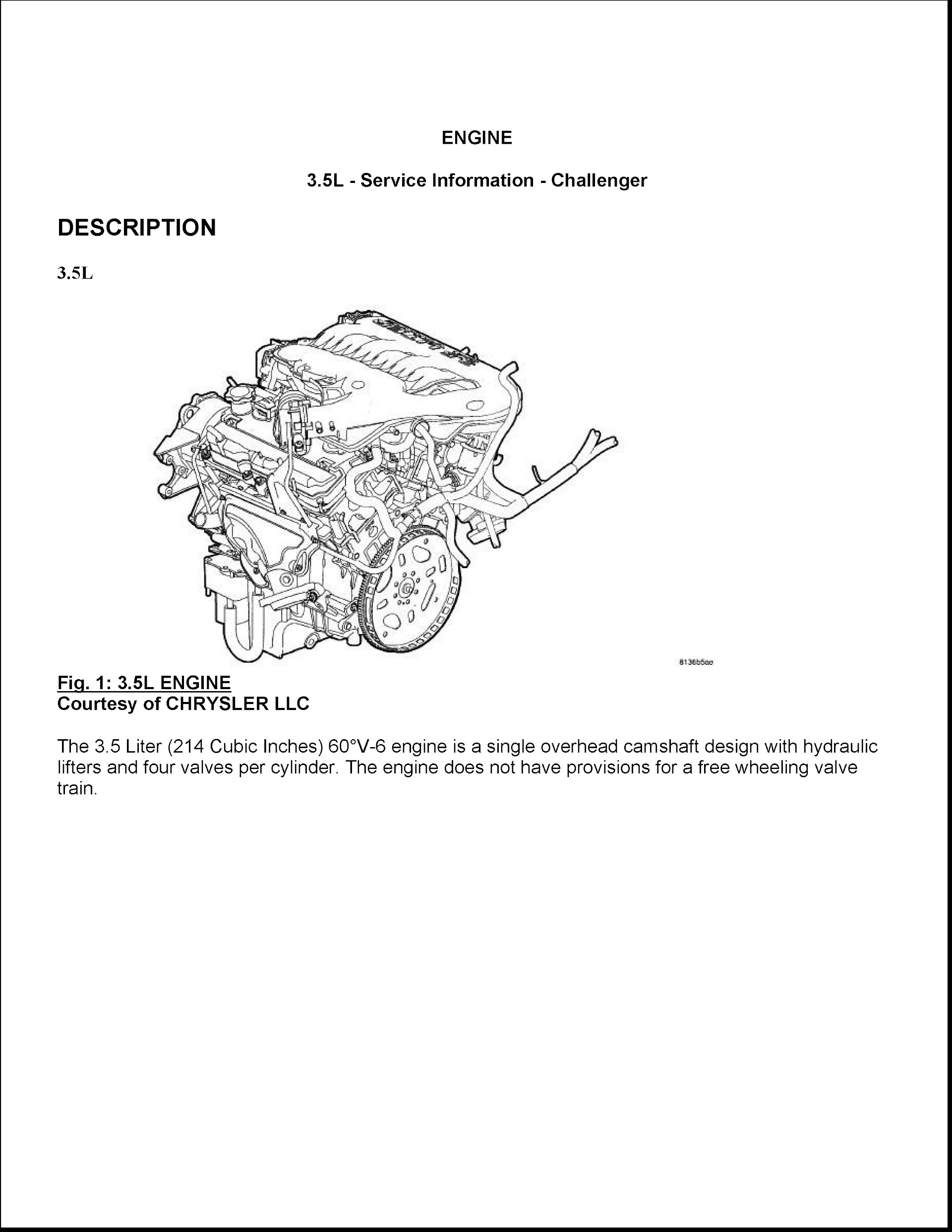
3.5L, 3.6L, 5.7L, 6.1L, 6.4L
| File Format |
PDF |
| File Language |
English |
| You’ll Get |
195 MB |
| Page Count |
5,661 |
| Wiring Diagram |
Included |
| Delivery Method |
Instant Download |
Key Features:
- Complete Coverage: Includes every service, repair, and maintenance procedure for the 2011-2014 Dodge Challenger.
- Dealer-Authorized Information: The same trusted manual used by Dodge technicians for accurate diagnostics and repairs.
- User-Friendly Format: Step-by-step instructions and wiring diagrams are presented clearly for both professionals and DIY enthusiasts.
Equip yourself or your technician with this comprehensive resource to ensure expert-level care for your Dodge Challenger. Download today to keep your vehicle performing at its best!
Table of Contents: 2011-2014 Dodge Challenger Repair Manual

Pages: 2011-2014 Dodge Challenger Repair Manual
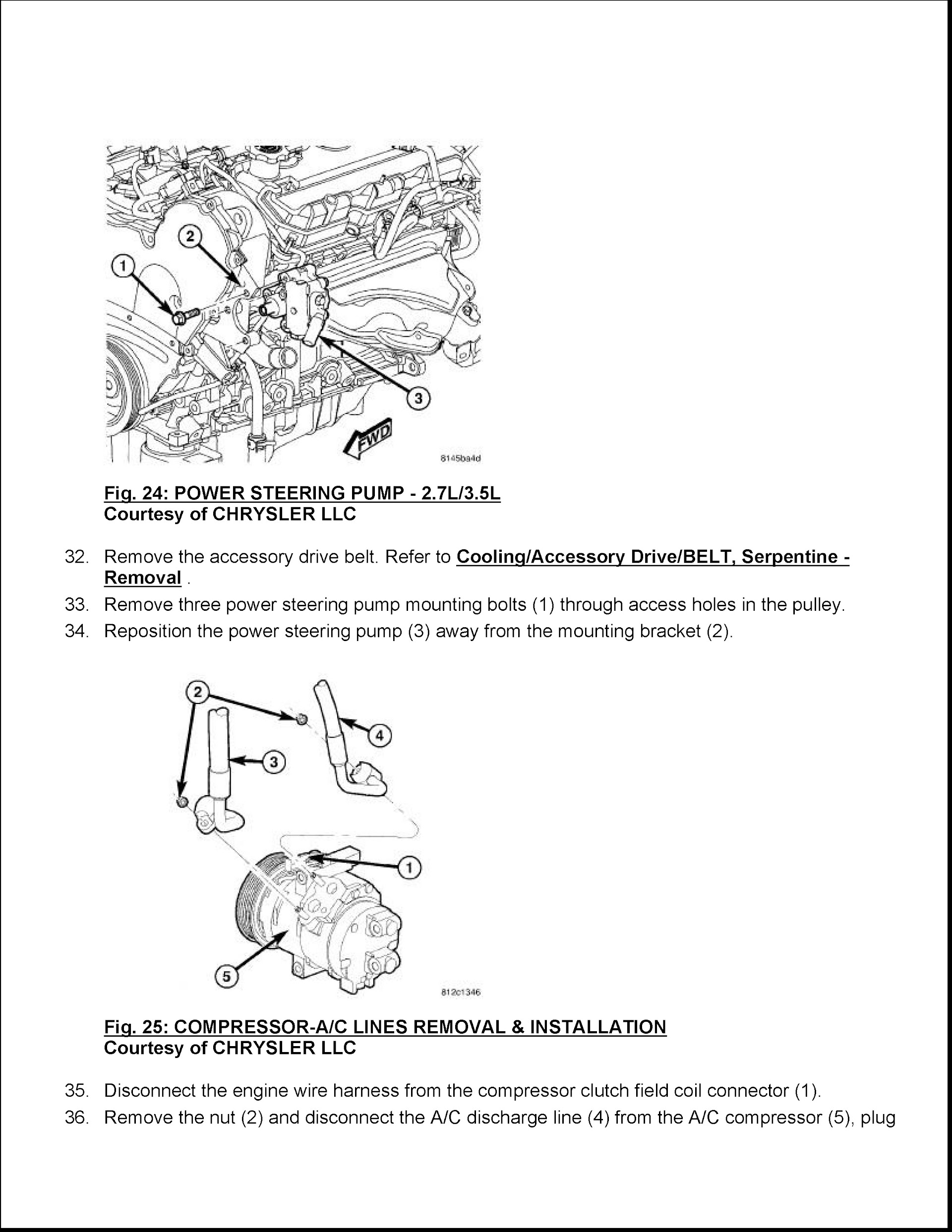
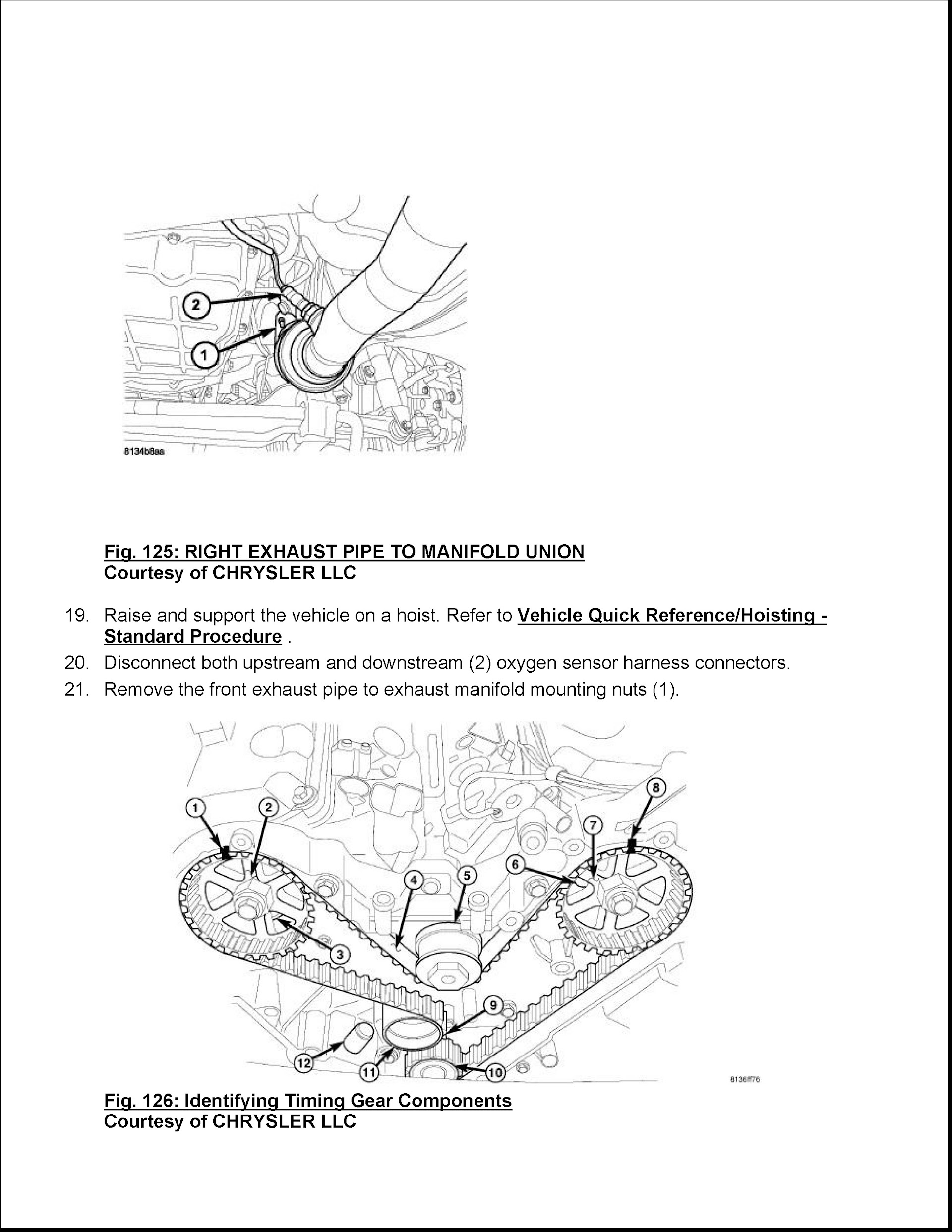
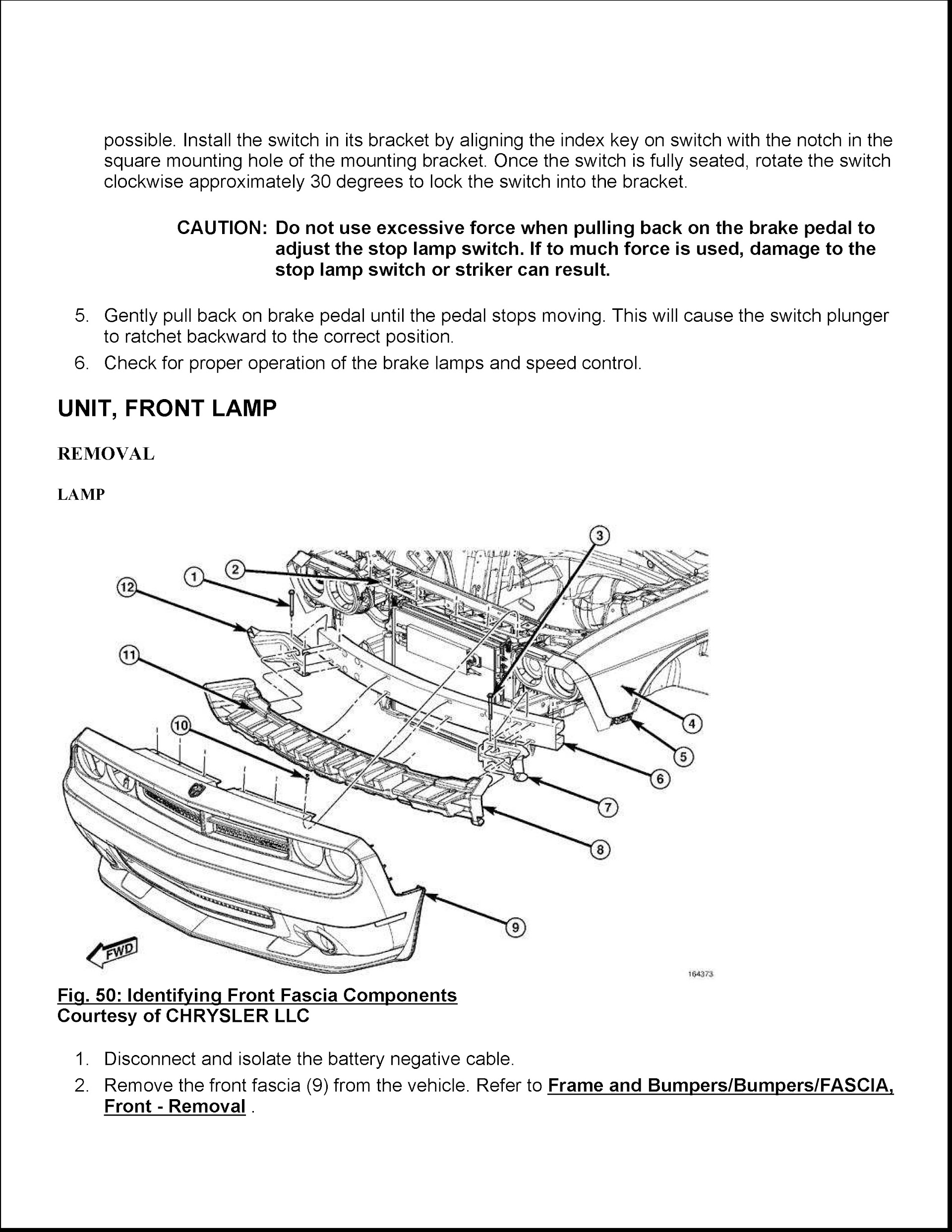
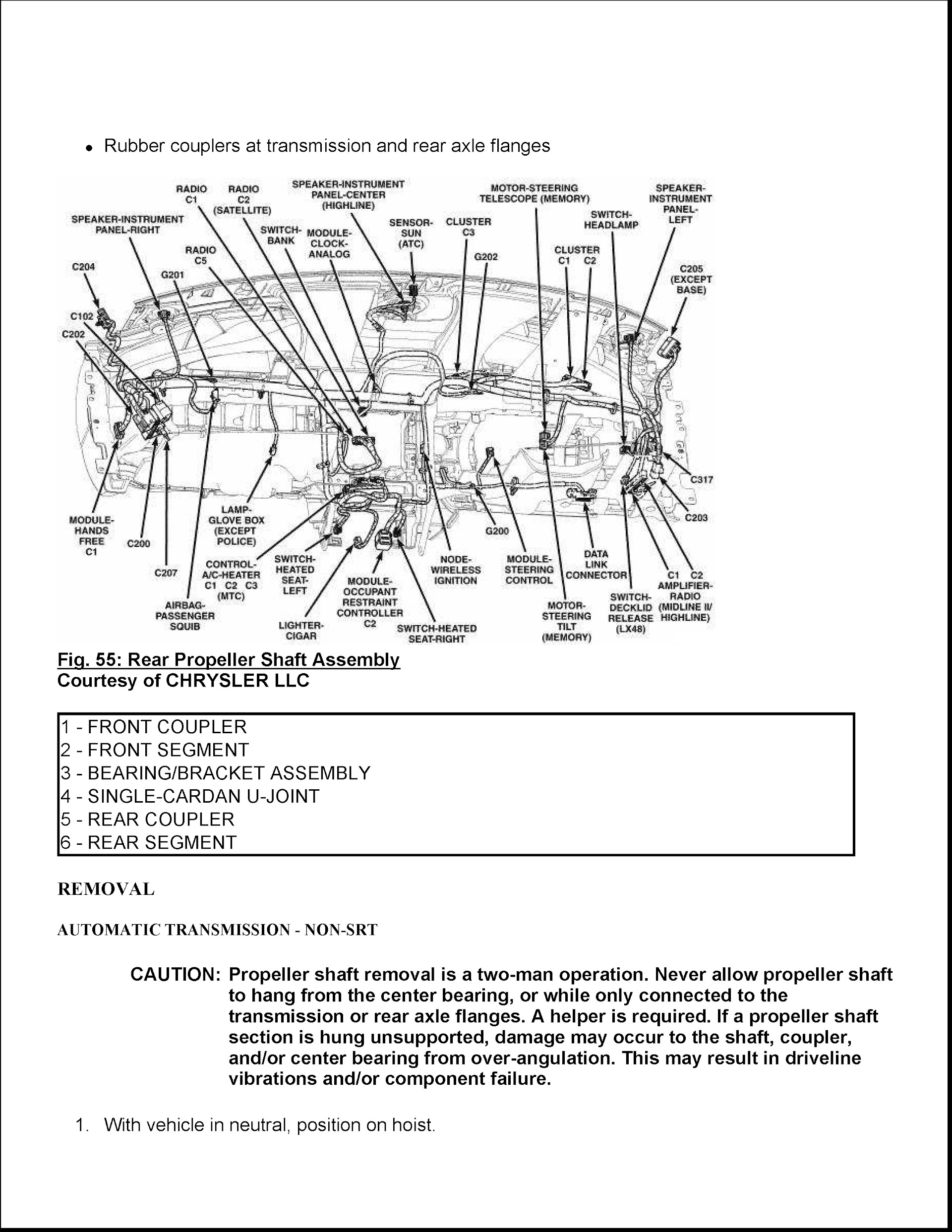
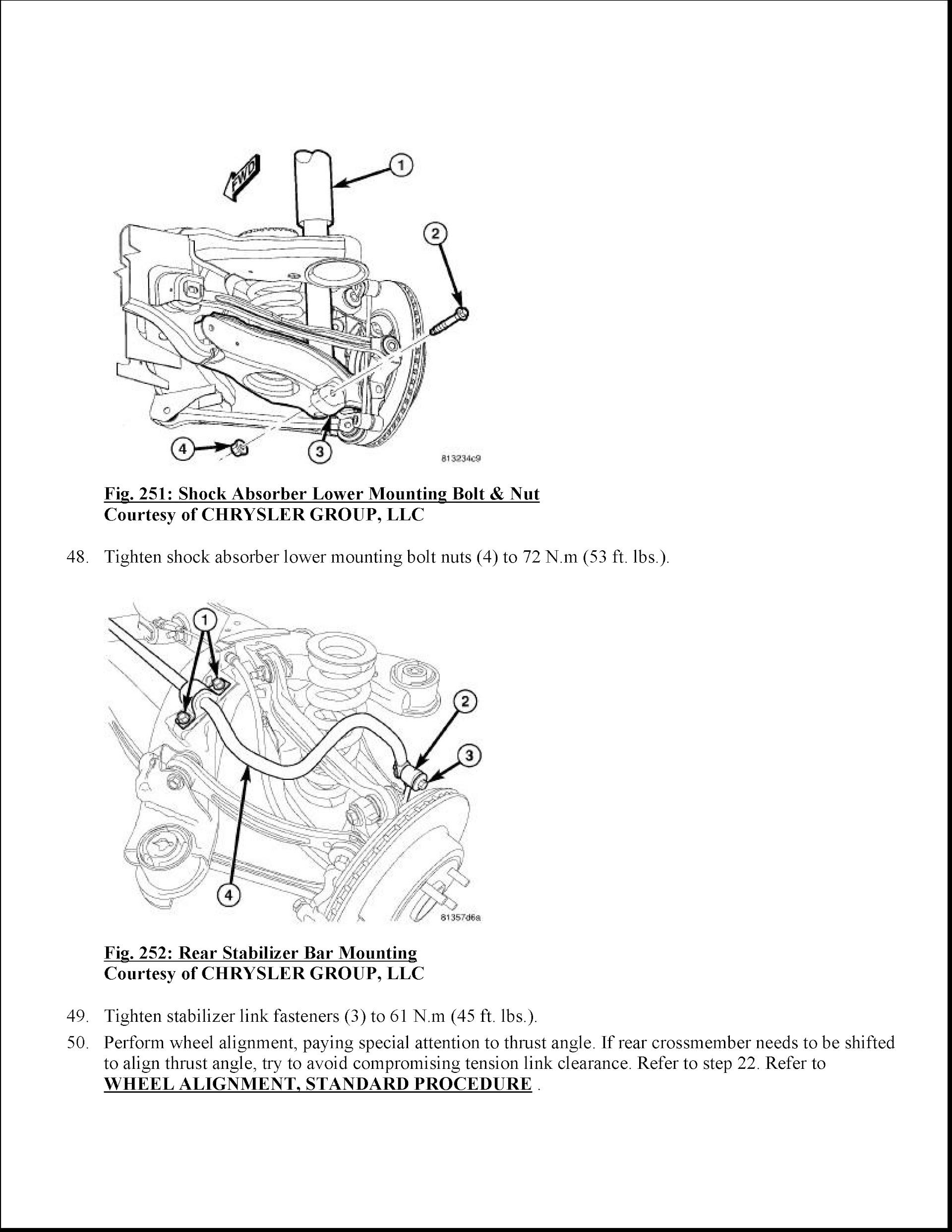
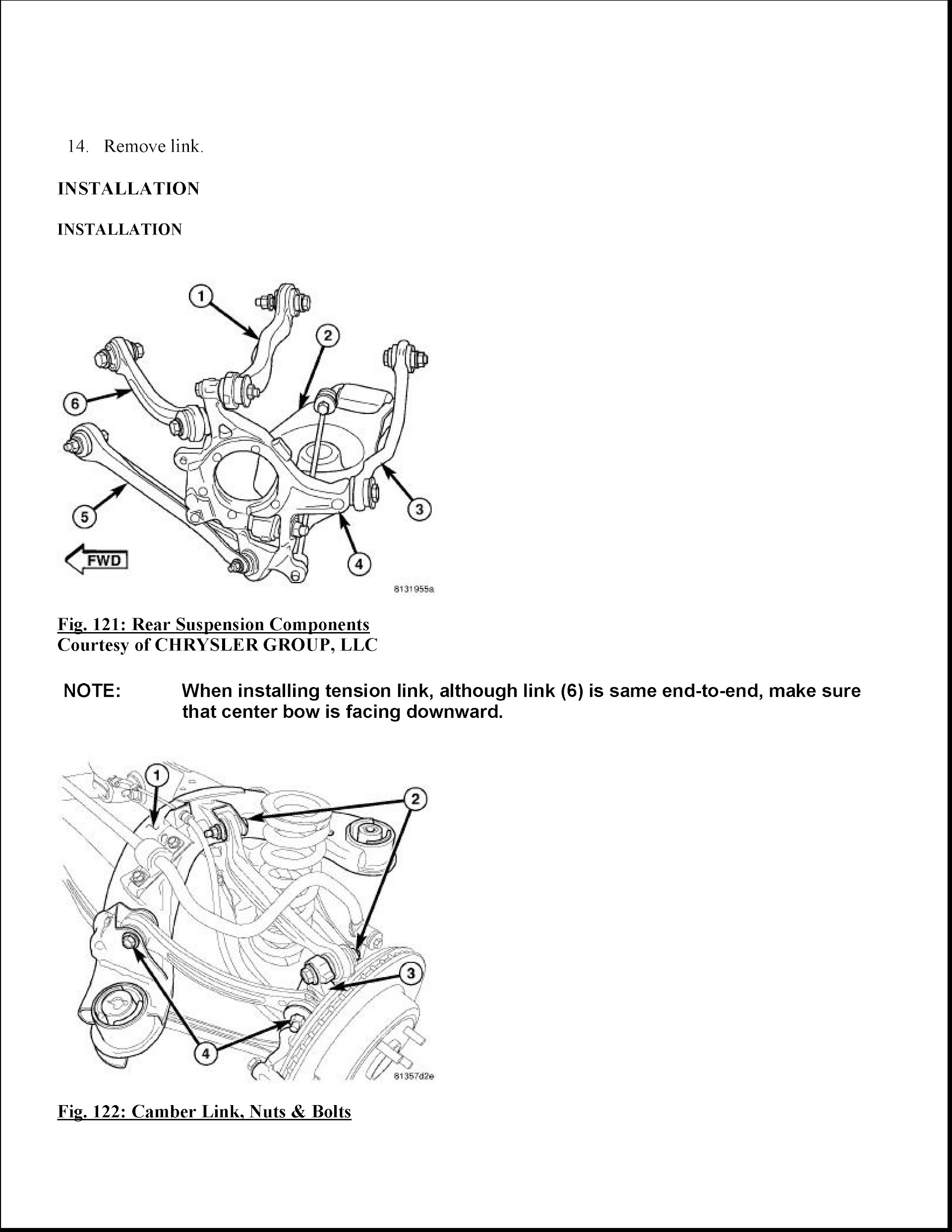
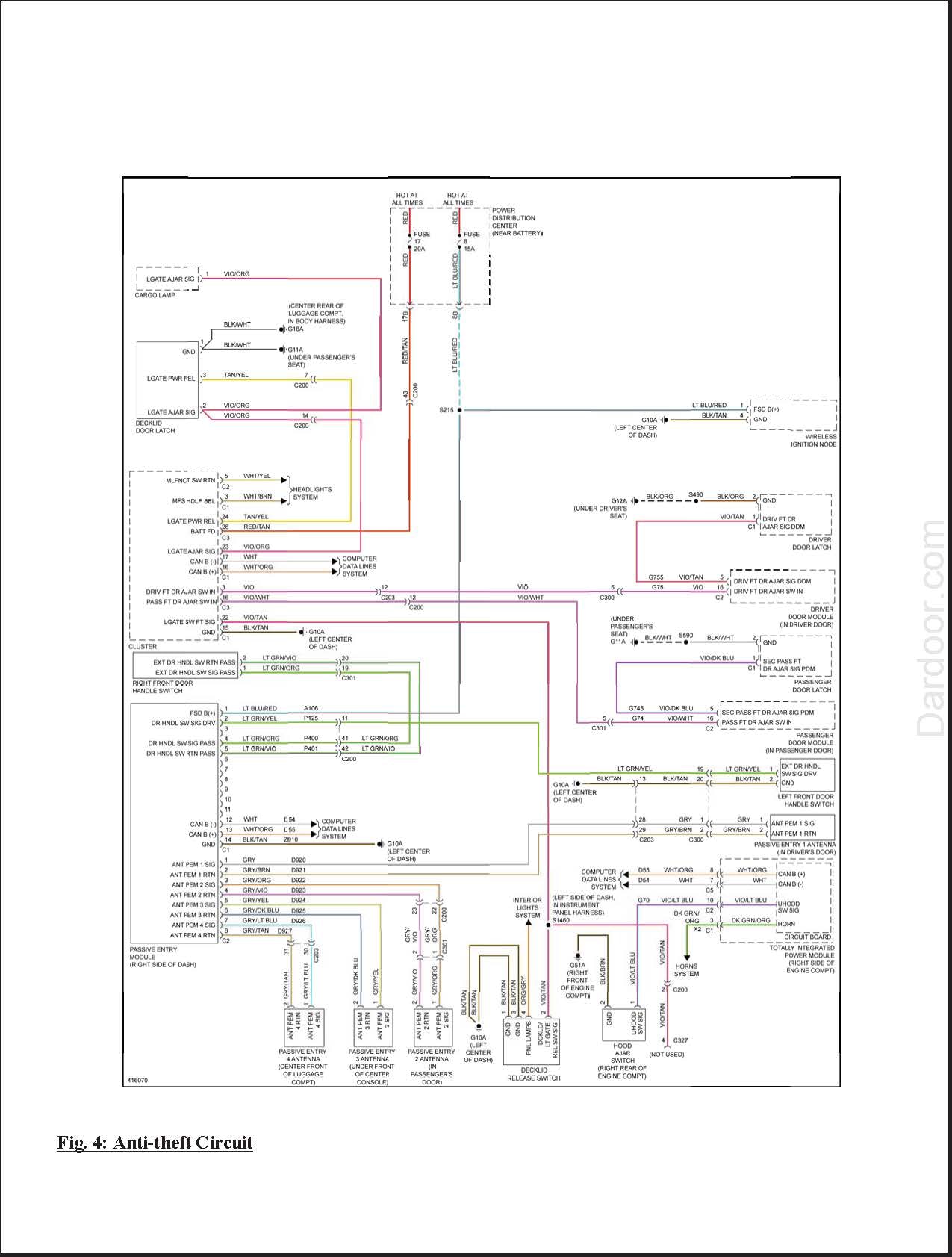
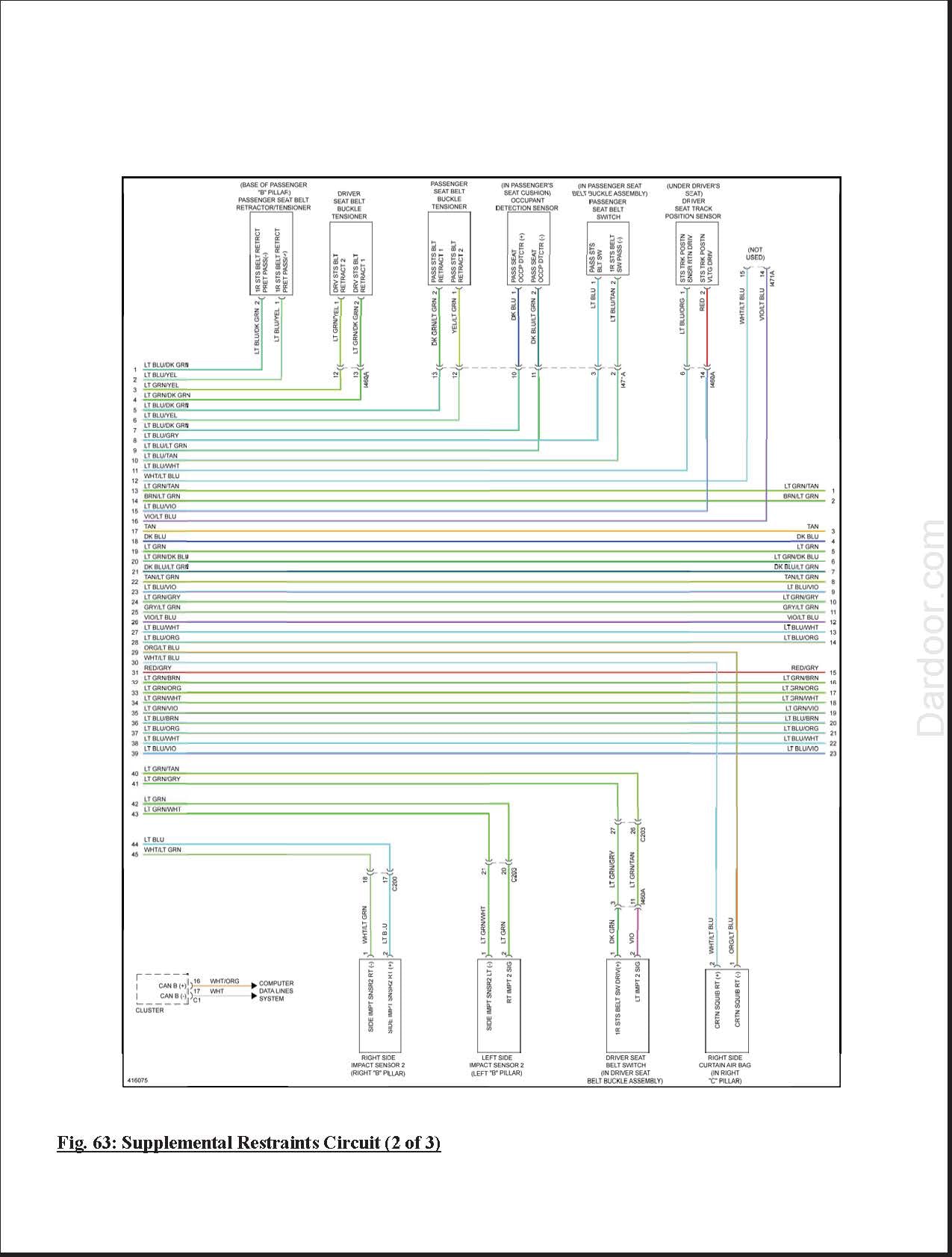
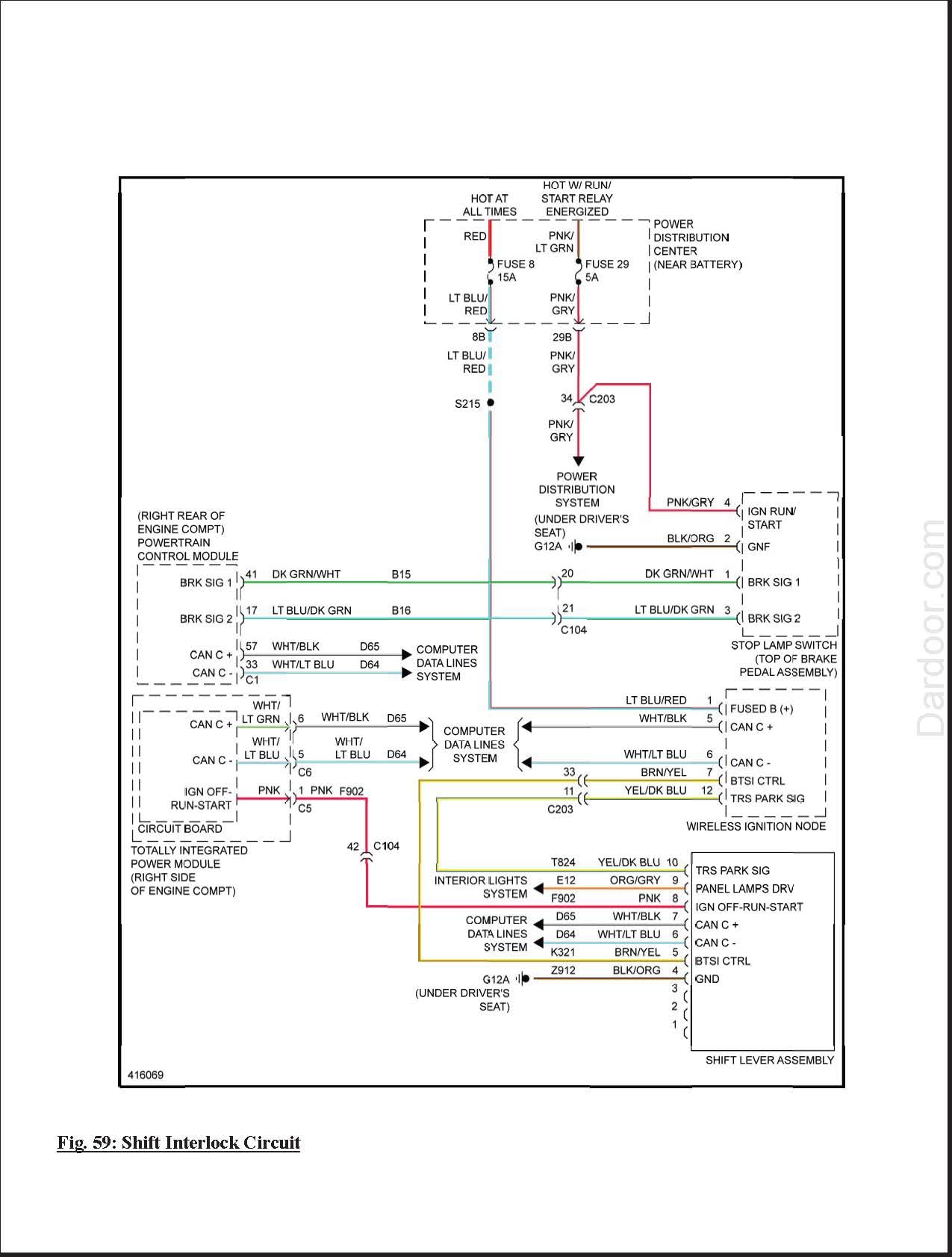
CAUTION: This manual provides detailed instructions for maintenance, disassembly, reassembly, component inspection, adjustment, and diagnostics—intended for use by experienced mechanics. Proper application of this guide will help ensure thorough repairs and maintain your vehicle in peak condition.
Important Note: Before purchasing this manual, please check whether your vehicle is subject to any active service recalls, as authorized dealerships may perform necessary repairs free of charge. When replacing parts, always use genuine Dodge OEM components to ensure safety, reliability, and long-term performance.
🚗 2011–2014 Dodge Challenger – Full Vehicle Overview, Issues, DTCs & Maintenance Guide
The 2011–2014 Dodge Challenger continues the legacy of American muscle with a mix of retro design and modern performance. Available with V6 and V8 powertrains—including the legendary HEMI—the Challenger balances brute strength, comfort, and everyday usability. It competes with rivals like the Ford Mustang and Chevrolet Camaro, offering classic styling and an authentic rear-wheel-drive muscle car experience.
⚙️ Technical Specifications & Performance
- Engine Options: 3.6L Pentastar V6 (305 hp), 5.7L HEMI V8 (372–375 hp), 6.4L HEMI V8 (470 hp)
- Transmission: 5-speed automatic / 6-speed manual (R/T & SRT8)
- Drivetrain: Rear-wheel drive (RWD)
- 0–100 km/h: 5.0–6.4 seconds depending on trim
- Fuel Efficiency: 14–25 MPG combined
- Dimensions: Length 5,027 mm, Width 1,923 mm, Height 1,466 mm
- Curb Weight: 1,740–1,950 kg
- Trunk Capacity: 459L
🔧 Top 10 Common Mechanical Issues (Root Cause & Fix)
- Engine lifter tick (Hemi engines)
🔍 Root Cause: Worn roller lifters and cam lobes.
🛠️ Fix: Replace camshaft and lifters with updated design.
- Transmission shudder
🔍 Root Cause: Torque converter clutch wear.
🛠️ Fix: Replace torque converter and perform fluid flush.
- Rear differential noise
🔍 Root Cause: Worn bearings or low fluid.
🛠️ Fix: Replace bearings and change differential fluid regularly.
- Brake rotor warping
🔍 Root Cause: Heat buildup from heavy braking.
🛠️ Fix: Replace rotors with performance-grade components.
- Suspension clunk
🔍 Root Cause: Worn sway bar links and bushings.
🛠️ Fix: Replace affected components.
- Power steering leak
🔍 Root Cause: Seal failure in rack or pump.
🛠️ Fix: Replace or rebuild steering rack/pump.
- Exhaust leak at manifolds
🔍 Root Cause: Warped exhaust flanges.
🛠️ Fix: Replace manifold gasket or upgrade headers.
- Engine stalling
🔍 Root Cause: Faulty crankshaft position sensor.
🛠️ Fix: Replace sensor and reprogram ECM if needed.
- Overheating
🔍 Root Cause: Faulty water pump or thermostat.
🛠️ Fix: Replace water pump, flush cooling system.
- Wheel bearing noise
🔍 Root Cause: Premature hub bearing wear.
🛠️ Fix: Replace hub assembly with OEM parts.
💡 Top 10 Common Electrical Issues (Root Cause & Fix)
- TIPM failure (Totally Integrated Power Module)
🔍 Root Cause: Internal relay short circuit.
🛠️ Fix: Replace TIPM or repair internal relay contacts.
- Key fob not detected
🔍 Root Cause: Faulty wireless ignition node (WIN) module.
🛠️ Fix: Replace WIN module and reprogram keys.
- Instrument cluster flickering
🔍 Root Cause: Poor ground connection.
🛠️ Fix: Clean and tighten all ground points.
- Headlight failure
🔍 Root Cause: Defective relay in TIPM.
🛠️ Fix: Replace relay or entire TIPM assembly.
- Battery drain
🔍 Root Cause: Parasitic draw from infotainment or module.🛠️ Fix: Diagnose with ammeter, update firmware or replace module.
- Airbag light on
🔍 Root Cause: Faulty seatbelt pretensioner sensor.
🛠️ Fix: Replace pretensioner or wiring harness.
- Power window failure
🔍 Root Cause: Faulty motor or master switch.
🛠️ Fix: Replace defective part.
- Alternator overcharging
🔍 Root Cause: PCM voltage regulator failure.
🛠️ Fix: Replace PCM or regulator.
- Radio no sound
🔍 Root Cause: Amplifier failure or internal short.
🛠️ Fix: Replace amplifier unit.
- ABS light on
🔍 Root Cause: Dirty or damaged wheel speed sensor.
🛠️ Fix: Clean or replace sensor.
📊 Pros & Cons Comparison with Competitors
| Model |
Pros 👍 |
Cons 👎 |
| Dodge Challenger |
Powerful engine lineup; Retro styling; Comfortable ride |
Heavy curb weight; Poor visibility; High fuel consumption |
| Ford Mustang |
Strong performance; Better handling |
Tighter rear seats; Stiffer ride |
| Chevrolet Camaro |
Sharp handling; Modern interior |
Limited visibility; Harsh suspension |
| Nissan 370Z |
Excellent handling; Sporty character |
Limited cargo space; Harsh ride |
| Hyundai Genesis Coupe |
Good value; Turbo or V6 options |
Interior quality average; Less refinement |
| BMW 4 Series |
Refined; High build quality |
Expensive maintenance; Less raw power |
🛠️ Maintenance Schedule
| Interval ⏱️ |
Maintenance Task 🔧 |
| Every 5,000 miles / 6 months |
Engine oil & filter replacement |
| Every 15,000 miles |
Inspect brakes, rotate tires |
| Every 30,000 miles |
Replace air filter, cabin filter |
| Every 60,000 miles |
Replace spark plugs, flush transmission fluid |
| Every 90,000 miles |
Replace coolant, inspect suspension and steering |
| Every 100,000 miles |
Inspect timing chain, differential fluid service |
⚠️ Recalls, Advisories & Safety Alerts
- Airbag inflator recall (Takata): Risk of shrapnel upon deployment.
- Alternator failure: Short circuit risk could lead to stalling or fire.
- Brake booster vacuum leak: Reduced braking power.
- Powertrain control module update: ECM reflash to prevent stalling.
- Fuel tank neck corrosion: Possible fuel leaks in cold climates.
- Seatbelt pretensioner recall: Improper deployment in collisions.
- ABS module software update: Prevent loss of traction control functionality.
- Headlight switch overheating: Risk of light failure or melting.
- Steering column bolt torque: Loose bolt could reduce steering control.
- Airbag occupant sensor calibration: Incorrect passenger detection.
🧾 Diagnostic Trouble Codes (DTC) Tables
💻 Engine Control Module (ECM)
| Code |
Description |
| P0300 |
Random Misfire Detected |
| P0171 |
System Too Lean |
| P0420 |
Catalyst Efficiency Below Threshold |
| P0456 |
EVAP Small Leak Detected |
| P0507 |
Idle Control System RPM High |
| P0562 |
System Voltage Low |
| P1128 |
Fuel Trim Lean |
| P1411 |
EVAP Purge Flow Fault |
| P2106 |
Throttle Actuator Control System |
| P2181 |
Cooling System Performance |
⚙️ Transmission Control Module (TCM)
| Code |
Description |
| P0700 |
Transmission Control System Malfunction |
| P0730 |
Incorrect Gear Ratio |
| P0741 |
TCC Performance or Stuck Off |
| P0750 |
Shift Solenoid A Malfunction |
| P0765 |
Shift Solenoid D Malfunction |
| P0841 |
Transmission Fluid Pressure Sensor |
| P0871 |
Transmission Pressure Switch Failure |
| P1790 |
Clutch Adaptation Error |
| P2763 |
Turbine Speed Sensor High |
| P2714 |
Pressure Control Solenoid D Stuck Off |
🛑 ABS / ESC System
| Code |
Description |
| C0035 |
Left Front Wheel Speed Sensor |
| C0040 |
Right Front Wheel Speed Sensor |
| C0051 |
Steering Angle Sensor Fault |
| C0065 |
Brake Pressure Sensor Malfunction |
| C0110 |
ABS Hydraulic Pump Circuit |
| C121C |
Torque Request Denied |
| C1241 |
Low Battery Voltage |
| C1300 |
ABS Pump Motor Fault |
| C1380 |
ABS Control Module Internal |
| C1411 |
Yaw Rate Sensor Error |
🎈 SRS Airbag System
| Code |
Description |
| B0100 |
Airbag Control Module Fault |
| B0103 |
Driver Airbag Circuit Open |
| B0106 |
Passenger Airbag Circuit Short |
| B0130 |
Airbag Sensor Fault |
| B0145 |
Side Airbag Deployment Fault |
| B0155 |
Seatbelt Pretensioner Fault |
| B1101 |
Airbag Sensor Voltage Low |
| B1209 |
Occupant Sensor Fault |
| B1302 |
Crash Sensor Supply Circuit |
| B1352 |
Crash Event Storage Full |
📡 Body Control / CAN Communication
| Code |
Description |
| U0100 |
Lost Communication with ECM |
| U0121 |
Lost Communication with ABS |
| U0140 |
Lost Communication with BCM |
| U0155 |
Lost Communication with Instrument Cluster |
| U1103 |
Invalid Data from ECM |
| U1117 |
Lost Communication with TPMS |
| U1120 |
Lost Communication with Steering Angle Sensor |
| U1130 |
Lost Communication with Immobilizer |
| U1146 |
CAN Bus Off State |
| U1180 |
Lost Communication with HVAC |
✅ Final Verdict & Conclusion
The 2011–2014 Dodge Challenger delivers true muscle car appeal, combining retro style, V8 power, and comfortable cruising ability. While heavier and less agile than rivals, it offers unmatched highway comfort and presence. Proper maintenance ensures solid reliability, making it an excellent choice for enthusiasts who want old-school performance with modern features.