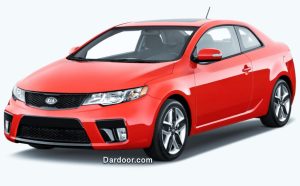
2006–2008 Kia Carens — OEM Workshop Service & Repair Manual (PDF)
Get the original factory workshop manual for the 2006–2008 Kia Carens. This comprehensive PDF contains the same dealer-level repair procedures used by Kia technicians. It includes complete mechanical, electrical, and diagnostic information to help you maintain and repair your vehicle accurately.
| File Format |
PDF |
| File Language |
English |
| You’ll Get |
86.2 MB |
| Page Count |
3,062 |
| Wiring Diagram |
Included |
| Delivery Method |
Instant Download |
Work to factory standards and repair your Kia Carens with confidence.
Models Covered
- Kia Carens (2006, 2007, 2008)
- Also known as Kia Rondo in some markets
Key Features
Complete OEM Coverage
Full factory procedures for service, repair, and maintenance.
Wiring Diagrams
Detailed electrical schematics, connectors, and circuit layouts.
Diagnostics & Troubleshooting
DTC codes, diagnostic charts, and repair flowcharts.
User-Friendly PDF
Searchable, indexed, and printable for workshop or home use.
What’s Inside
- Engine mechanical service and overhaul procedures
- Transmission and drivetrain repair
- Brake, ABS, steering and suspension systems
- Complete electrical system and wiring diagrams
- Body, HVAC, interior and safety systems
- Maintenance schedules, torque specs and fluid capacities
Download & Compatibility
Delivery: Instant Digital PDF Download
Compatibility: Windows • macOS • iOS • Android
This manual provides detailed instructions for maintenance, disassembly, reassembly, component inspection, adjustment, and diagnostics—intended for use by experienced mechanics. Proper application of this guide will help ensure thorough repairs and maintain your vehicle in peak condition.
Important Note: Before purchasing this manual, please check whether your vehicle is subject to any active service recalls, as authorized dealerships may perform necessary repairs free of charge. When replacing parts, always use genuine OEM components to ensure safety, reliability, and long-term performance.
Table of Contents : 2006-2008 KIA Carens Repair Manual
- General Information.
- Engine Electrical System (Diesel).
- Engine Electrical System (Gasoline).
- Engine Mechanical System (Diesel).
- Engine Mechanical System (Gasoline).
- Emissions Control System.
- Fuel System (Diesel).
- Fuel System (Gasoline).
- Driveshaft and Axle.
- Clutch System.
- Steering System.
- Manual Transaxle (M6GF2).
- Manual Transaxle (M5GF1).
- Automatic Transaxle (F4A51-3F4A42).
- Suspension System.
- Brake System.
- Body (Interior and Exterior).
- Body Electrical System.
- Heating, Ventilation and Air Conditioning.
- Electrical Troubleshooting and Wiring Manual
SAMPLE PAGES
CAUTION: This OEM service and workshop repair manual provides detailed procedures for maintenance, disassembly, reassembly, inspection, adjustment, and diagnostics. It is intended as a comprehensive guide for experienced mechanics. To ensure thorough and accurate repairs that maintain your vehicle’s optimal performance, please read and follow this manual carefully. When replacing parts during any repair work,
always use genuine Kia parts to ensure quality, safety, and reliability.
2006–2008 KIA Carens: Comprehensive Buyer’s Guide
Overview
The 2006–2008 Kia Carens (also known as Rondo in North America) is a compact MPV (multi-purpose vehicle) that bridges the gap between a traditional sedan and a minivan. This second-generation model was designed primarily for European and Asian markets, offering flexible seating configurations and practical family transportation.
Key Highlights:
- Compact MPV with 5 or 7-seat configurations
- Available in multiple markets (Europe, Asia, limited North American availability as “Rondo”)
- Positioned as an affordable family vehicle
- Part of Kia’s expansion into practical, value-oriented segments
Technical Specifications
Engine Options
Gasoline Engines:
- 2.0L I4 (G4GC): 143 hp @ 6,000 rpm, 136 lb-ft @ 4,500 rpm
- 2.4L I4 (G4KE): 162–175 hp (depending on market), 162 lb-ft
Diesel Engines (primarily European markets):
- 2.0L CRDi (D4EA): 140 hp, 206 lb-ft
- 2.0L CRDi VGT: 138–140 hp with variable geometry turbo
Transmission
- 5-speed manual
- 4-speed automatic (gasoline models)
- 5-speed automatic (some markets/engines)
Dimensions & Weight
- Length: 4,545–4,570 mm (178.9–179.9 in)
- Width: 1,805 mm (71.1 in)
- Height: 1,610–1,640 mm (63.4–64.6 in)
- Wheelbase: 2,750 mm (108.3 in)
- Curb Weight: 1,450–1,650 kg (3,197–3,638 lbs) depending on configuration
Performance
- 0–60 mph: 10–12 seconds (varies by engine)
- Top Speed: 115–125 mph (185–200 km/h)
- Fuel Economy: 22–28 mpg combined (gasoline); 32–38 mpg (diesel)
Drivetrain
- Front-wheel drive (FWD) standard
- All-wheel drive (AWD) available in select markets
Suspension
- Front: MacPherson strut
- Rear: Multi-link independent suspension
Brakes
- Front: Ventilated discs
- Rear: Solid discs or drums (depending on trim)
- ABS standard on most trims
10 Top Mechanical & Electrical Issues
1. Timing Belt Failure
Symptoms:
- Engine suddenly stops running
- Loud knocking or rattling noise before failure
- Engine won’t start after belt snaps
- Bent valves causing complete engine failure
Root Cause: The 2.0L and 2.4L engines use interference-design timing belts that require replacement every 60,000–90,000 km (37,000–56,000 miles). Neglecting this service causes catastrophic engine damage when the belt breaks, as pistons strike open valves.
Fix: Replace timing belt, water pump, tensioners, and idler pulleys as a complete kit. If belt has already failed, engine teardown required to assess valve and piston damage; often requires cylinder head rebuild or engine replacement.
Cost: Preventive replacement: $400–$700 | Post-failure repair: $2,500–$4,500
2. Diesel Particulate Filter (DPF) Clogging (Diesel models)
Symptoms:
- Loss of power, especially under acceleration
- Increased fuel consumption
- DPF warning light illuminated
- Engine entering “limp mode”
- Excessive black smoke from exhaust
- Difficulty starting
Root Cause: 2.0L CRDi diesel engines with DPF systems clog when used primarily for short trips. The DPF requires sustained highway driving (regeneration cycles at 400–600°C) to burn off accumulated soot. City-only driving prevents proper regeneration.
Fix: For minor clogging: forced regeneration via diagnostic tool ($100–$200). Moderate clogging: DPF cleaning service using specialized equipment ($300–$600). Severe blockage: DPF replacement required.
Cost: Regeneration: $100–$200 | Cleaning: $300–$600 | Replacement: $1,200–$2,500
3. Alternator Failure
Symptoms:
- Battery warning light illuminated
- Dimming headlights and interior lights
- Electrical accessories malfunctioning
- Difficulty starting or dead battery
- Whining or grinding noise from alternator
- Burning rubber smell
Root Cause: Alternators on 2006–2008 Carens commonly fail between 80,000–120,000 km due to worn brushes, failed voltage regulators, or bearing deterioration. The issue is exacerbated by belt tension problems and exposure to moisture/road salt.
Fix: Replace alternator assembly. While rebuilding is possible, replacement with new or remanufactured unit is more reliable. Check battery condition and charging system after replacement.
Cost: $350–$650 (including labor)
4. Front Lower Control Arm Bushing Deterioration
Symptoms:
- Clunking or knocking noise from front suspension over bumps
- Steering wheel vibration
- Uneven tire wear (inside or outside edges)
- Vehicle pulls to one side
- Increased steering effort
- Failed vehicle inspection (if severe)
Root Cause: The rubber bushings in the front lower control arms degrade prematurely due to road salt, temperature cycling, and stress from potholes. This is particularly common in cold climates and on vehicles with higher mileage (100,000+ km).
Fix: Replace front lower control arms as complete assemblies (arms with bushings pre-installed) rather than pressing in new bushings. Perform wheel alignment after replacement.
Cost: $400–$700 for both sides (including alignment)
5. Mass Air Flow (MAF) Sensor Failure
Symptoms:
- Check engine light illuminated (P0101, P0102, P0103 codes)
- Rough idle or stalling
- Poor acceleration and sluggish throttle response
- Black smoke from exhaust
- Decreased fuel economy (10–20% worse)
- Hesitation during acceleration
Root Cause: MAF sensors fail due to contamination from oil vapors (from worn PCV systems), dirt bypassing the air filter, or electrical connection corrosion. The sensor’s hot wire element becomes coated, providing incorrect airflow readings to the ECU.
Fix: Try cleaning MAF sensor with specialized MAF cleaner spray first. If cleaning doesn’t resolve issues, replace MAF sensor. Check air filter condition and PCV system to prevent recurrence.
Cost: Cleaning: $20–$50 DIY | Replacement: $200–$400
6. Automatic Transmission Solenoid Problems
Symptoms:
- Harsh or delayed shifting between gears
- Transmission slipping (RPM increase without acceleration)
- Check engine light with transmission codes (P0745, P0750, P0755)
- Stuck in one gear (limp mode)
- Erratic shifting patterns
- Transmission overheating
Root Cause: The 4-speed and 5-speed automatic transmissions suffer from shift solenoid failures due to contaminated transmission fluid, internal wear, or electrical faults. Neglecting transmission fluid changes accelerates solenoid deterioration.
Fix: Replace failed shift solenoid(s) after diagnostic scan confirms specific solenoid fault. Perform complete transmission fluid flush and filter replacement. In severe cases, valve body replacement may be necessary.
Cost: Solenoid replacement: $400–$800 | Valve body: $1,200–$2,000
7. Crankshaft Position Sensor Failure
Symptoms:
- Intermittent no-start condition
- Engine stalling while driving (especially when hot)
- Rough idle and misfiring
- Check engine light (P0335, P0336 codes)
- Tachometer reading erratically or dropping to zero
- Engine cuts out then restarts
Root Cause: Crankshaft position sensors fail due to heat exposure from the engine, vibration damage, or internal electrical component breakdown. The sensor’s ability to detect crankshaft position degrades, preventing proper ignition timing and fuel injection.
Fix: Replace crankshaft position sensor. The sensor is typically located near the crankshaft pulley or on the transmission bell housing. Clear diagnostic codes after replacement and test-drive to verify repair.
Cost: $150–$350 (including labor)
8. Power Steering Pump Leaks
Symptoms:
- Whining noise from power steering pump, especially when turning
- Steering effort increases (heavy steering)
- Power steering fluid leaks visible under vehicle
- Low power steering fluid level requiring frequent top-ups
- Groaning sound when steering wheel turned to full lock
- Burning smell from leaking fluid on hot engine components
Root Cause: Power steering pump seals deteriorate over time due to heat cycling and fluid contamination. High-pressure hose connections also develop leaks. Using incorrect or contaminated power steering fluid accelerates seal degradation.
Fix: For minor leaks: replace high-pressure hoses and clamps. For pump seal leaks: replace power steering pump assembly. Flush power steering system and refill with correct specification fluid (typically ATF Dexron III or equivalent).
Cost: Hose replacement: $150–$300 | Pump replacement: $400–$700
9. Oxygen Sensor Degradation
Symptoms:
- Check engine light with O2 sensor codes (P0130-P0167 range)
- Poor fuel economy (15–25% decrease)
- Rough idle and hesitation
- Failed emissions test
- Engine runs rich (black exhaust smoke)
- Sluggish acceleration
Root Cause: Both upstream (pre-catalytic converter) and downstream oxygen sensors degrade from exposure to combustion byproducts, contamination from oil consumption or coolant leaks, and normal wear after 100,000–150,000 km. Sensors lose sensitivity, providing inaccurate air/fuel mixture data.
Fix: Replace failed oxygen sensor(s) based on diagnostic code indication. Upstream sensors (Bank 1 Sensor 1, Bank 2 Sensor 1) are more critical for performance. Address any oil consumption or coolant leaks to prevent premature sensor failure.
Cost: $150–$300 per sensor (including labor)
10. Radiator and Coolant Hose Leaks
Symptoms:
- Coolant puddle under vehicle after parking
- Engine temperature gauge reading higher than normal
- Sweet smell (ethylene glycol) in cabin or under hood
- White steam from under hood
- Low coolant warning light
- Heater blowing cold air
- Overheating in traffic or during hot weather
Root Cause: Plastic radiator end tanks become brittle with age and develop cracks, especially around mounting points. Rubber coolant hoses deteriorate from heat cycling and chemical breakdown. The issue is accelerated by using incorrect coolant mix or neglecting coolant changes.
Fix: Replace radiator if end tanks are cracked or leaking. Replace deteriorated coolant hoses, particularly upper/lower radiator hoses and heater core hoses. Pressure test cooling system after repairs. Flush and refill with 50/50 coolant mixture.
Cost: Radiator replacement: $300–$600 | Hose replacement: $150–$350 | Complete system service: $500–$900
Top 5 Competitors
- Strengths: Better driving dynamics, more refined interior, sliding rear doors, available 6-speed manual
- Weaknesses: Slightly smaller cargo space, higher price, less common in some markets
- Comparison: The Mazda5 offers sportier handling and better build quality but at a premium price point
2. Opel/Vauxhall Zafira B (2005–2011)
- Strengths: Flex7 seating system, refined ride, strong diesel options, European pedigree
- Weaknesses: Higher maintenance costs, complex electrical systems, less reliable than Carens
- Comparison: More sophisticated but potentially more expensive to maintain long-term
3. Toyota Wish (2003–2009)
- Strengths: Superior reliability, excellent resale value, refined powertrains, lower maintenance costs
- Weaknesses: Higher purchase price, less equipment for money, smaller rear seats in 7-seat configuration
- Comparison: More reliable but commands premium pricing; better long-term ownership proposition
4. Renault Grand Scenic (2004–2009)
- Strengths: Stylish design, excellent space utilization, comfortable ride, innovative features
- Weaknesses: Questionable reliability, expensive parts, complex electronics, poor resale value
- Comparison: More stylish and feature-rich but significantly less reliable
5. Ford C-Max (2003–2010)
- Strengths: Good handling dynamics, quality interior materials, strong diesel engines, solid European build
- Weaknesses: Smaller cargo capacity in 5-seat form, higher running costs, complex powertrains
- Comparison: Better to drive but less practical for families needing maximum space and value
Top 10 Recalls, Advisories & TSB Highlights
1. Seatbelt Anchor Reinforcement (Europe – 2007)
-
- Issue: Rear seatbelt anchor points may not meet strength requirements in severe crashes
- Fix: Dealer inspection and reinforcement plate installation
- Affected: Approximately 15,000 units
2. Fuel Line Connector Leak (Various markets – 2006-2007)
-
- Issue: Fuel line quick-connector may not seal properly, causing fuel leakage and fire risk
- Fix: Replacement of fuel line connector assembly
- Affected: Select production batches
3. Front Suspension Lower Ball Joint (Korea/Asia – 2006-2008)
-
- Issue: Premature wear of front lower ball joints leading to separation and loss of control
- Fix: Inspection and replacement of affected ball joints
- Affected: Vehicles in high-stress markets
4. Airbag Deployment Software Update (Europe – 2007-2008)
-
- Issue: Airbag control module software may not deploy airbags optimally in certain crash scenarios
- Fix: ECU software update at dealership
- Affected: Multiple production periods
5. Diesel Fuel Injection Pump Seal (Diesel models – 2006-2008)
-
- Issue: High-pressure fuel pump seals may leak, causing fuel system pressure loss and potential fire hazard
- Fix: Fuel pump seal replacement or complete pump replacement
- Affected: 2.0 CRDi diesel engines
6. Steering Column Universal Joint (Select markets – 2006-2007)
-
- Issue: Steering column universal joint may wear prematurely, causing increased play and reduced steering response
- Fix: Universal joint inspection and replacement
- Affected: Early production vehicles
7. Anti-Lock Braking System (ABS) Module (Various markets – 2007-2008)
-
- Issue: ABS module may experience internal electrical faults, causing ABS/ESP warning lights and reduced braking performance
- Fix: ABS module replacement and software update
- Affected: Specific VIN ranges
8. Crankcase Ventilation Valve Clogging (TSB – All engines)
-
- Issue: PCV valve and crankcase ventilation hoses clog with oil sludge, causing rough idle, increased oil consumption, and MAF sensor contamination
- Fix: Replace PCV valve and clean/replace ventilation hoses every 60,000 km
- Prevention: Use quality oil and maintain proper service intervals
9. Automatic Transmission Shift Quality (TSB – Automatic models)
-
- Issue: Harsh shifts, delayed engagement, or slipping due to transmission fluid degradation or valve body wear
- Fix: Transmission fluid flush with Kia SP-III or equivalent; valve body cleaning or replacement in severe cases
- Recommendation: Change transmission fluid every 60,000 km instead of “lifetime” claim
10. Condensation in Headlight Assemblies (Service Advisory – All models)
-
- Issue: Moisture accumulation inside headlight housings due to inadequate ventilation or seal degradation
- Fix: Replace headlight assembly seals or complete housing; ensure ventilation tubes are clear
- Note: Not safety-critical but affects lighting performance and appearance
Note: Recall availability varies significantly by market (Europe, Asia, North America). The following represents common issues across markets:
Maintenance Schedule
Every 10,000 km (6,000 miles) or 6 Months
- Engine oil and oil filter change
- Visual inspection of brakes, tires, suspension
- Check all fluid levels (coolant, brake, power steering, washer)
- Inspect drive belts for wear and tension
Every 20,000 km (12,000 miles) or 12 Months
- Cabin air filter replacement
- Rotate tires
- Inspect brake pads and discs thickness
- Check battery condition and clean terminals
- Inspect exhaust system for leaks/damage
Every 30,000 km (18,000 miles) or 24 Months
- Engine air filter replacement
- Replace spark plugs (conventional); inspect iridium plugs
- Inspect cooling system hoses and clamps
- Check drive axle boots for cracks/leaks
- Inspect steering and suspension components
Every 40,000 km (25,000 miles)
- Replace brake fluid (critical for ABS/ESP function)
- Inspect automatic transmission fluid level and condition
- Clean throttle body
- Inspect fuel filter (diesel: replace)
Every 60,000 km (37,000 miles) or 48 Months
- CRITICAL: Replace timing belt, water pump, tensioners (interference engines)
- Replace engine coolant
- Replace automatic transmission fluid and filter
- Replace manual transmission oil
- Replace differential oil (AWD models)
- Replace spark plugs (iridium type)
- Inspect/replace PCV valve and crankcase ventilation system
Every 80,000 km (50,000 miles)
- Inspect valve clearances (gasoline engines)
- Replace fuel filter (gasoline engines)
- Inspect drive belts (replace if cracked or frayed)
Every 90,000–100,000 km (56,000–62,000 miles)
- Replace accessory drive belt
- Flush power steering fluid
- Inspect/replace oxygen sensors if performance degraded
- Full suspension bushing inspection
As Needed / Condition-Based
- Brake pads: 30,000–60,000 km depending on driving style
- Brake rotors: 60,000–100,000 km
- Tires: 40,000–80,000 km depending on type and driving
- Battery: 3–5 years
- Wiper blades: 6–12 months
- DPF regeneration (diesel): Monitor warning light; forced regen if needed
10 FAQs for Buyers
1. Is the 2006–2008 Kia Carens reliable?
Moderate reliability. The Carens is reasonably reliable if properly maintained, particularly regarding timing belt replacement and transmission servicing. It’s not as bulletproof as Toyota/Honda competitors but significantly better than some European rivals. Expect typical Korean-car reliability from this era—good value but requires diligent maintenance. Diesel models add complexity with DPF concerns.
Key: Service records are critical. A well-maintained example will serve you well; a neglected one will be problematic.
2. Which engine is best: gasoline or diesel?
It depends on your usage:
- Choose diesel (2.0 CRDi) if you drive 20,000+ km annually with regular highway trips. Better fuel economy (30–35% improvement) and stronger torque for highway cruising. However, DPF issues make diesels poor choices for city-only driving.
- Choose gasoline (2.4L preferred) if you drive mostly in the city or less than 15,000 km annually. Simpler, fewer expensive maintenance items, no DPF concerns. The 2.4L offers adequate power; the 2.0L gasoline feels underpowered when fully loaded.
Verdict: For mixed driving with highway component: diesel. For city/suburban: gasoline 2.4L.
3. What are the most expensive repairs to budget for?
Top 5 expensive repairs:
- Timing belt failure damage: $2,500–$4,500 (preventable with timely replacement)
- Automatic transmission rebuild: $2,000–$3,500
- DPF replacement (diesel): $1,200–$2,500
- Engine replacement (if timing belt fails): $3,000–$5,000
- Catalytic converter replacement: $800–$1,500
Prevention strategy: Replace timing belt at 60,000 km religiously, change transmission fluid every 60,000 km, avoid short trips with diesel models, and maintain cooling system to prevent overheating.
4. How many seats does it have, and is the third row usable?
The Carens comes in 5-seat and 7-seat configurations. The 7-seat version has a third row, but it’s realistically only suitable for:
- Children under 12 years old
- Short trips (under 30 minutes)
- Emergency/occasional use
Adults will find the third row cramped with limited legroom and headroom. The second row offers good space for adults. With all three rows up, cargo space is minimal (think: grocery bags only). The 5-seat version offers significantly more cargo flexibility.
Recommendation: If you need regular 7-seat capacity, consider a larger vehicle. The Carens 7-seater works for families with young children who occasionally need extra seats.
5. What should I check when viewing a used Carens?
Critical inspection points:
-
- ✓ Timing belt service records – Absolute dealbreaker if no proof of replacement
- ✓ Transmission behavior – Test drive with multiple gear changes; check for slipping/harsh shifts
- ✓ DPF warning light (diesel) – If illuminated, walk away or negotiate heavily
- ✓ Coolant system – Check for leaks, inspect radiator and hoses, look for chocolate milk-colored oil (head gasket)
- ✓ Front suspension – Listen for clunking over bumps; check for uneven tire wear
- ✓ Undercarriage rust – Especially important in salt-belt regions
- ✓ Alternator function – Test all electrical accessories; check battery voltage
- ✓ Service book completeness – Regular oil changes are critical for engine longevity
- ✓ MAF sensor – Rough idle or poor acceleration indicates issues
- ✓ Smoke from exhaust – Blue (oil burning), white (coolant), black (running rich)
- ✓ Deal-breakers: No timing belt service proof, major rust, transmission issues, DPF problems without resolution.
6. What’s the fuel economy in real-world driving?
Gasoline models (2.0L / 2.4L):
- City: 18–22 mpg (13–10.5 L/100km)
- Highway: 26–30 mpg (9–7.8 L/100km)
- Combined: 22–25 mpg (10.7–9.4 L/100km)
Diesel models (2.0 CRDi):
- City: 28–32 mpg (8.4–7.4 L/100km)
- Highway: 38–42 mpg (6.2–5.6 L/100km)
- Combined: 32–36 mpg (7.4–6.5 L/100km)
Real-world economy depends heavily on driving style, load, and whether you’re using AWD (reduces economy by 5–10%).
7. Is parts availability and cost a concern?
Moderate concern, depending on your market:
Good news:
- Shares many components with other Kia/Hyundai models from this era (Sportage, Tucson, Magentis)
- Aftermarket parts widely available for wear items (brakes, filters, suspension)
- Engine and transmission parts reasonably available
Challenges:
- Body panels and trim pieces may require ordering from specialized suppliers
- Some electronics (ECU modules, switches) can be expensive and slow to source
- Diesel-specific parts (DPF, injectors) are pricey
Cost comparison (vs. competitors):
- 20–30% cheaper than European competitors (VW, Renault, Opel)
- 10–20% more expensive than Japanese competitors (Toyota, Honda)
Strategy: Find a good independent mechanic familiar with Kia/Hyundai products; avoid dealership pricing for routine maintenance.
8. How does it handle winter and harsh weather conditions?
AWD models: Capable in snow and light off-road conditions with good ground clearance (~160mm). The AWD system is on-demand, sending power rearward when front wheels slip. Adequate for Canadian winters, Nordic conditions, and unpaved roads.
FWD models: Acceptable winter performance with good winter tires. Front-wheel drive handles most winter conditions competently but struggles in deep snow or icy hills.
Key considerations:
- Invest in quality winter tires (makes more difference than AWD vs FWD)
- Undercarriage rust protection essential in salt-belt regions
- Ensure coolant mixture is correct (-40°C minimum)
- Battery replacement before winter if over 3 years old
- Block heater recommended in extremely cold climates (-30°C and below)
Verdict: AWD version is a capable winter vehicle; FWD version is adequate with proper tires.
9. What’s the typical lifespan with proper maintenance?
Expected longevity:
- Gasoline engines: 250,000–300,000 km (155,000–186,000 miles) with diligent maintenance
- Diesel engines: 300,000–400,000 km (186,000–248,000 miles) if DPF and injectors maintained
- Transmission: 200,000–250,000 km with fluid changes every 60,000 km
- Overall vehicle: 15–20 years / 250,000–350,000 km depending on environment and care
Longevity critical factors:
- Timing belt replacement on schedule (every 60,000 km)
- Regular oil changes (every 10,000 km or less)
- Transmission fluid maintenance (not “lifetime”—change it!)
- Rust prevention in harsh climates
- Cooling system maintenance
Realistic assessment: Well-maintained examples reaching 300,000 km are common in taxi/fleet use. Neglected examples fail before 150,000 km due to timing belt or transmission issues.
10. Is it worth buying in 2025, or should I look at newer alternatives?
Buy a 2006–2008 Carens if:
- Budget is $3,000–$7,000 USD/CAD/EUR
- You need practical 7-seat capability on a tight budget
- You have access to a good independent mechanic
- You can verify complete service records (especially timing belt)
- You’re comfortable with older vehicle technology (no modern safety features)
Look at newer alternatives if:
- You need modern safety features (stability control, multiple airbags, collision avoidance)
- Your budget allows $10,000+ for a 2012+ compact MPV
- You want better fuel economy and emissions
- You drive primarily in city conditions (newer models have better transmission efficiency)
- You lack mechanical knowledge/trusted mechanic
Better alternatives in similar price range (2025 used market):
- 2009–2012 Mazda5 (better quality, more refined)
- 2008–2011 Toyota Wish/Ipsum (superior reliability)
- 2010–2013 Kia Carens (third generation—major improvement)
Verdict: The 2006–2008 Carens is acceptable value for budget-conscious buyers with realistic expectations and good mechanical support. Not recommended as a primary family vehicle for those who need maximum reliability or modern safety. Good as a second vehicle, youth-driver car, or budget family transport.
Final Buyer Recommendations
✅ BUY if:
- Service history is complete and verifiable – Especially timing belt replacement proof
- Vehicle has been well-maintained – Regular oil changes, clean interior, no deferred maintenance
- You have access to affordable repairs – Independent Kia/Hyundai specialist or DIY capability
- Price reflects condition – $2,500–$6,000 depending on mileage, condition, market
- Your usage matches the vehicle – Family hauler for short-medium trips, not daily highway commuter
- You understand the limitations – It’s a budget MPV from 2006–2008, not a luxury vehicle
❌ AVOID if:
- No timing belt service proof – Walk away immediately unless price reflects $700 immediate service
- Transmission shows issues – Slipping, harsh shifts, or warning lights present
- DPF warning light on (diesel) – Repair costs $1,000+ and may indicate chronic short-trip use
- Heavy rust present – Especially structural areas, suspension mounts, subframe
- Multiple electrical issues – Indicates possible water intrusion or electrical system deterioration
- Seller cannot explain service history – Unknown maintenance is a gamble you’ll likely lose
- You need maximum reliability – Consider Toyota/Honda alternatives instead
🔍 Pre-Purchase Inspection Checklist:
Mandatory items to check or have inspected:
- ✓ Timing belt replacement proof (60,000 km intervals)
- ✓ Transmission fluid condition (should be red/pink, not brown/burnt)
- ✓ Compression test on all cylinders
- ✓ Coolant system pressure test
- ✓ Suspension component inspection (bushings, ball joints)
- ✓ Diagnostic scan for stored codes
- ✓ Test drive minimum 30 minutes including highway speeds
- ✓ Undercarriage inspection for rust and leaks
- ✓ Diesel DPF status check (if applicable)
Fair Market Pricing Guide (2025, USD/CAD/EUR approximate)
Good condition, documented service history:
- 80,000–120,000 km: $5,000–$7,000
- 120,000–180,000 km: $3,500–$5,500
- 180,000–250,000 km: $2,000–$3,500
- 250,000+ km: $1,500–$2,500
Deduct for:
- No timing belt service proof: -$700
- Transmission issues: -$500 to -$1,500
- Suspension wear: -$300 to -$600
- Cosmetic damage: -$200 to -$800
- DPF issues (diesel): -$800 to -$1,500
Premium for:
- Complete dealer service history: +$500
- Recent major service (timing belt): +$400
- AWD model: +$500–$800
- Low mileage (under 100,000 km): +$800–$1,200
Our Overall Verdict
The 2006–2008 Kia Carens is a practical, budget-friendly MPV that offers good value for money when properly maintained. It’s not the most refined, quietest, or most reliable vehicle in its class, but it delivers on its core promise: affordable, flexible family transportation.
Strengths: Versatile seating, reasonable fuel economy (especially diesel), low purchase price, adequate space, straightforward mechanics.
Weaknesses: Below-average interior materials, mediocre driving dynamics, diesel DPF complexity, critical timing belt service requirements, aging technology.
Best suited for: Budget-conscious families, second vehicle use, young drivers, those with mechanical aptitude or access to affordable service, buyers prioritizing practicality over prestige.
Rating: ★★★☆☆ (6/10)
- Value for money: 7.5/10
- Reliability: 6/10
- Practicality: 8/10
- Driving experience: 5/10
- Running costs: 6.5/10
Bottom line: A serviceable, affordable MPV that rewards careful pre-purchase inspection and diligent maintenance. Not exciting, but gets the job done for families on a budget who do their homework before buying.