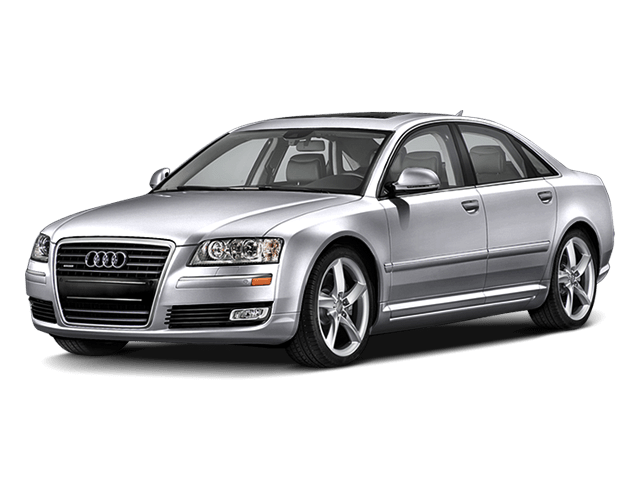
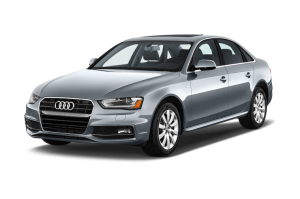
Audi A8/S8 Repair Manual (2003-2010, D3/E4) – OEM Service Document with Colored Diagrams
Access the original colored OEM service and workshop repair manual, complete with electrical wiring diagrams, for the 2003-2010 Audi A8 and S8 (D3/E4) in a simple and convenient PDF format. This is the exact manual used by Audi dealer mechanics to diagnose, repair, and maintain your vehicle.
Features:
- Comprehensive Coverage: Detailed instructions for servicing, repairing, and maintaining the 2003-2010 Audi A8 and S8.
- Colored Wiring Diagrams: Clear, full-color electrical wiring diagrams to assist with troubleshooting and repairs.
- OEM Quality: Trusted by Audi technicians for precise and reliable information.
- Easy-to-Use PDF Format: Accessible and user-friendly, making your repair and maintenance tasks more efficient.
Ensure your Audi A8 or S8 receives expert care with this essential workshop manual. Get your PDF copy today and confidently maintain your vehicle in top condition!
| File Format |
PDF |
| File Language |
English |
| You’ll Get |
239.8 MB |
| Wiring Diagram |
Included |
| Delivery Method |
Instant Download |
This OEM service and workshop repair manual include the procedures for maintenance, disassembling, reassembling, inspection, and adjustment of components and diagnostics for guidance of experienced mechanics. Please peruse and utilize this manual fully to ensure complete repair work to keep your vehicle in optimum condition. When replacement of parts during repair work is needed, be sure to use Audi genuine parts.
Table of Contents : 2003-2010 Audi A8 S8 (D3/E4)
Workshop Repair Manual
- 6-cylinder direct petrol injection engine (2.8 ltr. 4-valve_ BDX, CJBA).
- 6-cylinder direct petrol injection engine (3.2 ltr. 4-valve_ BPK, BKH).
- 6-cylinder engine, mechanics (ASN, BBJ).
- 6-cylinder TDI engine (3.0 ltr. 4-valve common rail_ ASB BNG), mechanics.
- 8-cylinder direct petrol injection engine (4.2 ltr. 4-valve_ BVJ), mechanics.
- 8-cylinder engine (3.7 ltr., 4.2 ltr. 5-valve_ BFM, BFL, BGK), mechanics.
- 8-cylinder TDI engine (4.0 ltr. 4-valve common rail_ ASE), mechanics.
- 8-cylinder TDI engine (4.2 ltr. 4-valve common rail_ BVN, BMC), mechanics.
- 10-cylinder direct petrol injection engine (5.2 ltr. 4-valve_ BSM), mechanics.
- 12-cylinder engine (6.0 ltr. 4-valve_ BHT, BSB, BTE), mechanics.
- Motronic injection and ignition system (6-cyl._ASN, BBJ).
- Motronic injection and ignition system (8-cyl._ BFL, BFM, BGK).
- Motronic injection and ignition system (12-cyl._ BHT, BSB, BTE).
- Direct petrol injection and ignition system (6-cyl. 2.8 ltr. 4-valve_ BDX, CJBA).
- Direct petrol injection and ignition system (8-cyl. 4.2 ltr. 4-valve_ BVJ).
- Direct petrol injection and ignition system (10-cyl. 5.2 ltr. 4-valve_ BSM).
- Fuel supply system, diesel engines (ASB, ASE, BNG, BVN, BMC).
- Fuel supply system, petrol engines (ASN AUK BBJ BFL BFM BGK BHT BPK BSB BTE BSM BVJ BKH BDX CJBA).
- Fuel supply system – petrol engines (BFL, BFM).
- TDI injection and glow plug system (6-cyl. 3.0 ltr. 4-valve common rail_ ASB, BNG).
- TDI injection and glow plug system (8-cyl. 4.0 ltr. 4-valve common rail_ ASE).
- TDI injection and glow plug system (8-cyl. 4.2 ltr. 4-valve common rail_ BVN, BMC).
- Simos direct petrol injection and ignition system (6-cyl. 3.2 ltr. 4-valve_ BPK, AUK).
- Maintenance.
- Air conditioning.
- Auxiliary Heater.
- Automatic gearbox 09L, four-wheel drive.
- Servicing automatic gearbox 09L, four-wheel drive.
- Servicing automatic gearbox 09E, four-wheel drive.
- Running gear, front-wheel drive and four-wheel drive.
- Installation manual for the digital TV tuner.
- Multitronic 01J, front-wheel drive.
- Rear final drive 0AR.
- Rear final drive 01R.
- Servicing Multitronic 01J and 0AN.
- WheelTyre Guide.
- Body Repairs.
- General body repairs, exterior.
- General body repairs, interior.
- Installation instructions for a coolbox.
- Brake system.
- Communication.
- Electrical system_ General information.
- Electrical system.
- Fitting instruction.
Electrical Wiring Diagrams
- 2003 Electrical Wiring Diagram.
- 2004 Electrical Wiring Diagram.
- 2005 Electrical Wiring Diagram.
- 2006 Electrical Wiring Diagram.
- 2007-2008 Electrical Wiring Diagram.
Sample Pages
CAUTION: This OEM service and workshop repair manual provides detailed procedures for maintenance, disassembly, reassembly, inspection, adjustment, and diagnostics. It is intended as a comprehensive guide for experienced mechanics. To ensure thorough and accurate repairs that maintain your vehicle’s optimal performance, please read and follow this manual carefully. When replacing parts during any repair work, always use genuine Audi parts to ensure quality, safety, and reliability.
2003–2010 Audi A8 & S8 (D3/E4 Series) – Flagship Luxury Sedan Overview
🔧 Common Mechanical Issues
- 💧 Air Suspension Failure: Leaking air struts or failed compressor, especially in high-mileage models
- ⚙️ Timing Chain Rattle: On 4.2L V8 engines, especially at cold start — engine-out service often required
- 🚗 Transmission Jerks: ZF 6HP transmission may shift harshly due to valve body wear
- 🔥 Coolant Leaks: From plastic pipe connections, thermostat housing, or water pump
⚡ Common Electrical Issues
- 📱 MMI Malfunction: Screen freeze, reboot loops, or optical fiber loop faults
- 🔋 Battery Drain: Due to comfort modules or faulty door control modules staying awake
- 💡 Adaptive Headlights: Fails to swivel or self-level due to stepper motor or sensor issues
🚙 Performance Specifications
- 🛠 Engines: 3.2L V6, 4.2L V8, 6.0L W12 (A8); 5.2L V10 (S8)
- 🐎 Horsepower: 280–450 hp depending on trim
- 💪 Torque: 243–398 lb-ft
- ⚙️ Transmission: 6-speed automatic Tiptronic
- 🔄 Drivetrain: Quattro AWD
- ⛽ Fuel Economy: 14–23 MPG combined
🏁 Main Competitors
- 🚘 BMW 7 Series
- 🚗 Mercedes-Benz S-Class
- 🚙 Jaguar XJ
- 🚗 Lexus LS
✅ Pros and Cons
- ✔️ Pros: Advanced all-wheel-drive system, refined ride, luxurious interior, aluminum space frame
- ❌ Cons: High maintenance costs, complex electronics, air suspension vulnerabilities
🛠️ Maintenance Schedule
- 🛢 Oil Change: Every 10,000 miles (VW 502.00 spec synthetic)
- 🔁 Tire Rotation: Every 5,000–7,500 miles
- ⚙️ Transmission Fluid: Replace at 60,000 miles (Audi lifetime fill is not recommended)
- 💦 Coolant: Replace every 5 years
- 🔌 Spark Plugs: Replace every 55,000 miles (V10 every 30,000)
- 🛞 Brake Fluid: Every 2 years
📢 Recalls (2003–2010 Audi A8/S8)
- 🔥 Fuel Pump Flange: May crack and leak fuel, leading to fire risk — recall issued
- 🚨 Passenger Airbag Sensor: Malfunction may deactivate airbag
- 💡 HID Headlights: Leveling motor failure — reduced nighttime visibility
🛎️ Technical Service Bulletins (TSBs)
- 📝 TSB 2017264/2: MMI reboot or screen blank — update firmware/software
- 🔧 TSB 2022560: Transmission harsh downshift — adapt reset or replace valve body
- 💾 TSB 2033802: V10 engine misfire — replace ignition coil packs and update ECU
📚 References
- 📄 Audi Factory Repair Manuals
- 📊 NHTSA.gov – Recall & Complaint Database
- 📘 Dardoor.com Audi Workshop Manuals
🚗 2003–2010 Audi A8 & S8 (D3/E4 Series) – Common Issues, DTCs & Maintenance Guide
The 2003–2010 Audi A8 (D3/E4) and high-performance S8 represent Audi’s flagship luxury sedans of the era. Built on an aluminum ASF (Audi Space Frame) chassis with standard quattro all-wheel drive, they combine advanced technology, refined comfort, and strong performance. This guide covers technical specs, common problems, maintenance, recalls, and key diagnostic trouble codes (DTCs).
⚙️ Technical Specifications & Performance
- Chassis: D3/E4 aluminum space frame (ASF) luxury sedan
- Engines (A8): 3.0/3.2 V6, 4.2 V8 (petrol & FSI), 3.3/4.0/4.2 V8 TDI (diesel, markets vary)
- Engine (S8): 5.2L V10 FSI petrol (~450 hp)
- Transmission: 6-speed Tiptronic automatic
- Drivetrain: quattro all-wheel drive (standard on most models)
- 0–100 km/h (A8 4.2): ~6.3 seconds
- 0–100 km/h (S8 5.2 V10): ~5.1 seconds
- Top Speed: Electronically limited to ~250 km/h (155 mph) on most models
- Suspension: Adaptive air suspension with selectable driving modes
- Brakes: 4-wheel disc with ABS, ESP; larger performance brakes on S8
🔧 Top 10 Common Mechanical Issues (Root Cause & Proposed Fix)
- Air suspension sagging or uneven ride height
🔍 Root Cause: Leaking air springs, failed compressor, or valve block leaks in the adaptive air system.
🛠️ Proposed Fix: Smoke/soap test for leaks, replace leaking air struts, rebuild/replace compressor, and recalibrate suspension.
- Timing chain/tensioner wear (V8/V10 engines)
🔍 Root Cause: Extended oil change intervals and chain tensioner wear on rear-mounted timing chains.
🛠️ Proposed Fix: Inspect for rattle on cold start; replace worn chain guides and tensioners, adhere to shorter oil intervals with quality synthetic oil.
- Oil leaks (valve cover & camshaft seals)
🔍 Root Cause: Aging rubber gaskets and seals on high-mileage engines.
🛠️ Proposed Fix: Replace valve cover gaskets, camshaft seals, and PCV/ventilation components as needed.
- Carbon buildup on FSI petrol engines
🔍 Root Cause: Direct injection causes oil vapors to deposit on intake valves over time.
🛠️ Proposed Fix: Perform walnut blasting/intake valve cleaning, update PCV system, and use top-tier fuel.
- Automatic transmission jerkiness or slipping
🔍 Root Cause: Old ATF, clogged filter, or internal wear in the 6-speed Tiptronic.
🛠️ Proposed Fix: ATF and filter change using correct spec fluid; if symptoms persist, inspect valve body and consider rebuild.
- Front suspension clunks and looseness
🔍 Root Cause: Worn multi-link control arm bushings and ball joints due to vehicle weight and road impacts.
🛠️ Proposed Fix: Replace upper and lower control arms as a set, perform alignment.
- Steering play or vibration
🔍 Root Cause: Worn tie rod ends, steering rack wear, or out-of-balance wheels.
🛠️ Proposed Fix: Inspect and replace worn steering components, balance wheels, and carry out four-wheel alignment.
- Cooling system leaks and overheating
🔍 Root Cause: Aging plastic radiator end tanks, cracked coolant pipes, or faulty thermostat.
🛠️ Proposed Fix: Pressure test cooling system; replace leaking radiator, plastic coolant pipes, thermostat, and flush system.
- Brake judder and premature rotor wear
🔍 Root Cause: Heavy vehicle mass and heat-stressed front rotors.
🛠️ Proposed Fix: Replace rotors and pads with high-quality components; torque wheels properly; bed in brakes correctly.
- Driveline vibration (propshaft/CV joints)
🔍 Root Cause: Worn center support bearing or CV joints on driveshaft/axles.
🛠️ Proposed Fix: Inspect driveshaft center bearing and CV joints; replace worn components and re-check alignment.
💡 Top 10 Common Electrical Issues (Root Cause & Proposed Fix)
- MMI (Multi Media Interface) failures
🔍 Root Cause: Water ingress in trunk electronics, failing MOST fiber modules, or software glitches.
🛠️ Proposed Fix: Check trunk for water, dry and reseal; replace faulty MMI control unit; update software and MOST components as needed.
- Battery drain overnight
🔍 Root Cause: Control modules not going to sleep (MMI, comfort module) or faulty door/boot switches.
🛠️ Proposed Fix: Use ammeter to trace parasitic draw; update or replace offending module; fix stuck switches; ensure correct coding.
- Instrument cluster pixel failure / dim display
🔍 Root Cause: Failing LCD panel or ribbon connections.
🛠️ Proposed Fix: Repair cluster with new LCD ribbon or replace instrument cluster and perform immobilizer coding.
- Central locking and keyless entry issues
🔍 Root Cause: Failing door lock actuators or faulty antenna modules.
🛠️ Proposed Fix: Test door actuators; replace faulty actuators or keyless antennas; re-adapt keys if required.
- Parking sensor (PDC) faults
🔍 Root Cause: Water-damaged or cracked ultrasonic sensors in bumpers.
🛠️ Proposed Fix: Scan for codes to identify sensor; replace defective sensors and verify wiring.
- ABS/ESP warning lights
🔍 Root Cause: Faulty wheel speed sensors or steering angle sensor miscalibration.
🛠️ Proposed Fix: Replace faulty sensor; recalibrate steering angle and clear DTCs.
- Electric window regulator failures
🔍 Root Cause: Cable fraying or motor wear inside regulator assemblies.
🛠️ Proposed Fix: Replace complete window regulator and reinitialize pinch protection.
- Heated seat malfunction
🔍 Root Cause: Broken heating elements or seat module failure.
🛠️ Proposed Fix: Test resistance of elements; replace seat heating pad or control module.
- Headlight leveling and adaptive lighting faults
🔍 Root Cause: Failed level sensors or stepper motors in xenon headlights.
🛠️ Proposed Fix: Replace faulty axle-mounted level sensor or headlamp module; recalibrate with scan tool.
- Sunroof and shade electrical issues
🔍 Root Cause: Worn track components or faulty sunroof motor/module.
🛠️ Proposed Fix: Inspect & lubricate tracks; replace motor/module; perform initialization procedure.
📊 Pros & Cons Comparison with Competitors
| Model |
Pros 👍 |
Cons 👎 |
| Audi A8 / S8 (D3) |
Quattro AWD traction; High-quality interior; Strong V8/V10 performance; Advanced tech for its time |
Complex air suspension; High repair costs; Electronics can be fragile; Fuel consumption (especially V10) |
| BMW 7 Series (E65/E66) |
Very engaging drive; Powerful engines; Prestige badge |
iDrive early versions frustrating; Expensive electronics & suspension repairs |
| Mercedes-Benz S-Class (W220/W221) |
Benchmark comfort; Smooth ride; Strong luxury image |
AIRMATIC/ABC suspension issues; Rust on early W220; High running costs |
| Lexus LS 430/460 |
Outstanding reliability; Smooth V8; Quiet and comfortable |
Less sporty; Conservative styling; Parts can be pricey at dealer |
| Jaguar XJ (X350/X358) |
Lightweight aluminum body; Characterful engines; Distinctive design |
Electrical niggles; Smaller interior space; Resale weaker |
| Volkswagen Phaeton |
Superb build quality; Discreet luxury; Shared tech with Bentley |
Very complex; Poor parts availability in some markets; Depreciation |
🛠️ Maintenance Schedule (Recommended)
| Interval ⏱️ |
Maintenance Task 🔧 |
| Every 10,000–15,000 km or 12 months |
Engine oil & filter (quality synthetic), basic inspection |
| Every 30,000 km |
Cabin & engine air filter replacement; brake inspection; tire rotation |
| Every 60,000 km |
Spark plugs (petrol engines); fuel filter (where applicable); inspect ATF level & condition |
| Every 60,000–80,000 km |
Automatic transmission fluid & filter service (Tiptronic) |
| Every 90,000–120,000 km |
Cooling system service (coolant flush); inspect belts, hoses, and water pump |
| Every 120,000 km |
Front & rear differential and transfer case fluid (quattro); full suspension/steering inspection |
| As needed |
Air suspension leak check, brake pads/rotors, tires, battery & charging system |
⚠️ Recalls, Advisories & Safety Alerts
- Airbag inflator concerns (Takata-related, certain markets): Risk of metal fragments on deployment leading to potential injury.
- Fuel system leaks: Possible fuel line or flange cracks in rear area increasing fire risk under certain conditions.
- Brake booster vacuum issues: Reduced brake assist due to vacuum leak or check valve failure.
- Electrical short in auxiliary heater or fan modules: Risk of melting or fire in extreme cases; updated components required.
- Sunroof glass bonding: Poor adhesion could allow glass panel to loosen or detach at speed.
- Steering column control module fault: Potential loss or intermittent operation of steering wheel controls and indicators.
- Headlight wiring/DRL faults: Overheating or poor contact causing intermittent headlight or DRL failure.
- ABS/ESP control unit issues: Internal faults may reduce stability or ABS function; software update or module replacement advised.
- MMI/nav system overheating: Overheating units leading to shutdown or smoke; updated hardware/software recommended.
- Seatbelt pretensioner wiring: Damaged or improperly routed wiring harness can prevent pretensioner operation in a crash.
- Rear light cluster moisture ingress: Water entering lamp housings causing corrosion and lighting failure.
- Parking brake adjustment: Inadequate parking brake holding force on steep inclines, requiring adjustment or revised components.
Note: Always check the official Audi dealer or government recall database with the VIN for exact, market-specific recall information.
🧾 Diagnostic Trouble Code (DTC) Reference Tables
💻 Engine Control Module (ECM) – Common Powertrain Codes
| Code |
Description |
| P0171 |
System too lean (Bank 1) |
| P0172 |
System too rich (Bank 1) |
| P0300 |
Random/multiple cylinder misfire detected |
| P0301–P0308 |
Cylinder-specific misfire (1–8) |
| P0420 |
Catalyst system efficiency below threshold (Bank 1) |
| P0430 |
Catalyst system efficiency below threshold (Bank 2) |
| P0442 |
EVAP system small leak detected |
| P0507 |
Idle control system RPM higher than expected |
| P2293 |
Fuel pressure regulator performance |
| P2181 |
Cooling system performance (over/under temperature) |
⚙️ Transmission Control Module (TCM) – Common Gearbox Codes
| Code |
Description |
| P0700 |
Transmission control system malfunction (general) |
| P0715 |
Input/turbine speed sensor circuit |
| P0720 |
Output speed sensor circuit |
| P0730 |
Incorrect gear ratio |
| P0741 |
Torque converter clutch circuit performance or stuck off |
| P0776 |
Pressure control solenoid (B) performance |
| P0793 |
Intermediate shaft speed sensor circuit |
| P2711 |
Unexpected mechanical gear disengagement |
| P2723 |
Pressure control solenoid (D) electrical |
| P1811 |
Maximum adapt and long shift (hard/harsh shifts) |
🛑 ABS / ESC (Brake System) – Common Chassis Codes
| Code |
Description |
| C0035 |
Left front wheel speed sensor circuit |
| C0040 |
Right front wheel speed sensor circuit |
| C0045 |
Left rear wheel speed sensor circuit |
| C0050 |
Right rear wheel speed sensor circuit |
| C0060 |
Brake pedal position sensor circuit |
| C0100 |
ABS pump motor circuit malfunction |
| C0110 |
Hydraulic pump performance |
| C1234 |
Wheel speed correlation fault |
| C1235 |
Yaw rate sensor malfunction |
| C1440 |
Brake pressure sensor circuit |
🎈 SRS Airbag System – Common Safety Codes
| Code |
Description |
| B1000 |
Airbag control module internal fault |
| B1015 |
Driver airbag igniter circuit resistance too high/low |
| B1018 |
Passenger airbag igniter circuit fault |
| B1040 |
Side airbag igniter circuit fault |
| B1055 |
Head/thorax airbag igniter fault |
| B1101 |
Low voltage at airbag control module |
| B1209 |
Occupant detection/seat occupancy sensor fault |
| B1302 |
Crash sensor supply circuit fault |
| B1352 |
Crash event storage full – control unit needs replacement/reset |
| B140F |
Seat belt tensioner circuit fault |
📡 Body Control / CAN Communication – Common Network Codes
| Code |
Description |
| U0100 |
Lost communication with ECM/PCM |
| U0121 |
Lost communication with ABS/ESP control module |
| U0140 |
Lost communication with body control module (BCM) |
| U0155 |
Lost communication with instrument cluster |
| U0184 |
Lost communication with radio/MMI module |
| U0199 |
Lost communication with door control module |
| U0415 |
Invalid data received from ABS/ESP module |
| U0422 |
Invalid data received from BCM |
| U1113 |
CAN bus data error or short to ground |
| U1123 |
Lost communication with tire pressure monitoring system (TPMS) |
✅ Final Verdict & Conclusion
The 2003–2010 Audi A8 & S8 (D3/E4) remain highly capable luxury sedans, offering quattro all-weather traction, strong V8/V10 performance, and a premium interior that still feels special today. However, their complex air suspension, aging electronics, and high parts/labor costs mean that careful pre-purchase inspection and proactive maintenance are essential. For enthusiasts and informed owners, a well-maintained A8 or S8 can deliver exceptional comfort and performance at a fraction of its original price, making it an attractive but maintenance-sensitive luxury bargain.