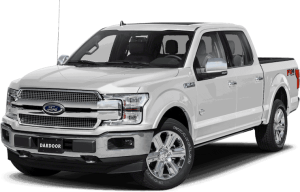
1997-2003 Ford F-150 OEM Workshop Service & Repair Manual with Wiring Diagrams (PDF)
Get the original OEM workshop service and auto repair manual for the 1997-2003 Ford F-150 in a simple and easy-to-use PDF format. This complete factory manual includes detailed wiring diagrams, step-by-step repair procedures, maintenance instructions, and diagnostic information trusted by professional Ford technicians.
| File Format |
PDF |
| File Language |
English |
| You’ll Get |
123.6 MB |
| Pages Count |
8,681 |
| Wiring Diagram |
Included |
| Delivery Method |
Instant Download |
Repair your Ford F-150 with confidence using factory-authorized service information.
Whether you are handling routine service, electrical troubleshooting, or major mechanical repairs, this manual gives you the same level of information used at the dealership so you can work with confidence and accuracy.
Key Features
- Original OEM Manual; Factory-authorized service and repair information for the 1997-2003 Ford F-150.
- Complete Wiring Diagrams; Includes detailed electrical schematics for accurate diagnostics and repairs.
- Step-by-Step Procedures; Clear repair instructions, service notes, and specifications for every major system.
- User-Friendly PDF; Easy to search, view, and print on desktop, tablet, or mobile device.
What’s Inside
- Engine service, repair, and overhaul procedures
- Transmission and drivetrain repair information
- Brake, steering, and suspension system service
- Complete electrical wiring diagrams and troubleshooting
- HVAC, body, interior, and safety system procedures
- Routine maintenance schedules, fluid capacities, and torque specifications
- Diagnostic trouble codes and troubleshooting guides
Why Choose This Manual?
- Perfect for both professional mechanics and DIY owners
- Helps save time and money on repairs and maintenance
- Provides factory-correct information for accurate results
- Instant PDF download with no waiting and no shipping
Download & Compatibility
Delivery: Instant digital PDF download
Compatibility: Windows • macOS • iOS • Android
This manual provides detailed instructions for maintenance, disassembly, reassembly, component inspection, adjustment, and diagnostics—intended for use by experienced mechanics. Proper application of this guide will help ensure thorough repairs and maintain your vehicle in peak condition.
Important Note: Before purchasing this manual, please check whether your vehicle is subject to any active service recalls, as authorized dealerships may perform necessary repairs free of charge. When replacing parts, always use genuine OEM components to ensure safety, reliability, and long-term performance.
Sample Pages : 1997-2003 Ford F-150 Repair Manual
CAUTION: This OEM service and workshop repair manual provides detailed procedures for maintenance, disassembly, reassembly, inspection, adjustment, and diagnostics. It is intended as a comprehensive guide for experienced mechanics. To ensure thorough and accurate repairs that maintain your vehicle’s optimal performance, please read and follow this manual carefully. When replacing parts during any repair work,
always use genuine Ford parts to ensure quality, safety, and reliability.
1997–2003 Ford F-150: Comprehensive Buyer’s Guide
Overview
The tenth-generation Ford F-150 (1997–2003) represents a significant evolution in Ford’s legendary pickup truck lineup. This generation introduced a more modern design, improved safety features, and a range of powertrains to suit different needs. It was available in Regular Cab, SuperCab (extended), and SuperCrew (crew cab) configurations.
Generation: Tenth Generation (1997–2003)
Body Styles: Regular Cab, SuperCab, SuperCrew (1999+)
Bed Lengths: 5.5′, 6.5′, 8′
Drivetrain: RWD or 4WD
Technical Specifications
Engine Options
| Engine |
Displacement |
Horsepower |
Torque |
Configuration |
| 4.2L V6 |
256 cu in |
205 hp @ 4,750 rpm |
255 lb-ft @ 3,000 rpm |
OHV V6 |
| 4.6L V8 |
281 cu in |
220 hp @ 4,500 rpm |
290 lb-ft @ 3,250 rpm |
SOHC V8 |
| 5.4L V8 |
330 cu in |
260 hp @ 4,500 rpm |
350 lb-ft @ 2,500 rpm |
SOHC V8 |
Transmission Options:
- 5-speed manual (M5OD-R1)
- 4-speed automatic (4R70W for V8s, 4R55E for V6)
Towing Capacity: 5,000–9,900 lbs (depending on configuration and engine)
Payload Capacity: 1,500–3,000 lbs
Fuel Economy: 13–17 mpg city / 16–21 mpg highway (varies by engine/drivetrain)
Dimensions (SuperCab example):
- Wheelbase: 138.5″ / 157.1″
- Length: 217.1″ / 235.5″
- Width: 79.1″
- Height: 72.6″–74.6″
Top 10 Mechanical & Electrical Issues
1. Spark Plug Ejection (5.4L V8)
Symptoms: Sudden loss of power, loud popping noise, rough idle, misfiring, Check Engine Light
Root Cause: Insufficient thread engagement in aluminum cylinder heads causes spark plugs to blow out of the head under combustion pressure. Ford used only 4 threads instead of the standard 8–10 threads.
Fix: Thread repair using HeliCoil or Time-Sert insert kits; in severe cases, cylinder head replacement may be necessary
Cost: $300–$800 per cylinder (DIY with kit), $800–$2,500 professional repair depending on damage
2. Intake Manifold Gasket Failure (4.6L & 5.4L V8)
Symptoms: Coolant leaks, white smoke from exhaust, overheating, rough idle, coolant in oil (milky appearance), loss of coolant without visible external leaks
Root Cause: Plastic intake manifolds crack or warp due to heat cycling; factory gaskets deteriorate over time
Fix: Replace intake manifold gaskets; upgrade to aluminum aftermarket manifold for long-term solution
Cost: $400–$900 (gaskets only), $800–$1,500 (with manifold replacement)
3. Cam Phaser Failure (5.4L 3-Valve)
Symptoms: Loud rattling/knocking noise on cold start that diminishes when warm, Check Engine Light, reduced performance, poor fuel economy
Root Cause: Variable valve timing cam phasers wear prematurely due to oil pressure issues and design flaws (mainly 2004+ but some late 2003 models affected)
Fix: Replace cam phasers, timing chains, tensioners, and guides; use high-quality synthetic oil
Cost: $2,000–$4,000 (professional labor-intensive repair)
4. Transmission Issues (4R100, 4R70W)
Symptoms: Harsh shifting, slipping between gears, delayed engagement, shuddering, transmission overheating, failure to shift into overdrive
Root Cause: Torque converter failure, worn clutch packs, solenoid failures, inadequate fluid cooling
Fix: Transmission rebuild or replacement; install auxiliary transmission cooler for prevention
Cost: $1,500–$3,500 (rebuild), $2,500–$4,500 (replacement with remanufactured unit)
5. Fuel Pump Failure
Symptoms: Hard starting (especially when hot), engine stalling, sputtering under acceleration, no start condition, whining noise from fuel tank
Root Cause: In-tank fuel pump wears out from heat and contamination; fuel pump driver module failure (located on frame rail)
Fix: Replace fuel pump assembly and/or fuel pump driver module
Cost: $400–$800 (pump), $150–$300 (driver module)
6. Ball Joint Failure
Symptoms: Clunking noises over bumps, wandering steering, uneven tire wear, vibration in steering wheel, vehicle pulls to one side
Root Cause: Upper and lower ball joints wear from heavy loads, poor road conditions, and lack of lubrication
Fix: Replace upper and lower ball joints on both sides simultaneously; alignment required
Cost: $600–$1,200 (parts and labor for both sides)
7. Rear Differential Leaks & Failure
Symptoms: Whining or howling noise from rear end (especially during acceleration), gear oil leaks, clunking when engaging drive
Root Cause: Pinion seal failure, worn bearings, inadequate lubrication causing gear wear
Fix: Replace pinion seal, bearings, or full differential rebuild if gears are damaged
Cost: $300–$600 (seal/bearings), $1,200–$2,000 (complete rebuild)
8. Heater Blend Door Actuator Failure
Symptoms: No heat or A/C, clicking noise from dashboard, temperature control not working, stuck on one temperature setting
Root Cause: Plastic blend door actuator gears strip or break; blend door itself can break (requires dashboard removal)
Fix: Replace blend door actuator (accessible) or full blend door assembly (major job)
Cost: $150–$300 (actuator only), $800–$1,500 (blend door replacement with dash removal)
9. Ignition Coil Failure
Symptoms: Engine misfiring, rough idle, hesitation during acceleration, reduced fuel economy, Check Engine Light with misfire codes
Root Cause: Coil-on-plug design prone to heat-related failure; moisture intrusion
Fix: Replace failed ignition coil(s); recommend replacing all coils as preventive measure
Cost: $50–$100 per coil (parts), $200–$600 for full set with labor
10. Exhaust Manifold Cracking & Stud Breakage
Symptoms: Loud ticking or tapping noise from engine (especially on startup), exhaust leaks, decreased performance, exhaust smell in cabin
Root Cause: Cast iron exhaust manifolds crack from thermal expansion/contraction cycles; studs corrode and break
Fix: Replace exhaust manifolds with upgraded aftermarket units; extract broken studs, install new studs
Cost: $600–$1,200 (includes manifolds, gaskets, studs, and labor)
Top 5 Competitors
- Engines: 4.3L V6, 4.8L V8, 5.3L V8, 6.0L V8
- Key Advantage: More powerful V8 options, smoother ride
- Weakness: Less refined interior than F-150
- Engines: 3.9L V6, 5.2L V8, 5.9L V8
- Key Advantage: Bold styling, available HEMI V8 (2003+), coil-spring suspension
- Weakness: Lower reliability ratings, rust issues
- Engines: 3.4L V6, 4.7L V8
- Key Advantage: Exceptional reliability, strong resale value
- Weakness: Less towing capacity, smaller interior, limited configurations
- Engines: 5.6L V8
- Key Advantage: Powerful standard V8, competitive pricing
- Weakness: Lower brand recognition in truck segment, limited dealer network
- Engines: 6.0L V8, 8.1L V10, 6.6L Duramax diesel
- Key Advantage: Superior towing and payload for heavy-duty work
- Weakness: Higher cost, rougher ride, worse fuel economy
Top 10 Recalls, Advisories & TSB Highlights
Major Recalls
1. Speed Control Deactivation Switch Fire Risk (99V-302)
- Issue: Speed control deactivation switch can overheat and cause under-hood fire
- Action: Replace speed control deactivation switch
2. Throttle Body Icing (03V-075)
- Issue: Moisture in throttle body can freeze, causing unintended acceleration
- Action: Reprogram PCM software
3. Cruise Control Cable Fire Risk (05V-583)
- Issue: Cruise control cable can stick, causing fire
- Action: Replace cruise control cable assembly
4. Front Suspension Ball Joint Separation (04V-014)
- Issue: Lower ball joint can separate causing loss of steering control
- Action: Inspect and replace ball joints as needed
5. ABS Brake Line Corrosion (14V-545)
- Issue: Rear ABS brake lines can corrode and leak in salt-belt states
- Action: Replace rear brake lines
Important TSBs (Technical Service Bulletins)
6. TSB 03-16-7: Transmission Shudder
- Issue: Shudder during light acceleration
- Fix: Update transmission control software, use Mercon V fluid
7. TSB 02-23-7: Spark Plug Blowout Prevention
- Issue: Spark plug ejection from cylinder head
- Fix: Install thread insert kit as preventive measure
8. TSB 01-26-4: Fuel Gauge Inaccuracy
- Issue: Fuel gauge reads incorrectly or erratically
- Fix: Replace fuel level sender assembly
9. TSB 99-24-10: Rear Axle Noise
- Issue: Whining or humming from rear differential
- Fix: Replace rear axle assembly or rebuild differential
10. TSB 04-1-9: Door Ajar Light Stays On
- Issue: Door ajar warning light illuminates with doors closed
- Fix: Replace door latch assembly and lubricate latch mechanism
Maintenance Schedule
Every 5,000 Miles / 6 Months
- Engine oil and filter change (use 5W-20 or 5W-30 synthetic blend)
- Tire rotation and pressure check
- Visual inspection of brakes, suspension, exhaust
Every 15,000 Miles / 12 Months
- Replace engine air filter
- Inspect differential fluid
- Check battery and charging system
- Inspect drive belts and hoses
Every 30,000 Miles / 24 Months
- Replace fuel filter
- Replace cabin air filter (if equipped)
- Inspect/replace spark plugs (depending on use)
- Flush and replace brake fluid
- Lubricate chassis and ball joints (if equipped with grease fittings)
Every 50,000 Miles
- Replace spark plugs (normal driving)
- Inspect/replace ignition coils as needed
- Inspect transmission cooler lines
Every 60,000 Miles / 48 Months
- Replace transmission fluid and filter (especially if towing)
- Replace coolant (50/50 mix of ethylene glycol)
- Differential fluid change (especially 4WD front and rear)
- Inspect exhaust manifolds for cracks
Every 100,000 Miles
- Replace timing chain components (if showing wear)
- Inspect fuel injectors and fuel system
- Replace PCV valve
- Inspect water pump and thermostat
As Needed
- Inspect and replace wiper blades
- Check and top off all fluids monthly
- Inspect tires for wear and damage
- Replace batteries every 3–5 years
Top 10 FAQs for Buyers
Q1: Which engine is most reliable in the 1997–2003 F-150?
The 4.6L V8 is generally considered the most reliable option. The 4.2L V6 is adequate but underpowered for heavier loads. The 5.4L V8 offers more power but has spark plug ejection issues and higher maintenance costs.
Q2: How many miles can I expect from this generation F-150?
With proper maintenance, 200,000–300,000 miles is achievable. The 4.6L V8 regularly exceeds 250,000 miles with care. Rust and transmission issues are more common failure points than engine problems.
Q3: Is the 5.4L spark plug issue fixable long-term?
Yes. Installing Time-Sert or HeliCoil inserts provides a permanent fix. Many owners proactively install these inserts during routine maintenance to prevent future blowouts.
Q4: Should I buy 2WD or 4WD?
4WD adds versatility for winter driving, off-roading, and resale value, but costs more upfront and in maintenance. 2WD offers better fuel economy and lower maintenance costs if you don’t need off-road capability.
Q5: What’s the best year in this generation?
2001–2003 models are generally preferred due to refinements, better interior quality, and working through early production issues. The 2004+ models introduced the problematic 3-valve 5.4L engine.
Q6: Are parts expensive and readily available?
Parts are abundant and affordable due to high production numbers. Aftermarket support is excellent, and salvage yards have plentiful inventory.
Q7: What should I inspect before buying a used 1997–2003 F-150?
Check for: frame rust (especially in salt-belt states), spark plug condition (5.4L), transmission shifting quality, ball joint play, exhaust manifold cracks, intake manifold leaks, differential noise, fuel pump operation, and complete maintenance records.
Q8: Is the SuperCrew worth it over the SuperCab?
The SuperCrew (available 1999+) offers genuine four-door convenience and more rear legroom, making it ideal for families. However, it reduces bed length to 5.5′ maximum. SuperCab works better if you need a longer bed and don’t frequently carry rear passengers.
Q9: How does towing compare to competitors?
The F-150 with 5.4L V8 and towing package can handle 8,000–9,900 lbs, competitive with the Silverado 5.3L and Ram 5.9L. For regular heavy towing, consider upgrading to an F-250/F-350 or competitor HD trucks.
Q10: What’s a fair price range for a well-maintained example?
Prices vary by region, mileage, and condition:
- Under 100k miles, excellent condition: $8,000–$15,000
- 100k–150k miles, good condition: $5,000–$10,000
- 150k–200k+ miles, fair condition: $3,000–$7,000
- Work truck / high mileage: $2,000–$5,000
Premium for 4WD, SuperCrew, low mileage, and southern/rust-free examples.
Final Buyer Recommendations
✅ Buy If:
- You need a reliable, proven workhorse with abundant parts availability
- You’re comfortable with basic DIY maintenance or have a trusted mechanic
- You want strong towing capability (7,000+ lbs) without stepping up to HD class
- You prefer the 4.6L V8 or can address the 5.4L spark plug issue proactively
- You find a well-maintained, rust-free example with service records
- You value American truck heritage and aftermarket customization options
⚠️ Be Cautious If:
- You’re considering a 5.4L V8 without spark plug thread repair documentation
- The truck shows signs of rust, especially frame/suspension components
- Transmission shifts roughly or maintenance records are incomplete
- You’re in a harsh climate (salt exposure) without rust protection
- Ball joints haven’t been replaced and the truck has high mileage
- You need cutting-edge technology, fuel economy, or modern safety features
❌ Avoid If:
- You can’t budget $1,000–$2,000 annually for maintenance/repairs
- You prioritize fuel economy (modern trucks are 30–40% more efficient)
- You need advanced safety features (limited airbags, no stability control on most)
- The vehicle has accident history, flood damage, or salvage title
- You’re not mechanically inclined and can’t find affordable service
- You require a daily driver with minimal downtime risk
Best Configurations:
- Work Truck: 4.6L V8, Regular Cab, RWD, Long Bed
- All-Around: 4.6L V8, SuperCab, 4WD, 6.5′ Bed
- Family Hauler: 5.4L V8, SuperCrew, 4WD (with preventive spark plug repair)
- Budget Buy: 4.2L V6, Regular Cab, RWD (for light-duty use)
Our Final Verdict
The 1997–2003 Ford F-150 remains an excellent value proposition for buyers seeking a capable, affordable full-size truck. Its mechanical simplicity, parts availability, and proven durability make it ideal for work, recreation, and daily driving. The 4.6L V8 offers the best balance of reliability and performance, while the 5.4L V8 delivers more power at the cost of known issues that can be addressed.
Rust is the primary enemy—prioritize rust-free examples from southern states or those with documented undercoating. Budget for preventive maintenance including ball joints, transmission service, and spark plug thread repairs (5.4L). With proper care, these trucks easily surpass 200,000 miles.
For buyers seeking modern refinement, technology, and fuel economy, newer generations are worth the premium. But for those who value affordability, repairability, and proven capability, the tenth-generation F-150 remains a compelling choice in the used truck market.
Overall Rating: 8/10 — A solid, dependable workhorse with manageable quirks and exceptional value.