

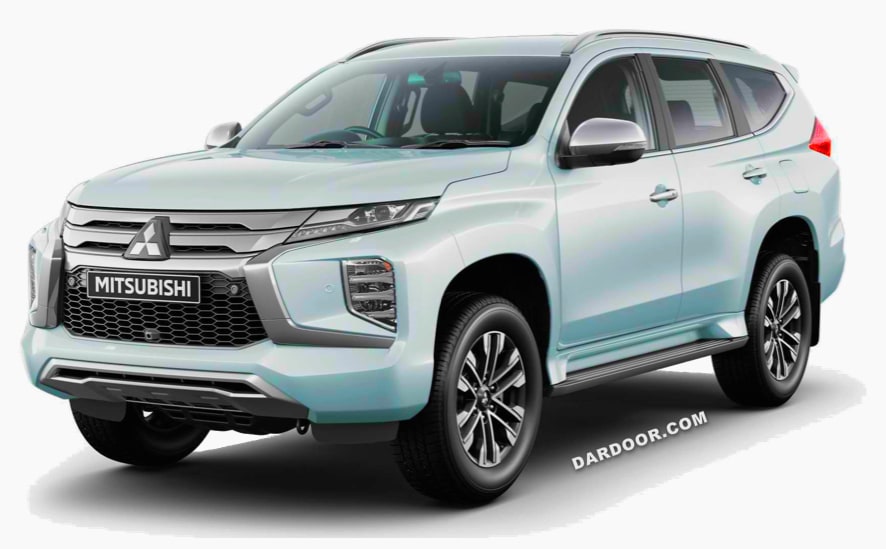
Get the original OEM workshop document for the 2019-2022 Mitsubishi Pajero Sport repair manual with the wiring diagram in PDF.
2019-2022 Mitsubishi Pajero Sport Repair Manual
$16.90
2019–2022 Mitsubishi Pajero Sport OEM Repair Manual – PDF Download with Wiring Diagram
This is the original OEM workshop service and repair manual for the 2019–2022 Mitsubishi Pajero Sport, available in a user-friendly PDF format. It includes the factory wiring diagram and contains the same dealer-level information used by authorized Mitsubishi technicians worldwide.
| File Format | |
| File Language | English |
| You’ll Get | 50.3 MB |
| Page Count | 1,826 |
| Wiring Diagram | Included |
| Delivery Method | Instant Download |
📥 Download the official OEM workshop manual today and ensure your vehicle gets the expert care it deserves!
🔧 Key Features:
- ✅ OEM Workshop – Engine, transmission, brakes, suspension, HVAC, drivetrain, and more
- ✅ Electrical Wiring Diagrams Included – Comprehensive schematics for accurate diagnostics and repairs
- ✅ Step-by-Step Procedures – Maintenance, troubleshooting, and component replacement guides
- ✅ Fully Indexed & Searchable – Quickly find what you need in the PDF
- ✅ Trusted Dealer-Level Information – Same manuals used at Mitsubishi service centers
⚙️ Vehicle Compatibility:
- Make: Mitsubishi
- Model: Pajero Sport (also known as Montero Sport or Shogun Sport in some markets)
💡 Why Choose This Manual?
- ✔ Original Mitsubishi OEM content
- ✔ Ideal for professional mechanics and DIY owners
- ✔ One-time purchase — no subscription required
- ✔ Use on any device — desktop, tablet, or phone
Delivery Method: Instant Digital PDF Download
Compatibility: Windows, macOS, iOS, Android
This manual includes the procedures for maintenance, disassembling, reassembling, inspection, and adjustment of components and diagnostics for the guidance of experienced mechanics. Please use this manual thoroughly to ensure complete repair work to keep your vehicle in optimum condition. Please make sure to use genuine OEM spare parts.
Table of Contents: 2019-2022 Mitsubishi Pajero Sport Repair Manual
Sample Pages
CAUTION: This OEM service and workshop repair manual provides detailed procedures for maintenance, disassembly, reassembly, inspection, adjustment, and diagnostics. It is intended as a comprehensive guide for experienced mechanics. To ensure thorough and accurate repairs that maintain your vehicle’s optimal performance, please read and follow this manual carefully. When replacing parts during any repair work, always use genuine Mitsubishi parts to ensure quality, safety, and reliability.
2019–2022 Mitsubishi Pajero Sport: Comprehensive Buyer’s Guide
Overview
The Mitsubishi Pajero Sport (also sold as the Montero Sport in some markets) is a mid-size, body-on-frame SUV built on a ladder chassis shared with the Mitsubishi Triton/L200 pickup truck. Positioned as a rugged, off-road-capable family SUV, it competes in the seven-seater SUV segment with a focus on durability and capability rather than luxury refinement.
Market Position: Popular in Asia-Pacific, Middle East, and some South American markets; not officially sold in North America or Europe during this generation.
Technical Specifications
Engine Options
2.4L MIVEC Turbocharged Diesel (4N15)
- Displacement: 2,442 cc
- Configuration: Inline-4, DOHC, 16-valve
- Power: 181 hp @ 3,500 rpm
- Torque: 430 Nm (317 lb-ft) @ 2,500 rpm
- Fuel System: Common-rail direct injection
- Turbocharger: Variable geometry turbo (VGT)
3.0L MIVEC V6 Petrol (6B31) (select markets)
- Displacement: 2,998 cc
- Configuration: V6, DOHC, 24-valve
- Power: 220 hp @ 6,250 rpm
- Torque: 290 Nm (214 lb-ft) @ 4,000 rpm
Transmission & Drivetrain
- Transmission: 8-speed automatic (diesel), 6-speed automatic (petrol)
- Drivetrain: Part-time 4WD with Super Select 4WD II system
- 4WD Modes: 2H (RWD), 4H (4WD high range), 4HLc (4WD high with center diff lock), 4LLc (4WD low range with center diff lock)
- Differential: Rear limited-slip differential (LSD) on select trims
Dimensions & Capacities
- Length: 4,785–4,825 mm (188.4–189.9 in)
- Width: 1,815 mm (71.5 in)
- Height: 1,835 mm (72.2 in)
- Wheelbase: 2,800 mm (110.2 in)
- Ground Clearance: 218 mm (8.6 in)
- Seating: 7 passengers (3 rows)
- Cargo Capacity: 131 L (3rd row up), 1,488 L (3rd row folded)
- Fuel Tank: 68 L (18 gal)
- Towing Capacity: 3,100 kg (6,834 lbs) braked
Suspension & Brakes
- Front Suspension: Independent double wishbone with coil springs
- Rear Suspension: Multi-link with coil springs
- Front Brakes: Ventilated discs
- Rear Brakes: Ventilated discs
- Wheels: 18-inch alloy (standard on higher trims)
Performance
- 0–100 km/h: ~10.5 seconds (diesel), ~9.8 seconds (petrol)
- Top Speed: ~180 km/h (112 mph)
- Fuel Economy: 8.0–9.5 L/100 km combined (diesel)
- Approach Angle: 30°
- Departure Angle: 24°
- Wading Depth: 700 mm (27.6 in)
Top 10 Mechanical & Electrical Issues
1. DPF (Diesel Particulate Filter) Clogging
-
- Symptoms: Loss of power, increased fuel consumption, engine warning light, limp mode, rough idle
- Root Cause: Short urban trips prevent DPF regeneration; carbon buildup blocks the filter. Common in diesel models driven primarily in city conditions.
- Fix: Forced regeneration using diagnostic tool ($150–$300); DPF cleaning ($400–$800); DPF replacement if severely blocked ($1,500–$2,500)
- Prevention: Regular highway driving to allow passive regeneration
2. EGR Valve Carbon Buildup
-
- Symptoms: Rough idling, hesitation on acceleration, black smoke from exhaust, check engine light, reduced fuel economy
- Root Cause: Exhaust gas recirculation valve gets clogged with carbon deposits over time, particularly in diesel engines with short-trip driving patterns.
- Fix: EGR valve cleaning ($200–$400); EGR valve replacement ($500–$900 including labor)
- Prevention: Use quality diesel fuel, perform regular highway drives
3. Turbocharger Failure (Diesel)
-
- Symptoms: Loss of power, excessive blue/grey smoke, loud whining or whistling noise, oil leaks around turbo, high oil consumption
- Root Cause: Poor maintenance (infrequent oil changes), carbon buildup in VGT mechanism, oil contamination, or bearing wear
- Fix: Turbocharger cleaning and servicing ($400–$800); turbocharger replacement ($1,800–$3,500 parts and labor)
- Prevention: Regular oil changes with correct spec oil, allow engine to idle before shutdown
4. Fuel Injector Problems (Diesel)
-
- Symptoms: Hard starting, rough idle, misfiring, excessive smoke, poor fuel economy, knocking sounds from engine
- Root Cause: Poor quality diesel fuel, water contamination, carbon deposits on injector nozzles, or internal injector wear
- Fix: Injector cleaning service ($300–$600); individual injector replacement ($400–$700 each); full set replacement ($2,000–$4,000)
- Prevention: Use premium diesel fuel, replace fuel filter regularly
5. Transfer Case & 4WD System Issues
-
- Symptoms: Grinding noise when shifting between 4WD modes, inability to engage/disengage 4WD, warning lights on dashboard, vibration in 4WD mode
- Root Cause: Worn transfer case bearings, faulty actuator motor, low/contaminated transfer case fluid, or damaged shift fork
- Fix: Transfer case fluid change ($150–$250); actuator motor replacement ($400–$800); transfer case rebuild ($1,500–$2,500); full replacement ($3,000–$5,000)
- Prevention: Regular transfer case fluid changes, avoid shifting while moving
6. Alternator Failure
-
- Symptoms: Battery warning light, dimming headlights, electrical accessories malfunctioning, battery repeatedly dying, whining noise from alternator
- Root Cause: Worn bearings, failed voltage regulator, damaged diodes, or water/dust ingress (common in dusty environments)
- Fix: Alternator replacement ($400–$800 parts and labor); rebuild service ($250–$500)
- Prevention: Keep engine bay clean, inspect belt tension regularly
7. Transmission Shuddering/Jerking (8-Speed Auto)
-
- Symptoms: Harsh shifting, shuddering during acceleration, delayed engagement, slipping between gears, hesitation at low speeds
- Root Cause: Torque converter issues, contaminated/degraded transmission fluid, software calibration problems, or clutch pack wear
- Fix: Transmission fluid flush and replacement ($300–$500); software update (often free under warranty); torque converter replacement ($1,200–$2,000); transmission rebuild ($3,000–$5,500)
- Prevention: Regular transmission fluid changes every 60,000 km
8. Rear Differential Noise/Leaks
-
- Symptoms: Whining or howling noise from rear axle (especially during turns), vibration, fluid leaks, clunking when accelerating
- Root Cause: Worn differential bearings, damaged pinion seal, insufficient lubrication, or LSD clutch pack wear
- Fix: Differential fluid change ($120–$200); pinion seal replacement ($300–$600); differential bearing replacement ($800–$1,500); differential rebuild ($1,500–$2,800)
- Prevention: Regular differential oil changes every 40,000 km
9. Air Conditioning Compressor Failure
-
- Symptoms: No cold air, intermittent cooling, loud clicking or grinding noise from compressor, refrigerant leaks, AC clutch not engaging
- Root Cause: Clutch bearing failure, internal seal deterioration, contaminated refrigerant system, or electrical issues with clutch coil
- Fix: AC recharge and leak repair ($150–$300); compressor clutch replacement ($300–$600); full compressor replacement ($800–$1,500 parts and labor)
- Prevention: Run AC regularly year-round, annual AC system check
10. Electronic Parking Brake (EPB) Malfunction
-
- Symptoms: EPB warning light, parking brake won’t engage/release, grinding noise when applying parking brake, brake dragging
- Root Cause: Faulty EPB actuator motor, corroded cables, software glitches, or worn brake pads triggering sensor errors
- Fix: Software reset/update ($100–$200); EPB actuator replacement ($400–$800); cable replacement ($200–$400); brake pad and sensor replacement ($300–$600)
- Prevention: Use parking brake regularly, keep brake components clean and lubricated
Top 5 Competitors
1. Toyota Fortuner (2016–2023)
- Engine: 2.8L turbo diesel / 2.7L petrol
- Power: 201 hp (diesel), 164 hp (petrol)
- Advantages: Superior reliability, better resale value, proven durability, extensive dealer network
- Disadvantages: Less powerful diesel, older interior design, fewer features at comparable price
- Price Range: $35,000–$55,000 USD (varies by market)
2. Ford Everest (2015–2022)
- Engine: 2.0L twin-turbo diesel / 3.2L turbo diesel
- Power: 213 hp (2.0L), 197 hp (3.2L)
- Advantages: More refined on-road, better tech features, superior towing capacity (3,500 kg)
- Disadvantages: Higher maintenance costs, less reliable than Japanese competitors
- Price Range: $38,000–$58,000 USD
3. Isuzu MU-X (2017–2021)
- Engine: 3.0L turbo diesel
- Power: 190 hp
- Advantages: Proven Isuzu diesel reliability, competitive pricing, good fuel economy
- Disadvantages: Basic interior, less refined ride, fewer safety features
- Price Range: $32,000–$48,000 USD
4. Chevrolet Trailblazer (2016–2022)
- Engine: 2.8L turbo diesel / 2.5L petrol
- Power: 200 hp (diesel), 181 hp (petrol)
- Advantages: Comfortable highway cruiser, good value, spacious interior
- Disadvantages: Lower resale value, limited dealer network in some markets, average off-road capability
- Price Range: $30,000–$50,000 USD
5. Nissan Terra (2018–present)
- Engine: 2.5L turbo diesel
- Power: 190 hp
- Advantages: Modern interior, smooth on-road manners, competitive features
- Disadvantages: Unproven long-term reliability, smaller cargo space, less off-road credibility
- Price Range: $33,000–$52,000 USD
Top 10 Recalls, Advisories & TSB Highlights
Note: The Pajero Sport has relatively few major recalls in most markets. Available recalls vary by region (primarily Asia-Pacific, Middle East, and select South American markets).
1. Fuel Pump Relay Recall (2019–2020 Models)
- Issue: Defective fuel pump relay could cause engine stalling
- Action: Relay inspection and replacement
- Markets Affected: Thailand, Philippines, Indonesia
2. Brake Master Cylinder Inspection (2019 Models)
- Issue: Potential brake fluid leak from master cylinder
- Action: Inspection and replacement if necessary
- Markets Affected: Australia, New Zealand
3. Software Update for Engine Control Module (2019–2020)
- Issue: ECM software could cause rough idling or stalling
- Action: ECM reprogramming
- Markets Affected: Multiple markets
4. DPF System Service Campaign (2019–2021 Diesel)
- Issue: Premature DPF clogging in certain driving conditions
- Action: Software update to improve regeneration cycles
- Markets Affected: Thailand, Philippines
5. Airbag Inflator Inspection (Takata-related, 2019)
- Issue: Potential for airbag inflator rupture (industry-wide Takata issue)
- Action: Inflator inspection and replacement
- Markets Affected: Various global markets
6. TSB: Transmission Judder at Low Speeds
- Issue: 8-speed transmission shuddering during low-speed acceleration
- Fix: Transmission software update, fluid replacement
- Affected: 2019–2020 models
7. TSB: Diesel Engine Noise at Idle
- Issue: Excessive diesel clatter at cold start
- Fix: Injector timing adjustment, software update
- Affected: 2019–2021 diesel models
8. TSB: Infotainment System Freezing
- Issue: Touchscreen becomes unresponsive or freezes
- Fix: Software update for head unit
- Affected: 2019–2021 models with navigation
9. TSB: Rear Differential Noise
- Issue: Whining noise from rear differential under load
- Fix: Differential oil change with updated specification fluid
- Affected: 2019–2020 AWD models
10. Service Campaign: AC Condenser Inspection
- Issue: Potential premature AC condenser corrosion in high-humidity environments
- Action: Inspection and replacement under warranty if affected
- Markets Affected: Tropical/coastal regions
Maintenance Schedule
Every 10,000 km (6,000 miles) or 6 Months
- Engine oil and filter change (diesel: 5W-30 synthetic; petrol: 5W-30 or 10W-30)
- Multi-point inspection (brakes, tires, fluids, lights)
- Tire rotation
Every 20,000 km (12,000 miles) or 12 Months
- Air filter inspection (replace if dirty)
- Cabin air filter replacement
- Brake fluid inspection
- Battery check
Every 40,000 km (24,000 miles) or 24 Months
- Replace air filter
- Inspect brake pads and rotors
- Differential oil change (front and rear)
- Transfer case fluid change
- Inspect drive belts
- Coolant level check
Every 60,000 km (36,000 miles) or 36 Months
- Transmission fluid and filter change (8-speed auto)
- Replace fuel filter (diesel)
- Spark plugs replacement (petrol engines)
- Brake fluid replacement
- Coolant system inspection
Every 80,000 km (48,000 miles) or 48 Months
- Replace drive belts
- Inspect suspension components
- Check steering system
- Exhaust system inspection
Every 100,000 km (60,000 miles) or 60 Months
- Replace engine coolant
- Timing belt inspection (if applicable – some engines use timing chain)
- Valve clearance check (diesel)
- Replace transmission fluid (if not done at 60k)
- Comprehensive brake system service
Additional Maintenance Notes
- DPF Regeneration (Diesel): Monitor for DPF warning light; perform forced regeneration if needed
- 4WD System: Engage 4WD monthly even if not needed to keep system lubricated
- Severe Conditions: Reduce intervals by 30–50% for dusty environments, frequent towing, or predominantly short trips
10 FAQs for Buyers
1. Is the Pajero Sport reliable for long-term ownership?
Yes, the Pajero Sport has a solid reliability record, especially with proper maintenance. The diesel engine (4N15) is proven and durable, though it requires attention to DPF and EGR maintenance. Expect 300,000+ km with good care.
2. Diesel vs. Petrol: Which should I choose?
Diesel is better for highway driving, towing, and fuel economy (20–30% better than petrol). Choose petrol if you do mostly short city trips (avoids DPF issues) or prefer lower maintenance complexity. Diesel also has better torque for off-road.
3. How does the Pajero Sport compare to the Toyota Fortuner?
The Pajero Sport offers more power, better features, and slightly better off-road capability. The Fortuner has superior reliability reputation, better resale value, and lower maintenance costs. Choose Pajero Sport for features/performance, Fortuner for peace of mind.
4. What are the common problems I should watch for?
DPF clogging (diesel), EGR valve carbon buildup, turbocharger issues (if oil changes neglected), transmission shuddering, and transfer case problems. Most are preventable with proper maintenance and driving habits.
5. Is the 8-speed automatic transmission reliable?
Generally yes, but some owners report shuddering at low speeds. Regular fluid changes (every 60,000 km) and software updates help. The transmission is sourced from Aisin, a reputable supplier.
6. How capable is it off-road compared to competitors?
Very capable. The Super Select 4WD II system with center diff lock and rear LSD provides excellent traction. Ground clearance (218 mm), approach/departure angles, and ladder frame make it competitive with Fortuner and better than softer alternatives like the Everest.
7. What’s the real-world fuel consumption?
Diesel: 9–11 L/100 km combined (city/highway), 7–8 L/100 km highway-only Petrol: 12–14 L/100 km combined, 10–11 L/100 km highway-only Fuel consumption increases significantly with frequent 4WD use or towing.
8. Are parts and service expensive?
Parts are moderately priced, generally cheaper than European competitors but slightly more expensive than Toyota. Service costs are reasonable. Availability varies by market—excellent in Asia-Pacific, limited in markets without official Mitsubishi presence.
9. Can it tow 3,100 kg comfortably?
Yes, the diesel model handles 3,100 kg (braked) well thanks to strong torque. Ensure you have the proper tow package, use transmission tow mode, and maintain cooling systems. Real-world owners report stable towing with proper weight distribution.
10. Should I buy a used 2019–2022 model or wait for the newer generation?
2019–2022 models are mature and well-sorted. Buy used if you find a well-maintained example with full service history, especially 2020+ with software updates applied. The updated generation (2024+) offers better tech but commands premium pricing.
Final Buyer Recommendations
✅ Buy the Pajero Sport If:
- You need a proven, body-on-frame SUV for mixed on-road/off-road use
- You frequently tow heavy loads (trailers, boats, caravans)
- You want better value and features than a Fortuner at similar price
- You drive mostly highway/rural (diesel) or appreciate modern safety tech
- You’re in a market with strong Mitsubishi dealer support
- You need genuine 7-seater capacity with usable third row
❌ Avoid or Consider Alternatives If:
- You drive primarily short urban trips (DPF issues on diesel)—choose petrol or a unibody SUV
- You prioritize maximum resale value—Toyota Fortuner wins here
- You want the absolute lowest maintenance costs—Fortuner or MU-X
- You need cutting-edge technology and luxury—look at Everest or premium brands
- You’re in a market with limited Mitsubishi service network
🔍 What to Check When Buying Used:
Essential Checks:
- Full service history with evidence of regular oil changes every 10,000 km
- DPF and EGR condition (diesel)—look for warning lights, regeneration history
- 4WD system function—test all modes (2H, 4H, 4HLc, 4LLc)
- Transmission behavior—test for shuddering, harsh shifts, delayed engagement
- Turbocharger condition (diesel)—check for excessive smoke, unusual noises
- Differential fluid condition—look for leaks, listen for whining
- Undercarriage inspection—rust, damage, fluid leaks
- Software updates—verify TSB updates applied (transmission, ECM)
Preferred Specifications:
- 2020 or later (has most software updates and improvements)
- Diesel with AWD for best resale and capability
- GLS or Exceed trim (best features and safety)
- Low-mileage highway-driven examples for diesel health
💰 Expected Ownership Costs (Annual, After Warranty)
- Maintenance: $800–$1,200/year (regular servicing)
- Repairs: $300–$800/year (average, increases with age)
- Insurance: $1,200–$1,800/year (varies by market and coverage)
- Fuel: $2,500–$4,000/year (diesel, 20,000 km/year at $1.50/L)
- Total: ~$5,000–$8,000/year
🏆 Best Model Year: 2021–2022
These models have the most refined software, address early TSB issues, and still offer good value compared to newer generations.
What is the final verdict?
The 2019–2022 Mitsubishi Pajero Sport is a capable, well-rounded mid-size SUV that excels at towing and off-road work while remaining comfortable for daily family use. It represents good value in the segment, though it requires diligent maintenance—especially diesel models—to avoid costly repairs. With proper care and the right use case, it’s a solid choice that will serve reliably for many years.
📚 References
- 📄 Mitsubishi Factory Service Bulletins
- 📊 NHTSA.gov – Global Recall Information
- 📘 Dardoor.com Pajero Sport Manuals
| Brands | |
|---|---|
| File Format | |
| File Language | English |
| File Size | 50.3 MB |
| Page Count | 1,826 |
| Wiring Diagram Included | YES |
| Searchable & Printable | YES |
| Instant Download | YES |
Related products
-

2018-2021 Mitsubishi Eclipse Cross Repair Manual
$24.90 Add to cart -

2013-2018 Mitsubishi Outlander Repair Manual
$24.90 Add to cart -
2003-2006 Mitsubishi Outlander Repair Manual
$16.90 Add to cart -

2018-2021 Mitsubishi Outlander Repair Manual
$24.90 Add to cart -

2015-2018 Mitsubishi Mirage Repair Manual
$24.90 Add to cart -

2007-2010 Mitsubishi Endeavor Repair Manual
$16.90 Add to cart -
2009-2012 Mitsubishi Galant Repair Manual
$24.90 Add to cart -

2007-2011 Mitsubishi Outlander Repair Manual
$16.90 Add to cart