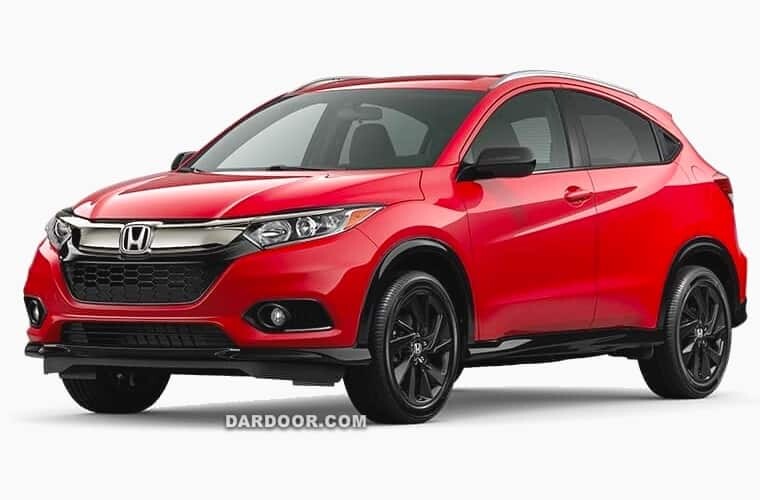
Get the original OEM Wiring Diagram Manual for the 2018-2022 Honda HR-V, available in a convenient PDF format.
The 2018–2022 Honda HR-V is a subcompact crossover positioned below the CR-V, built on a light, efficient platform with front-wheel drive standard and optional all-wheel drive. Power comes from a naturally aspirated 1.8L inline-four paired to a CVT (or a 6-speed manual in limited trims/years). Owners value practicality, visibility, and efficiency; complaints center on CVT behavior, modest power, and aging infotainment electronics.
Key Features
Engine & Performance
- 1.8L 4-cylinder engine producing 141 horsepower
- Available with either a CVT (Continuously Variable Transmission) or 6-speed manual transmission (LX trim only)
- Front-wheel drive (FWD) standard; all-wheel drive (AWD) available
- Fuel economy around 28-34 mpg depending on drivetrain
Interior & Practicality
- Seating for 5 passengers
- Honda’s “Magic Seat” system allows the rear seats to fold in multiple configurations for versatile cargo space
- Up to 58.8 cubic feet of cargo space with rear seats folded
- 5-inch or 7-inch touchscreen infotainment (depending on trim)
- Apple CarPlay and Android Auto standard on most trims
Trim Levels
- LX (base)
- Sport
- EX
- EX-L
- Touring (added for 2019)
Safety
- Honda Sensing suite became standard across all trims starting in 2019, including:
- Collision Mitigation Braking System
- Road Departure Mitigation
- Adaptive Cruise Control
- Lane Keeping Assist
Top 10 Common Mechanical Issues (Symptoms, Root Cause, Fix, Cost)
- CVT shudder or hesitation
Symptoms: Shuddering on light acceleration, delayed takeoff, droning at steady speeds.
Root Cause: Degraded CVT fluid, software calibration, internal belt/pulley wear over time.
Fix: CVT fluid service with correct Honda fluid; software update/relearn; further diagnosis if persists.
Cost to Fix: $150–$300 (fluid service) / $1,500–$3,500 (advanced repair or replacement). - Premature brake wear
Symptoms: Squealing, vibration, reduced braking feel.
Root Cause: Pad compound choice and stop-and-go driving accelerate wear on a light vehicle.
Fix: Replace pads/rotors as a set; verify caliper slide lubrication.
Cost to Fix: $250–$600 per axle. - Rear differential noise (AWD models)
Symptoms: Groaning or humming from rear during turns.
Root Cause: Old or incorrect rear diff fluid; missed service intervals.
Fix: Drain/refill with Honda-specified dual-pump fluid; road test.
Cost to Fix: $120–$250. - Engine mount wear
Symptoms: Excess vibration at idle or during gear engagement.
Root Cause: Rubber mount deterioration over mileage and heat cycles.
Fix: Replace affected mount(s); inspect remaining mounts.
Cost to Fix: $300–$900. - Wheel bearing noise
Symptoms: Growling that increases with speed and changes while turning.
Root Cause: Bearing wear, often from mileage or road conditions.
Fix: Replace hub/bearing assembly; alignment check recommended.
Cost to Fix: $350–$700 per wheel. - Suspension bushing wear
Symptoms: Clunks over bumps, vague steering feel.
Root Cause: Rubber bushing fatigue in control arms/sway bars.
Fix: Replace worn bushings or arms; torque to spec at ride height.
Cost to Fix: $250–$800. - Cooling system seepage
Symptoms: Coolant smell, low reservoir level, overheating warnings (rare).
Root Cause: Aging hoses or radiator seams over time.
Fix: Pressure test; replace leaking component; refill and bleed system.
Cost to Fix: $150–$700. - Alignment drift / uneven tire wear
Symptoms: Pulling, rapid inner/outer tire wear.
Root Cause: Alignment changes from potholes or worn suspension parts.
Fix: Four-wheel alignment; replace worn components if needed.
Cost to Fix: $120–$250 (alignment only). - Exhaust heat shield rattle
Symptoms: Metallic rattle at idle or low speeds.
Root Cause: Loose or corroded heat shield fasteners.
Fix: Secure or replace shield/hardware.
Cost to Fix: $50–$200. - Manual transmission clutch wear (manual models)
Symptoms: Slipping, high engagement point, burning smell.
Root Cause: Normal wear accelerated by city driving.
Fix: Replace clutch kit; inspect flywheel.
Cost to Fix: $800–$1,600.
Top 10 Common Electrical Issues (Symptoms, Root Cause, Fix, Cost)
- Infotainment freezing or rebooting
Symptoms: Screen locks up, slow response, random resets.
Root Cause: Software bugs or aging head unit memory.
Fix: Software update/reflash; head unit replacement if unresolved.
Cost to Fix: $0–$150 (update) / $800–$1,500 (replacement). - Backup camera intermittent
Symptoms: Blank or flickering image when in reverse.
Root Cause: Camera module wear or tailgate harness fatigue.
Fix: Inspect wiring; replace camera module if faulty.
Cost to Fix: $200–$600. - TPMS warning light
Symptoms: Tire pressure light stays on despite proper inflation.
Root Cause: Sensor battery depletion over time.
Fix: Replace affected TPMS sensors and reprogram.
Cost to Fix: $150–$400 (set varies). - Keyless entry range issues
Symptoms: Poor remote response, intermittent locking/unlocking.
Root Cause: Weak fob battery or antenna issues.
Fix: Replace fob battery; diagnose antenna/module if persists.
Cost to Fix: $10–$300. - Battery drain / no-start
Symptoms: Dead battery after short parking periods.
Root Cause: Parasitic draw or aging battery.
Fix: Battery replacement; parasitic draw test if recurring.
Cost to Fix: $150–$400. - Power window slow operation
Symptoms: Window hesitates or stops mid-travel.
Root Cause: Regulator wear or dry window channels.
Fix: Lubricate channels; replace regulator if needed.
Cost to Fix: $150–$450. - Dashboard warning lights after battery replacement
Symptoms: Multiple lights illuminated after service.
Root Cause: Lost calibrations (steering angle, TPMS).
Fix: Perform calibration procedures; clear codes.
Cost to Fix: $80–$200. - HVAC control issues
Symptoms: Incorrect airflow direction or temperature control.
Root Cause: Blend door actuator wear.
Fix: Replace actuator; recalibrate HVAC system.
Cost to Fix: $300–$700. - Parking sensor false alerts
Symptoms: Beeping with no obstacle present.
Root Cause: Sensor contamination or failure.
Fix: Clean sensors; replace faulty unit if needed.
Cost to Fix: $150–$500. - Interior lighting flicker
Symptoms: Cabin lights flicker or fail intermittently.
Root Cause: Loose ground or switch wear.
Fix: Inspect grounds/switches; repair wiring.
Cost to Fix: $50–$250.
Pros & Cons
| Pros | Cons |
|---|---|
| Good fuel efficiency | Underpowered for highway passing |
| Reliable engine design | CVT feel not engaging |
| Compact and easy to park | Infotainment feels dated |
| Available AWD | Limited towing capability |
| Strong resale value | Road noise at higher speeds |
Maintenance Schedule
| Interval | Service | Notes |
|---|---|---|
| Every 7,500 mi | Oil & filter | Shorter if severe driving |
| Every 15,000 mi | Tire rotation, inspections | Check brakes |
| Every 30,000 mi | Engine air filter, brake fluid | AWD: inspect rear diff |
| Every 50,000 mi | CVT fluid service | Critical for longevity |
| Every 100,000 mi | Spark plugs, coolant check | Replace as needed |
Top Competitors
How the HR-V Stacks Up: The HR-V wins on cargo versatility (Magic Seat), reliability reputation, and practical everyday usability. It loses on power, driving engagement, and interior refinement compared to newer rivals like the Mazda CX-30 and Trailblazer.
Top 10 Recalls, Advisories & TSB Highlights for 2018–2022 Honda HR-V
1. Fuel Pump Recall (NHTSA 20V-134, 21V-004) Affects 2018-2020 models. The low-pressure fuel pump may fail, causing the engine to stall without warning while driving. This is a serious safety concern. Honda replaced affected fuel pumps free of charge. Check if your VIN has been serviced, as this was a widespread issue affecting multiple Honda models.
2. Airbag Inflator Recall – Takata (Multiple Recalls) Certain 2018-2019 models may have defective Takata airbag inflators that can rupture and spray metal fragments. This ongoing recall affects millions of vehicles across brands. Critical safety issue—verify replacement has been completed before purchasing any used HR-V from this era.
3. Brake System Hose Recall (NHTSA 19V-120) Affects some 2018-2019 models. The rear brake hose may have been improperly assembled, potentially causing brake fluid leakage and reduced braking performance. Dealers inspected and replaced faulty hoses. Check service records to confirm completion.
4. Parking Brake Cable Corrosion (TSB 19-078) Models in salt-belt states may experience parking brake cable corrosion, leading to the parking brake not releasing properly or becoming stuck. TSB recommends cable inspection and replacement if corroded. Important for buyers in snowy/salted road regions.
5. Premature Rear Brake Wear (TSB 18-077, Multiple Owner Complaints) Widespread reports of rear brake pads wearing excessively fast, sometimes needing replacement before 20,000 miles. While Honda issued guidance on proper break-in procedures, many owners still experience this issue. Budget for earlier-than-expected rear brake service.
6. AC Compressor Clutch Failure (TSB 20-051) Some 2018-2020 models experience AC compressor clutch failure, resulting in no air conditioning. Honda extended warranty coverage for certain VINs. During test drives, verify AC blows cold consistently. Replacement can cost $1,000+ out of warranty.
7. Infotainment System Freezing/Glitches (Multiple TSBs) The 7-inch Display Audio system may freeze, reboot randomly, or experience touchscreen responsiveness issues. Software updates have been released to address these problems. Test all infotainment functions thoroughly, including Apple CarPlay/Android Auto connectivity.
8. Sunroof Drain Tube Clogging (TSB 19-011) Sunroof-equipped models (EX and above) may have drain tubes that clog with debris, causing water to leak into the cabin, typically at the A-pillars or footwells. Regular cleaning prevents this, but check for water stains or musty odors indicating past leaks.
9. Excessive Road Noise/Wind Noise (Owner Complaints, No Official TSB) Many owners report excessive road noise and wind noise, particularly around the A-pillars and windows at highway speeds. This appears to be a design characteristic rather than a defect. Honda has not issued official remedies, though some dealers have added weatherstripping.
10. CVT Transmission Judder/Shudder (TSB 19-009) Some owners report CVT vibration or shuddering during acceleration, especially from a stop. Honda released a software update to recalibrate transmission control. While not as problematic as CVTs in some other Honda models, be alert for unusual transmission behavior during test drives.
Before Purchasing:
- Run a VIN check at Honda’s recall website (recalls.honda.com) to verify all recalls completed
- Request complete service history showing recall and TSB work
- Budget approximately $500-800 annually for maintenance beyond routine oil changes due to brake wear issues
- Have a pre-purchase inspection focus on brakes, AC function, and listen for transmission abnormalities
DTC Trouble Codes
Engine Control Module (ECM)
| Code | Description | Cause | Fix |
|---|---|---|---|
| P0171 | System Too Lean | Vacuum leak | Smoke test, repair leak |
| P0300 | Random Misfire | Ignition issue | Inspect plugs/coils |
| P0420 | Catalyst Efficiency | Aging catalyst | Verify sensors, replace cat |
| P0101 | MAF Range/Performance | Dirty MAF | Clean/replace sensor |
| P0128 | Coolant Temp Below Regulating | Thermostat | Replace thermostat |
| P0455 | EVAP Large Leak | Loose cap | Check EVAP system |
| P2195 | O2 Sensor Stuck Lean | Sensor drift | Replace sensor |
| P0505 | Idle Control System | Throttle body | Clean/relearn |
| P0606 | ECM Processor Fault | Voltage issue | Battery test |
| P0700 | Transmission Control Request | Related TCM code | Scan TCM |
Transmission Control Module (TCM)
| Code | Description | Cause | Fix |
|---|---|---|---|
| P0740 | TCC Circuit | Solenoid | Electrical test |
| P0796 | Pressure Control Solenoid | Valve body | Fluid service |
| P0705 | Range Sensor | Sensor misadjusted | Adjust/replace |
| P0845 | Pressure Sensor | Sensor fault | Replace sensor |
| P0868 | Low Pressure | Fluid level | Correct level |
| P0720 | Output Speed Sensor | Sensor failure | Replace sensor |
| P0715 | Input Speed Sensor | Sensor failure | Replace sensor |
| P2769 | TCC Solenoid | Electrical fault | Repair wiring |
| P2714 | Pressure Control Solenoid D | Valve body | Service valve body |
| P0894 | Transmission Slipping | Internal wear | Advanced diagnosis |
ABS / ESC
| Code | Description | Cause | Fix |
|---|---|---|---|
| C0035 | Wheel Speed Sensor | Sensor/wiring | Replace sensor |
| C0040 | Wheel Speed Sensor | Sensor/wiring | Replace sensor |
| C0110 | Pump Motor | ABS pump | Inspect unit |
| C0131 | Pressure Sensor | Sensor fault | Replace sensor |
| C0265 | ABS Relay | Relay failure | Replace relay |
| C1095 | VSA Modulator | Module issue | Replace module |
| C1210 | ECM Requested MIL | Engine fault | Fix ECM code |
| C1241 | Low Battery Voltage | Battery weak | Replace battery |
| C1290 | Steering Angle | Calibration lost | Calibrate |
| C1336 | Zero Point Calibration | Calibration undone | Perform calibration |
SRS Airbag System
| Code | Description | Cause | Fix |
|---|---|---|---|
| B0010 | Driver Airbag | Clock spring | Replace clock spring |
| B0020 | Passenger Airbag | Connector issue | Repair wiring |
| B0051 | Seat Belt Pretensioner | Pretensioner fault | Replace unit |
| B0070 | Side Airbag | Seat wiring | Inspect harness |
| B0081 | OCS Sensor | Calibration error | Calibrate OCS |
| B0090 | SRS ECU | Module failure | Replace ECU |
| B0100 | Impact Sensor | Sensor damage | Replace sensor |
| B0110 | Passenger Detection | Seat sensor | Repair seat wiring |
| B0120 | Curtain Airbag | Wiring issue | Inspect harness |
| B0130 | SRS Power Supply | Voltage issue | Battery test |
Body Control / CAN Communication
| Code | Description | Cause | Fix |
|---|---|---|---|
| U0100 | Lost Comm With ECM | CAN fault | Inspect wiring |
| U0121 | Lost Comm With ABS | CAN fault | Inspect wiring |
| U0140 | Lost Comm With BCM | BCM power issue | Check fuses |
| U0155 | Lost Comm With Cluster | Cluster power | Repair circuit |
| B1101 | Door Lock Circuit | Actuator | Replace actuator |
| B1241 | Low Voltage | Weak battery | Replace battery |
| B1260 | Immobilizer | Key issue | Reprogram key |
| B2312 | Power Window | Regulator | Replace regulator |
| B2355 | Lighting Control | Switch fault | Replace switch |
| U0073 | CAN Bus Off | Short/open | Network diagnosis |
FAQs for 2018–2022 Honda HR-V Buyers
Is the HR-V reliable?
Yes, the HR-V has an excellent reliability record. Honda consistently ranks well in reliability surveys, and this generation HR-V experiences fewer problems than many competitors. Expect minimal major issues with proper maintenance.
Which model years are best?
Later years benefit from incremental software updates. A well-maintained 2020–2022 example is often the safest buy.
Is the CVT a problem?
Most issues stem from neglected fluid changes. Regular service significantly reduces risk.
What is the most expensive common repair?
CVT replacement, if needed, is the highest-cost item.
Is AWD worth it?
AWD improves winter traction but adds maintenance (rear differential service).
How long does the engine last?
With proper maintenance, 200,000+ miles is common.
Is it safe to drive with warning lights on?
Brake, airbag, or overheating warnings should be addressed immediately.
What should buyers inspect before purchase?
CVT service records, brake condition, alignment, and recall completion.
Should I get FWD or AWD?
Choose FWD if you mostly drive in mild climates and want better fuel economy (saves about 2-3 mpg). Opt for AWD if you experience snow, ice, or frequently drive on unpaved roads. The AWD system adds capability without a huge fuel penalty.
Which trim level offers the best value?
The EX trim (2019+) offers the sweet spot with Honda Sensing safety features, a sunroof, and the larger touchscreen. The Sport adds styling but minimal functional upgrades. Avoid 2018 models without Honda Sensing if safety tech matters to you.
Is the engine powerful enough?
The 141-hp engine handles city driving well but struggles with highway merging and passing, especially with passengers or cargo. It’s adequate for daily commuting but not for those who prioritize spirited driving or frequently travel on highways with steep grades.
What are common problems to watch for?
Relatively few major issues, but be aware of: premature brake wear (especially rear brakes), occasional AC compressor failures, and infotainment system glitches. Check for proper AC function and listen for brake noise during test drives.
How does cargo space compare to competitors?
The HR-V excels here. The Magic Seat system provides 58.8 cubic feet with seats folded, beating the Mazda CX-30, Nissan Kicks, and Hyundai Kona. The flexible seating configurations allow you to carry tall items or create a nearly flat load floor.
What’s the real-world fuel economy?
Expect 26-28 mpg combined with AWD and 28-31 mpg with FWD in mixed driving. Highway driving can reach 32-34 mpg. The CVT transmission helps maximize efficiency but can feel sluggish during acceleration.
Are there any significant changes between model years?
2019 is a key year: Honda Sensing became standard across all trims, and the Touring trim was added. 2018 models lack standard safety tech on lower trims. 2020-2022 saw only minor updates, making any 2019+ model essentially equivalent.
How much should I expect to pay (used)?
As of early 2025, expect to pay approximately $16,000-$20,000 for 2018-2019 models, $19,000-$23,000 for 2020-2021, and $21,000-$26,000 for 2022 models, depending on mileage, condition, and trim level. AWD models command a $1,000-$2,000 premium.
What are the main competitors, and how does it compare?
Key rivals include the Mazda CX-30 (more upscale, better driving dynamics), Subaru Crosstrek (better AWD, rougher ride), Hyundai Kona (more powerful engine options), and Nissan Kicks (FWD only, cheaper). The HR-V wins on cargo versatility and reliability but lags in power and refinement compared to newer competitors.
Final Verdict
The 2018–2022 Honda HR-V is a sensible, efficient subcompact crossover with a strong reliability record when maintained properly. It is not quick or luxurious, but it delivers low running costs, practical space, and solid resale value. Buyers who prioritize efficiency and dependability over performance will find it a smart long-term choice.