

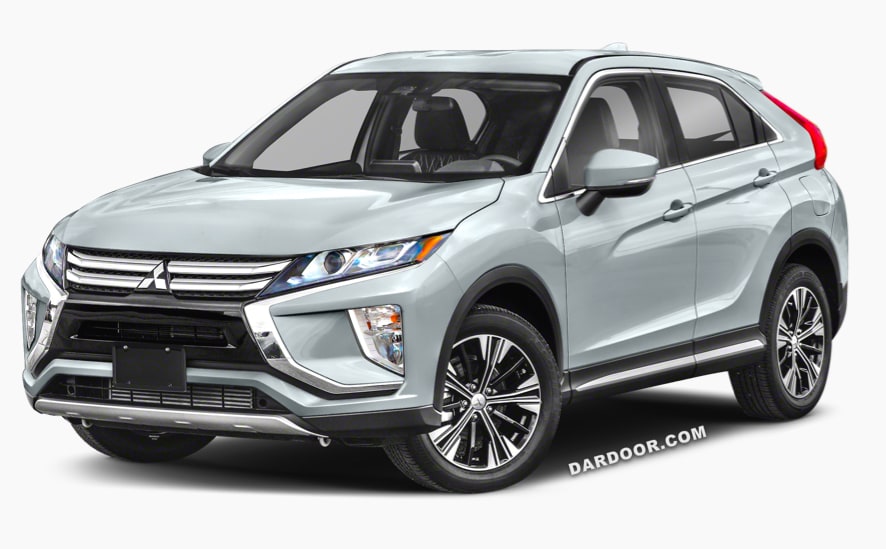
Get the original OEM workshop document for the 2018-2021 Mitsubishi Eclipse Cross repair manual with the wiring diagram in PDF.
2018-2021 Mitsubishi Eclipse Cross Repair Manual
$24.90
Get the original OEM workshop document for the 2018-2021 Mitsubishi Eclipse Cross repair manual with the wiring diagram in PDF file format.
| File Format | |
| File Language | English |
| You’ll Get | 108.5 MB |
| Page Count | 7,297 |
| Wiring Diagram | Included |
| Delivery Method | Instant Download |
This manual provides detailed instructions for maintenance, disassembly, reassembly, component inspection, adjustment, and diagnostics—intended for use by experienced mechanics. Proper application of this guide will help ensure thorough repairs and maintain your vehicle in peak condition.
Important Note: Before purchasing this manual, please check whether your vehicle is subject to any active service recalls, as authorized dealerships may perform necessary repairs free of charge. When replacing parts, always use genuine OEM components to ensure safety, reliability, and long-term performance.
Table of Contents: 2018-2021 Mitsubishi Eclipse Cross Repair Manual
Sample Pages
CAUTION: This OEM service and workshop repair manual provides detailed procedures for maintenance, disassembly, reassembly, inspection, adjustment, and diagnostics. It is intended as a comprehensive guide for experienced mechanics. To ensure thorough and accurate repairs that maintain your vehicle’s optimal performance, please read and follow this manual carefully. When replacing parts during any repair work, always use genuine Mitsubishi parts to ensure quality, safety, and reliability.
2018-2021 Mitsubishi Eclipse Cross: Comprehensive Guide
Overview
The Mitsubishi Eclipse Cross is a compact crossover SUV that revived the Eclipse nameplate (previously a sports coupe). Introduced for the 2018 model year, it slots between the smaller Outlander Sport and larger Outlander in Mitsubishi’s lineup.
Design Philosophy: Sporty styling with a distinctive split rear window design, aimed at younger buyers seeking an affordable, stylish crossover.
Technical Specifications
Engine & Drivetrain
- Engine: 1.5L turbocharged 4-cylinder (4B40)
- Horsepower: 152 hp @ 5,500 rpm
- Torque: 184 lb-ft @ 2,000-3,500 rpm
- Transmission: CVT (Continuously Variable Transmission) with 8-step Sport Mode
- Drivetrain: FWD standard; AWD (S-AWC: Super All-Wheel Control) available
Dimensions & Capacity
- Length: 173.4 inches
- Width: 71.1 inches
- Height: 66.3 inches
- Wheelbase: 105.1 inches
- Cargo Space: 22.6 cu ft (rear seats up), 48.9 cu ft (rear seats folded)
- Seating: 5 passengers
- Curb Weight: 3,395-3,627 lbs (depending on trim/drivetrain)
Performance
- 0-60 mph: ~9.8 seconds
- Fuel Economy (EPA):
- FWD: 25 city / 26 highway / 25 combined mpg
- AWD: 25 city / 26 highway / 25 combined mpg
- Fuel Tank: 15.8 gallons
- Towing Capacity: 1,500 lbs (when properly equipped)
Suspension & Brakes
- Front Suspension: MacPherson strut
- Rear Suspension: Multi-link
- Brakes: Power-assisted ventilated front discs, solid rear discs
- Steering: Electric power-assisted rack-and-pinion
Trim Levels
- ES (base)
- LE (2018-2019)
- SE (mid-level)
- SEL (top trim)
Top 10 Mechanical & Electrical Issues
1. CVT Transmission Hesitation/Juddering
Symptoms:
- Hesitation during acceleration
- Jerky or rough shifting
- Shuddering at low speeds (15-25 mph)
- Delayed response when accelerating from a stop
Root Cause:
- CVT fluid degradation
- Software calibration issues
- CVT belt slippage or wear
Fix:
- CVT fluid flush and replacement with Mitsubishi CVTF-J4 fluid
- ECU/TCM software update
- In severe cases: CVT replacement
Cost:
- Fluid change: $150-$300
- Software update: $100-$200 (often covered under warranty)
- CVT replacement: $4,000-$6,500
2. Turbocharger Failure/Oil Consumption
Symptoms:
- Blue or white smoke from exhaust
- Loss of power/reduced acceleration
- Excessive oil consumption (1 quart per 1,000 miles or more)
- Check engine light with turbo-related codes (P0299, P0234)
- Whistling or whining noise from engine bay
Root Cause:
- Turbocharger seal failure
- Oil feed line restriction
- Inadequate PCV system allowing oil into intake
- Carbon buildup in turbo
Fix:
- Turbocharger replacement
- PCV valve and hose replacement
- Oil feed line cleaning/replacement
- Regular oil changes with correct spec oil (0W-20)
Cost:
- Turbo replacement: $1,500-$3,000 (parts and labor)
- PCV system repair: $200-$400
- Oil consumption monitoring: Free under warranty
3. Infotainment System Freezing/Black Screen
Symptoms:
- Touchscreen becomes unresponsive
- Display goes black or freezes
- Backup camera fails to display
- Audio system cuts out
- Bluetooth connectivity issues
Root Cause:
- Software bugs in head unit
- Corrupted system files
- Faulty head unit hardware
- Loose connector/wiring harness issue
Fix:
- Hard reset (disconnect battery for 10 minutes)
- Software update from Mitsubishi dealer
- Head unit replacement in severe cases
Cost:
- Software update: $0-$150
- Head unit replacement: $800-$1,500
4. Rear Differential Noise (AWD Models)
Symptoms:
- Whining or humming noise from rear of vehicle
- Noise increases with speed
- Clunking when turning
- Vibration through floor
Root Cause:
- Insufficient or contaminated rear differential fluid
- Worn differential bearings
- Improper differential break-in procedure
- Manufacturing defect in differential gears
Fix:
- Differential fluid change with Mitsubishi-spec fluid
- Differential bearing replacement
- Complete differential replacement in severe cases
Cost:
- Fluid change: $150-$250
- Bearing replacement: $600-$1,200
- Differential replacement: $1,500-$2,500
5. Brake System Judder/Vibration
Symptoms:
- Steering wheel vibration when braking
- Brake pedal pulsation
- Squealing or grinding noise
- Reduced braking performance
- Vehicle pulls to one side when braking
Root Cause:
- Warped front brake rotors
- Uneven pad wear
- Caliper sticking or seizing
- Rotor thickness variation
Fix:
- Rotor resurfacing (if within spec)
- Rotor and pad replacement
- Caliper service or replacement
- Brake fluid flush
Cost:
- Rotor resurfacing: $100-$200
- Rotor and pad replacement (front): $300-$500
- Caliper replacement: $400-$700 per axle
- Brake fluid flush: $80-$120
6. Engine Misfire/Rough Idle
Symptoms:
- Check engine light flashing
- Rough or unstable idle
- Loss of power
- Poor fuel economy
- Codes: P0300, P0301-P0304 (misfire codes)
Root Cause:
- Faulty ignition coils
- Worn spark plugs
- Carbon buildup on intake valves (direct injection issue)
- Fuel injector problems
- PCV valve failure causing oil fouling
Fix:
- Spark plug replacement
- Ignition coil replacement
- Intake valve cleaning (walnut blasting)
- Fuel injector cleaning or replacement
- PCV valve replacement
Cost:
- Spark plugs: $150-$250 (all 4)
- Ignition coils: $200-$400 (all 4)
- Intake valve cleaning: $400-$800
- Fuel injector service: $150-$300
7. Sunroof Rattle/Wind Noise
Symptoms:
- Rattling noise from sunroof area
- Excessive wind noise at highway speeds
- Sunroof won’t close properly
- Water leaks around sunroof seal
Root Cause:
- Sunroof track misalignment
- Worn or dried sunroof seals
- Loose sunroof glass
- Clogged sunroof drains
Fix:
- Sunroof realignment and adjustment
- Seal replacement
- Drain tube cleaning
- Track lubrication
Cost:
- Adjustment/lubrication: $100-$200
- Seal replacement: $200-$400
- Complete sunroof repair: $500-$1,000
8. AC System Failure/Weak Cooling
Symptoms:
- Weak or no cold air from vents
- AC compressor cycling on/off rapidly
- Unusual noises from AC compressor
- Musty smell from vents
- AC only works intermittently
Root Cause:
- Refrigerant leak (common at condenser)
- Failed AC compressor
- Clogged cabin air filter
- Evaporator or condenser leaks
- AC compressor clutch failure
Fix:
- Leak detection and repair
- Refrigerant recharge
- AC compressor replacement
- Condenser replacement
- Cabin air filter replacement
Cost:
- Recharge: $150-$250
- Leak repair: $200-$500
- Compressor replacement: $800-$1,500
- Condenser replacement: $400-$800
9. Fuel System Issues/Hard Starting
Symptoms:
- Extended cranking before engine starts
- Engine stalls shortly after starting
- Rough running when cold
- Check engine light with fuel system codes
- Fuel smell in cabin or near vehicle
Root Cause:
- Faulty fuel pump
- Clogged fuel filter
- Fuel pressure regulator failure
- EVAP system leak
- Fuel injector issues
Fix:
- Fuel pump replacement
- Fuel filter replacement
- EVAP system leak repair
- Fuel pressure regulator replacement
- Fuel system cleaning
Cost:
- Fuel pump replacement: $500-$900
- Fuel filter: $100-$200
- EVAP repair: $200-$600
- Pressure regulator: $300-$500
10. Electric Power Steering (EPS) Issues
Symptoms:
- Steering feels heavy or stiff
- Warning light: “Power Steering Service Required”
- Steering wheel hard to turn at low speeds
- Intermittent loss of power assist
- Abnormal steering noise
Root Cause:
- EPS control module failure
- Steering column sensor issues
- Low battery voltage affecting EPS
- Software calibration issues
- EPS motor failure
Fix:
- EPS software update
- Control module replacement
- Steering column sensor replacement
- Battery and charging system check
- Complete EPS unit replacement
Cost:
- Software update: $100-$200
- Control module: $600-$1,200
- Complete EPS unit: $1,200-$2,000
Top 5 Competitors
1. Honda HR-V (2018-2022)
- Advantages: Better reliability, Honda Magic Seat versatility, more cargo space
- Disadvantages: Less power, no turbo option, dated tech
- Price Range: $21,000-$28,000 (new)
2. Mazda CX-3 / CX-30
- Advantages: Superior driving dynamics, upscale interior, better build quality
- Disadvantages: Less cargo space, higher price
- Price Range: $21,000-$32,000
3. Subaru Crosstrek
- Advantages: Standard AWD, better ground clearance, superior resale value
- Disadvantages: Less powerful, slower acceleration, CVT issues
- Price Range: $23,000-$30,000
4. Nissan Rogue Sport (Qashqai)
- Advantages: More interior space, better tech features
- Disadvantages: CVT reliability concerns, less engaging to drive
- Price Range: $24,000-$31,000
5. Toyota C-HR
- Advantages: Toyota reliability, better fuel economy, standard safety features
- Disadvantages: Limited cargo space, FWD only, less power
- Price Range: $22,000-$28,000
Top 10 Recalls, Advisories & TSB Highlights
Recalls
1. Fuel Pump Recall (2018-2020 models)
- Issue: Low-pressure fuel pump may fail, causing engine stall
- Fix: Fuel pump replacement
- Status: Active recall – check with dealer
2. Steering Column Recall (2018-2019)
- Issue: Steering column assembly may separate, causing loss of steering
- Fix: Steering column inspection and replacement if necessary
- Status: Completed for most vehicles
3. Rear Suspension Bolt Recall (2018-2019)
- Issue: Rear suspension trailing arm bolt may fracture
- Fix: Bolt inspection and replacement
- Status: Active – dealer repair
4. Backup Camera Display Recall (2018-2019)
- Issue: Backup camera may not display properly
- Fix: Software update
- Status: Software update available
Technical Service Bulletins (TSBs)
5. TSB-18-54-002: CVT Judder/Shudder
- Issue: CVT shuddering at 15-25 mph
- Fix: CVT fluid replacement and software update
- Coverage: Extended warranty consideration
6. TSB-19-52-001: Wind Noise from A-Pillar
- Issue: Excessive wind noise at highway speeds
- Fix: Weather stripping adjustment/replacement
- Coverage: Goodwill repair possible
7. TSB-18-00-006: Infotainment System Freezing
- Issue: Touchscreen freezes or goes black
- Fix: Software update to version 18.XX or higher
- Coverage: Warranty/goodwill
8. TSB-19-23-003: Turbo Oil Consumption
- Issue: Excessive oil consumption (>1 qt per 1,000 miles)
- Fix: Turbocharger and PCV system inspection/replacement
- Coverage: Powertrain warranty
9. TSB-20-49-001: Brake Noise/Judder
- Issue: Brake squealing and rotor warping
- Fix: Rotor and pad replacement with updated parts
- Coverage: Case-by-case warranty consideration
10. TSB-19-54-004: Rear Differential Noise (AWD)
- Issue: Whining from rear differential
- Fix: Differential fluid change with Mitsubishi-spec fluid
- Coverage: Warranty if within coverage period
Maintenance Schedule
Every 6,000 Miles or 6 Months
- Oil and filter change (0W-20 synthetic)
- Tire rotation
- Multi-point inspection
Every 12,000 Miles or 12 Months
- Cabin air filter replacement
- Brake inspection
- Battery test
Every 30,000 Miles
- Engine air filter replacement
- Brake fluid inspection
- CVT fluid inspection (change if towing or severe service)
Every 60,000 Miles
- CVT fluid replacement (critical!)
- Spark plug replacement
- Drive belts inspection
- Differential fluid change (AWD models)
- Coolant replacement
Every 90,000 Miles
- PCV valve inspection/replacement
- Fuel filter replacement
- Brake fluid replacement
Every 100,000 Miles
- Timing chain inspection (not replacement unless needed)
- Coolant system flush
- Full differential service (AWD)
As Needed
- Wiper blades
- Tire replacement (typically 40,000-60,000 miles)
- Battery replacement (4-6 years)
Annual Costs: Expect $800-$1,200/year for routine maintenance, higher if major services are due.
10 FAQs for Buyers
1. Is the Eclipse Cross reliable?
Reliability is below average compared to competitors. J.D. Power ratings are mediocre (2.5-3/5), with CVT and turbo issues being the main concerns. However, if maintained properly and issues are addressed early, it can be reasonably reliable.
2. Should I buy FWD or AWD?
AWD is recommended if you live in areas with snow/winter weather. Mitsubishi’s S-AWC system is quite capable. FWD is adequate for mild climates and offers slightly better fuel economy, but the difference is minimal (same EPA ratings).
3. What’s the fuel economy like in real-world driving?
Expect 23-25 mpg combined in real-world conditions. Highway driving can achieve 27-28 mpg, while city driving drops to 21-23 mpg. The turbo engine requires premium fuel for best performance, though regular is acceptable.
4. How does it compare to the Honda HR-V?
The Eclipse Cross has more power and better driving dynamics, but the HR-V is more reliable, has better cargo versatility, and holds value better. Choose Eclipse Cross for performance, HR-V for practicality and reliability.
5. What year is best to buy?
2019-2020 models are the sweet spot. Early 2018 models had more issues, while 2019+ received software updates and minor improvements. 2021 is identical to 2020. Avoid early 2018 production.
6. Is the CVT transmission reliable?
The CVT has mixed reliability. Regular fluid changes every 60,000 miles (or 30,000 for severe service) are critical. Many issues can be resolved with software updates. Extended warranty coverage is highly recommended.
7. What’s the resale value like?
Poor compared to competitors. Mitsubishi vehicles depreciate faster than Honda, Toyota, or Subaru. Expect to lose 50-60% of value in 5 years vs. 40-45% for Honda/Toyota.
8. Are parts expensive?
Parts are moderately priced, cheaper than European brands but more expensive than Honda/Toyota for some components. Availability can be an issue in some areas. Labor costs are standard.
9. What warranty coverage does it have?
- Basic: 5 years/60,000 miles
- Powertrain: 10 years/100,000 miles
- Roadside Assistance: 5 years/unlimited miles
- Anti-perforation: 7 years/100,000 miles
This is one of the best warranties in the industry.
10. Should I buy new or used?
Used (2019-2020) offers better value due to heavy depreciation. Let the first owner take the depreciation hit. Look for certified pre-owned with remaining warranty. New makes sense only with significant dealer incentives.
Final Buyer Recommendations
✅ BUY IF:
- You prioritize warranty coverage (10yr/100k powertrain)
- You want sporty styling and decent performance on a budget
- You need AWD capability at a lower price point
- You can handle average reliability and higher maintenance costs
- You plan to keep the vehicle within warranty period
- You don’t drive high annual mileage
❌ AVOID IF:
- Reliability and low maintenance costs are top priorities
- You need maximum cargo space
- You plan to keep the vehicle beyond 100,000 miles
- Resale value matters to you
- You want the latest tech features
- You drive primarily in city traffic (CVT stress)
🔍 PRE-PURCHASE INSPECTION CHECKLIST:
For Used Eclipse Cross:
- ✓ CVT transmission test drive (feel for shuddering at 15-25 mph)
- ✓ Check oil consumption history (ask for service records)
- ✓ Inspect for recalls completion (VIN check at dealer)
- ✓ Listen for turbo whine or unusual engine noises
- ✓ Test all infotainment functions (freezing issues)
- ✓ Check for rear differential noise on AWD models
- ✓ Inspect brake rotors for warping
- ✓ Verify remaining warranty coverage
- ✓ Review CarFax for accident/flood damage
- ✓ Professional pre-purchase inspection ($150-$200 well spent)
💰 PRICING GUIDANCE (2024 Used Market):
| Year | Mileage | FWD Price | AWD Price |
|---|---|---|---|
| 2018 | 60-80k | $12,000-$15,000 | $14,000-$17,000 |
| 2019 | 40-60k | $14,000-$17,000 | $16,000-$19,000 |
| 2020 | 30-50k | $16,000-$19,000 | $18,000-$21,000 |
| 2021 | 20-40k | $18,000-$21,000 | $20,000-$23,000 |
Negotiation tip: Use known issues (CVT, turbo) as leverage for $500-$1,000 off asking price.
🛡️ RECOMMENDED EXTENDED WARRANTY:
Given reliability concerns, consider:
- Mitsubishi Extra Care: extends coverage to 7yr/100k or 10yr/100k
- Third-party (Endurance, CARCHEX): Compare rates, ensure CVT/turbo coverage
- Cost: $1,500-$3,000 depending on coverage level
- ROI: Likely worthwhile given CVT and turbo failure costs
🏆 Our Final Verdict
The 2018-2021 Mitsubishi Eclipse Cross is a budget-friendly choice with bold styling and excellent warranty coverage, but it lags behind competitors in reliability, technology, and resale value. It’s best suited for buyers who prioritize affordability, want AWD capability, and plan to keep the vehicle within the generous warranty period.
Better alternatives exist (Honda HR-V, Mazda CX-30, Subaru Crosstrek) if you can stretch the budget. However, if you find a well-maintained 2019-2020 model with low mileage at the right price, and you’re comfortable with the known issues, it can serve you well—just budget for maintenance and consider extended warranty coverage.
Overall Rating: 6.5/10 — Decent value proposition undermined by reliability concerns.
| Brands | |
|---|---|
| File Format | |
| File Language | English |
| File Size | 108.5 MB |
| Page Count | 7,297 |
| Wiring Diagram Included | YES |
| Searchable & Printable | YES |
| Instant Download | YES |
Related products
-
2019-2022 Mitsubishi ASX Repair Manual
$24.90 Add to cart -
2008-2014 Mitsubishi Triton L200 Repair Manual
$19.90 Add to cart -
2008-2016 Mitsubishi Lancer Evolution X Repair Manual
$19.90 Add to cart -
2009-2012 Mitsubishi Galant Repair Manual
$24.90 Add to cart -

2013-2018 Mitsubishi Outlander Repair Manual
$24.90 Add to cart -

2015-2018 Mitsubishi Triton L200 Wiring Diagram
$19.90 Add to cart -
2004-2011 Mitsubishi Grandis Repair Manual
$16.90 Add to cart -
2017-2020 Mitsubishi i-MiEV Wiring Diagram
$16.90 Add to cart