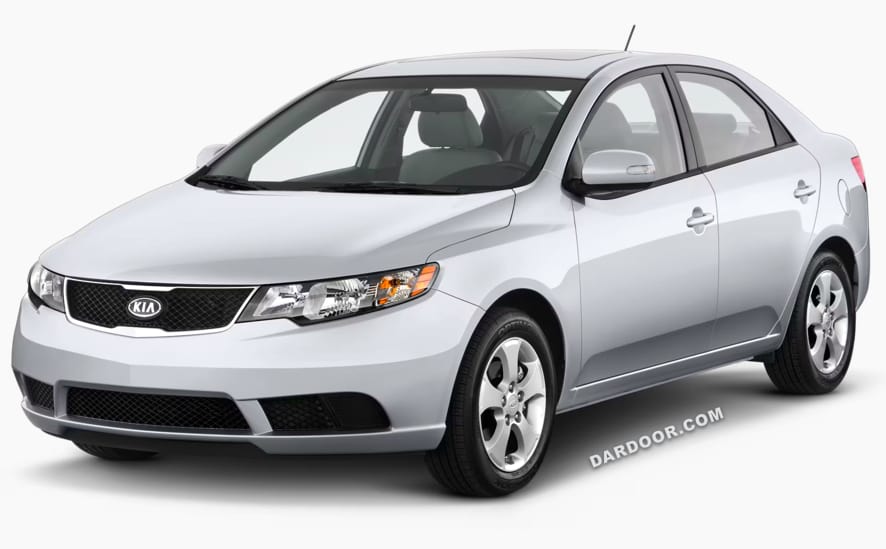
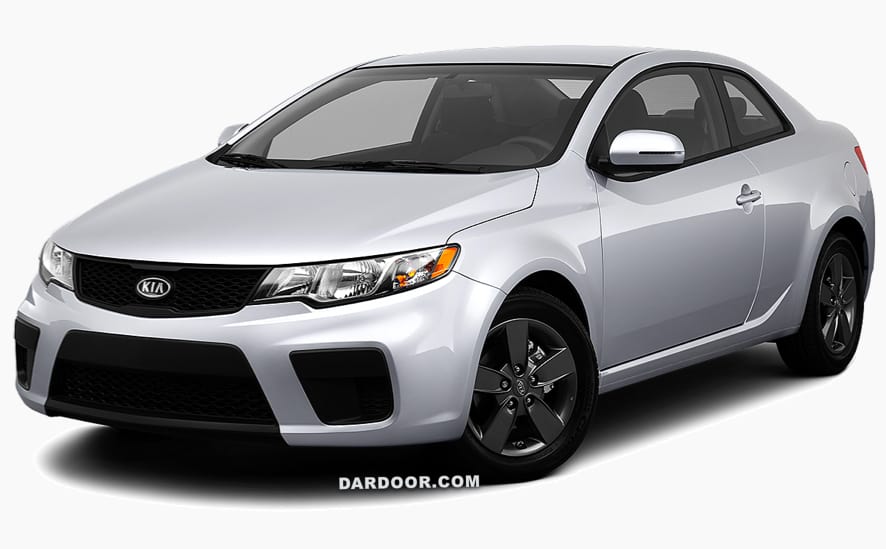
2011 Kia Forte / Forte Koup (Coupe) — OEM Workshop Service & Repair Manual (PDF)
Download the original OEM workshop manual for the 2011 Kia Forte and Forte Koup (Coupe) in a clean, easy-to-use PDF. This is the same factory service documentation used by professional technicians, featuring step-by-step repair procedures, specifications, and diagnostic guidance to help you maintain and repair your vehicle with confidence.
| Files Format |
PDF |
| File Language |
English |
| You’ll Get |
172.3 MB |
| Delivery Method |
Instant Download |
Work to factory standards—reduce guesswork and get repairs right the first time.
Engines Covered
- 1.6L CRDi Diesel
- 1.6L DOHC Petrol
- 2.0L DOHC Petrol
- 2.4L DOHC Petrol
Key Features
Complete OEM Coverage
Factory procedures for service, repair, and maintenance across all major vehicle systems.
Diagnostics & DTCs
Troubleshooting flowcharts, test values, and fault code guidance for faster diagnosis.
Step-by-Step Procedures
Correct sequences, torque specs, service notes, and illustrations to complete jobs accurately.
Workshop-Friendly PDF
Searchable, printable, and easy to access on desktop, tablet, or phone.
What’s Inside
- Maintenance schedules, fluids, capacities, and torque charts
- Engine mechanical repair, timing, cooling, lubrication, fuel & emissions
- Transmission servicing (manual/automatic where applicable)
- Brakes/ABS, steering, suspension, and driveline
- Electrical systems, modules, connectors, and component locations
- HVAC, body, interior, and SRS/airbag systems
Download & Compatibility
Delivery: Instant digital PDF download
Compatibility: Windows • macOS • iOS • Android
This manual provides detailed instructions for maintenance, disassembly, reassembly, component inspection, adjustment, and diagnostics—intended for use by experienced mechanics. Proper application of this guide will help ensure thorough repairs and maintain your vehicle in peak condition.
Important Note: Before purchasing this manual, please check whether your vehicle is subject to any active service recalls, as authorized dealerships may perform necessary repairs free of charge. When replacing parts, always use genuine OEM components to ensure safety, reliability, and long-term performance.
Sample Pages: 2011 Kia Forte Repair Manual
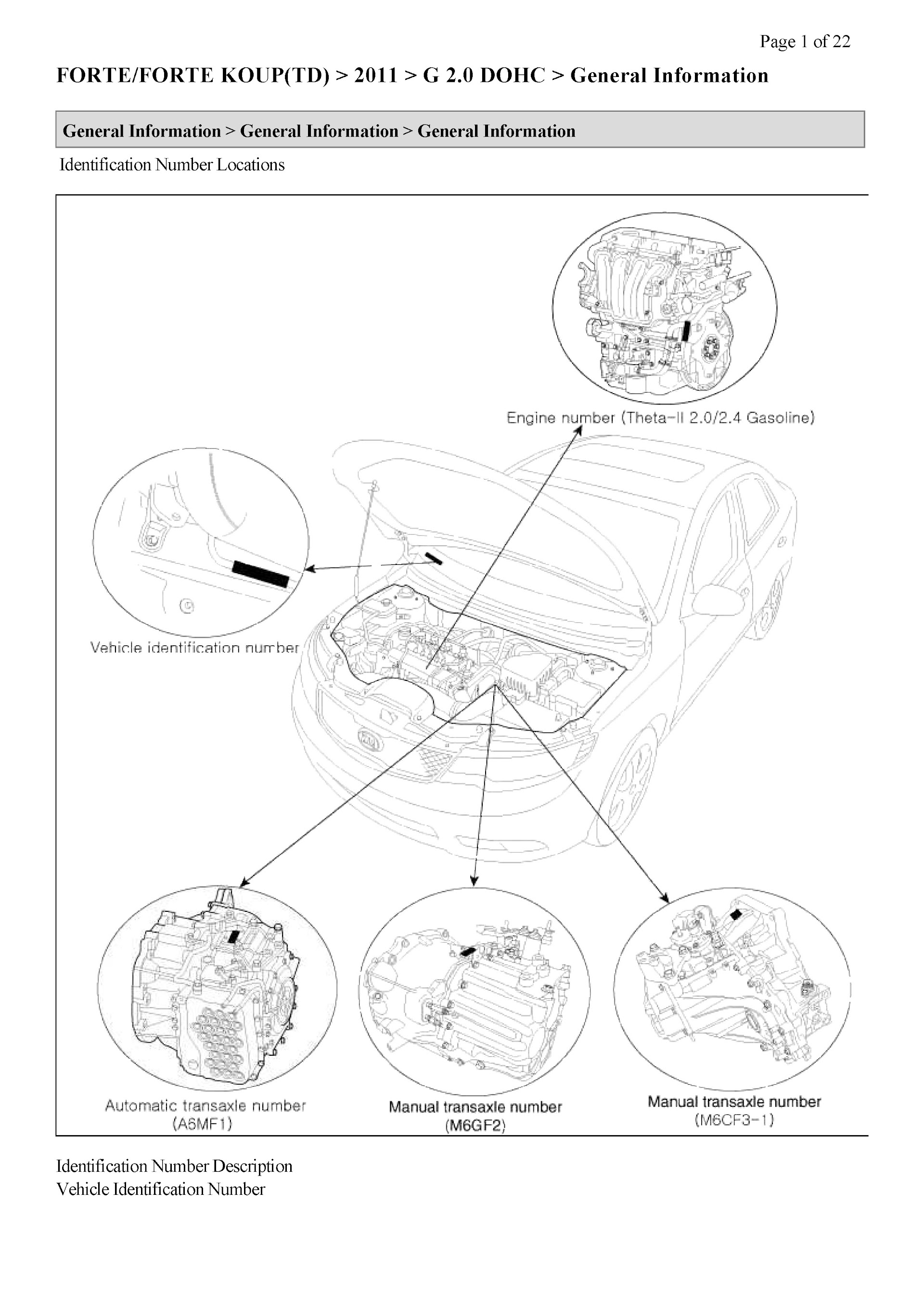
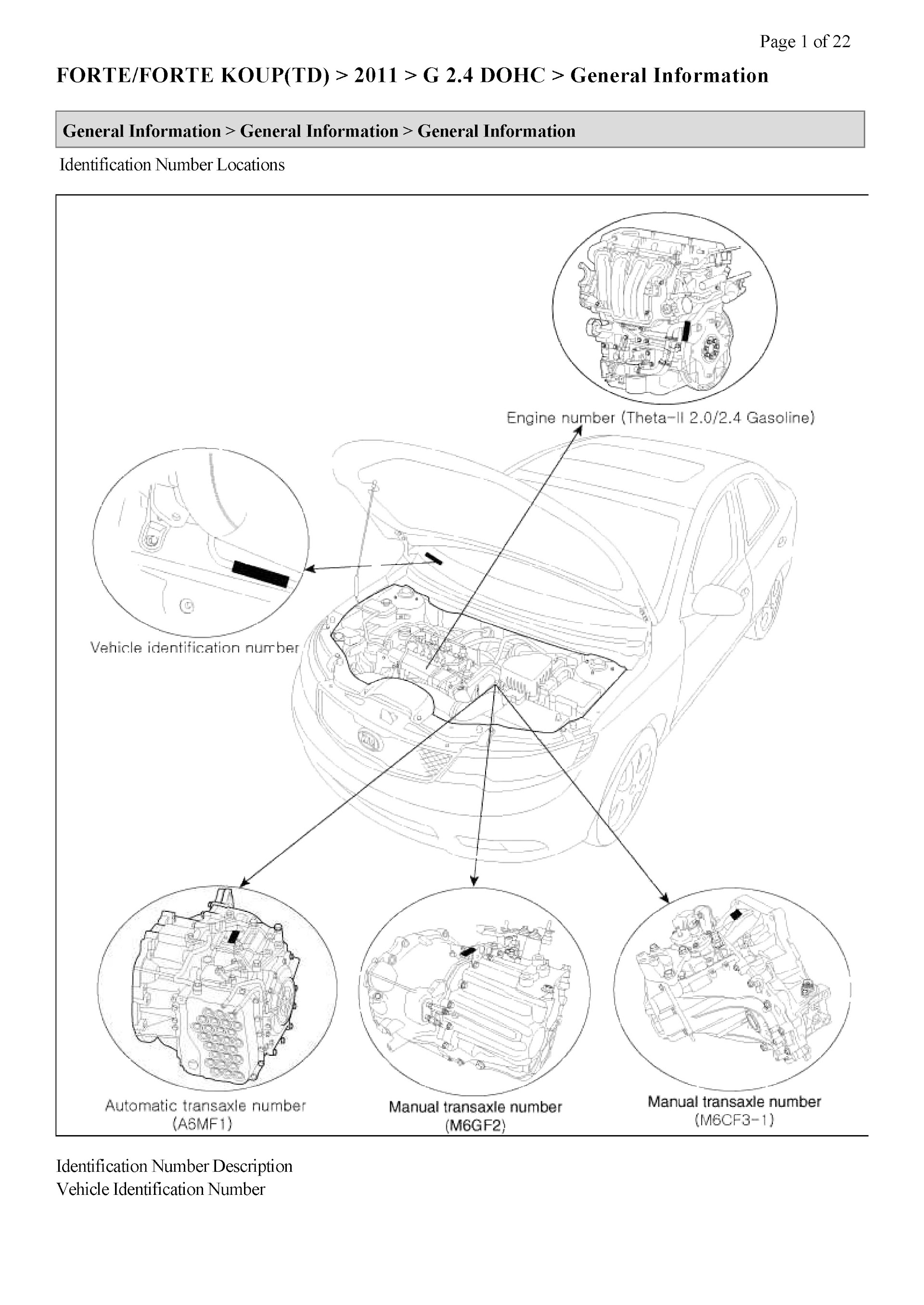
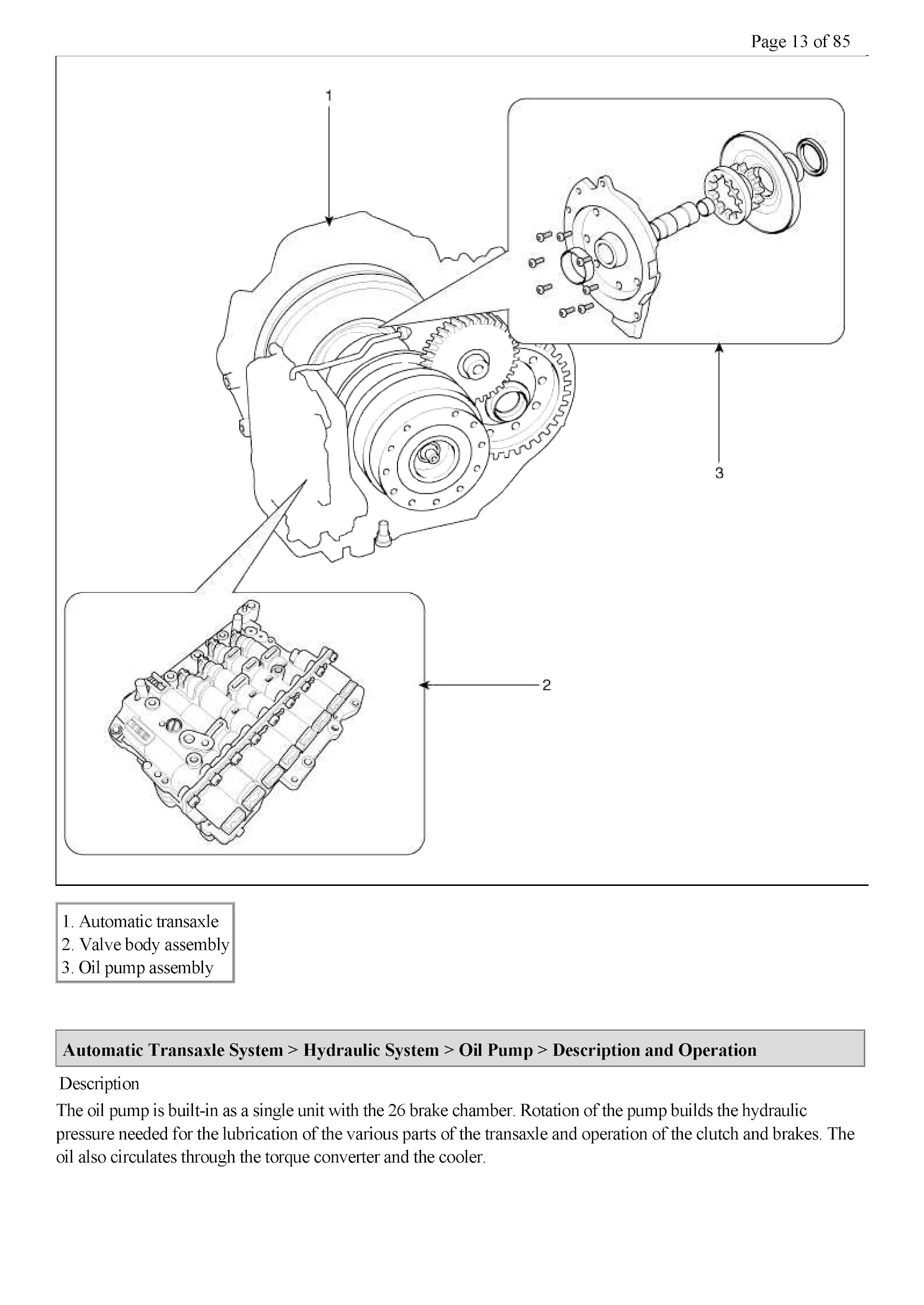
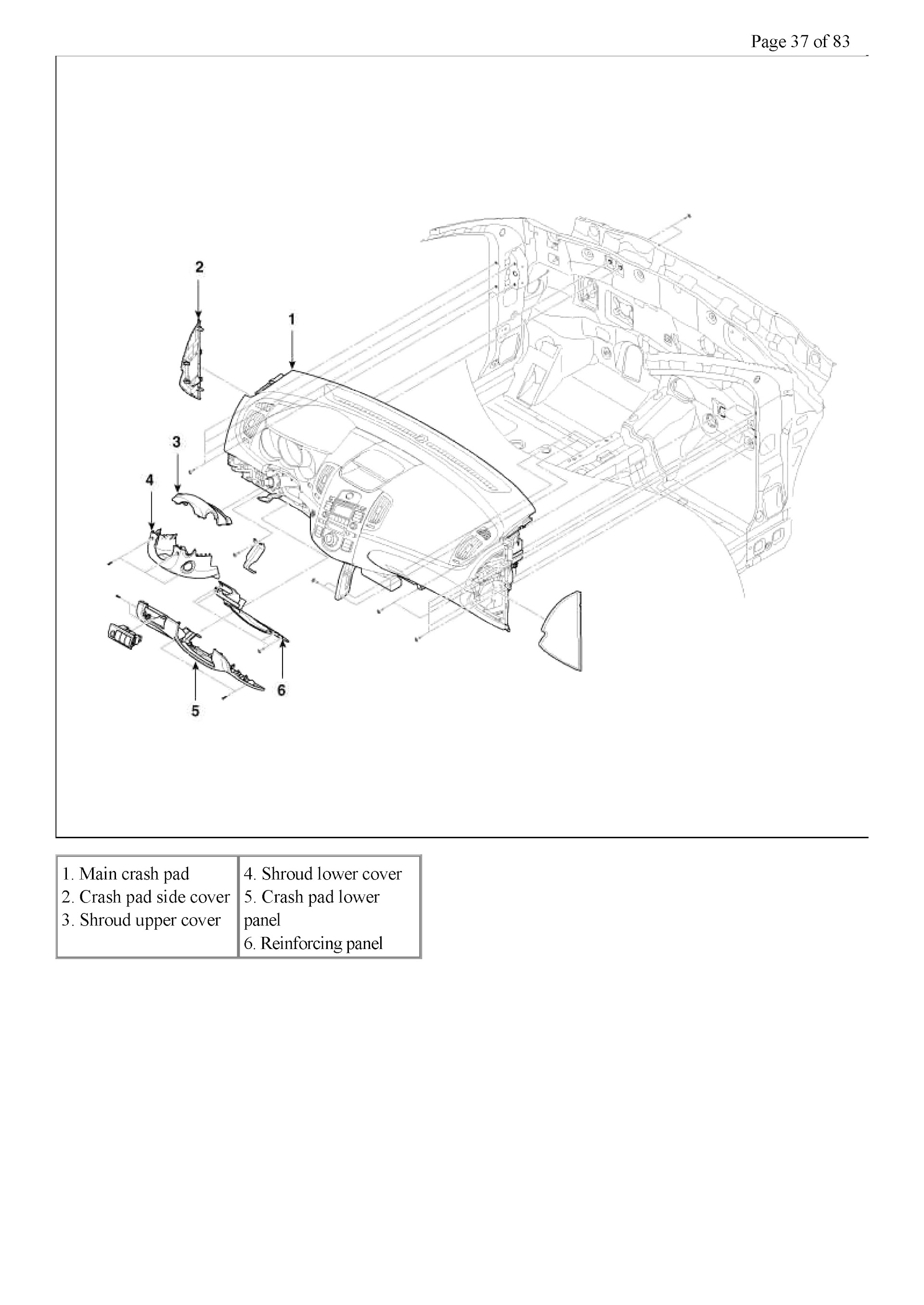
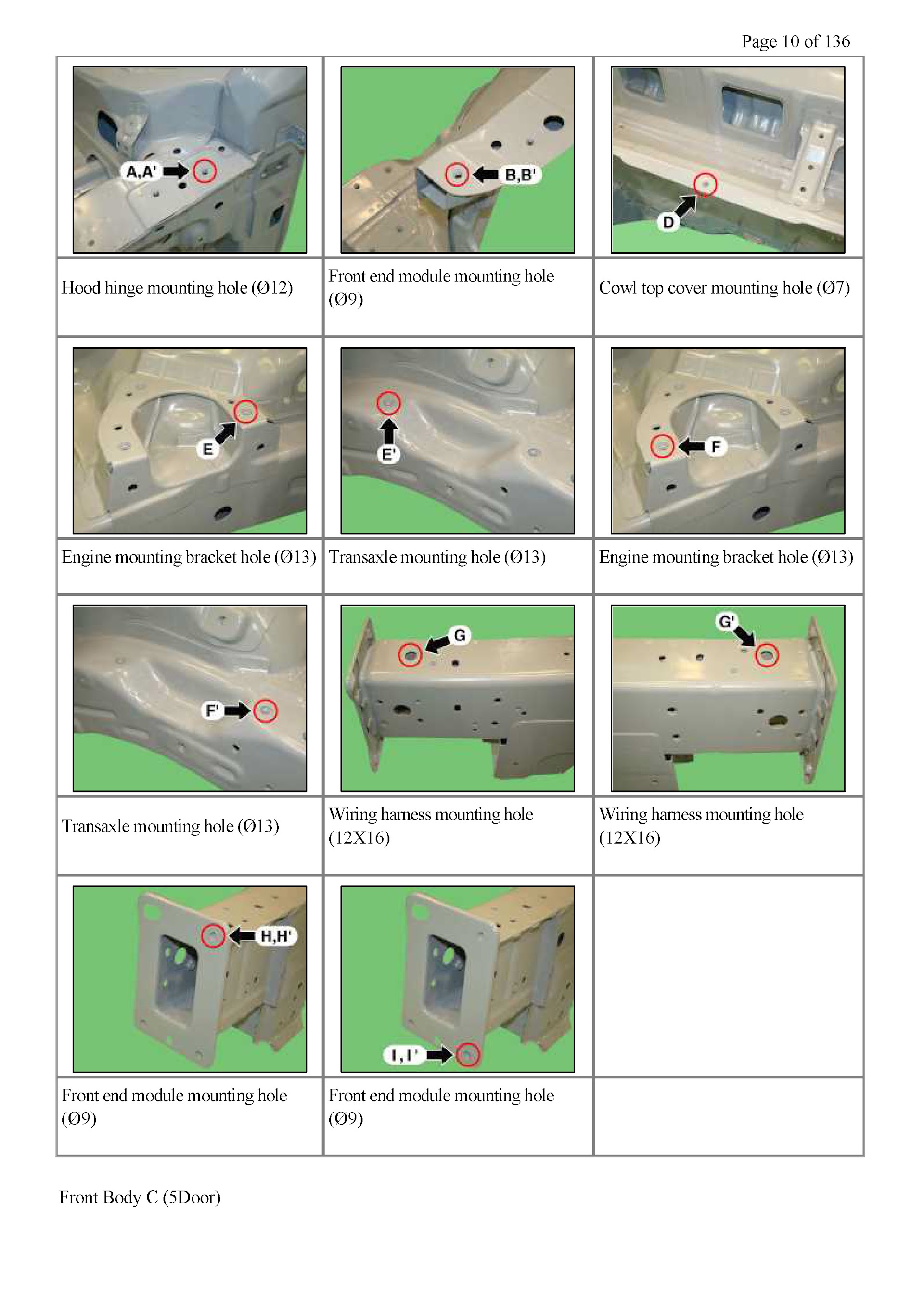
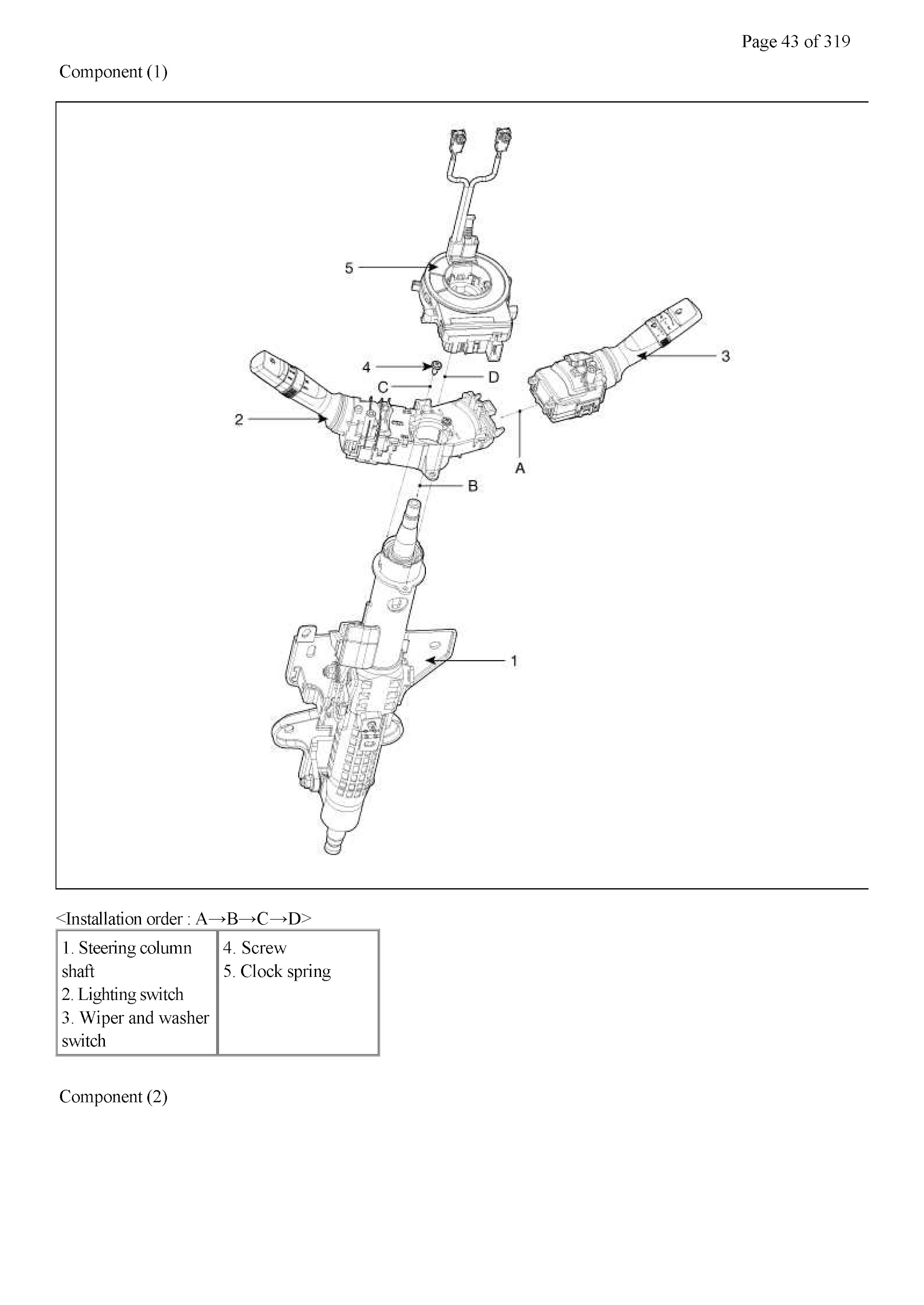
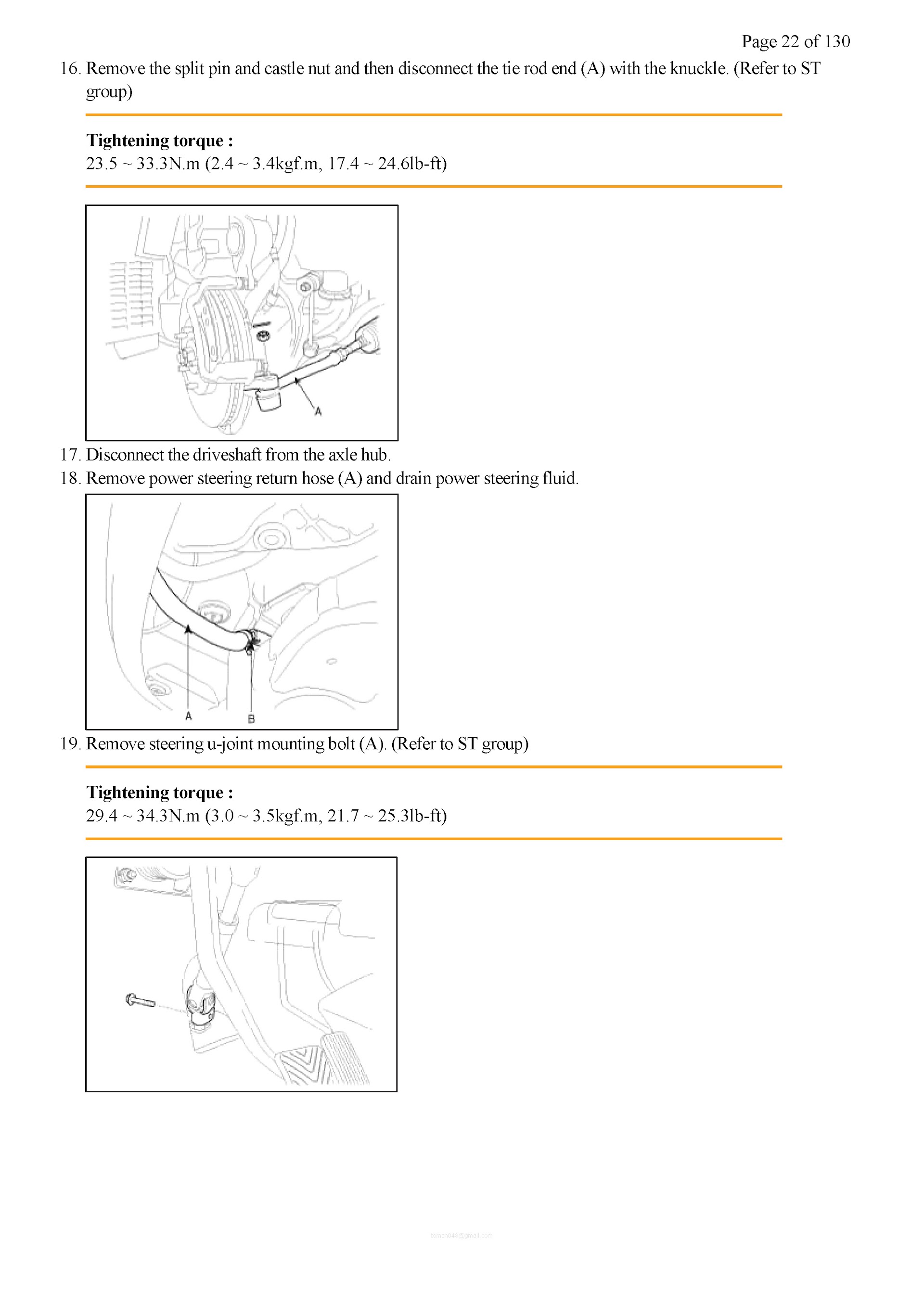
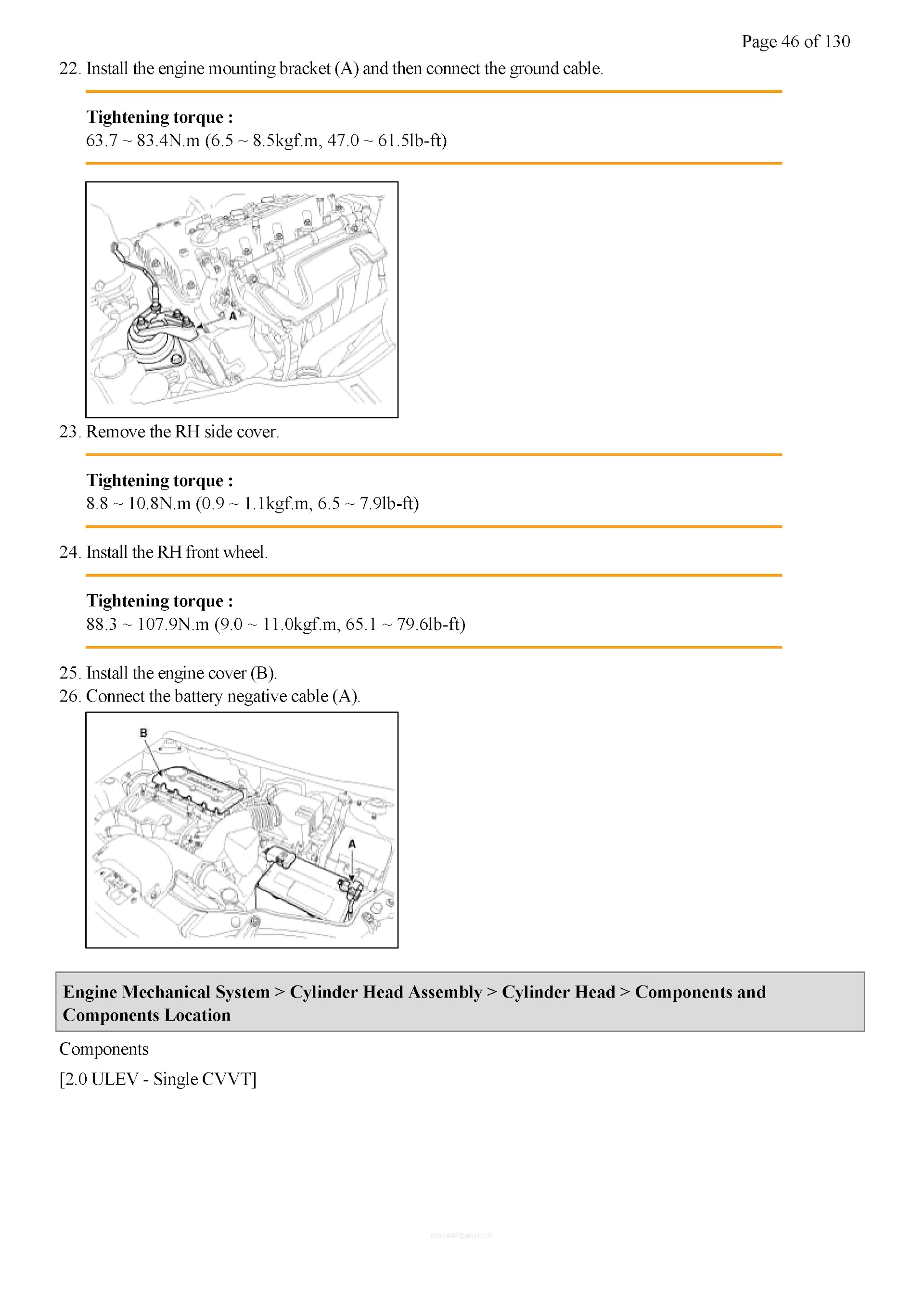
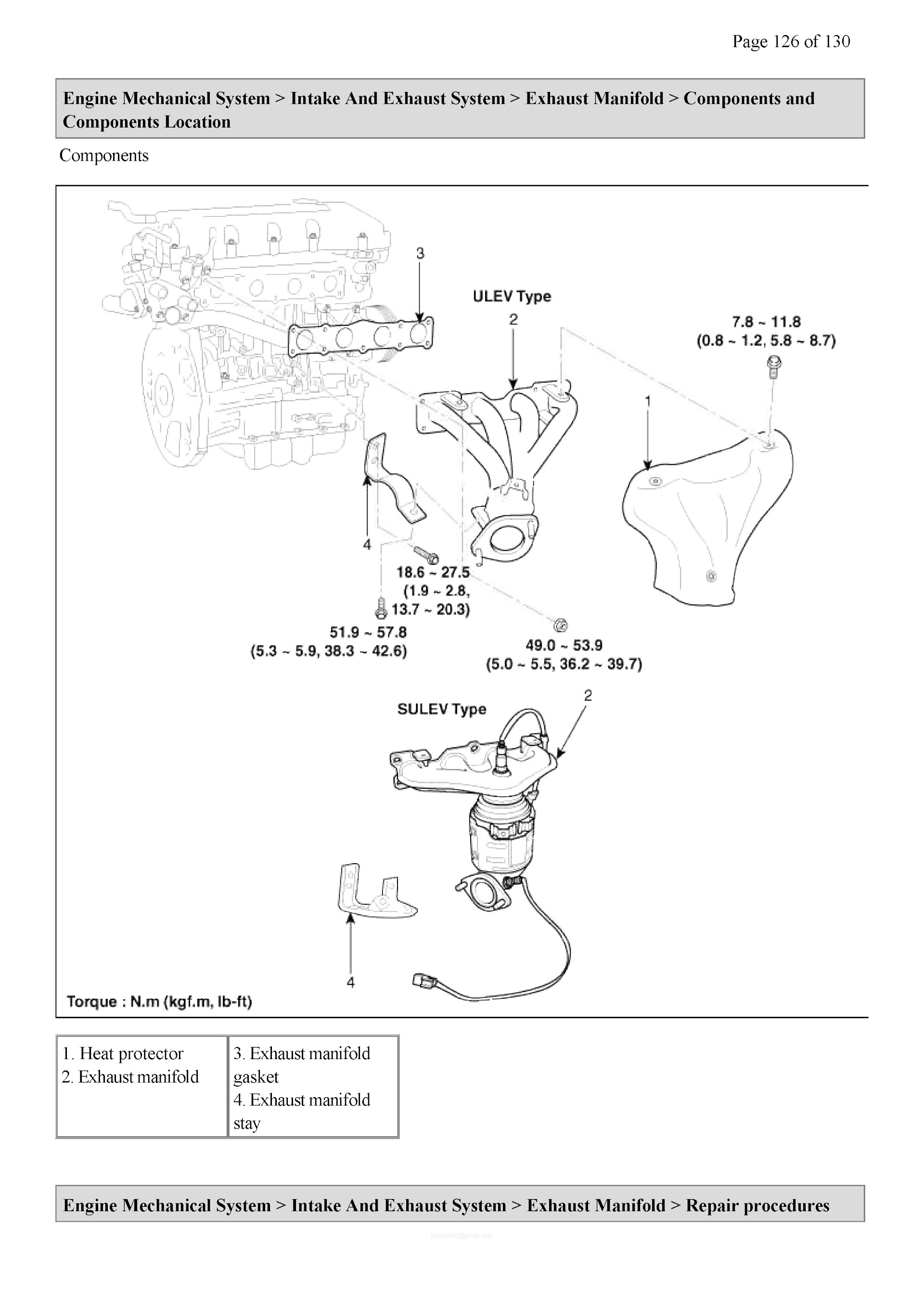
CAUTION: This OEM service and workshop repair manual provides detailed procedures for maintenance, disassembly, reassembly, inspection, adjustment, and diagnostics. It is intended as a comprehensive guide for experienced mechanics. To ensure thorough and accurate repairs that maintain your vehicle’s optimal performance, please read and follow this manual carefully. When replacing parts during any repair work, always use genuine Audi parts to ensure quality, safety, and reliability.
2011 Kia Forte: Comprehensive Buyer’s Guide
Overview
The 2011 Kia Forte is a compact sedan that marked the second year of the first-generation Forte (2010-2013). It was Kia’s entry into the competitive compact car segment, offering value-oriented transportation with a focus on affordability and warranty coverage.
Available Body Styles:
- 4-door sedan
- 2-door coupe (Kia Forte Koup)
- 5-door hatchback (introduced later in 2011)
Trim Levels (Sedan):
Technical Specifications
Engine Options:
- Base (LX/EX): 2.0L 4-cylinder, 156 hp, 144 lb-ft torque
- Performance (SX): 2.4L 4-cylinder, 173 hp, 168 lb-ft torque
Transmission:
- 5-speed manual (standard on LX)
- 4-speed automatic (optional LX/EX, standard SX with 2.0L)
- 6-speed manual (SX with 2.4L)
Drivetrain: Front-wheel drive (FWD)
Dimensions:
- Length: 178.3 inches
- Width: 69.9 inches
- Height: 57.7 inches
- Wheelbase: 104.3 inches
- Curb Weight: 2,789-3,042 lbs
Fuel Economy (EPA):
- 2.0L Manual: 24 city / 34 highway mpg
- 2.0L Automatic: 25 city / 34 highway mpg
- 2.4L: 23 city / 31 highway mpg
Fuel Capacity: 13.2 gallons
Cargo/Trunk Space: 14.7 cubic feet
Top 10 Mechanical & Electrical Issues
1. Theta II Engine Failure/Seizure
- Symptoms: Knocking sounds, loss of power, check engine light, engine stalling, metal shavings in oil, complete engine failure
- Root Cause: Manufacturing defects in engine bearings causing bearing wear and potential seizure; inadequate lubrication; metal debris from manufacturing process
- Fix: Complete engine replacement in severe cases; bearing replacement if caught early
- Cost: $4,500-$8,000 for complete engine replacement; $2,000-$3,500 for bearing work
2. Steering Coupler/U-Joint Failure
- Symptoms: Clunking noise when turning, especially at low speeds; loose or vague steering feel; knocking from steering column
- Root Cause: Worn universal joint in the steering shaft coupling; inadequate lubrication; design weakness
- Fix: Replace steering coupler assembly
- Cost: $200-$450 (parts and labor)
3. Door Lock Actuator Failure
- Symptoms: Doors won’t lock/unlock with key fob or power lock button; clicking noise from door; intermittent operation; only some doors affected
- Root Cause: Failure of electric motor in door lock actuator; worn gears; electrical connection issues
- Fix: Replace failed door lock actuator(s)
- Cost: $150-$300 per door (parts and labor)
4. Transmission Slipping/Shuddering (Automatic)
- Symptoms: Harsh shifting, delayed engagement, slipping between gears, shuddering during acceleration, check engine light
- Root Cause: Worn clutch packs in automatic transmission; low or contaminated transmission fluid; valve body issues
- Fix: Transmission fluid flush and filter change; solenoid replacement; transmission rebuild or replacement in severe cases
- Cost: $150-$300 for fluid service; $500-$1,200 for solenoid; $2,500-$4,000 for rebuild
5. Alternator Failure
- Symptoms: Battery warning light, dimming lights, electrical accessories malfunctioning, difficulty starting, dead battery, whining noise from engine bay
- Root Cause: Worn alternator bearings; failed voltage regulator; diode failure; brush wear
- Fix: Replace alternator
- Cost: $400-$650 (parts and labor)
6. Rear Suspension Bushing Deterioration
- Symptoms: Clunking or rattling from rear suspension over bumps; poor handling; uneven tire wear; vehicle feels unstable
- Root Cause: Premature wear of rubber bushings in rear suspension control arms; environmental degradation
- Fix: Replace worn suspension bushings or complete control arms
- Cost: $300-$600 for bushing replacement; $500-$900 for control arm replacement
7. Fuel System/Fuel Pump Issues
- Symptoms: Difficulty starting, engine sputtering at high speeds, loss of power under acceleration, stalling, poor fuel economy
- Root Cause: Failing fuel pump; clogged fuel filter; fuel pressure regulator malfunction
- Fix: Replace fuel pump assembly; replace fuel filter
- Cost: $450-$750 for fuel pump replacement; $100-$200 for filter
8. Brake Light Switch Failure
- Symptoms: Brake lights not working; stuck in park (can’t shift out); cruise control not working; push-button start won’t engage
- Root Cause: Failed brake light switch; electrical connection corrosion
- Fix: Replace brake light switch
- Cost: $75-$150 (parts and labor)
9. Air Conditioning Compressor Failure
- Symptoms: No cold air, intermittent cooling, loud noises from AC compressor, clutch not engaging, AC blowing warm air
- Root Cause: Compressor clutch failure; internal compressor damage; refrigerant leaks; electrical issues
- Fix: Replace AC compressor; recharge refrigerant system; replace clutch assembly
- Cost: $600-$1,200 for compressor replacement with recharge
10. Oxygen Sensor Failure
- Symptoms: Check engine light, poor fuel economy, rough idle, failed emissions test, hesitation during acceleration
- Root Cause: Sensor contamination from oil or coolant; normal wear over time; exposure to extreme temperatures
- Fix: Replace failed oxygen sensor(s)
- Cost: $150-$350 per sensor (parts and labor)
Top 5 Competitors
- More refined, better resale value, stronger reputation for reliability
- Similar fuel economy, slightly higher price point
- Legendary reliability, excellent resale value
- More conservative styling, less engaging to drive
- More fun to drive, better handling dynamics
- Sportier feel, similar pricing
- Corporate sibling to Forte, shares some components
- Slightly more refined interior, similar value proposition
- Fun handling, more engaging driving experience
- Dual-clutch transmission had reliability issues
Top 10 Recalls, Advisories & TSB Highlights
Recalls
1. Seat Belt Pretensioner Recall (NHTSA 13V-354)
- Issue: Seat belt pretensioners may not properly restrain occupants
- Solution: Dealer inspection and replacement if necessary
2. Steering Pinion Gear Recall (NHTSA 15V-088)
- Issue: Steering pinion gear may fracture, causing loss of steering
- Solution: Replace steering gear assembly
3. Side Curtain Airbag Recall (NHTSA 10V-521)
- Issue: Side curtain airbags may not deploy properly
- Solution: Software update and component inspection
Technical Service Bulletins (TSBs)
4. TSB #012 – Engine Knock/Noise
- Addresses abnormal engine noises from bearing wear
- Procedure for inspection and potential engine replacement under warranty
5. TSB #066 – Steering Column Noise
- Clunking noise from steering column
- Steering coupler replacement procedure
6. TSB #091 – Transmission Shift Quality
- Harsh or delayed shifting in automatic transmission
- Software update and transmission fluid specification
7. TSB #EM029 – Battery Drain
- Parasitic battery drain causing dead battery
- Inspection of electrical systems and module updates
8. TSB #010 – Door Glass Rattle
- Rattling noise from door windows
- Window regulator adjustment or replacement
9. TSB #041 – HVAC Blower Motor Noise
- Squeaking or grinding from blower motor
- Blower motor replacement procedure
10. TSB #IM035 – Bluetooth Connectivity Issues
- Problems pairing or maintaining Bluetooth connection
- Software update for infotainment system
Maintenance Schedule
Every 7,500 Miles or 6 Months
- Engine oil and filter change
- Tire rotation
- Inspect brake pads and rotors
Every 15,000 Miles or 12 Months
- Cabin air filter replacement
- Inspect drive belts
- Inspect suspension and steering components
Every 30,000 Miles
- Engine air filter replacement
- Replace fuel filter
- Inspect brake fluid (replace if contaminated)
- Inspect coolant level and condition
Every 45,000 Miles
- Replace spark plugs (conventional)
- Transmission fluid inspection
Every 60,000 Miles
- Replace engine coolant
- Replace automatic transmission fluid
- Replace brake fluid
- Inspect timing belt (if equipped)
Every 90,000-100,000 Miles
- Replace timing belt (critical – failure can cause engine damage)
- Replace water pump (recommended with timing belt)
- Replace drive belts
As Needed
- Battery replacement (typically 3-5 years)
- Wiper blade replacement
- Brake pad/rotor replacement
- Tire replacement
10 FAQs for Buyers
Q1: Is the 2011 Kia Forte reliable?
A: The 2011 Forte has mixed reliability ratings. While many owners report satisfactory experiences, there are known issues with engine bearing failures, steering components, and transmission problems. It’s below average compared to competitors like the Honda Civic or Toyota Corolla.
Q2: What is the biggest problem with the 2011 Kia Forte?
A: The most serious issue is the Theta II engine bearing failure, which can lead to complete engine seizure. This predominantly affects the 2.4L engine but can occur in 2.0L engines as well. Regular oil changes and monitoring for unusual noises are critical.
Q3: How long will a 2011 Kia Forte last?
A: With proper maintenance, a 2011 Forte can last 150,000-200,000 miles. However, major component failures (engine, transmission) may occur earlier than with more reliable competitors. Longevity depends heavily on maintenance history and whether recall/TSB work was completed.
Q4: What should I look for when buying a used 2011 Forte?
A: Check for: complete service records (especially oil changes), any history of engine knocking or replacement, steering coupler replacement, recall completion status, transmission condition (test drive for smooth shifting), signs of oil consumption, and door lock function.
Q5: Is the 2011 Forte good on gas?
A: Yes, fuel economy is competitive for the class. Expect real-world figures of 23-26 mpg city and 31-34 mpg highway with the 2.0L engine, which is on par with competitors.
Q6: Does the 2011 Forte have Bluetooth?
A: Bluetooth was available on EX and SX trims but not standard on the base LX. The system can have connectivity issues, but a TSB addresses this with software updates.
Q7: What is the difference between LX, EX, and SX trims?
A: LX is the base model with manual transmission standard. EX adds automatic transmission, upgraded audio, power accessories, and cruise control. SX is the sport-oriented trim with the 2.4L engine, larger wheels, sport suspension, and additional features.
Q8: Are parts expensive for the 2011 Forte?
A: Parts are generally affordable compared to competitors. Aftermarket parts availability is good, which helps keep costs down. Routine maintenance is inexpensive, but major repairs (engine, transmission) can be costly.
Q9: Does the 10-year/100,000-mile warranty transfer to second owners?
A: Kia’s powertrain warranty transfers to subsequent owners as a 5-year/60,000-mile warranty from the original in-service date. The 10-year/100,000-mile coverage is only for the original owner.
Q10: Should I buy the manual or automatic transmission?
A: The 5-speed manual is generally more reliable and engaging to drive. The 4-speed automatic is outdated and has more reported issues with shifting quality. If you can drive manual, it’s the better choice for reliability and fuel economy.
Final Buyer Recommendations
Consider Buying If:
- Budget is the primary concern – The Forte offers good value for money with low purchase prices on the used market
- You’re comfortable with average reliability – If you can handle occasional repairs and stay on top of maintenance
- Warranty coverage remains – If still under any remaining Kia warranty coverage
- Complete service records available – A well-maintained example with documented oil changes
- You prefer manual transmission – The manual is more reliable than the automatic
- Low mileage example – Under 80,000 miles with no engine replacement history
Avoid or Be Cautious If:
- High mileage (over 100,000 miles) – Risk of major component failures increases significantly
- No service records – Unknown maintenance history is a red flag, especially for engine issues
- Signs of engine problems – Any knocking, ticking, or oil consumption issues
- Incomplete recall work – Ensure all recalls and important TSBs have been addressed
- You need maximum reliability – Consider a Honda Civic or Toyota Corolla instead
- Automatic transmission shows issues – Slipping, hard shifts, or delayed engagement are warning signs
Key Inspection Points:
- Engine condition – Listen for knocking, check for oil leaks, verify regular oil changes
- Steering feel – Test for clunking when turning at low speeds
- Transmission operation – Smooth shifts without hesitation or slipping
- Door locks – Verify all doors lock/unlock properly
- Suspension – Listen for clunks over bumps
- Recall status – Verify completion through NHTSA database or dealer
- Pre-purchase inspection – Always recommended by independent mechanic
Bottom Line:
The 2011 Kia Forte is a budget-friendly option that can serve well if you find a well-maintained example with complete records and no history of major issues. However, it doesn’t match the reliability of top competitors like the Honda Civic or Toyota Corolla. It’s best suited for buyers who prioritize affordability over long-term dependability and are prepared for potential repairs. A thorough pre-purchase inspection is essential, and expect to budget for maintenance and potential repairs beyond routine service. If maximum reliability is your goal, spending a bit more for a Civic or Corolla will likely save money in the long run.