Overview
The 2009–2011 Toyota Venza is a midsize crossover wagon that blends car-like handling with SUV practicality. Built on the Toyota Camry platform, it was designed as a stylish alternative to traditional SUVs, targeting buyers who wanted versatility without the bulk.
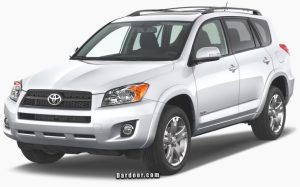
Market Position: The Venza slotted between the RAV4 and Highlander, offering a more refined, car-based driving experience with available V6 power and AWD capability.
Design Philosophy: Toyota marketed the Venza as a “crossover sedan” with sleek styling, panoramic roof options, and premium materials aimed at empty nesters and active lifestyle buyers.
Technical Specifications Engine Options:
2.7L 4-cylinder (1AR-FE): 182 hp @ 6,000 rpm, 182 lb-ft torque @ 4,100 rpm3.5L V6 (2GR-FE): 268 hp @ 6,200 rpm, 246 lb-ft torque @ 4,700 rpm
Transmission:
6-speed automatic (all models)
Drivetrain:
Front-wheel drive (FWD) standard
All-wheel drive (AWD) available on both engines
Dimensions:
Length: 189.0 inches
Width: 74.8 inches
Height: 63.4 inches
Wheelbase: 109.3 inches
Curb weight: 3,638–4,045 lbs
Cargo Capacity:
34.4 cubic feet behind rear seats
70.2 cubic feet with rear seats folded
Fuel Economy (EPA estimates):
4-cylinder FWD: 21 city / 29 highway mpg
4-cylinder AWD: 21 city / 27 highway mpg
V6 FWD: 19 city / 26 highway mpg
V6 AWD: 18 city / 25 highway mpg
Towing Capacity:
4-cylinder: 2,500 lbs
V6: 3,500 lbs
Suspension:
Front: MacPherson strut with stabilizer bar
Rear: Double wishbone with stabilizer bar
Brakes:
Front: 11.7-inch ventilated discs
Rear: 12.1-inch solid discs
ABS, EBD, Brake Assist standard
Wheels & Tires:
Standard: 19-inch alloy wheels
Optional: 20-inch alloy wheels
Tire sizes: 245/55R19 or 245/50R20
Top 10 Mechanical & Electrical Issues 1. Excessive Oil Consumption (V6 Models) Symptoms: Low oil level warnings, blue smoke from exhaust, oil smell in cabin, frequent need to add oil between changes (1 quart per 1,000 miles or less)
Root Cause: Defective piston rings on 2GR-FE V6 engines manufactured between 2006–2011 allow oil to seep into combustion chambers. This is part of a broader Toyota V6 issue affecting multiple models.
Fix: Toyota’s remedy involves engine inspection and piston ring replacement if consumption exceeds 1 quart per 1,200 miles. In severe cases, complete engine replacement may be necessary under warranty extension (ZE3).
Cost: $3,500–$6,000 for piston ring replacement; $8,000–$12,000 for engine replacement (covered under warranty extension if eligible)
2. Transfer Case Actuator Failure (AWD Models) Symptoms: AWD warning light illuminated, inability to engage AWD, grinding or clicking noises from under vehicle, error codes P0C23 or P0C13
Root Cause: The transfer case actuator motor fails due to internal gear wear or corrosion of electrical contacts. Cold weather exacerbates the problem. This is common on 2009–2011 AWD models.
Fix: Replace the transfer case actuator assembly. Some cases require reprogramming the 4WD ECU after replacement.
Cost: $800–$1,400 (parts: $400–$700, labor: 2–3 hours)
3. Timing Cover Oil Leak (V6 Models) Symptoms: Oil pooling under front of engine, oil smell when engine is hot, visible oil seepage around timing cover area, low oil level
Root Cause: The front timing cover gasket deteriorates over time due to heat cycling and oil contamination. V6 models are more prone due to higher operating temperatures.
Fix: Replace timing cover gasket and reseal. This requires removing accessory belts, pulleys, and potentially the radiator for access.
Cost: $800–$1,500 (parts: $150–$300, labor: 4–6 hours)
4. Rear Differential Leak (AWD Models) Symptoms: Differential fluid puddles under rear of vehicle, whining or humming noise from rear axle, burning smell, low differential fluid level
Root Cause: Rear differential pinion seal or axle seals fail due to normal wear, improper installation, or damage from road debris. AWD models with higher mileage (80,000+ miles) are most affected.
Fix: Replace failed seal(s) and refill differential fluid. Inspect for bearing damage if leak went unnoticed for extended period.
Cost: $300–$600 (parts: $50–$150, labor: 2–3 hours)
5. Sunroof Drain Tube Clogs Symptoms: Water leaking into cabin (usually front footwells), wet headliner, musty odor, water stains on pillars, electrical issues if water reaches modules
Root Cause: Sunroof drain tubes become clogged with debris, leaves, or deteriorate at connection points. The Venza’s large panoramic moonroof has four drain tubes that are prone to blockage.
Fix: Clear drain tubes using compressed air or flexible wire, inspect for cracks or disconnections, seal any splits with adhesive or replace damaged sections.
Cost: $150–$400 if DIY or minor shop work; $600–$1,200 if extensive disassembly required to access tubes
6. Steering Intermediate Shaft Clunk Symptoms: Clunking or knocking sound when turning steering wheel at low speeds, noise most noticeable when cold, felt through steering column
Root Cause: The steering intermediate shaft universal joint lacks adequate lubrication or develops wear in the splined connection. Temperature changes cause expansion/contraction that worsens the noise.
Fix: Apply high-temperature grease to shaft splines or replace intermediate shaft assembly. TSB-0087-10 addresses this issue.
Cost: $200–$450 (parts: $100–$200, labor: 1–2 hours)
7. Brake Actuator Failure (VSC/ABS System) Symptoms: ABS warning light, VSC warning light, traction control warning light, brake pedal pulsation, reduced braking effectiveness, error codes C1391, C1252
Root Cause: The brake actuator assembly (part of the Vehicle Stability Control system) develops internal pump motor failure or solenoid valve malfunction. This is most common in 2009–2010 models.
Fix: Replace brake actuator assembly and bleed brake system. Requires scan tool to clear codes and perform system initialization.
Cost: $1,800–$2,800 (parts: $1,200–$1,800, labor: 2–4 hours)
8. Radiator Transmission Cooler Failure Symptoms: Pink or milky transmission fluid, transmission slipping or erratic shifting, engine overheating, sweet smell from exhaust, coolant in transmission pan
Root Cause: Internal transmission cooler inside radiator develops leaks, allowing coolant and transmission fluid to mix. This catastrophic failure can destroy the transmission if not caught early.
Fix: Replace radiator, flush transmission and cooling systems completely, replace transmission fluid and filter. Inspect transmission for damage; may require rebuild if contamination was severe.
Cost: $800–$1,500 for radiator/flush alone; $3,000–$5,000 if transmission rebuild needed
9. Power Sliding Door Motor Failure (if equipped) Symptoms: Sliding door operates slowly, jerky movement, door stops mid-operation, grinding noises, door won’t latch properly, error messages on dash
Root Cause: Power sliding door motor or cable system wears out from repeated use. Debris in track or frozen cables in cold weather accelerate failure.
Fix: Replace door motor assembly and/or cables, lubricate tracks, adjust door alignment.
Cost: $600–$1,200 per door (parts: $300–$600, labor: 2–3 hours)
10. Bluetooth Module Failure Symptoms: Bluetooth won’t pair with phone, intermittent disconnections, no audio through Bluetooth, system freezes when attempting Bluetooth connection
Root Cause: The Bluetooth module in the audio head unit develops software corruption or hardware failure. 2009–2010 models with early-generation Bluetooth are most affected.
Fix: Update head unit software if available, or replace Bluetooth module/entire head unit assembly.
Cost: $400–$900 (parts: $250–$600, labor: 1–2 hours)
Top 5 Competitors (2009–2011) Strengths: More powerful V6 (265 hp), sportier styling, better interior materials, comfortable ride Weaknesses: Worse fuel economy, less cargo space, CVT reliability concerns Price Comparison: Similar MSRP ($27,000–$37,000)
Strengths: Available turbocharged engine, more aggressive styling, larger cargo area, SYNC infotainmentWeaknesses: Lower reliability ratings, worse fuel economy, firm ride Price Comparison: Slightly lower starting price ($26,000–$36,000)
Strengths: More engaging driving dynamics, third-row seating, upscale interior, better handling Weaknesses: Smaller cargo area with third row up, worse fuel economy, higher price Price Comparison: Higher MSRP ($29,000–$38,000)
Strengths: Standard AWD, better ground clearance, wagon versatility, excellent safety ratings Weaknesses: Less refined interior, noisier cabin, smaller engine options Price Comparison: Lower starting price ($24,000–$33,000)
Strengths: Similar concept (lifted wagon), reliable Honda V6, spacious interior, good handling Weaknesses: Controversial styling, limited rear visibility, smaller cargo opening Price Comparison: Similar MSRP ($27,000–$36,000)
Top 10 Recalls, Advisories & TSB Highlights Recalls
1. Floor Mat Entrapment (2009–2010 models)
Issue: All-weather floor mats can interfere with accelerator pedalRisk: Unintended accelerationFix: Install redesigned floor mats with retention clips
2. Accelerator Pedal Friction (2009–2010 models)
Issue: Accelerator pedal mechanism may become sticky in cold conditionsRisk: Delayed throttle response or stuck acceleratorFix: Replace accelerator pedal assembly
3. Engine Compartment Wire Harness (2009 models)
Issue: Improperly routed wire harness can contact steering intermediate shaftRisk: Wire chafing leading to short circuit or fireFix: Reroute and secure wire harness
4. Spare Tire Carrier (2009–2011 models)
Issue: Spare tire carrier cable can corrode and separateRisk: Spare tire detachment while drivingFix: Inspect and replace carrier assembly if corroded
Technical Service Bulletins (TSBs)
5. TSB-0087-10: Steering Intermediate Shaft Noise
Symptoms: Clunking from steering column during turnsSolution: Apply molybdenum disulfide grease to shaft splines
6. TSB-0142-09: Brake Pedal Pulsation
Symptoms: Brake pedal vibration during light brakingSolution: Resurface or replace front brake rotors, update brake pad material
7. TSB-0174-11: Transmission Shift Flare
Symptoms: Engine RPM increases between 2nd and 3rd gear shiftsSolution: Update transmission control module software
8. TSB-0091-10: Rear Differential Noise
Symptoms: Humming or whining from rear axle (AWD models)Solution: Replace rear differential fluid with updated specification
9. TSB-0056-11: HVAC Blower Motor Noise
Symptoms: Squealing or grinding from dashboard when climate control is onSolution: Replace blower motor assembly
10. TSB-0234-10: Navigation System Software Update
Symptoms: Frozen screen, incorrect routing, system crashesSolution: Update navigation system firmware
Maintenance Schedule Every 5,000 Miles or 6 Months
Engine oil and filter change (0W-20 synthetic recommended)
Tire rotation
Visual inspection of brakes, hoses, belts
Every 10,000 Miles or 12 Months
Cabin air filter replacement
Multi-point inspection (lights, fluids, steering, suspension)
Every 30,000 Miles
Engine air filter replacement
Transmission fluid inspection (replace if towing or severe use)
Brake fluid replacement
Coolant inspection
Every 60,000 Miles
Replace spark plugs (iridium-tipped)
Replace engine coolant
Inspect/replace drive belts
Inspect front and rear differential fluid (AWD models)
Rotate and balance tires
Every 90,000 Miles
Replace transmission fluid (all models)
Replace rear differential fluid (AWD models)
Inspect suspension components
Replace fuel filter (if equipped)
Every 100,000 Miles
Inspect timing belt condition (though many recommend replacement at 90,000–100,000 miles for V6)
Replace water pump preventatively during timing belt service
As Needed
Brake pad/rotor replacement (typically 40,000–70,000 miles)
Battery replacement (4–6 years)
Wiper blades (annually)
Check tire pressure monthly
10 FAQs for Buyers 1. Is the 4-cylinder or V6 more reliable? Both engines are generally reliable, but the V6 has documented oil consumption issues on certain production runs (see Issue #1). The 4-cylinder has fewer reported problems but lacks power for highway merging and passing. If buying a V6, verify oil consumption history and check for warranty extension eligibility (LSC ZE3).
2. What’s the realistic fuel economy in mixed driving? Expect 23–25 mpg with the 4-cylinder FWD, 21–23 mpg with the 4-cylinder AWD, 20–22 mpg with the V6 FWD, and 18–21 mpg with the V6 AWD. Aggressive driving or frequent short trips will lower these numbers.
3. How expensive is maintenance compared to competitors? The Venza’s maintenance costs are moderate. Oil changes cost $50–$80, brake jobs $300–$500 per axle, and timing belt service (V6) around $800–$1,200. Parts availability is excellent, and many repairs can be done at independent shops. Slightly cheaper than Nissan Murano, comparable to Honda Crosstour.
4. Does AWD significantly impact reliability? AWD models have additional components that can fail (transfer case actuator, rear differential), but overall reliability remains good. Budget an extra $500–$1,000 over the vehicle’s lifetime for AWD-specific maintenance. The system is well-engineered but check for transfer case actuator issues on test drives.
5. What mileage should I avoid? Avoid Venzas with over 150,000 miles unless there’s extensive maintenance documentation. Key wear items at this mileage include transmission, timing components, suspension bushings, and oil consumption issues becoming more pronounced. Sweet spot for used purchases is 50,000–100,000 miles with full service records.
6. Are there any model years to avoid specifically? 2009 models have the most recalls (floor mat, accelerator pedal, wire harness) and early production quirks. 2010–2011 models are generally more refined with fewer issues. The 2011 model year is preferable as it incorporated fixes for early problems.
7. How does cargo space compare to a RAV4 or Highlander? The Venza offers 70.2 cubic feet with seats folded, which is more than the RAV4 (73 cubic feet in that generation, but less usable due to shape) and less than the Highlander’s 95+ cubic feet. The Venza’s cargo area has a lower, wider opening than RAV4, making it easier to load bulky items.
8. What should I look for during a pre-purchase inspection? Prioritize checking oil consumption (request oil consumption test), inspect for transmission cooler contamination (look at transmission fluid color), test AWD system operation, check for sunroof drain clogs (look for water stains), examine timing cover for oil leaks, test all electronics including Bluetooth, and verify maintenance records especially timing belt service on V6 models.
9. Is the panoramic sunroof reliable? The panoramic moonroof mechanism is generally reliable, but drain tube clogs are common (see Issue #5). Expect to clean drains every 2–3 years. Avoid models with water damage history as this indicates previous drain problems that may have caused electrical issues.
10. How well does the Venza hold its value? The Venza depreciated faster than the RAV4 or Highlander initially due to its unique positioning, but values have stabilized. Expect a 2009 to be worth $6,000–$10,000, a 2010 at $8,000–$12,000, and a 2011 at $10,000–$14,000 depending on condition, mileage, and features. V6 AWD models command premium pricing.
Final Buyer Recommendations Buy If:
You want a refined, car-based crossover with good reliability
You value cargo versatility and a low loading height
You need occasional AWD capability without SUV bulk
You prefer Toyota’s reputation for longevity and parts availability
You don’t need third-row seating
You want a comfortable highway cruiser with available V6 power
Avoid If:
You need maximum fuel efficiency (hybrid alternatives are better)
You frequently tow heavy loads (Highlander is better suited)
You want the latest technology and infotainment features
You’re concerned about V6 oil consumption issues and don’t want to monitor oil levels
You need aggressive off-road capability
Best Configuration:
2011 Venza with 4-cylinder engine and AWD offers the best balance of reliability, capability, and fuel economy. The 2011 model year has fewer early production issues, and the 4-cylinder avoids V6 oil consumption concerns while still providing adequate power. AWD adds versatility without significant reliability penalties.
Pricing Guidance (March 2026):
2009: $6,000–$10,000 (higher mileage acceptable with records)2010: $8,000–$12,000 (verify recall completion)2011: $10,000–$15,000 (premium for low mileage, V6 AWD)
Price Modifiers:
V6 engine: +$1,000–$2,000
AWD: +$1,500–$2,500
Premium package (leather, navigation): +$1,000–$1,500
Under 75,000 miles: +$2,000–$3,000
Full service records: +$500–$1,000
Pre-Purchase Checklist:
✓ Request oil consumption test (especially V6 models)
Our Final Verdict The 2009–2011 Toyota Venza is a solid used buy for those seeking a practical, reliable crossover wagon. While not without issues (particularly V6 oil consumption and AWD transfer case concerns), it offers Toyota’s proven engineering, good cargo versatility, and comfortable highway manners. Prioritize 2011 models with the 4-cylinder engine and complete maintenance records for the best ownership experience. Budget $500–$800 annually for maintenance beyond routine services, and verify oil consumption history on all V6 models before purchase.