

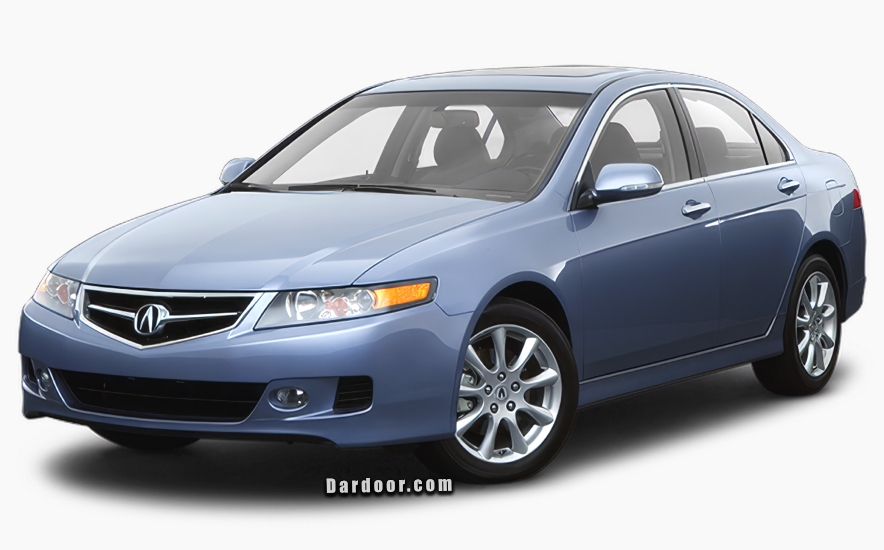
Get the OEM workshop service and repair manual with the wiring diagram for the 2004–2008 Acura TSX (CL9) in a user-friendly PDF format
2004-2008 Acura TSX Repair Manual
$16.90
✅ 2004–2008 Acura TSX Repair Manual (CL9) – OEM Workshop PDF
Chassis Code: CL9
Generation: First Gen (2004–2008)
Format: PDF | Instant Download | Includes Wiring Diagrams
Gain full access to the official OEM workshop service and repair manual for the 2004–2008 Acura TSX (CL9). This is the exact same manual used by Acura dealership technicians to diagnose, service, and repair your vehicle — now available in a user-friendly PDF format for home mechanics and professionals alike.
| Files Format | |
| Files Language | ENGLISH |
| You’ll Get | 266.7 MB |
| Wiring Diagram | Included |
| Delivery Method | Instant Download |
🔧 Contents Include:
-
- ✅ OEM Factory Service Procedures
- ✅ Engine & Transmission Overhaul
- ✅ Wiring Diagrams & Electrical Troubleshooting
- ✅ Suspension, Steering, Brakes, HVAC & More
- ✅ Step-by-Step Instructions with Technical Illustrations
⚙️ Vehicle Coverage:
-
- Make: Acura
- Model: TSX
- Years: 2004, 2005, 2006, 2007, 2008
- Engine: 2.4L DOHC i-VTEC (K24A2)
💡 Why This Manual?
✔ Genuine OEM Content — Direct from Acura service documentation
✔ Covers All Repairs — From basic maintenance to complex diagnostics
✔ Designed for DIYers & Technicians — Clear, structured, and accessible
✔ Offline Access — One-time download, yours to keep forever
📦 Delivery: Instant download after secure checkout
📱 Compatibility: PDF document works on PC, Mac, Tablet, or Smartphone
🛠️ Maintain your TSX like a pro — download the same manual trusted by Acura dealerships today.
This manual includes the procedures for maintenance, disassembling, reassembling, inspection, and adjustment of components and diagnostics for the guidance of experienced mechanics. Please use this manual to ensure complete repair work to keep your vehicle in optimum condition. When replacement parts during repair work are needed, be sure to use Honda OEM genuine parts.
CONTENTS: 2004-2008 Acura TSX Repair Manual CL9
- Accessories and Equipment
- Brake System
- Driveline and Axles
- Electrical
- Engine Mechanical
- Engine Performance
- HVAC System
- Restraints
- Specification Index
- Steering System
- Suspension System
- Transmission System
CAUTION: This manual is intended for use by individuals with specialized training and proper certification. Attempting repairs or maintenance using only this manual—without the necessary skills, tools, or equipment—may result in serious injury to yourself or others and may also cause significant damage to the vehicle. To ensure safety and prevent vehicle damage, always follow the instructions carefully and use appropriate tools and procedures.
2004–2008 Acura TSX (CL9) Comprehensive Guide
Overview
The 2004–2008 Acura TSX was Acura’s entry-level sport sedan, essentially a North American version of the European Honda Accord (CL9). It offered a premium driving experience with Honda reliability at an accessible price point.
Key Characteristics:
- Sporty, driver-focused sedan positioned below the TL
- European Honda Accord platform with North American refinements
- Known for excellent handling, smooth powertrains, and high build quality
- Popular among enthusiasts for its engaging driving dynamics
- Strong reliability reputation with typical Honda longevity
Technical Specifications
Engine:
- Type: K24A2 2.4L inline-4 DOHC i-VTEC
- Displacement: 2,354 cc
- Power: 200 hp @ 6,800 rpm (2004-2005), 205 hp @ 6,800 rpm (2006-2008)
- Torque: 166 lb-ft @ 4,500 rpm (2004-2005), 164 lb-ft @ 4,500 rpm (2006-2008)
- Compression Ratio: 10.5:1
- Redline: 7,000 rpm
Transmission:
- 6-speed manual (standard on base, optional on Navigation)
- 5-speed automatic with paddle shifters (optional/standard depending on trim)
Drivetrain:
- Front-wheel drive (FWD)
Suspension:
- Front: Double wishbone independent
- Rear: Multi-link independent
- Stabilizer bars front and rear
Brakes:
- Front: 11.1″ ventilated discs
- Rear: 10.2″ solid discs
- 4-wheel anti-lock (ABS) with Electronic Brake Distribution (EBD)
Dimensions:
- Wheelbase: 105.1 inches
- Length: 183.2 inches
- Width: 69.3 inches
- Height: 57.3 inches
- Curb Weight: 3,230-3,350 lbs
- Trunk Capacity: 13.2 cubic feet
Performance:
- 0-60 mph: 6.7-7.2 seconds
- Quarter Mile: ~15.3 seconds
- Top Speed: ~140 mph (electronically limited)
- Fuel Economy (EPA): 21-22 city / 29-31 highway mpg
Wheels & Tires:
- 17″ aluminum alloy wheels (standard)
- 215/50R17 tires
Fuel:
- Premium unleaded (91 octane recommended)
- Fuel tank: 17.1 gallons
Top 10 Mechanical & Electrical Issues
1. Premature Brake Wear / Warped Rotors
Symptoms:
- Pulsating brake pedal during braking
- Steering wheel vibration when braking
- Squealing or grinding noises
- Reduced braking effectiveness
Root Cause:
- Factory brake rotors prone to warping from heat
- Aggressive brake pad material causes uneven wear
- Design issue with rotor thickness and heat dissipation
Fix:
- Replace rotors with higher-quality aftermarket units
- Install premium brake pads
- Resurface rotors if warping is minimal (temporary fix)
Cost: $300-$600 (parts and labor for front and rear)
2. Starter Motor Failure
Symptoms:
- Clicking sound when turning the key
- Engine won’t crank or slow cranking
- Intermittent starting issues, especially when hot
- Dashboard lights work but no engine turnover
Root Cause:
- Starter motor brushes wear out prematurely
- Heat soak from engine compartment accelerates failure
- Poor electrical connections at starter terminals
Fix:
- Replace starter motor assembly
- Clean and tighten battery and ground connections
- Test battery and alternator to rule out charging issues
Cost: $350-$650 (OEM starter: $250-$400 + labor)
3. Power Steering Pump Whine / Failure
Symptoms:
- Whining or groaning noise when turning wheel
- Difficulty steering, especially at low speeds
- Fluctuating steering effort
- Fluid leaks under vehicle (front driver’s side)
Root Cause:
- Power steering pump seal deterioration
- Contaminated or low power steering fluid
- Worn pump bearings
- Age-related component degradation
Fix:
- Replace power steering pump
- Flush and refill power steering system
- Inspect hoses and rack for leaks
- Use Honda genuine power steering fluid
Cost: $400-$750 (pump: $200-$350 + labor + fluid)
4. Transmission Issues (Automatic)
Symptoms:
- Harsh or delayed shifting (especially 2nd to 3rd gear)
- Shuddering during acceleration
- Transmission slipping
- Check Engine Light with transmission codes (P0730, P0740, P0780)
Root Cause:
- Torque converter lockup clutch wear
- Transmission fluid degradation
- Valve body issues
- Software calibration problems (early models)
Fix:
- Change transmission fluid with Honda DW-1 ATF (every 30k miles)
- Update transmission software/ECU calibration
- Replace torque converter if shuddering persists
- In severe cases: transmission rebuild/replacement
Cost: $150-$250 (fluid change), $800-$1,500 (torque converter), $2,500-$4,000 (rebuild)
5. Engine Mounts Deterioration
Symptoms:
- Excessive engine vibration at idle (especially in Drive)
- Clunking sounds during acceleration/deceleration
- Increased cabin vibration
- Visible engine movement in engine bay
Root Cause:
- Hydraulic engine mount fluid leaks
- Rubber mount degradation from age and heat
- Front and rear mounts most commonly affected
Fix:
- Replace worn engine mounts (typically front and rear)
- Use OEM or high-quality aftermarket mounts
- All three mounts often replaced together for balance
Cost: $400-$800 (per mount: $100-$200 + labor)
6. Front Lower Control Arm Bushings
Symptoms:
- Clunking noise over bumps
- Wandering or unstable steering
- Uneven tire wear
- Poor alignment retention
Root Cause:
- Control arm bushings crack and tear with age
- Road salt and environmental exposure accelerate wear
- Common wear item on higher-mileage vehicles (80k+ miles)
Fix:
- Replace lower control arms (bushings typically not serviceable separately)
- Perform four-wheel alignment after replacement
- Inspect ball joints and tie rod ends simultaneously
Cost: $400-$700 (both sides with alignment)
7. Fuel Pump Failure
Symptoms:
- Engine cranks but won’t start
- Sputtering or hesitation during acceleration
- Loss of power at highway speeds
- Whining noise from fuel tank area
- Stalling, especially when fuel tank is low
Root Cause:
- Fuel pump motor wear from age and mileage
- Contaminated fuel or running tank too low repeatedly
- Electrical connector corrosion
- More common after 100k+ miles
Fix:
- Replace fuel pump assembly
- Clean fuel tank if contaminated
- Replace fuel filter (integrated with pump)
Cost: $500-$900 (pump assembly: $250-$450 + labor)
8. Alternator Failure
Symptoms:
- Battery warning light illuminated
- Dimming headlights or interior lights
- Electrical accessories malfunctioning
- Battery repeatedly dying
- Whining or grinding noise from alternator area
Root Cause:
- Worn alternator bearings
- Voltage regulator failure
- Diode failure within alternator
- Bearing degradation from age (typically 100k+ miles)
Fix:
- Replace alternator
- Test battery and charging system
- Inspect serpentine belt and tensioner
Cost: $400-$700 (alternator: $200-$350 + labor)
9. Oxygen Sensor Failures
Symptoms:
- Check Engine Light (P0420, P0131, P0137, P0141)
- Decreased fuel economy
- Rough idle or hesitation
- Failed emissions test
- Strong fuel smell from exhaust
Root Cause:
- Normal sensor degradation over time
- Contamination from oil consumption or coolant leaks
- Primary (upstream) and secondary (downstream) sensors both prone to failure
- Typically need replacement around 100k-120k miles
Fix:
- Replace faulty oxygen sensor(s)
- Use OEM Denso sensors for best performance
- Clear diagnostic codes and monitor
Cost: $150-$250 per sensor (sensor: $80-$150 + labor)
10. AC Compressor Clutch Failure
Symptoms:
- AC not blowing cold air
- Clicking or squealing noise from engine bay when AC engaged
- AC works intermittently
- Compressor clutch not engaging
Root Cause:
- Clutch coil failure
- Worn clutch bearing
- Electrical connector issues
- Refrigerant leaks causing system pressure loss
Fix:
- Replace AC compressor clutch assembly or entire compressor
- Recharge AC system with proper refrigerant (R134a)
- Check for refrigerant leaks
- Inspect AC pressure switches
Cost: $500-$1,200 (clutch repair: $300-$500, full compressor: $600-$900 + refrigerant + labor)
Top 5 Competitors (2004-2008)
1. BMW 3 Series (E46/E90)
- Advantages: Rear-wheel drive, more powerful engines, premium badge prestige
- Disadvantages: Much higher maintenance costs, less reliable, expensive parts
- Price: Higher MSRP and ownership costs
2. Audi A4 (B6/B7)
- Advantages: Quattro AWD available, upscale interior, German engineering
- Disadvantages: High maintenance costs, complex systems, timing belt issues
- Price: Comparable new, much higher maintenance
3. Infiniti G35 Sedan
- Advantages: V6 power (260-306 hp), RWD/AWD, sportier performance
- Disadvantages: Lower fuel economy, smaller trunk, higher insurance costs
- Price: Similar MSRP, higher fuel costs
4. Volkswagen Jetta GLI / Passat
- Advantages: Turbocharged engines, European handling, refined ride
- Disadvantages: Reliability concerns, higher maintenance, DSG transmission issues
- Price: Comparable, but higher long-term costs
5. Mazda6
- Advantages: Similar sporty handling, lower price, available V6
- Disadvantages: Less premium interior, lower resale value, not as refined
- Price: Lower MSRP and ownership costs
TSX Advantage: The TSX offered the best balance of performance, reliability, low ownership costs, and premium feel among competitors in this segment.
Top 10 Recalls, Advisories & TSB Highlights
Recalls
1. Airbag Inflator Recall (Takata) – NHTSA 14V-353, 15V-320, and others
- Issue: Takata airbag inflators can rupture, sending metal fragments into cabin
- Affected: All 2004-2008 TSX models
- Fix: Replace driver and passenger airbag inflators (FREE repair at dealer)
- Status: Ongoing – CHECK YOUR VIN at recalls.acura.com
2. Power Steering Hose Recall – NHTSA 10V-017
- Issue: Power steering hose can deteriorate and leak fluid onto hot exhaust, fire risk
- Affected: 2004-2005 TSX
- Fix: Replace power steering hose (FREE)
3. Vehicle Stability Assist (VSA) Modulator Recall – NHTSA 11V-136
- Issue: VSA modulator can fail, causing loss of ABS and VSA function
- Affected: 2004-2005 TSX
- Fix: Replace VSA modulator (FREE)
Technical Service Bulletins (TSBs)
4. TSB 04-001: Engine Noise on Cold Start
- Issue: Valve train noise for first few seconds after cold start
- Cause: VTC actuator operation
- Fix: Normal operation, no repair needed unless excessive
5. TSB 05-039: Transmission Shift Quality
- Issue: Harsh 2nd-3rd gear shifts on automatic transmission
- Fix: ECU/PCM software update to improve shift calibration
6. TSB 06-012: Brake Judder
- Issue: Steering wheel vibration during braking
- Fix: Resurface or replace brake rotors, specific pad material recommended
7. TSB 07-032: Headliner Sagging
- Issue: Headliner fabric separating from backing, especially around sunroof
- Fix: Replace headliner or re-glue affected areas
8. TSB 08-021: Navigation System Issues
- Issue: Navigation system freezing or slow response
- Fix: Software update for navigation unit
9. TSB 05-018: Wind Noise from Doors
- Issue: Wind noise from door seals at highway speeds
- Fix: Adjust door strikers, replace weatherstripping if necessary
10. TSB 06-024: Bluetooth Connectivity Issues
- Issue: HandsFreeLink not pairing with certain phones
- Fix: System software update, compatibility improvements
Note: Always check with your Acura dealer using your VIN to see if any open recalls or TSBs apply to your specific vehicle.
Maintenance Schedule
Every Oil Change (or 5,000-7,500 miles)
- Engine oil and filter change (0W-20 synthetic recommended)
- Inspect brake pads and rotors
- Check tire pressure and condition
- Inspect suspension components
- Check all fluid levels
Every 15,000 Miles
- Rotate tires
- Inspect drive belt
- Check exhaust system
Every 30,000 Miles
- Replace engine air filter
- Replace cabin air filter
- Inspect brake fluid (replace every 3 years regardless of mileage)
- Transmission fluid change (automatic – use Honda DW-1 ATF only)
- Manual transmission fluid change (MTF or Honda genuine)
Every 60,000 Miles
- Replace spark plugs (iridium)
- Inspect valve clearance (adjust if necessary)
- Replace timing chain tensioner (inspect chain for wear)
- Inspect water pump
- Inspect cooling system hoses
- Flush and replace coolant (Honda Type 2 coolant)
Every 90,000 Miles
- Replace drive belt
- Replace fuel filter (integrated with pump)
- Inspect all suspension bushings
- Inspect steering system
As Needed
- Brake pads/rotors: Every 30k-50k miles (vary by driving)
- Battery: Every 4-6 years
- Tires: Every 40k-60k miles
- Wiper blades: Annually
- Coolant: Every 5 years or 60k miles
- Power steering fluid: Check annually, replace if contaminated
Critical Maintenance Notes
- Use Honda/Acura genuine fluids – especially transmission fluid (DW-1), power steering fluid, and coolant
- Premium fuel recommended – Regular unleaded acceptable but reduces performance
- Timing chain (not belt) – No replacement interval, but tensioner should be inspected at 60k
10 FAQs for Buyers
1. Is the TSX reliable? How does it compare to other luxury brands?
Yes, extremely reliable. The TSX shares Honda’s legendary reliability reputation. It’s significantly more reliable than German competitors (BMW, Audi, VW) and comparable to Lexus. Expect 200k+ miles with proper maintenance. Common issues are mostly wear items rather than catastrophic failures.
2. What’s the real-world fuel economy?
Expect 22-24 mpg city and 29-32 mpg highway with mixed driving averaging 25-27 mpg. Manual transmission models tend to achieve slightly better highway fuel economy. Premium fuel is recommended but not required.
3. Manual vs. Automatic – which should I buy?
Manual: More engaging, slightly better fuel economy, more reliable long-term, preferred by enthusiasts. Automatic:Smooth 5-speed with paddle shifters, good around town, more practical for daily use. The automatic is generally reliable if fluid is changed regularly (every 30k miles).
4. What mileage is too high for a used TSX?
With proper maintenance, TSX models routinely exceed 200k miles. A well-maintained example with 100k-150k miles is still a good buy if service records are available. Key is maintenance history, not just mileage. Avoid examples with neglected maintenance or accident history.
5. What are the major differences between 2004-2005 and 2006-2008?
- 2006+ gained 5 hp (205 hp vs. 200 hp)
- 2006+ received styling refresh (new front/rear bumpers, headlights, taillights)
- 2007+ added USB audio input
- 2006-2008 have slightly improved interior materials
- All years are mechanically similar with K24A2 engine
6. Do I need to use premium fuel?
Premium (91 octane) is recommended for optimal performance. The engine will run on regular (87 octane) but with slightly reduced power and fuel economy. Most owners report better performance and efficiency with premium, making the cost difference negligible.
7. Are parts expensive?
Parts are moderately priced – more than Honda Civic/Accord but much cheaper than BMW/Audi. Many parts interchange with Honda Accord Euro (CL9), TSX, and even some Accord parts. Aftermarket support is excellent. Routine maintenance parts (brakes, filters, fluids) are affordable.
8. What should I look for when inspecting a used TSX?
- Service records (especially transmission fluid changes)
- Check for Takata airbag recall completion (critical safety issue)
- Oil consumption test (warm engine, check dipstick)
- Test drive for transmission shifting quality
- Inspect for engine mount vibration at idle (in Drive)
- Check for power steering whine
- Brake rotor condition (common wear item)
- Undercarriage rust (especially in salt-belt states)
- Suspension clunks over bumps
- Navigation system functionality (expensive to repair)
9. Is the Navigation system worth it?
The navigation system is dated by modern standards (DVD-based, slow, outdated maps). However, Navigation trim includes premium audio, Bluetooth, and other features. Many buyers prefer the base trim and use smartphone navigation. Navigation units are expensive to replace if they fail.
10. How does the TSX drive compared to competitors?
The TSX is praised for excellent steering feel, balanced handling, and driver engagement. It’s sportier than an Accord but more refined than a Civic Si. Handling is more nimble than German competitors of similar size. The K24 engine is smooth and loves to rev. Ride quality is firm but compliant. Overall, it offers an engaging driving experience without sacrificing daily usability.
Final Buyer Recommendations
✅ BUY IF:
- You want a reliable, fun-to-drive sport sedan with low ownership costs
- You value Honda reliability with premium features
- You prefer naturally aspirated engines with high-revving character
- You want a manual transmission (excellent shifter feel)
- You appreciate understated styling without flashy luxury branding
- You’re looking for a daily driver with enthusiast appeal
- You plan to keep the car long-term (200k+ mile potential)
- You want low depreciation (values are stabilizing)
⚠️ PROCEED WITH CAUTION IF:
- No service records available – transmission fluid changes are critical
- High mileage with deferred maintenance – can lead to expensive repairs
- Rust in salt-belt states – inspect undercarriage thoroughly
- Navigation system issues – expensive to repair/replace
- Accident history – affects resale and structural integrity
- Modifications – poorly done mods can cause reliability issues
- Outstanding recalls – especially Takata airbag recall
❌ AVOID IF:
- You need rear-seat space (competitors offer more room)
- You want luxury features (dated infotainment, no modern safety tech)
- You require AWD (FWD only)
- You need V6 power (4-cylinder only)
- You expect German luxury refinement (it’s sporty, not plush)
- You can’t use premium fuel (recommended for best performance)
Best Model Year to Buy:
2006-2008 are the sweet spot – refreshed styling, 5 additional hp, improved interior materials, and most reliability issues worked out. 2007-2008 add USB audio connectivity.
Ideal Spec:
- 6-speed manual (for enthusiasts) or 5-speed automatic (for daily comfort)
- Non-Navigation trim (unless you specifically want the premium audio)
- Well-maintained with complete service records
- 100k-150k miles (sweet spot for value vs. remaining life)
- Clean title, no accidents
- Southern/rust-free state vehicle preferred
Price Expectations (2024 Market):
- Good condition, 100k-150k miles: $6,000-$10,000
- Excellent condition, under 100k miles: $10,000-$14,000
- Low mileage, pristine examples: $15,000+
- Manual transmissions command $500-$1,500 premium
Long-Term Ownership Costs:
- Annual maintenance: $800-$1,200 (routine maintenance)
- Major services: $1,500-$2,500 every 60k miles (timing chain inspection, coolant, major service)
- Insurance: Moderate (less than luxury competitors)
- Fuel costs: Premium recommended (~15% more than regular)
The Bottom Line
The 2004-2008 Acura TSX represents one of the best values in the used sport sedan market. It combines Honda’s legendary reliability with Acura’s premium touches and engaging driving dynamics. The K24 engine is bulletproof when maintained, the handling is excellent, and ownership costs are reasonable.
Key to success: Buy a well-maintained example with service records, stay on top of routine maintenance (especially transmission fluid), and address known issues proactively. Do this, and you’ll have a rewarding, reliable sport sedan that can easily surpass 200,000 miles while remaining enjoyable to drive every day.
The TSX is particularly appealing for enthusiasts seeking a practical daily driver with manual transmission availability, strong aftermarket support, and the ability to handle both commuting duties and spirited weekend drives with equal competence.
| Brands | |
|---|---|
| File Format | |
| File Language | English |
| File Size | 266.7 MB |
| Instant Download | YES |
Related products
-
2006-2009 Acura MDX Repair Manual
$16.90 Add to cart -
2002-2006 Acura RSX Repair Manual
$16.90 Add to cart -

2019-2022 Acura RDX Repair Manual
$36.00 Add to cart -
2009-2010 Acura TSX Repair Manual
$16.90 Add to cart -

2009-2010 Acura RL Repair Manual
$16.90 Add to cart -

2007 Acura RDX Repair Manual
$16.90 Add to cart -
2005-2008 Acura RL Repair Manual
$19.90 Add to cart -
2012-2014 Acura TL Repair Manual
$19.90 Add to cart