Fuel Injector Cleaning & Maintenance: Everything DIY Drivers Need to Know

Fuel Injector Cleaning & Maintenance: Everything DIY Drivers Need to Know ⛽
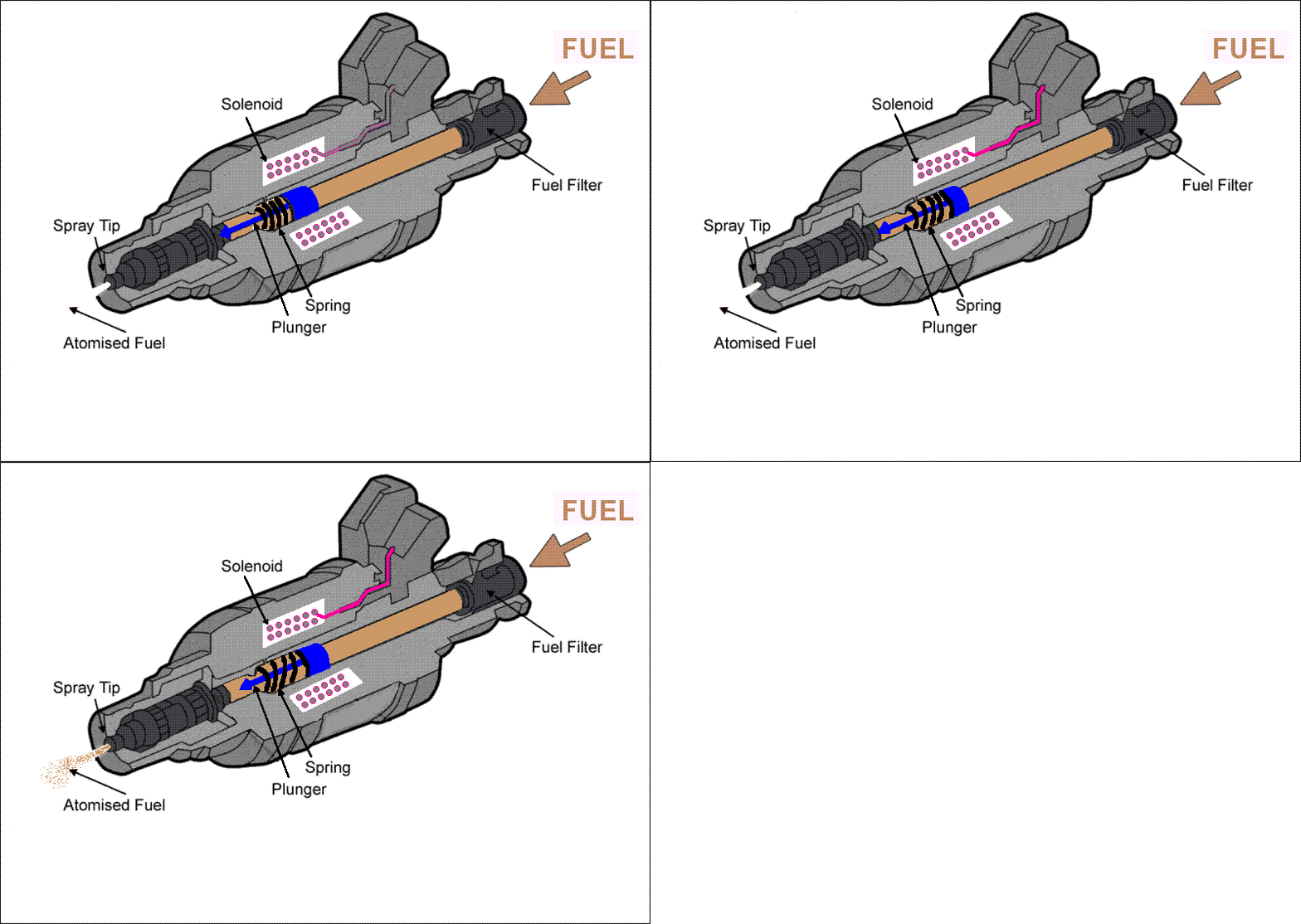
1. Symptoms of Dirty or Failing Fuel Injectors
Carbon‑clogged or malfunctioning injectors can result in several noticeable issues:
- Rough idle or misfiring cylinders when the engine is cold or under load.
- Poor acceleration and jerkiness during throttle transitions.
- Poor fuel economy due to incomplete spray atomization.
- Engine hesitation or stumble at low RPM or when cold-starting.
- Increased emissions and possible failed emissions test or CEL (check engine light).
2. Recommended Cleaning Intervals & OEM Guidance
Manufacturers recommend cleaning or servicing fuel injectors under these conditions:
- Every 60,000–100,000 miles under normal driving conditions.
- Earlier if using lower-quality fuel, city driving, or notice performance issues.
- During major fuel system service—oil change, air filter replacement, or when performing throttle body cleaning.
3. Tools & Materials
- Fuel injector cleaning kit (pressure can adapter or ultrasonic cleaner)
- Fuel system cleaner concentrate (OEM-approved)
- Safety glasses, gloves, and proper ventilation
- Fuel rail gauge or pressure gauge
- Socket set, pliers, screwdrivers
- Injector O‑rings and seals (replace upon removal)
- Compressed air and lint‑free cloths
4. Preparation & Safety Steps
- Work in a well-ventilated area away from ignition sources (fuel vapors are flammable).
- Wear safety glasses and gloves throughout.
- Relieve fuel system pressure by removing the appropriate fuse or relay and cranking engine.
- Disconnect battery negative terminal before accessing fuel rail.
- Label injector connectors and hoses for correct reinstallation.
5. Step-by-Step Injector Cleaning Procedures
5.1 On‑Vehicle Pressure Cleaning
- Shut off fuel supply line and disconnect fuel rail from fuel pump.
- Connect cleaning kit between rail and fuel line; pressurize with cleaning solution canister (follow kit instructions).
- Start engine; run at idle until the cleaning fluid is consumed or engine stalls.
- Remove kit and reconnect fuel rail to pump; reapply fuel pressure and test drive.
5.2 Off‑Vehicle Ultrasonic Cleaning (Recommended if injectors removed)
- Remove injectors from rail carefully; inspect and replace O‑rings and seals.
- Submerge injectors in ultrasonic cleaning solution per manufacturer instructions.
- Run cleaning cycle (typically 10–15 minutes).
- Flush injectors with clean solvent and dry with filtered compressed air.
- Reinstall injectors on rail; ensure correct orientation and seal integrity.
5.3 Combining Methods for Best Results
For heavily clogged injectors, perform ultrasonic cleaning first, followed by on‑vehicle pressure cleaning to restore spray pattern and ensure functionality.
6. Diagnostic Testing & Verification
- Injector flow test: Use a graduated cylinder and timed pulse to measure each injector’s flow rate; compare to OEM spec.
- Spray pattern inspection: Look for fine mist—ragged or dribbling spray indicates clogging.
- Fuel pressure test: Use a gauge to ensure the system maintains steady pressure within manufacturer range.
- Scan tool for misfire codes: Verify cylinder-specific misfire DTCs before and after cleaning.
7. Common Troubleshooting Issues
- Leak at injector O‑ring: Retighten rail or replace seals.
- Persistent misfire: Could be wiring or ECU—not injector; perform resistance test.
- Engine stalls during cleaning: Ensure proper grounding or test in short bursts to avoid flooding.
- Check engine light returns: Clean fuel filter, inspect fuel pump and pressure regulator.
8. Preventive Maintenance & Tips
- Add quality fuel injector cleaner to fuel tank every 10,000 miles as preventive care.
- Replace fuel filter at OEM intervals—typically every 30,000–60,000 miles.
- Run engine with a full tank periodically to avoid sediment in the bottom of gas tank reaching injectors.
- Use top-tier fuel and avoid ethanol blends if not recommended by OEM.
- Inspect all fuel hoses, clamps, and connectors for wear or leaks during service.
9. Frequently Asked Questions
Q1: Can I just use fuel inject‑or cleaner additives instead of full cleaning?
Additives help maintain cleanliness but cannot remove heavy carbon buildup—periodic deep cleaning is still advised.
Q2: How long will cleaned injectors last before re-cleaning?
With good fuel quality and regular additives, deep cleaning usually only needed every 60K–100K miles.
Q3: Are aftermarket cleaning kits safe on OEM injectors?
Yes—if they are rated for your system’s pressure and fuel type. Never exceed manufacturer pressure limits mentioned in Dardoor diagrams.
10. Conclusion & OEM Resources
Fuel injector maintenance is a cost-effective way to restore engine performance, reduce emissions, and improve fuel economy. Whether you perform pressure cleaning or ultrasonic cleaning—or both—the key is understanding symptoms, using proper tools, and following OEM guidance for your specific vehicle.