Automotive Headlight Restoration & Maintenance Guide
Step-by-step techniques to restore foggy headlight lenses, improve illumination, and extend headlamp lifespan with easy DIY methods.
1. Why Clear Headlights Matter
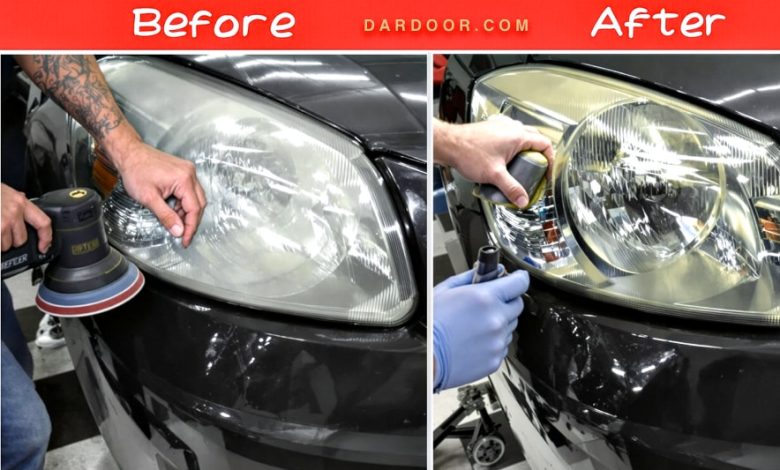
Safe night driving depends on bright, focused headlights. Cloudy or yellowed lenses significantly reduce light output and beam clarity, increasing stopping distance and lowering visibility. Proper restoration restores performance, improves safety, and enhances vehicle appearance.
2. Causes of Headlight Haze & Yellowing
- UV degradation of the outer acrylic layer, causing oxidation.
- Environmental pollutants like road grime, brake dust, and acid rain etching the lens.
- Cleaning abrasion—using harsh chemicals or rough wipes that dull the surface.
- Thermal cycling—expansion and contraction creating micro-cracks.
3. Assessing Headlight Condition
Perform a simple visual and performance check:
- Park car at dusk in front of a wall—observe light beam crispness and spread pattern.
- Note lens opacity—the cloudier the lens, the more aggressive the restoration needed.
- Feel surface with bare fingers—rough or matte texture indicates oxidation.
- Check alignment to ensure poor performance isn’t just misaimed beams.
4. Restoration Methods: DIY vs Professional
- DIY sanding & polishing: Cost-effective; requires sandpaper, polish, tools, and UV sealant.
- One-step kits: Simplest for light haze; convenience vs slower results.
- Professional wet-sanding with power tools: Most effective; use water and polishing pads for optical clarity.
- Headlight lens replacement: When lenses are deeply pitted, cracked, or foam-sealed improperly.
5. Step‑by‑Step DIY Restoration
- Wash headlight thoroughly and tape off surrounding paint.
- Sand surface with 800‑grit wet sandpaper (keep wet), then progress to 1000‑, 2000‑, and 3000‑grit for smooth finish.
- Dry and polish with acrylic polishing compound using soft microfiber or foam pad; work until lens is near crystal-clear.
- Clean residue and prepare for UV sealant (wipe with isopropyl alcohol).
- Apply UV-protective sealant—spray or wipe-on as directed to lock in clarity.
- Allow full cure before driving; recheck at 24‑hour mark for gloss retention.
6. Applying UV Protectant & Sealants
Restoration without UV protection is short-lived. Quality sealants include:
- UV-resistant clear lacquer sprays
- Maintenance waxes with UV filters
- Tech-grade polymers used by detailing professionals
7. Routine Maintenance Tips
- Wash headlights gently during regular car washes; avoid brushes that may dull surface.
- Reapply UV sealant every 6–12 months, especially in high-UV climates.
- Inspect lens condition monthly; light scratches are easier to polish than deep haze.
- Park in shaded areas or use car covers to minimize UV exposure.
8. When to Replace the Headlight Assembly
Consider replacement if:
- Lenses have structural cracks or water ingress.
- Internal reflector or projector surfaces are damaged or corroded.
- Extensive aging has led to loss of structural integrity or sealing.
9. OEM Resources & Dardoor Links
- OEM Headlamp Assembly Diagram
- Headlight Bulb Specs & Replacement Guide
- Headlamp Protective Covers and Accessories
- General Vehicle Repair Guides (includes lighting section)
10. Frequently Asked Questions
Can I just polish old headlights instead of sanding?
Polishing may improve minor hazing temporarily, but for yellowed or deeply oxidized plastic, sanding is necessary for lasting clarity.
How long does restoration last?
With proper UV coating and maintenance, results can last 1–3 years depending on sun exposure and climate.
Are restoration kits safe for all vehicles?
Most kits are safe, but always follow instructions and avoid abrasive pads that may damage aerodynamic lenses or coatings.