Window Motor and Regulator Replacement
Step-by-step guide for diagnosing and replacing faulty window motors and regulators
🔧 Introduction
This comprehensive guide covers everything you need to know about window motor and regulator replacement. From recognizing symptoms of failure and preparing tools, to step-by-step removal, installation, troubleshooting, and preventive maintenance—this article equips you to complete the repair safely and effectively.
🚦 Symptoms of a Failing Window Motor or Regulator
- Window does not respond at all when pressing the switch.
- Window moves slowly or unevenly.
- Clicking, grinding, or popping noises inside the door.
- Window falls down into the door suddenly.
- Glass tilts forward or backward when moving.
- Intermittent operation—works sometimes, fails at other times.
- Burning smell from inside the door (motor overheating).
🧰 Tools and Materials Needed
- Socket set (8mm, 10mm, 12mm common sizes)
- Phillips and flathead screwdrivers
- Plastic trim removal tools
- Needle-nose pliers
- Torx drivers (for specific vehicles)
- Electric drill with rivet bit (if regulator is riveted)
- Rivet gun or bolts for reinstallation
- Replacement motor and/or regulator (OEM recommended)
- Work gloves and safety glasses
- Lubricant spray (white lithium grease)
⚙️ How Motors and Regulators Work Together
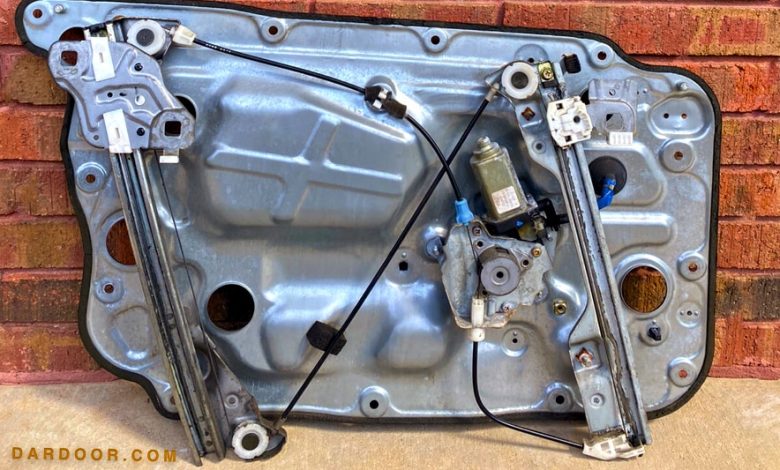
The regulator is a mechanical device that guides the window glass. It can be a scissor-type regulator (with cross arms and gears) or a cable-driven regulator (more common in modern cars). The motor drives the regulator, converting electrical energy into motion. When you press the switch, the polarity reverses, allowing the motor to move the glass up or down.
📋 Step-by-Step Window Motor and Regulator Replacement
1. Preparation
- Disconnect the negative battery cable to prevent electrical shorts.
- Raise the window to the halfway position if possible (makes regulator removal easier).
2. Remove the Door Panel
- Remove screws from armrest, handle, and door edges.
- Use trim tool to pop out retaining clips.
- Lift panel upward to release it from the window channel.
- Disconnect wiring harnesses (switches, lights, speakers).
3. Remove the Vapor Barrier
Peel back the moisture barrier carefully—it must be reinstalled later to prevent water leaks.
4. Disconnect the Window Glass
- Locate bolts or clamps securing the glass to the regulator.
- Loosen or remove them while supporting the glass.
- Secure the glass in the up position with painter’s tape or suction cups.
5. Remove the Motor and Regulator
- Unplug the motor’s electrical connector.
- Remove bolts or drill out rivets securing the regulator to the door.
- Carefully maneuver the regulator and motor assembly out of the access hole.
6. Install the New Motor/Regulator Assembly
- Insert the new assembly through the access hole.
- Align mounting holes and secure with bolts or rivets.
- Reconnect the motor wiring harness.
7. Reattach the Glass
- Lower the glass into the new regulator clamps.
- Tighten bolts evenly to avoid stressing the glass.
8. Reassemble the Door
- Reinstall vapor barrier, ensuring proper sealing.
- Reconnect all electrical connectors.
- Reattach the door panel, clips, and screws.
- Reconnect the battery.
9. Test the Window
Cycle the window up and down several times to confirm smooth operation.
⚠️ Troubleshooting Common Issues
| Problem | Cause | Repair |
|---|---|---|
| Window won’t move after replacement | Motor connector not plugged in or fuse blown | Reconnect harness, check fuse |
| Window tilts when moving | Glass not seated correctly in regulator | Re-seat glass and tighten clamps |
| Noise when operating window | Loose bolts or dry tracks | Tighten bolts, lubricate tracks |
| Window moves slowly | Lack of lubrication or weak motor | Lubricate regulator, replace motor if necessary |
💲 Cost of Window Motor and Regulator Replacement
The cost varies depending on the vehicle:
- DIY parts: $75–$300 for motor/regulator assemblies.
- Professional labor: 1.5–3 hours, $120–$400.
- Total professional repair: $200–$700.
❓ Frequently Asked Questions
Q: Should I replace the motor and regulator together?
A: Yes, many vehicles sell them as a combined assembly. Even if separate, replacing both saves time and avoids future failures.
Q: Can I repair the regulator instead of replacing it?
A: Some cable regulators can be restrung, but replacement is more reliable and time-efficient.
Q: Do I need to grease the new regulator?
A: Yes, apply white lithium grease to tracks and pivot points for long life.
Q: How long should a window motor last?
A: Typically 8–12 years, depending on usage and climate.
🛡️ Maintenance & Prevention Tips
- Operate windows periodically to keep regulators lubricated.
- Clean and lubricate window tracks yearly.
- Avoid forcing the switch when the window is frozen (can burn out the motor).
- Replace worn weatherstrips to reduce drag on the glass.
- Use silicone spray on rubber channels for smoother operation.
✅ Conclusion
The window motor and regulator are vital components of your vehicle’s power window system. When they fail, it can be frustrating and inconvenient, but with the right tools and guidance, replacement is a manageable task for most DIYers. By following the detailed steps in this guide, you’ll be able to remove, replace, and reassemble your window system with confidence. Regular lubrication and preventive maintenance will extend the life of your new motor and regulator, ensuring smooth window operation for years to come.