How to Remove a Door Panel? – Complete Repair Guide
Step-by-step instructions for safe and efficient door panel removal
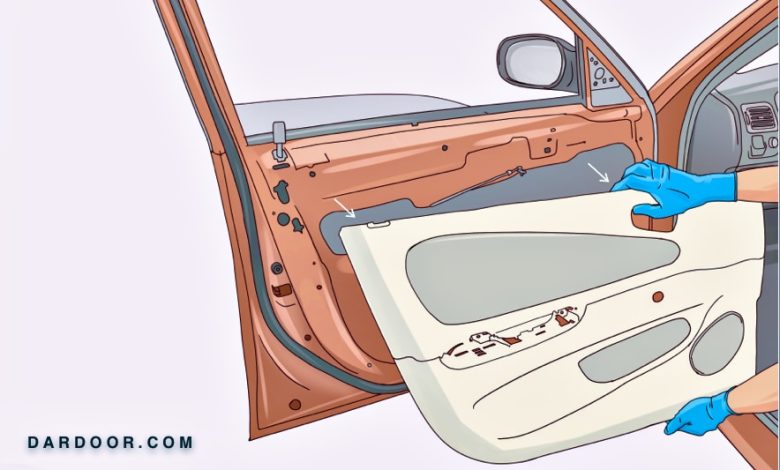
While it may look simple, modern vehicles use a combination of screws, bolts, hidden clips, and electrical connectors that can make the process challenging. Rushing can result in broken clips, damaged wiring, or scratched trim. This detailed 3,000-word guide will walk you through everything you need to know to remove a door panel safely on most cars, trucks, and SUVs.
🚦 When Do You Need to Remove a Door Panel?
- Power window failure (motor or regulator replacement).
- Side mirror replacement or repair.
- Door lock actuator malfunction.
- Interior or exterior door handle repair.
- Speaker replacement or upgrade.
- Repairing wiring harness issues inside the door.
- Fixing rattling noises caused by loose clips or parts.
- Accessing the vapor barrier or water shield for leak repairs.
🧰 Tools and Materials Needed
Having the right tools is essential for avoiding damage to trim and clips:
- Trim removal tool set (plastic prying tools preferred).
- Phillips and flathead screwdrivers.
- Socket set (commonly 7mm, 8mm, 10mm).
- Torx bit set (used in many European and Japanese vehicles).
- Panel clip pliers (for stubborn clips).
- Needle-nose pliers (for cables and connectors).
- Magnetic pickup tool (to retrieve dropped screws).
- Work gloves and safety glasses.
- Painter’s tape (to protect painted surfaces).
- Shop rags and small containers (for organizing screws and clips).
🛡️ Preparation Before Starting
Before you begin, follow these safety steps:
- Park safely: Place the vehicle on level ground and engage the parking brake.
- Disconnect the battery: Always disconnect the negative terminal to avoid accidental airbag deployment or short circuits when working near wiring.
- Protect the area: Use painter’s tape on edges around the door handle, armrest, and painted surfaces.
- Organize your workspace: Keep screws and clips in small trays to avoid confusion during reassembly.
📋 Step-by-Step Door Panel Removal Process
Follow these steps carefully to ensure a safe and efficient removal:
- Locate screws and fasteners: Common locations include the armrest, near the door handle, inside the pull pocket, and along the bottom edge of the door. Some are hidden behind plastic caps—use a trim tool to pop them off.
- Remove control switches: If the door has power windows or locks, pry up the switch assembly with a trim tool and disconnect the wiring harness.
- Detach the door handle trim: Many vehicles have a small cover behind the interior handle hiding a screw.
- Remove the speaker cover or tweeter trim (if equipped): Some panels require this step to release hidden fasteners.
- Release panel clips: Insert a plastic trim tool at the bottom edge and work around the perimeter, gently popping each clip. Expect to hear some popping sounds.
- Lift the panel upward: Once clips are free, lift the panel to release it from the window channel.
- Disconnect cables: Unhook Bowden cables for the interior handle and lock mechanism.
- Disconnect electrical connectors: Such as speaker wires, puddle lights, or courtesy lamps.
- Remove the vapor barrier (if necessary): Peel it carefully without tearing. It must be reused to prevent water leaks.
⚠️ Common Mistakes to Avoid
- Forcing clips: Pulling too hard may break them. Always pry close to the clip location.
- Skipping hidden screws: Check under caps and inside armrests before forcing the panel.
- Using metal screwdrivers on trim: This causes scratches—use plastic tools.
- Forgetting to disconnect the battery: Can cause short circuits or accidental airbag warning lights.
- Discarding the vapor barrier: Skipping reinstallation can lead to water leaks inside the cabin.
🔍 Troubleshooting After Removing the Panel
| Problem | Cause | Repair |
|---|---|---|
| Window won’t operate | Faulty motor, regulator, or switch | Replace motor/regulator, test switch with a multimeter |
| Door won’t unlock | Broken actuator or disconnected linkage | Replace actuator or reconnect linkage |
| Speakers not working | Blown speaker or wiring issue | Replace speaker or repair wiring |
| Rattling noises | Loose clips or missing screws | Replace clips and secure fasteners |
🔄 Reinstalling the Door Panel
- Reconnect all electrical connectors and Bowden cables.
- Ensure the vapor barrier is properly sealed.
- Align the panel with the window channel and push downward.
- Press clips back into place around the perimeter.
- Reinstall screws and trim covers.
- Reconnect the battery and test windows, locks, and mirrors before finishing.
❓ Frequently Asked Questions
Q: Can I reuse door panel clips?
A: Yes, but if they’re bent, broken, or loose, replace them for a secure fit.
Q: Do I need to remove the side mirror first?
A: Not always, but some vehicles require it to access hidden bolts.
Q: How long does it take?
A: Most cars: 20–45 minutes. Luxury cars: up to 1 hour due to more fasteners.
Q: Is this a DIY-friendly job?
A: Yes, with patience and proper tools. First-timers should take photos during disassembly for reference.
🛡️ Maintenance & Prevention Tips
- Use silicone spray on window tracks to reduce strain on regulators.
- Inspect wiring harnesses inside the door for wear during panel removal.
- Keep extra panel clips on hand—they are cheap and commonly break.
- Clean and lubricate door lock linkages to prevent future failures.
- Check sound-deadening mats or add new ones for better cabin quietness.
✅ Conclusion
Removing a door panel is a fundamental repair skill that opens access to many critical components inside your car’s doors. With the right tools, careful preparation, and patience, this task can be completed without damaging trim or electrical parts. Whether you are fixing a power window, replacing a lock actuator, or upgrading speakers, following this guide ensures a smooth, professional-quality result. Take your time, keep track of clips and screws, and enjoy the confidence of handling this essential DIY repair.