Complete Transmission Service & Repair
Diagnosis, Fluid Care, Valve Body, and Rebuild Best Practices
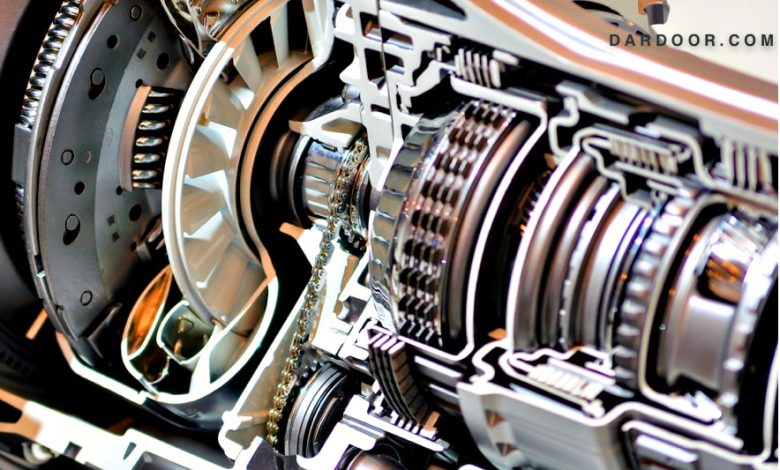
A full, technician-focused manual covering automatic, CVT, and dual-clutch transmissions — from fluid checks and pressure tests to valve body diagnosis, solenoid failures, torque converters, and complete rebuild strategies.
1. Introduction & Why Proper Transmission Service Matters
Transmissions are among the most complex and expensive components in modern vehicles. Proper diagnosis and service can save thousands of dollars by avoiding unnecessary component replacement or premature rebuilds. A methodical approach—starting with fluids, moving through electrical/pressure testing, and ending with teardown only when necessary—reduces diagnostic time and leads to reliable outcomes.
This guide is written for technicians and experienced DIYers. It emphasizes data-driven tests (pressure, temperature, DTCs and waveform reads), OEM procedures, and practical shop tips that reduce rework. Wherever possible, use model-specific service information and the correct fluid/filters listed in part catalogs like those at Dardoor Transmission Parts.
2. Transmission Types — Automatic, CVT, and Dual-Clutch Explained
Conventional hydraulic automatic (planetary gearsets)
Most traditional automatics use planetary gearsets, a torque converter, clutch packs or bands, and a hydraulic valve body to control gear engagement. They use pressurized transmission fluid for lubrication, cooling and actuation.
Continuously Variable Transmission (CVT)
CVTs use belt/pulley systems (or chain/pulley) or toroidal designs to provide infinitesimal gear ratios. They rely on precise hydraulic control and often on specialized CVT fluids with friction modifiers to avoid belt slip.
Dual-Clutch Transmission (DCT) or DSG
DCTs use two independent clutches for odd and even gears, controlled electromechanically or hydraulically. They behave like manual transmissions with automated shifting and often require precise clutch adaptation and mechatronic diagnostics.
Each type demands specific fluids, diagnostic approaches, and repair strategies. CVT and DCT systems are particularly sensitive to fluid chemistry and contamination.
3. Core Components & How They Work
- Torque converter: fluid coupling and stall device between engine and transmission.
- Planetary gearset: provides fixed gear ratios via sun/planet/ring gears.
- Clutch packs and bands: engage elements of the gearset to change ratios.
- Valve body: hydraulic control center that routes pressurized fluid to apply clutches via valves and solenoids.
- Pump: usually a gear or vane pump providing line pressure driven by the torque converter or engine.
- Solenoids & sensors: electronic actuators and pressure/temperature sensors controlled by TCM/ECU.
- Mechatronic module (in modern units): integrates hydraulic valves with electro-actuators and electronic control.
- Oil cooler & lines: keep fluid temperature in a safe operating window.
Understanding the relationship between hydraulic pressure, solenoid commands, and clutch application is central to diagnosing shift complaints.
4. Symptoms & Initial Road-Test Procedures
Before assuming internal failure, perform a structured road test and record precise symptoms — speed, RPM, gear, throttle position, temperature, and whether DTCs are present.
Common symptoms and what they often mean
- Harsh shifts (clunking or banging) — delayed clutch apply, burnt friction surfaces, or rapid pressure decay.
- Slipping (engine revs up without proportional acceleration) — worn clutches or low line pressure.
- Flare on upshift/downshift — torque converter stall issues or solenoid timing problems.
- Delayed engagement from Park or Neutral — low pump pressure, faulty pressure control valve, or fluid starvation.
- Overheating fluid (high temp codes) — cooler blockage or external conditions; heat causes accelerated wear.
- Shudder during low-speed acceleration — torque converter clutch (TCC) shudder, often friction material or control issues.
- Neutral at speed or limp-home mode — mechatronic failure, major internal damage, or severe electrical fault.
Structured road-test checklist
- Record ambient temperature, fluid temperature (if accessible) and initial DTCs.
- Note exact rpm/gear points where issue appears; test under varying loads (light throttle vs full throttle, uphill vs flat).
- Perform parking-lot engagement test — engine running, select Drive/Reverse/Neutral/Park; measure delay and note any slipping or harshness.
- With technician-safe procedures, log TCM commands and sensor readings with OEM scan tool during a drive to correlate commands to pressures and events.
5. Transmission Fluids: Types, Selection & Contamination Signs
Fluid is the lifeblood of a transmission: it lubricates, cools, transmits hydraulic pressure, and provides clutch friction characteristics. Choosing the correct fluid and recognizing contamination are fundamental.
Fluid types & chemistry
- DEXRON/MERCON families (ATF): historically common; multiple generations (II/III/IV/VI) are NOT cross-compatible and require exact match.
- Fully synthetic ATFs: extended-life and high-temperature stability — follow OEM spec.
- CVT fluids: specialized with friction modifiers and shear stability for belt/chain systems — do not use ATF.
- DCT fluids: clutch-specific lubricants and gear oils used in dual-clutch gearbox — follow OEM precisely.
Signs of contamination & wear visible in fluid
- Burnt smell: overheated fluid and burnt friction material; suggests internal slipping.
- Dark color or metallic sheen: metal contamination from wear — indicates impending failure.
- Water or coolant contamination: milky fluid or foaming — critical; investigate head gasket or transmission cooler leak.
- Excessive particulate on pan magnets: clutch plate wear or bushing/gear breakage — quantify using lab tests if needed.
Fluid change strategies
Simple pan drain replaces only about 30–50% of fluid depending on design; a full flush or exchange removes more but must be done carefully to avoid dislodging debris into valve body passages. For vehicles with heavy contamination, multiple pan drops followed by fluid exchange are often preferred. Always use OEM-recommended fluid and quantity.
6. Pre-service Inspection & Safety
Before any invasive work, perform these checks and ensure safety protocols:
- Secure vehicle on lift or supports; ensure parking brake and wheel chocks are used.
- Allow transmission to cool if it is excessively hot—hot fluid can cause burns and damage seals when exposed to air suddenly.
- Gather the OEM service manual, torque specs, filter and gasket part numbers, and the correct fluid. Dardoor’s parts pages are helpful: Dardoor Transmission Parts.
- Collect containment pans, funnels, and rags—transmission fluid is a contaminant and must be captured and disposed of properly.
- Wear gloves and eye protection; use safe lifting and hoisting for heavy transmission removal.
7. Line Pressure & Functional Tests (How to Measure)
Line pressure tests are the most direct way to evaluate hydraulic pump function and pressure control. They help determine if low pressure is causing slips or if pressure spikes are causing harshness.
Where to connect gauges
Locate the pressure test ports — often labeled “A”, “B”, “L”, or identified in the OEM manual. On some units, test ports are accessible near the valve body or oil cooler lines. Use the correct adapter to avoid damaging ports.
Typical test procedure
- Warm transmission to operating temperature (per OEM) — many tests require specified temp ranges.
- Connect a calibrated mechanical or digital pressure gauge to the designated port.
- Measure static line pressure at idle, and dynamic pressures during commanded shifts and throttle variations.
- Compare readings to OEM specifications for key gear engagements and at given throttle positions. Low pump pressure indicates worn pump or fluid starvation; incorrect pressure control points to valve body or solenoid issues.
Interpreting pressure data (examples)
- Low basic pressure at idle: worn pump, leakage, low fluid level, clogged pickup screen.
- Pressure falls under load: pump wear or pressure relief valve sticking.
- Pressure too high: blocked cooling line or relief valve stuck closed—may lead to harsh engagement and seal failures.
Always cross-check pressure readings with TCM/ECU logs and solenoid duty commands for full context.
8. Pan Drop Service: Filter, Strainer & Magnet Best Practices
Pan service is a cost-effective starting point for many problems: it lets you inspect fluid, gather debris data, replace the filter and magnets, and refresh a portion of the fluid.
Pan removal procedure
- Warm the transmission to operating temperature to reduce fluid viscosity and improve drain flow.
- Place a drain pan below and remove the pan bolts in a staged pattern. Be ready for multiple liters of fluid to drain once the pan breaks seal.
- Secure the pan and clean the mating surfaces; scrape gasket material carefully using plastic scrapers to avoid damage.
- Inspect pan fluid for metallic flakes: quantify (light copper color from clutch wear vs heavy steel flakes from gear/bushing failure) — document and photograph for records.
- Remove and inspect filter: look for internal material, color, and evidence of friction material; many filters have inspection windows or magnets that collect debris.
- Replace filter and pan gasket (or use OEM reusable gasket if specified), install new pan bolts and torque to OEM spec in a star pattern.
Magnet and debris analysis
Magnets collect ferrous particles. Fine metallic dust is normal in small quantities; larger flakes or significant copper/steel pieces indicate component failure. For significant contamination, plan a full flush and consider valve body removal for cleaning and filter housing inspection.
Magnet placement & pan orientation
When reinstalling magnets, ensure they are seated where OEM intended; loose magnets can dislodge and circulate. Note any manufacturer-specified orientation marks for the pan.
9. Valve Body & Solenoid Troubleshooting
The valve body routes hydraulic fluid under solenoid control to apply clutches and actuate shifts. Electrical faults, sticky valves, or contaminated passages produce many shift-related complaints.
Common valve body complaints
- Erratic shifting — solenoid miscommunication or sticking spool valves.
- Reverse/park engagement issues — blocked passages or faulty pressure sensors.
- Harsh shifts — incorrect pressure regulation or worn spool surfaces.
Diagnostic flow
- Scan TCM/ECU for solenoid DTCs and internal pressure sensor codes.
- Measure solenoid coil resistances and compare to OEM specs — open/short coils indicate replacement.
- Perform solenoid activation tests (command ON/OFF) and measure corresponding pressure changes at test ports — this validates electrical/EOM response and hydraulic effect.
- If solenoids respond electrically but no pressure change occurs, suspect blocked channels or stuck valves — cleaning or valve body overhaul may be required.
Valve body removal & cleaning
If teardown is required, document every bolt, shim, and valve position. Valve bodies often use numerous thin precision shims (spring and separator plates) that affect shift timing and pressure. Reassemble exactly or use OEM rebuild kit; measure valve clearances and use new gaskets/filters. Bench-clean with appropriate non-residue solvents, dry thoroughly, and inspect spool surfaces for wear or scoring.
Solenoid replacement & calibration
After replacing solenoids, perform TCM adaptations and relearns per OEM. Some TCMs require programming after valve body replacement to avoid limp mode or adaptive shift issues.
10. Torque Converter Diagnosis & Service
The torque converter multiplies torque and isolates the engine from the transmission at idle. It includes the lockup clutch, stator and turbine. Torque converter issues often mimic slipping or flare problems.
Symptoms of torque converter faults
- Shudder when TCC engages (low-speed lockup shudder)
- Excessive slip or flare between gears
- Transmission overheating with no external cause
- Vibration at certain speeds
Simple tests
- Line pressure and stall test — measure stall speed per OEM: if lower than spec, converter may be slipping internally.
- Inspect fluid for burnt smell and clutch material — torque converter contamination suggests clutch wear.
- If possible, perform a torque converter clutch apply test via scan tool and record solenoid duty cycle and slip values. Compare to OEM thresholds.
Replacement & matching
Converters must be matched to the transmission model and sometimes to the engine — using the wrong converter can cause improper lockup or bearing misalignment. When replacing, ensure the converter is prefilled with the correct fluid volume as per OEM to avoid dry-run and pump starvation during initial cranking. Follow torque specs for flexplate mounting bolts and use new bolts when required.
11. Clutch Pack, Bands, and Wear Items — When to Pull the Transmission
When pan-drop, pressure tests, and valve body cleaning don’t resolve slipping or harsh engagement, internal wear of clutch packs, steels, drums or bands is likely. Indicators include persistent slipping at specific gears and metal debris in the pan.
Signs necessitating transmission removal
- Major metallic flakes or broken gear teeth found on pan magnet
- Severe internal damage evidenced by pressure loss or unusual noises
- Burnt fluid with persistent overheating and no external cause
Planning a teardown
Transmission removal is labor-intensive. Prepare a clean bench, labeled trays for small parts and shims, and a parts kit including gaskets, seals, bearings, and friction materials. Inspect torque converter splines and pump for wear during removal. Use service manuals or Dardoor rebuild references to sequence disassembly and reassembly precisely.
12. CVT-Specific Notes & Troubleshooting
CVTs have unique failure modes: belt/chain wear, pulley actuator issues, and sensitivity to fluid quality. CVTs often require continuous monitoring of belt slip and temperature management.
Common CVT symptoms
- Rubber-band feeling or slipping under load
- Judder or shudder during acceleration
- Overheating due to fluid degradation
- Abnormal noise at certain RPM ranges indicating belt/pulley wear
CVT service best practices
- Use only OEM or approved CVT fluid — CVT fluids contain specific friction modifiers and shear-stable chemistry.
- Monitor for early fluid darkening and change if burnt or contaminated.
- Check pulley actuator solenoids and hydrostatic servo pressures during dynamic tests.
- For belt or chain replacements, follow OEM overhaul procedures and always replace any associated bearings and seals.
Because CVT repairs can be costly and require specialized training, early detection and fluid maintenance are especially valuable.
13. Dual-Clutch (DCT) Service Considerations
DCTs combine clutch plate packs with sophisticated mechatronics. Problems often arise from clutch wear, mechatronic valve module issues, or software adaptation problems.
Key points for DCT diagnosis
- Check clutch adaptation counts and TCM learn values — many DCTs require periodic adaptation resets after clutch work.
- Monitor clutch actuator operation and hydraulic pressures when shifting under load.
- Inspect clutch friction for glazing and replace packs in matched sets where specified.
- Pay attention to 12V system health — some DCTs rely on robust 12V supply for mechatronic control and clutch actuation.
Consult OEM DCT rebuild procedures and software update bulletins — manufacturers often release TCM calibrations to improve shift behavior and reduce failures.
14. Complete Rebuild Workflow & Shop Tips
A robust rebuild process reduces comebacks. Follow these high-level steps and use checklists to ensure nothing is missed.
Pre-rebuild checklist
- Confirm diagnosis with pressure tests, solenoid checks and pan analysis.
- Order a full overhaul kit: clutches, steels, seals, bearings, gaskets, bands (if applicable), valve body gaskets and any hard parts identified.
- Source a clean bench, parts trays, and the OEM service manual or Dardoor rebuild reference for your model.
Disassembly best practices
- Label every gear, drum and clutch stack and photograph each stage for reassembly reference.
- Keep shims and thrust washers in sequence — many shim stacks control clutch clearance and pre-load.
- Inspect bearings, bushings and shafts for scoring; measure journal diameters and replace if out of tolerance.
Cleaning & inspection
Use proper solvents to degrease parts and dry thoroughly. Measure all friction material thicknesses, steel flatness, and gear tooth quality. Replace all wear-limited parts. If metallic contamination was heavy, flush the cooler and replace the torque converter or inspect it carefully.
Reassembly & setting clearances
- Use new seals and gaskets; apply recommended assembly lube on friction surfaces where specified.
- Set clutch clearances and band adjustments per OEM procedures; many modern transmissions use shims or calibrated springs to set pressure.
- Install valve body with new gaskets and torque bolts to specification; replace solenoids where wear is evident.
- Refill with new OEM fluid and perform a careful bleed and adaptation procedure with OEM scan tool if required.
Post-rebuild tests
- Perform line pressure checks across gears and compare to OEM ranges.
- Execute a controlled road test with logged parameters (temperatures, pressures, RPMs).
- Re-check for external leaks and monitor transmission temperature during extended drive to confirm cooling efficiency.
15. Preventive Maintenance & Owner Advice
Good preventive care extends transmission life dramatically. Offer these owner-level recommendations:
- Use correct OEM fluid and change at manufacturer-recommended intervals; for heavy-duty use change more often.
- Avoid riding the brakes or towing beyond rated limits without proper cooling — heat is the single biggest enemy of fluid and clutches.
- When buying used vehicles, demand service history and evidence of transmission fluid care; a dark, burnt fluid on inspection is a red flag.
- Install an auxiliary cooler when towing or in hot climates to maintain proper operating temps.
- For CVT and DCT vehicles, adhere strictly to OEM fluid type and interval guidance — cross-over fluids cause failure.
16. Essential Tools & Test Equipment
- Transmission jack and secure hoisting for removal
- Line pressure gauge set and appropriate adapters
- Scan tool with transmission diagnostics, data logging, and adaptation functions
- Infrared thermometer for quick thermal mapping
- Hydraulic press and bearing drivers
- Torque wrenches for critical fasteners and flexplate bolts
- Air-driven impact and breaker bar for rusted bolts
- Fluid exchange machine (optional but useful for full fluid replacement)
17. Comprehensive Troubleshooting Matrix
| Symptom | Likely Causes | Diagnostic Steps | Likely Fix |
|---|---|---|---|
| Slip in 2nd gear | Worn 2nd gear clutch pack, low line pressure, solenoid timing | Line pressure test at 2nd gear, scan for solenoid DTCs, inspect pan debris | Replace clutch pack or valve body solenoid, correct pressure leaks |
| Harsh upshift | Pressure spike, worn servo, hard apply due to misadjusted band | Monitor pressure ramp, check servo and band clearance | Adjust band (where serviceable), replace worn servo or seals |
| No engage from Park to Drive | Low pump pressure, torque converter malfunction, faulty TCM | Pressure test at idle, check solenoid activation, confirm pump pickup | Repair pump, replace torque converter, or reprogram TCM |
| Transmission overheating | Restricted cooler, low fluid level, heavy towing, failing torque converter | Check fluid level/condition, inspect cooler flow, perform temp log | Install auxiliary cooler, replace contaminated fluid, repair cooler lines |
| Shudder at low speed | TCC friction material degradation, solenoid chatter | Record TCC duty cycle, test engage/disengage behavior | Replace TCC clutch or solenoid; clean valve body passages |
18. Frequently Asked Questions
Q: How often should transmission fluid be changed?
A: OEM schedules vary widely — from “fill-for-life” to 30,000-mile intervals. A practical shop policy is to follow OEM for warranty work and recommend a proactive interval (30k–60k miles) especially for vehicles with towing, heavy traffic, or high ambient temperature exposure. For CVT and DCT systems, follow OEM precisely.
Q: Can a transmission be flushed?
A: Yes — but flushing must be done carefully. A conventional flush exchanges more fluid than a pan drop but can circulate debris to valve-body passages. For contaminated units, pan drops until fluid runs clear, then a controlled exchange is safer; for very dirty units consider teardown.
Q: Is a remanufactured transmission as good as new?
A: Quality remanufactured transmissions from reputable vendors with full core rebuilding, new clutches, bearings and tested torque converters can be reliable and cost-effective. Ensure vendor warranty, documented testing and correct calibration for your vehicle model.
Q: Why did my transmission fail shortly after a fluid change?
A: Possible causes include dislodging of deposits, incorrect fluid type, or incomplete filter replacement. If failure follows a shop service, review procedures, fluid compatibility and whether a deeper internal issue was only revealed after fluid change.
19. OEM Resources & Dardoor Links
Always use vehicle-specific manuals for torque specs, test port locations, and adaptation procedures. Use Dardoor for diagrams, part numbers and service bulletins where available:
- Transmission Parts Catalog & Exploded Views
- Automatic Transmission Fluid Specifications
- Valve Body Overhaul & Solenoid Info
- CVT Service Guide & Fluid Recommendations
- DCT / DSG Rebuild Notes & TCM Adaptation
- Transmission Line Pressure Test Procedures