Mastering Brake Fluid Service & Maintenance: A Complete DIY Guide
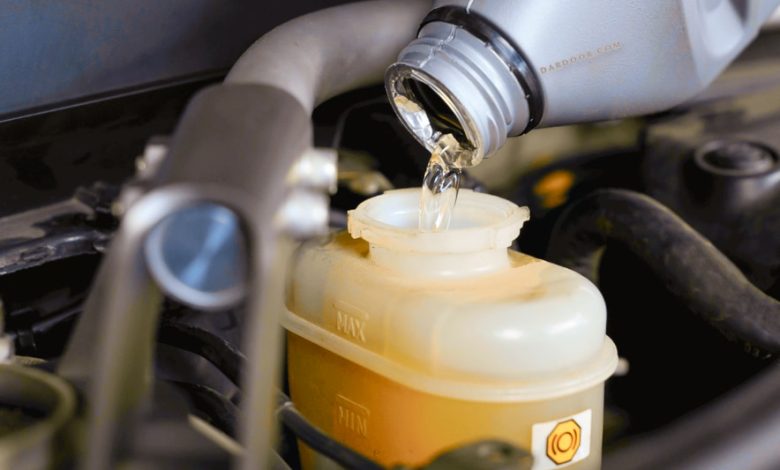
1. Role & Types of Brake Fluid
Brake fluid transfers hydraulic pressure, lubricates seals, and resists boiling under heat. Common fluid types include:
- DOT 3: Glycol-based, boiling 205 °C dry / 140 °C wet
- DOT 4: Glycol but with borate esters and higher boiling point—230 °C dry / 155 °C wet
- DOT 5.1: Glycol with silicone additives, compatible with DOT 3/4, even higher boiling point—260 °C dry / 180 °C wet
- DOT 5: Silicone-based, not compatible with glycol fluids; used mainly in vintage vehicles
2. Recommended Service Intervals
OEM guidelines often specify brake fluid replacement every 2 years or 24,000 miles (~40,000 km). Severe driving—mountain roads, hard braking, towing—can require annual changes. Check your manufacturer’s recommendation via Brake System Diagram.
3. Tools Required & Safety Precautions
- DOT-rated brake fluid (sealed container)
- Brake bleeder kit: vacuum or pressure style
- Clear tubing and collection bottle
- Brake line wrench
- Protective gloves, eyewear, shop towels
- Jack and jack stands
- Access to OEM bleed point diagram (via Dardoor)
4. Brake Fluid Replacement & Bleeding Overview
Brake fluid replacement involves removing contaminated fluid and air. Two common methods:
- Gravity Bleed: Slow, but requires no special tools.
- Pressure or Vacuum Bleed: Faster, more efficient—ideal for DIY or single-person service.
5. Step-by-Step DIY Replacement Procedure
- Raise the vehicle, secure on stands, and remove wheels.
- Clean bleed valves and connect clear tubing to collection bottle.
- Open fluid reservoir and top with fresh fluid.
- Start with the rear passenger side (usually the furthest): open bleed valve, pump brake pedal gently (or use bleeder), watching for clear bubble-free fluid.
- Tighten valve when flow clears. Refill master cylinder between wheels to prevent air entry.
- Proceed to rear driver, then front passenger, finally front driver side.
- Once done, top off reservoir, reinstall wheels, and test pedal firmness before road test.
- Dispose of old fluid per local regulations.
6. Troubleshooting Common Issues
- Soft or spongy pedal: Likely air still trapped—repeat bleeding.
- Leaking brake line: Tighten fitting or replace damaged line.
- Brake fade after bleeding: Contaminated fluid or recent exposure to moisture—repeat service.
- ABS light on: Some systems require scan-tool reset after fluid service.
7. Preventive Maintenance Tips
- Inspect fluid color annually—dark or brown fluid means replacement is due.
- Record service date and mileage for future planning.
- Use high-quality sealed fluids—avoid reusing open containers.
- Inspect for leaks around calipers, wheel cylinders, and lines during fluid service.
8. Frequently Asked Questions
Q: Can I just top off brake fluid instead of flushing?
Topping off delays a full flush and doesn’t address moisture content. A full bleed ensures hydraulic integrity.
Q: Is DOT 5 silicone fluid better for longevity?
No. DOT 5 is incompatible with most modern brake systems and can introduce problems. Stick with manufacturer-specified glycol-based fluids.
Q: Can I mix DOT 4 and DOT 3?
Yes—DOT 4 is compatible with DOT 3, but mixing reduces performance. Always prefer DOT 4 if listed.
9. Conclusion & OEM References
Regular brake fluid maintenance is critical for safe braking performance and component longevity. By using the correct fluid, following OEM service intervals, and properly bleeding the system, you maintain brake responsiveness and avoid costly failures.
For diagrams, OEM specs, and part numbers, refer to:
- Brake System Diagram
- Brake Fluid Specifications