Mastering EV Battery Thermal Management: Inspection, Diagnostics & Repair Guide
1. Understanding Battery Thermal Management
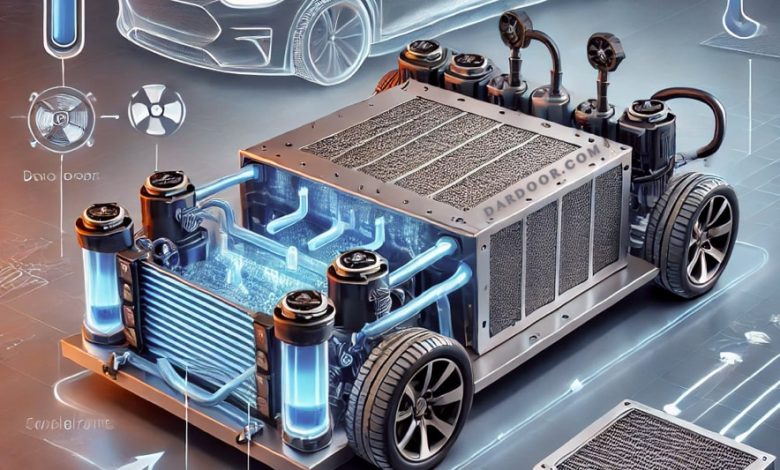
EV batteries operate optimally between 15°C and 35°C. Exposure to high or low temperatures drastically reduces battery efficiency and lifespan. Thermal management systems regulate battery temperature during charging, discharging, and vehicle operation, keeping cells in the ideal range. Systems vary between passive, air-cooled, and liquid-cooled designs.
2. Key Components & Their Functions
- Battery pack heat exchangers: Transfer thermal energy from cells to cooling system
- Coolant lines & reservoirs: Circulate liquid coolant to maintain thermal stability
- Thermal sensors: Monitor temperature at multiple cell locations
- Control modules: Regulate flow based on thermal data from sensors
- Auxiliary pumps: Maintain continuous coolant flow under high load
- HVAC integration: Shares system with cabin climate control in many models
3. Types of Cooling Systems in EVs
- Air-cooled systems: Found in earlier EVs; cheaper but less effective
- Liquid-cooled systems: Most common in modern EVs; efficient and scalable
- Refrigerant-based cooling: Uses A/C refrigerant for precision control (e.g., Tesla Model Y, Hyundai Ioniq)
Liquid-cooled systems offer superior thermal regulation and are standard in EVs above 200 mi range.
4. Inspection Checklist & Intervals
Thermal system components should be inspected during routine service, especially before summer and winter. Inspection includes:
- Coolant reservoir level and color (check for discoloration or contamination)
- Sensor output validation via OBD-II or EV scan tool
- Coolant hose condition (look for cracks, leaks, or soft spots)
- Pump sound/functionality during charging
- Vent cleanliness for air-cooled systems
🔗 Use OEM checklists available from Dardoor’s EV Cooling System Inspection Guide.
5. Common Problems & Diagnostics
🧊 Coolant Leaks
Leaks often occur at hose junctions or at the battery thermal interface plate. Symptoms include low coolant level, error codes, and overheat messages.
🌡️ Sensor Failure
Faulty thermal sensors may report false temperatures, triggering limp mode or shutting down the charger.
🚫 Pump Malfunction
Most pumps are electric and can fail silently. Use scan tool to command pump activation and listen for motor engagement. Some systems log DTCs like P0C73 or P0A80.
🛑 Airlocks
After service, improper bleeding can trap air and restrict flow. Follow OEM bleeding procedures.
6. DIY Repairs & Professional Interventions
Some tasks can be performed at home:
- Coolant top-up with OEM-approved mix (usually G-48 or EV-specific glycol blends)
- Hose replacement with new clamps and OEM fittings
- Sensor replacement using service manual torque values
Professional help is advised for refrigerant-based systems, high-voltage battery disassembly, or control module updates.
7. Safety Protocols for High Voltage Systems
- Always wear class-0 insulated gloves
- Disable high-voltage circuit via service disconnect plug
- Use EV-rated multimeter to check for zero volts before handling connectors
- Wait 5–10 minutes after shutdown before beginning work
Refer to Dardoor’s EV Safety Checklist for proper PPE and lockout procedures.
8. Preventive Maintenance Tips
- Inspect coolant every 12 months or 15,000 km
- Flush system every 5 years or 100,000 km with OEM coolant
- Ensure proper ventilation during high-output charging sessions
- Avoid blocking radiator or condenser inlets with aftermarket parts
- Update firmware for thermal system modules during service
9. OEM Links & Further Reading
- EV Cooling System Inspection Guide
- EV High Voltage Safety Protocols
- Thermal System DTC Code Reference
Maintaining your EV’s battery temperature management system ensures efficiency, safety, and battery longevity. Stay informed and proactive.