The Ultimate Guide to ECM Replacement: Symptoms, Causes, and What to Do
Signs and Symptoms You Shouldn't Ignore
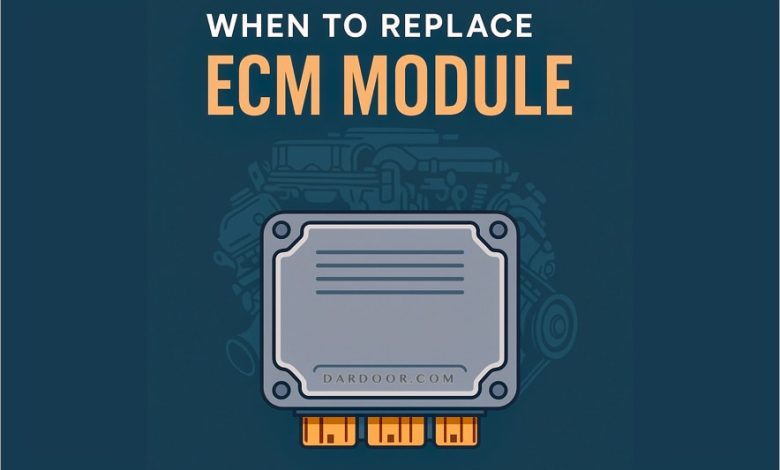
What is an ECM, PCM, ECU, and TCM?
Let’s start by clarifying the different control modules in your vehicle.
Engine Control Module (ECM) / Engine Control Unit (ECU)
The ECM is responsible for managing the engine’s operation, including fuel injection, ignition timing, and emissions control. It receives inputs from various sensors to adjust the engine’s performance and optimize fuel efficiency and emissions.
Powertrain Control Module (PCM)
The PCM combines the functions of both the ECM and Transmission Control Module (TCM). It ensures smooth coordination between the engine and transmission, optimizing vehicle performance.
Transmission Control Module (TCM)
The TCM controls the operation of the vehicle’s transmission. It adjusts shift points based on various factors like vehicle speed and engine load, ensuring smooth gear changes and better fuel efficiency.
What Makes an ECM Fail?
The ECM is vulnerable to several issues, including:
- Corrosion and Moisture: Moisture buildup inside the ECM can lead to internal damage.
- Electrical Issues: Problems with the wiring or electrical components, such as the starter or battery, can affect the ECM’s functionality.
- Solenoid Damages: Faulty solenoids can interfere with the ECM’s ability to manage engine functions.
Symptoms of a Faulty ECM
Here are common symptoms that may indicate an ECM failure:
1. Check Engine Light Turns On
If the Check Engine light is always on but your vehicle seems fine, it could be a sign of a malfunctioning ECM.
2. Engine Stalling or Misfiring
A malfunctioning ECM can cause engine misfires or stalling, resulting in poor acceleration or vibrations while idling.
3. Engine Performance Issues
The ECM affects engine power and acceleration. If you notice reduced power or fuel efficiency, it might be time to check the ECM.
4. Car Not Starting
If you’re having difficulty starting your car, the ECM could be failing to initiate engine management properly.
5. Poor Fuel Economy
A malfunctioning ECM can cause poor fuel efficiency. If your gas bills have suddenly increased, it’s worth checking the ECM.
6. Engine Shuts Off for No Reason
If your engine shuts off unexpectedly, it might be caused by ECM failure. It’s important to get this checked immediately.
7. Flooded Engine
A failing ECM can cause poor fuel-air mixture, leading to an engine flood, causing it to choke or stall.
8. Increased Emissions
Faulty ECMs can affect the emission system, leading to excessive emissions and failing emission tests.
9. Transmission Issues
Since the ECM controls the transmission in some vehicles, a malfunctioning ECM can result in shifting delays or erratic transmission behavior.
Troubleshooting and Diagnosing ECM Issues
If you notice any of these symptoms, it’s important to diagnose the problem quickly:
- Check for Error Codes: Use an OBD-II scanner to read diagnostic trouble codes (DTC) from the onboard computer.
- Consult a Professional Mechanic: Have a qualified technician perform a comprehensive diagnostic check to pinpoint the issue.
When Should You Replace the ECM?
If the damage to the ECM is severe, such as corrosion or moisture buildup, it will need to be replaced. Sometimes, a remanufactured ECM can be a cost-effective solution, but it’s always best to consult with a professional before replacing it.