Serpentine Belt Replacement & Inspection: The Essential DIY Guide
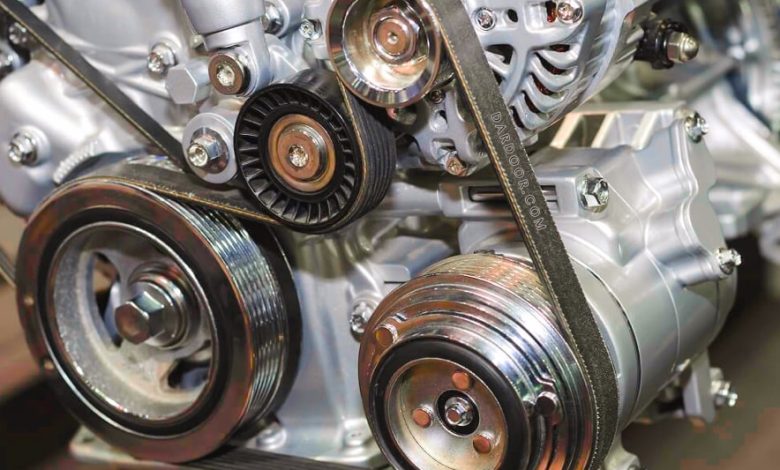
1. What the Serpentine Belt Does
The serpentine belt wraps around multiple pulleys in a serpentine path to power the alternator, power steering pump, A/C compressor, water pump (on some engines), and occasionally secondary accessories. Rubber construction reinforced with fiber cores allows flexibility and strength for long service life.
2. Service Intervals & Replacement Mileage
Most manufacturers recommend replacing the serpentine belt every 60,000 to 100,000 miles. If your vehicle sees less than 10,000 miles annually, belt rubber still degrades—consider replacement every 4–6 years even if mileage is low.
3. Signs of Belt Wear or Failure
- Squealing or chirping sounds at startup or during accessory use—often from belt slippage or misalignment.
- Visible cracks, fraying, glazing, or missing chunks along the belt ribs or edges.
- Battery warning light, dimming lights, or electrical issues due to alternator not operating under load.
- Loss of power steering or A/C performance as accessory systems lose drive.
- Engine overheating or coolant loss if belt drives the water pump and it fails.
4. How to Inspect the Belt & Pulleys
Visual inspection should include both outer and inner ribbed sides:
- Look inside the rib grooves for splitting cracks—if you can bow the belt and see cracking along ribs, that’s a wear signal.
- Check for glazing—smooth shiny appearance on belt sides indicates slipping.
- Inspect pulleys and tensioner for misalignment, wobble, or binding during rotation.
- Press on belt mid‑span to assess tension and elasticity.
5. DIY Replacement Steps
- Refer to belt routing diagram—often included under hood or via Dardoor’s diagram page.
- Using appropriate wrench or tensioner tool, relieve tension and slide belt off pulleys.
- Compare new belt for correct rib count and length.
- Route new belt along specified path and apply tensioner.
- Ensure belt sits within pulley grooves and spins freely without misalignment.
- Start engine and visually inspect belt during cold idle—look for tracking and tension.
6. Tensioner & Idler Pulley Checks
Tensioner and idler pulleys age similarly to the belt and should be replaced when worn:
- Spin idler and tensioner pulleys by hand—any binding or roughness indicates bearing wear.
- Inspect tensioner spring for correct force and lack of sag.
- Replace tensioner and pulleys at the same time as the belt—helps prevent premature belt failure.
7. Tools Needed & Safety Measures
- Socket wrench set or serpentine belt tool for tensioner pulley
- Safety gloves, eye protection, and hand-held light
- Service manual or Dardoor belt routing diagram
- Torque wrench if removing pulleys
- Ensure engine is cool and vehicle secure on flat surface before starting
8. Common Pitfalls & Troubleshooting
- Routing belt incorrectly can lead to poor fit or accessory failure.
- Failing to replace tensioner/pulleys can risk quick re-wear.
- Neglecting to inspect the inner ribbed side may miss critical cracks.
- Incorrect tension can cause slippage or overstrain bearings.
- Not retightening mounting bolts after engine warm‑up may lead to loosening.
9. Ongoing Maintenance Tips
- Inspect belt during every oil change—keep an eye on cracks or wear.
- Note belt installation date and mileage for future replacement planning.
- Listen for squeals or chirps when accessories engage.
- Keep engine area free of oil or coolant leaks that degrade belt rubber.
- Use OEM-approved belt and tensioner brands; reference Dardoor’s part catalog.
10. Frequently Asked Questions
Q: Can a serpentine belt fail without warning?
Often the belt shows visual warning signs—cracks, glazing, or slippage—but rarely snaps without audible pre-failure symptoms like squeal or loss of accessory function.
Q: Should I always replace tensioner with belt?
Yes—tensioners and idler pulleys age at similar rates and replacing them with the belt prevents early re-wear and failure.
Q: Is it safe to drive on a worn belt until it fails?
No—belt failure can disable power steering, cooling, and charging, potentially damaging other components or leaving you stranded.
11. Conclusion & OEM References
The serpentine belt is a vital maintenance component: its proper inspection and timely replacement keep multiple critical systems operating safely. Using OEM diagrams and part specifications ensures correct routing, tension, and compatibility. Replacing the belt together with tensioner and pulleys every recommended interval maximizes reliability.
🔗 References and resources:
- Serpentine Belt Routing Diagram
- Accessory Drive Belt Specs
Inspect regularly, replace proactively, and drive with confidence.