The Complete Guide to Automotive Transmission Systems: In-Depth Technical Details

Operating a car might seem like a simple task, but behind the wheel, there’s an intricate network of components working together. One of the most crucial parts of any modern vehicle is the transmission system, which is responsible for transferring power from the engine to the wheels. The type of transmission system you choose can greatly affect the vehicle’s performance, driving experience, and efficiency. This guide dives deep into different types of transmissions and their technical details.
Overview of Transmission Systems
Automotive transmission systems control the amount of power transferred from the engine to the drive wheels, enabling the vehicle to move efficiently. There are two main types of transmissions:
- Manual Transmission (MT): Requires the driver to manually shift gears using the gear lever and clutch pedal.
- Automatic Transmission (AT): Automatically changes the gear ratio based on speed, torque, and driving conditions without manual input.
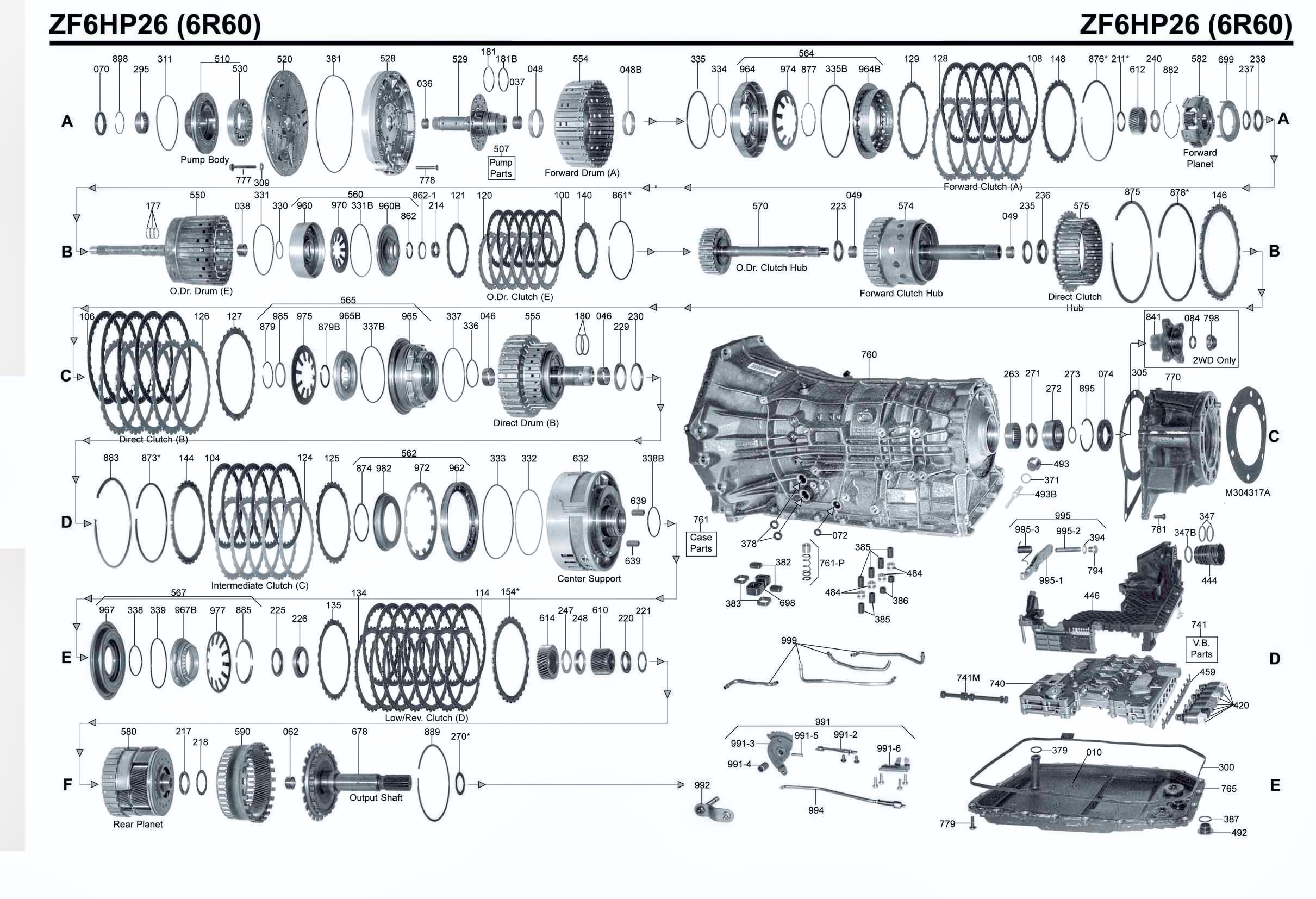
Key Parts of an Automatic Transmission
Let’s dive deeper into the components that make the automatic transmission work smoothly:
-
- Clutch Packs : Also known as friction discs or plates, clutch packs are essential in engaging and disengaging various parts of the planetary gear set. They work by sticking together when hydraulic pressure is applied, allowing the gears to engage and transfer power effectively.
- Output Shaft : The output shaft plays a vital role in transferring power from the transmission to the vehicle’s driving wheels. It connects to the planetary gear set and uses the engine’s rotational force to propel the car forward or backward.
- Brake Band : Brake bands apply pressure on certain components to regulate gear engagement. When hydraulic pressure is applied, these bands hold specific gears in place, contributing to smooth transitions during gear shifts.
- Oil Pan : The oil pan is where transmission fluid is stored. It not only holds the fluid but also contains a filter that removes impurities, ensuring smooth operation of the transmission system.
- Valve Body : The valve body acts as the control center of the transmission, directing the flow of fluid to various components. By measuring hydraulic pressure and receiving signals from the car’s computer, it helps manage gear shifts effortlessly.

Manual Transmission (MT) in Detail
A manual transmission is one of the oldest and most direct forms of gear-changing systems used in vehicles. Despite its decline in favor of automatics, it is still favored for its simplicity, reliability, and the level of control it provides over the vehicle’s performance.
How Does Manual Transmission Work?
The system consists of several key components, including:
- Clutch Pedal: Engages and disengages the engine from the transmission system.
- Flywheel: A rotating disk connected to the engine, smoothing power delivery.
- Pressure Plate and Clutch Disc: Responsible for connecting and disconnecting the engine power from the transmission.
- Input and Output Shafts: These shafts transmit power from the engine to the transmission and from the transmission to the wheels.
Advantages of Manual Transmission
- Ideal for off-road driving due to better control over gears.
- High torque capability and better performance in demanding conditions.
- Simple, reliable, and easier to maintain compared to automatic transmissions.
Disadvantages of Manual Transmission
- Requires skill and a higher learning curve to operate.
- More effort needed during driving, especially in stop-and-go traffic.
- Not ideal for everyone, as some prefer the convenience of automatic transmissions.
Automatic Transmission (AT) in Detail
An automatic transmission is more advanced and doesn’t require the driver to shift gears manually. It automatically adjusts the gear ratios based on the vehicle’s speed, load, and driving conditions.
How Does Automatic Transmission Work?
The automatic transmission system is made up of several components, each serving a critical function:
- Torque Converter: A fluid coupling device that connects the engine to the transmission. It ensures smooth power transfer between the engine and transmission.
- Planetary Gearset: Consists of sun gears, planet gears, and a ring gear. It provides different gear ratios for forward and reverse motion.
- Hydraulic System: Controls the flow of fluid that operates the clutch packs and brake bands for gear changes.
- Valve Body: The control center of the transmission, directing fluid flow to the right components at the right time.
- Oil Pump: Circulates transmission fluid for lubrication, cooling, and fluid pressure generation.
Types of Automatic Transmissions
- Torque Converter Transmission: Traditional system using a torque converter and planetary gears.
- Continuously Variable Transmission (CVT): Provides an infinite number of gear ratios, offering smooth acceleration and fuel efficiency.
- Dual-Clutch Transmission (DCT): Uses two clutches to provide faster gear shifts for performance driving.
- Automated Manual Transmission (AMT): A hybrid between manual and automatic, using actuators to shift gears automatically.
- Semi-Automatic Transmission: Combines automatic shifting with manual control, allowing the driver to select gears manually but without the need for a clutch pedal.
- Intelligent Manual Transmission (IMT) : With the IMT system, the car mimics manual shifting without the clutch. Sensors detect gear stick movement and automatically engage the clutch, offering the driver more control over fuel efficiency and gear changes.
Advantages of Automatic Transmission
-
- Convenient and easy to use, especially in city traffic.
- Provides smooth and seamless gear shifts.
- Great for stop-and-go driving situations.
- Hill Performance: An automatic car can handle inclines better without stalling, making it great for hilly terrain.
- User-Friendly: Automatics are simpler to learn to drive, especially for beginners.
Disadvantages of Automatic Transmission
- Higher purchase price and maintenance costs compared to manual transmissions.
- May have lower fuel efficiency compared to manual transmissions in some cases.
- Less control over the driving experience compared to manual transmissions.
Hybrid Transmission Systems
Hybrid transmission systems combine the benefits of manual and automatic transmissions, providing the control of a manual system with the convenience of automatic shifting.
How Hybrid Transmissions Work
Hybrid transmission systems often use a combination of clutchless manual shifting and dual-clutch mechanisms. This provides fast gear shifts and allows for optimal fuel efficiency, often found in hybrid or performance vehicles. Common systems include:
- Dual Clutch Transmission (DCT): Found in high-performance vehicles, offering near-instant gear shifts.
- e-CVT: A variation of CVT used in hybrid vehicles to combine an electric motor with the internal combustion engine for smoother power delivery.
Advantages of Hybrid Transmission
- Combines the efficiency of an automatic system with the control of a manual transmission.
- Improves fuel economy in hybrid vehicles.
- Provides fast, smooth shifting for performance vehicles.
Disadvantages of Hybrid Transmission
- Can be more expensive and complex compared to traditional transmissions.
- May not be as widely available in budget-friendly vehicles.
Advanced Transmission Technologies
With ongoing technological advancements, the latest transmission systems in vehicles are becoming more intelligent and efficient. Some notable innovations include:
- Variable Valve Timing (VVT): VVT adjusts the timing of the engine’s intake and exhaust valves, optimizing engine performance across different speeds and conditions.
- Smart Transmissions with AI: Modern transmission systems are incorporating artificial intelligence (AI) and machine learning algorithms to predict driving conditions and optimize gear shifting without driver input.
- Regenerative Braking: Found in hybrid and electric vehicles, this technology captures kinetic energy during braking and uses it to recharge the battery, improving fuel efficiency.
Conclusion
Understanding automotive transmission systems is crucial for anyone in the field of automotive engineering, whether you’re an aspiring student or an industry professional. From traditional manual transmissions that offer driver control to the advanced systems found in modern vehicles like the automatic transmission and hybrid systems, each has its benefits and limitations. By understanding how these systems work, you can make more informed decisions about vehicle design, performance, and driving comfort.
If you found this guide helpful, don’t forget to share it with your friends or colleagues in the automotive field. Stay tuned for more technical breakdowns and automotive insights!