ABS and ESC Systems: How They Protect Drivers and How to Diagnose False Activations
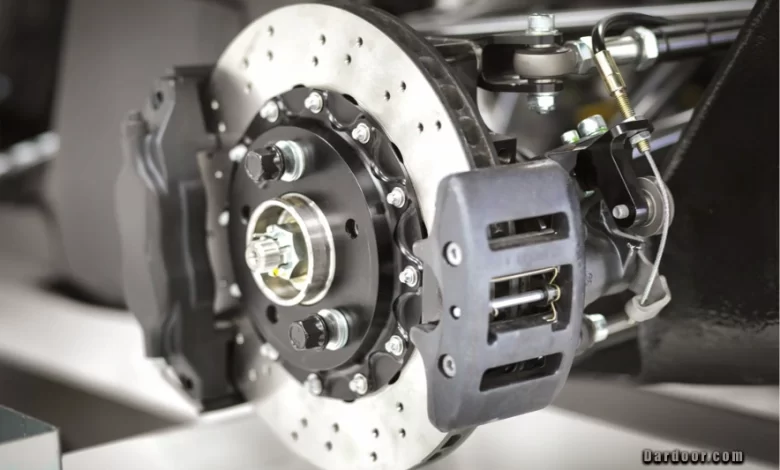
Modern vehicles are equipped with sophisticated safety systems designed to prevent accidents and save lives. Among the most critical are the Anti-lock Braking System (ABS) and Electronic Stability Control (ESC). While these systems are engineered to operate seamlessly, false activations or malfunctions can undermine their effectiveness. This article explains how ABS and ESC work, their role in vehicle safety, and provides a detailed guide for diagnosing and resolving false activation issues.
Part 1: Understanding ABS and ESC
What is ABS?
The Anti-lock Braking System (ABS) prevents wheels from locking up during hard braking, allowing the driver to maintain steering control.
- How It Works:
- Wheel speed sensors monitor each wheel’s rotation.
- If a wheel slows abruptly (indicating lockup), the ABS control module rapidly pulses the brake pressure to that wheel.
- This pulsing action (15+ times per second) prevents skidding and maintains traction with the road.
- Key Benefits:
- Reduces stopping distances on slippery surfaces.
- Allows drivers to steer around obstacles during emergency braking.
What is ESC?
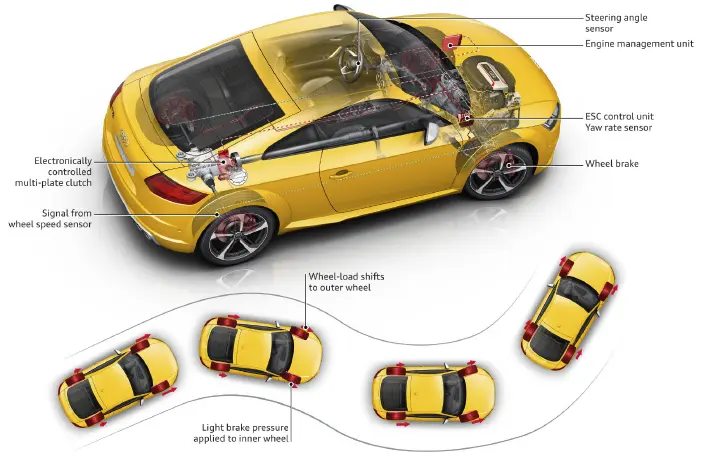
Electronic Stability Control (ESC), also called Electronic Stability Program (ESP), helps prevent loss of control during cornering or sudden maneuvers.
- How It Works:
- Uses sensors (steering angle, yaw rate, lateral acceleration) to detect skidding or understeer/oversteer.
- Automatically applies brakes to individual wheels and/or reduces engine power to correct the vehicle’s trajectory.
- Key Benefits:
- Prevents rollovers in SUVs and trucks.
- Counters hydroplaning on wet roads.
The Evolution of ABS and ESC
- ABS: First introduced in aircraft in the 1950s, adopted by cars in the 1970s (e.g., Chrysler Imperial), and became mandatory in the EU and U.S. by the 2010s.
- ESC: Developed by Bosch in 1995, mandated in the U.S. for all passenger vehicles since 2012. Studies show ESC reduces fatal single-vehicle crashes by 49% (IIHS).
Why These Systems Matter
- ABS prevents 30% of frontal collisions on wet or icy roads (NHTSA).
- ESC reduces fatal crashes by 25% and rollover risk by 80% (Euro NCAP).
Part 2: Common Causes of False ABS/ESC Activation
False activations occur when systems engage unnecessarily (e.g., ABS triggering on dry roads, ESC intervening during normal driving). Causes include:
1. Wheel Speed Sensor Failures
- Passive vs. Active Sensors:
- Passive sensors (magnetic induction) fail due to debris or physical damage.
- Active sensors (Hall-effect) fail from wiring issues or electromagnetic interference.
- Symptoms: Illuminated ABS/ESC warning lights, erratic system behavior.
2. Damaged Tone Rings (Reluctor Rings)
- Role: Provide wheel speed data via notched rings read by sensors.
- Failure Causes:
- Corrosion from road salt.
- Cracks or missing teeth from impact damage.
- Improper installation during axle/CV joint repairs.
3. Wiring and Connector Issues
- Common Faults:
- Frayed insulation exposing wires to moisture.
- Loose connectors causing intermittent signals.
- Diagnostic Tip: Use a multimeter to test for continuity and resistance spikes.
4. Steering Angle Sensor Misalignment
- ESC Dependency: ESC relies on accurate steering angle data to assess driver intent.
- Causes of Error:
- Improper wheel alignment.
- Failed sensor calibration after battery replacement.
5. Aftermarket Modifications
- Examples:
- Non-standard tire sizes causing wheel speed discrepancies.
- High-power audio systems creating electromagnetic interference.
6. Software Glitches
- Solutions: Reprogram the ABS/ESC module using OEM software updates.
Part 3: Step-by-Step Diagnostics for False Activations
Step 1: Scan for Fault Codes
- Use an advanced OBD-II scanner (e.g., Autel, Snap-on) to retrieve ABS/ESC-specific codes (e.g., C1234 – Left Front Wheel Speed Sensor Circuit).
Step 2: Inspect Wheel Speed Sensors and Tone Rings
- Visual Checks:
- Remove sensors and inspect for metal shavings (magnetic sensors) or physical damage.
- Clean tone rings with a brass brush; check for cracks or debris.
- Testing Sensors:
- Passive Sensors: Measure resistance (800–1,400Ω).
- Active Sensors: Check for 12V reference voltage and square wave signal via oscilloscope.
Step 3: Analyze Wiring and Connectors
- Perform a “wiggle test” on harnesses while monitoring live sensor data.
- Repair damaged wires with solder and heat-shrink tubing (avoid crimp connectors).
Step 4: Test Steering Angle and Yaw Rate Sensors
- Calibration: Use a scan tool to reset steering angle sensor after wheel alignment.
- Yaw Rate Test: Compare sensor data with a known-good vehicle.
Step 5: Road Test with Live Data Monitoring
- Drive the vehicle while monitoring wheel speeds, steering angle, and ESC activation thresholds.
- Look for discrepancies >2 mph between wheels or erratic yaw rate readings.
Part 4: Case Studies and Real-World Repairs
Case 1: Phantom ABS Activation on Dry Roads
- Vehicle: 2016 Ford F-150
- Symptoms: ABS activated during light braking on dry pavement.
- Diagnosis: Rust buildup on rear tone ring due to salt exposure.
- Fix: Replaced tone ring and cleaned sensor; applied anti-corrosion spray.
Case 2: ESC Engages Randomly on Highway
- Vehicle: 2019 Toyota RAV4
- Symptoms: ESC activated during straight-line driving.
- Diagnosis: Faulty steering angle sensor after battery replacement.
- Fix: Recalibrated sensor using OEM software.
Case 3: ABS Warning Light Post-Lift Kit Installation
- Vehicle: 2020 Jeep Wrangler
- Symptoms: ABS light on after suspension modification.
- Diagnosis: Extended wheel speed sensor wiring caused signal interference.
- Fix: Replaced with shielded cables and rerouted harness.
Part 5: Preventive Maintenance and Best Practices
For Drivers
- Tire Care: Maintain equal tire pressure and tread depth to prevent wheel speed mismatches.
- Warning Signs: Address ABS/ESC warning lights immediately to avoid system shutdown.
- Avoid Modifications: Consult professionals before installing lift kits or oversized tires.
For Technicians
- Use OEM Parts: Aftermarket sensors often lack proper shielding or calibration.
- Software Updates: Check for TSBs (e.g., Ford SSM 51655 for ESC false activation).
- Training: Attend manufacturer-specific courses (e.g., Honda HCP, GM World Class Technician).
Part 6: The Future of ABS and ESC
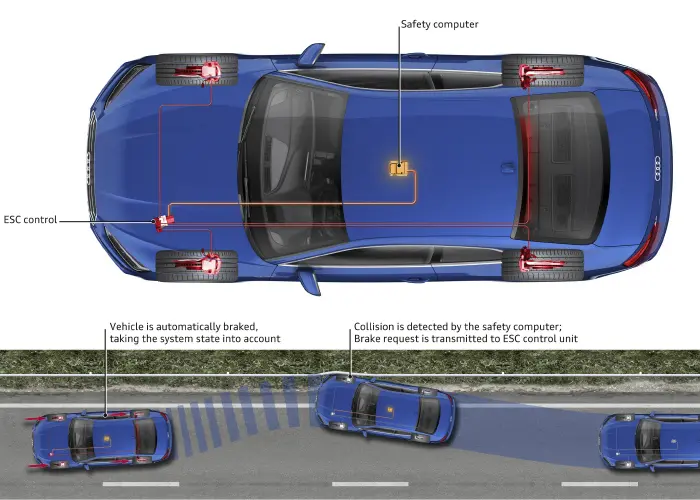
- Integration with ADAS: ABS/ESC systems now work with adaptive cruise control and automatic emergency braking.
- Over-the-Air Updates: Tesla and BMW allow remote software fixes for stability control issues.
- AI-Driven Predictive Systems: Future systems may preemptively adjust braking based on road conditions.
Conclusion
ABS and ESC are cornerstones of modern vehicle safety, but their complexity demands meticulous diagnostics when malfunctions occur. By understanding their operation, common failure points, and advanced troubleshooting techniques, technicians can ensure these systems function as intended. For drivers, recognizing the importance of prompt repairs and preventive maintenance is key to staying protected on the road. As automotive technology evolves, ABS and ESC will continue to integrate with emerging innovations, further reducing risks and enhancing driver confidence.
Key Takeaways:
- ABS prevents wheel lockup; ESC corrects skidding through targeted braking and throttle control.
- False activations often stem from sensor faults, wiring issues, or software glitches.
- Oscilloscopes, scan tools, and live data monitoring are critical for accurate diagnostics.
- Regular maintenance and OEM-compliant repairs safeguard system reliability.
By combining technical expertise with a deep understanding of these life-saving systems, technicians and drivers alike can ensure safer journeys for everyone.