Zeekr’s Free Driver-Assist Tech Disrupts China’s EV Market
What It Means for the Future of Autonomous Driving
A Game-Changing Move in the EV Industry
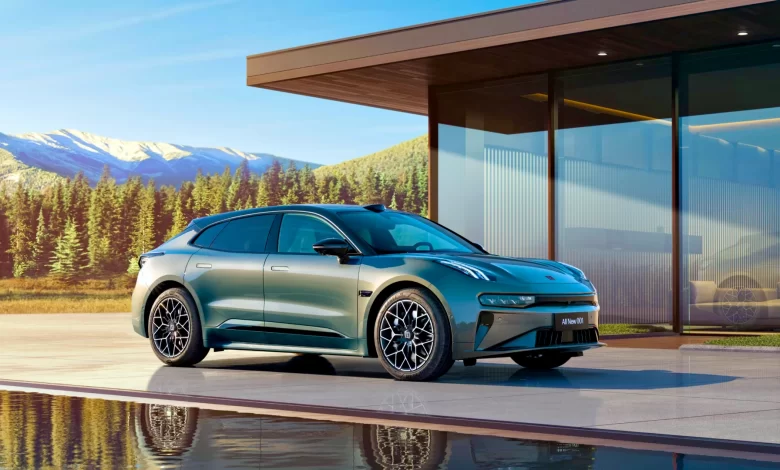
The electric vehicle (EV) market is one of the most competitive and fast-evolving industries in the world, with China leading the charge. In a bold move that could reshape the future of autonomous driving, Zeekr, Geely’s premium EV brand, has decided to offer its advanced driver-assistance system (ADAS) for free across its entire lineup.
This strategy breaks away from the industry norm, where automakers like Tesla, Mercedes-Benz, and NIO charge hefty fees—either as one-time purchases or recurring subscriptions—for similar features. By removing this paywall, Zeekr is not only making cutting-edge technology more accessible but also forcing competitors to rethink their pricing models.
In this deep dive, we’ll explore:
- Zeekr’s free ADAS technology and how it works
- Why this move is disrupting China’s EV market
- Competitor reactions and potential industry shifts
- The future of autonomous driving and what this means for global markets
1. Zeekr’s Free ADAS: What’s Included and How It Stands Out
A. The Tech Behind Zeekr’s Autonomous Driving Features
Zeekr’s ADAS, powered by its in-house developed “Zeekr Pilot” system, relies on a combination of lidar, radar, high-definition cameras, and AI-powered software to deliver a seamless autonomous driving experience. Unlike some competitors that rely solely on cameras (like Tesla’s Vision system), Zeekr’s multi-sensor approach enhances safety and reliability in various driving conditions.
Key features include:
- Highway Autopilot (NavPilot): Enables hands-free driving on highways, including automatic lane changes and speed adjustments.
- Urban Traffic Assist: Handles stop-and-go traffic, pedestrian detection, and intersection navigation.
- Automated Parking (Memory Parking): Lets the car park itself in familiar spaces with a single command.
- Emergency Lane Keeping & Collision Avoidance: Uses real-time data to prevent accidents.
B. Why Free ADAS is a Big Deal
Most automakers treat autonomous driving as a premium add-on. For example:
- Tesla’s Full Self-Driving (FSD) costs 8,000upfront or 99/month as a subscription.
- NIO’s NAD (NIO Autonomous Driving) is offered via a $680/year subscription.
- Mercedes-Benz’s Drive Pilot (Level 3 autonomy) is expected to be a luxury paid feature.
By offering these features at no extra cost, Zeekr is:
✔ Lowering the barrier to entry for advanced driver-assistance tech.
✔ Increasing adoption rates among mainstream consumers.
✔ Forcing rivals to reconsider their pricing strategies or risk losing market share.
2. The Impact on China’s EV Market – A New Competitive Landscape
A. China’s EV Boom and the Fight for Dominance
China is the world’s largest EV market, with over 8 million EVs sold in 2023 (40% of global sales). The competition is fierce, with brands like BYD, Tesla, NIO, Xpeng, and Li Auto battling for dominance.
Zeekr’s free ADAS move is a direct challenge to these players. Here’s how it affects the market:
i. Pressure on Tesla & NIO
- Tesla has long monetized its Full Self-Driving (FSD), but Chinese consumers are price-sensitive.
- NIO’s subscription-based NAD may struggle to compete with Zeekr’s free offering.
ii. BYD’s Response – Will It Follow Suit?
BYD, China’s top EV maker, has been focused on affordability. If Zeekr’s strategy succeeds, BYD may be forced to include more ADAS features as standard.
iii. Startups Like Xpeng & Li Auto Must Adapt
Both brands have invested heavily in autonomous driving. Xpeng’s XNGP and Li Auto’s NOA are key selling points—but if Zeekr offers similar tech for free, they’ll need to differentiate or cut prices.
B. Consumer Reactions – Will Buyers Switch to Zeekr?
Early data suggests strong demand for Zeekr’s models since the free ADAS announcement. The Zeekr 007, its latest sedan, saw over 50,000 pre-orders within weeks of launch.
Why consumers love it:
✅ No hidden costs – ADAS comes standard.
✅ Future-proof tech – Over-the-air updates keep improving functionality.
✅ Competitive pricing – Zeekr’s cars are priced aggressively against Tesla and NIO.
3. Global Implications – Could This Trend Spread Beyond China?
A. Will Western Automakers Adopt Free ADAS?
Currently, most Western brands charge extra for autonomous features:
- GM’s Super Cruise – Requires a subscription after the trial period.
- Ford’s BlueCruise – $800/year after the first three months.
- BMW & Mercedes – Premium autonomy features cost thousands.
However, if Zeekr’s model proves successful, it could pressure global automakers to include more ADAS features as standard—especially in budget and mid-range EVs.
B. The Road to Fully Autonomous Driving (Level 4/5)
Zeekr’s move accelerates consumer familiarity with autonomous tech, paving the way for higher-level autonomy. If more brands follow, we could see:
- Faster regulatory approvals for self-driving cars.
- More investment in AI-driven mobility.
- A shift from ownership to mobility-as-a-service (robotaxis).
4. Challenges & Risks – Can Zeekr Sustain This Strategy?
A. Profitability Concerns
Developing ADAS is expensive. If Zeekr isn’t charging for it, how will it make money? Possible answers:
- Higher vehicle margins (Geely’s scale helps).
- Data monetization (improving AI with user driving data).
- Software upsells (premium features beyond basic ADAS).
B. Safety & Regulatory Hurdles
As more drivers use ADAS, regulators will scrutinize safety. A major accident involving Zeekr’s system could damage consumer trust.
C. Competitor Counterattacks
Rivals might:
- Lower their ADAS prices (Tesla already cut FSD costs in China).
- Bundle free trials (NIO could offer 1-year free NAD).
- Develop even better tech (Xpeng’s XNGP is already highly advanced).
5. The Future of Autonomous Driving – What’s Next?
A. The End of Paid ADAS?
If Zeekr’s free model succeeds, subscription-based autonomy could become obsolete—just as free navigation killed paid GPS devices.
B. More Affordable Self-Driving Cars
As costs drop, Level 3+ autonomy could become standard in mass-market EVs by 2030.
C. A New Era of Mobility
Fully autonomous cars (Level 5) are still years away, but Zeekr’s strategy brings us closer by normalizing the tech today.
Zeekr’s Free ADAS Could Reshape the Entire Auto Industry
Zeekr’s decision to offer advanced driver-assistance for free is more than just a competitive tactic—it’s a vision for the future of mobility. By removing paywalls, Zeekr is:
🚗 Democratizing autonomous driving tech
⚡ Forcing rivals to adapt or fall behind
🌍 Potentially changing how the world views self-driving cars
If this trend spreads, we may soon live in a world where autonomous features are as standard as airbags and ABS. The question is: Which automakers will follow Zeekr’s lead—and which will resist?
For now, one thing is clear: The EV revolution just got even more interesting.