When Hollywood Met Paris: The Kaiser-Darrin Roadster – America’s Timeless Sports Car Masterpiece
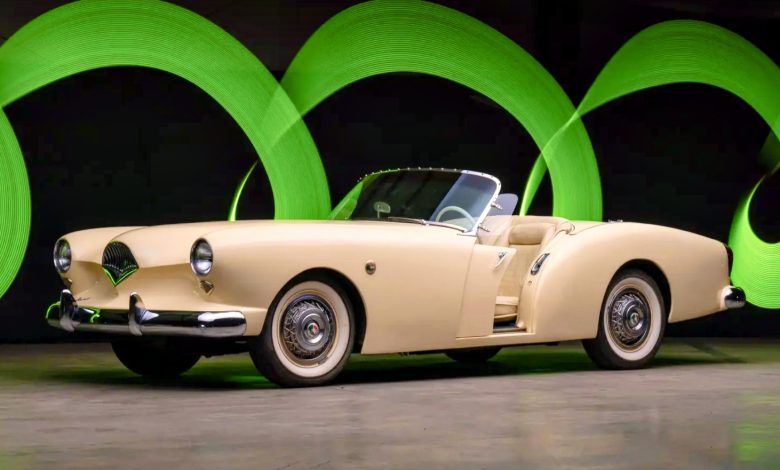
Few automobiles encapsulate the spirit of American ingenuity and European refinement quite like the Kaiser‐Darrin Roadster. Born from a fusion of Hollywood ambition and Parisian artistic flair, the Kaiser‐Darrin remains a singular example of a sports car that dared to break the mold in 1950s America. At a time when the domestic market was dominated by the “Big Three” automakers, this limited-production sports car offered a refreshing divergence—a vehicle conceived and executed by a true automotive artist, Howard “Dutch” Darrin.
In this article, we explore the multifaceted story of the Kaiser‐Darrin Roadster, delving into its design origins in Paris, the visionary genius of “Dutch” Darrin, the technological challenges and innovations that shaped its creation, and the car’s enduring legacy as a collector’s treasure. With its rare blend of custom coachwork, forward-thinking engineering, and a touch of Hollywood glamour, the Kaiser‐Darrin Roadster stands as an enduring testament to an era when automotive artistry was as important as performance.
The European Genesis: A Coachbuilder’s Dream
The Parisian Playground of Automotive Artistry
The roots of the Kaiser‐Darrin Roadster stretch back to the golden era of European coachbuilding in the 1920s and 1930s—a time when Paris was the epicenter of luxury automobile design. During this period, bespoke coachwork was not merely an accessory but the essence of automotive elegance. American expatriates in Paris recognized the vast potential of merging American boldness with European refinement. Among them was Howard “Dutch” Darrin, whose career in Europe would lay the groundwork for his future innovations back home.
Hibbard & Darrin: The Birth of a Legacy
In 1923, alongside fellow American Thomas L. Hibbard, Darrin founded the renowned coach-building firm Hibbard & Darrin. Together, they carved out a niche for themselves in the competitive Parisian market, designing custom bodies for the era’s most opulent chassis. Their work, characterized by its imaginative flair and meticulous craftsmanship, quickly earned a reputation among the elite. The duo’s creations graced the streets of Paris, becoming a symbol of luxury and exclusivity. Their success was a harbinger of the artistic prowess that Darrin would later bring to the American automotive scene.
Transition to Fernandez & Darrin
Following Hibbard’s departure from France in 1931 to join General Motors—a move prompted by the economic realities of the Great Depression—Darrin formed a new partnership with Argentine-born French banker J. Fernandez. The resulting firm, Fernandez & Darrin, continued the legacy of exquisite coachwork. During this period, Darrin’s designs reached even higher echelons of society, as evidenced by commissions for luminaries such as movie star Greta Garbo and banking magnate Anthony Gustav de Rothschild. Despite the success, the shifting political and economic climate in Europe would soon urge Darrin to seek new opportunities back in his native land.
The Visionary Returns: Howard “Dutch” Darrin in America
A Return to the American Landscape
By 1937, sensing the ominous signs of political unrest in Europe and recognizing the burgeoning potential of the American market, Darrin made the life-changing decision to return to the United States. Settling in California—a state already synonymous with glamour, innovation, and the burgeoning film industry—Darrin founded his new enterprise, Darrin of Paris, on the iconic Sunset Boulevard in Hollywood. Here, his European pedigree and fluent French accent helped position him as an exotic artisan in the eyes of American clients.
Hollywood and High Society: The New Clientele
In post-war California, the automobile was evolving from a mere means of transportation to a statement of style and personal identity. Hollywood elites and affluent professionals were eager to acquire vehicles that reflected their refined tastes and adventurous lifestyles. Darrin’s designs, which had once adorned the streets of Paris, now began to feature prominently on Packards and other luxury models. His reputation as a master coachbuilder was cemented by his ability to transform utilitarian chassis into rolling works of art—each car a testament to the interplay of form and function.
From Concept to Creation: The Birth of the Kaiser‐Darrin Sports Car
The Kaiser-Frazer Connection
The post-war years in America were marked by a spirit of optimism and a desire to innovate. Kaiser-Frazer, an automaker with ambitions to create a “people’s car” that could rival European designs, sought to infuse their offerings with a unique blend of practicality and style. In 1946, as the nation geared up for peacetime production, Darrin was tapped as a consultant to lend his design expertise to the project. Initially, Kaiser’s vision was to develop an economical and utilitarian vehicle—a stark contrast to Darrin’s aspirations for a sporty, head-turning automobile.
The Spark of Inspiration: Darrin’s Own Vision
Unwilling to be confined by the conservative directives of corporate America, Darrin harbored a personal vision that extended far beyond the utilitarian framework of the Henry J. Kaiser project. With the creative fire that had fueled his earlier successes in Paris, Darrin began to craft a prototype of a sports car that would combine the sleek aesthetics of European design with the practicality of American engineering. Working in his own time and with personal financing, he meticulously built a clay model in the first half of 1952—a tangible expression of his desire to create something extraordinary.
A Bold Use of Materials: The Role of Fiberglass
One of the most striking aspects of Darrin’s prototype was the use of fiberglass (Glass Reinforced Plastic, GRP) for the bodywork. At a time when steel and aluminum were the norm, fiberglass offered a lightweight and cost-effective alternative. This pioneering choice not only reduced production costs but also allowed for greater design flexibility. Renowned fiberglass innovator Bill Tritt was enlisted to fabricate the body parts, a collaboration that mirrored similar groundbreaking work being done on the Chevrolet Corvette. The result was a lightweight, sculpted body that perfectly encapsulated Darrin’s vision of a sports car that was both aesthetically arresting and functionally innovative.
Engineering and Design: Innovations on a Foundation of Contrasts
Adapting the Henry J. Chassis
The prototype’s foundation was the chassis of the Henry J. Kaiser—a car originally intended as a “people’s car” with a focus on affordability and practicality. While the chassis offered a solid base, it was far from ideal for a high-performance sports car. Darrin and his engineering team modified the chassis extensively: lowering the car to achieve a sportier stance, adjusting suspension spring rates to match the lightweight fiberglass body, and fine-tuning the steering ratio for improved responsiveness. These modifications were vital in transforming the unassuming Henry J. chassis into a dynamic platform suitable for a true sports car.
Design Innovations and Practical Adjustments
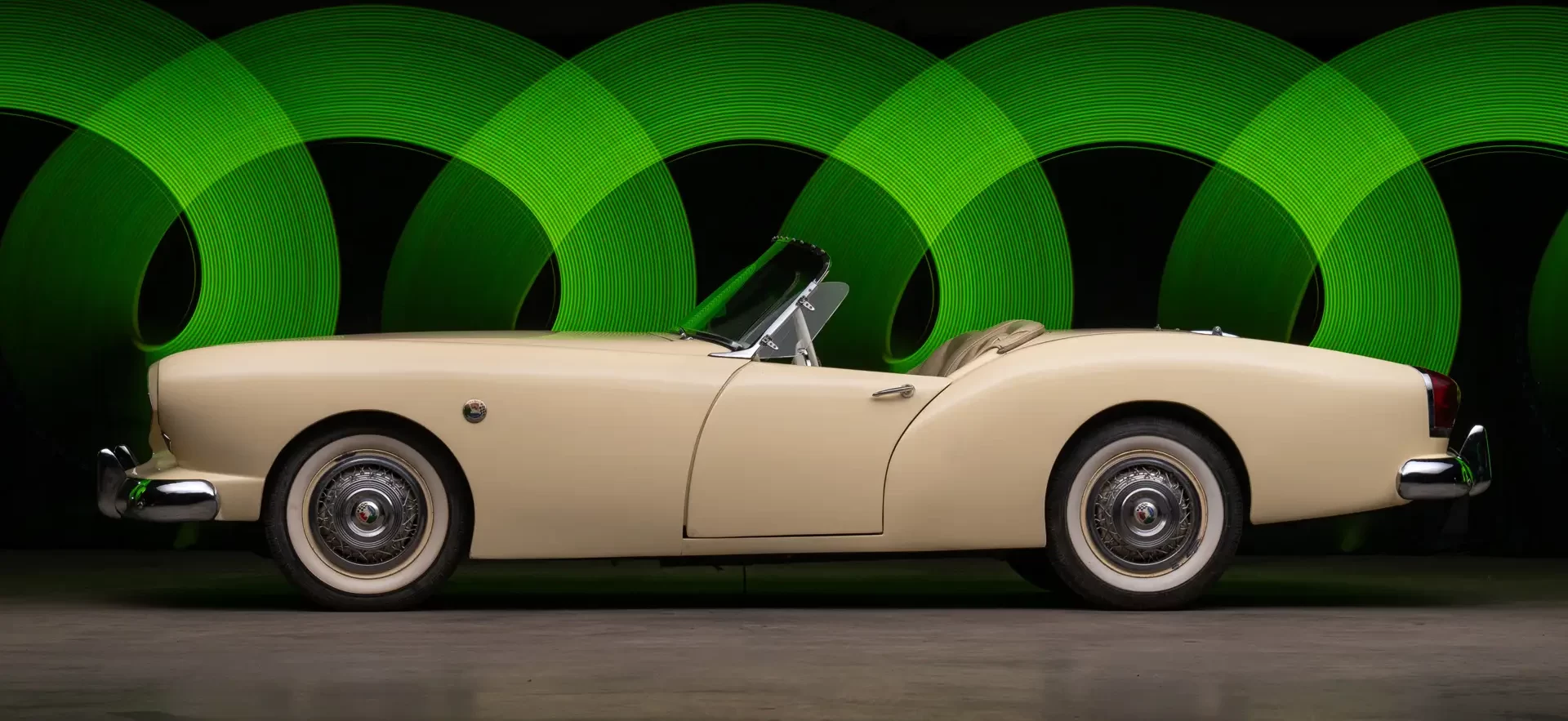
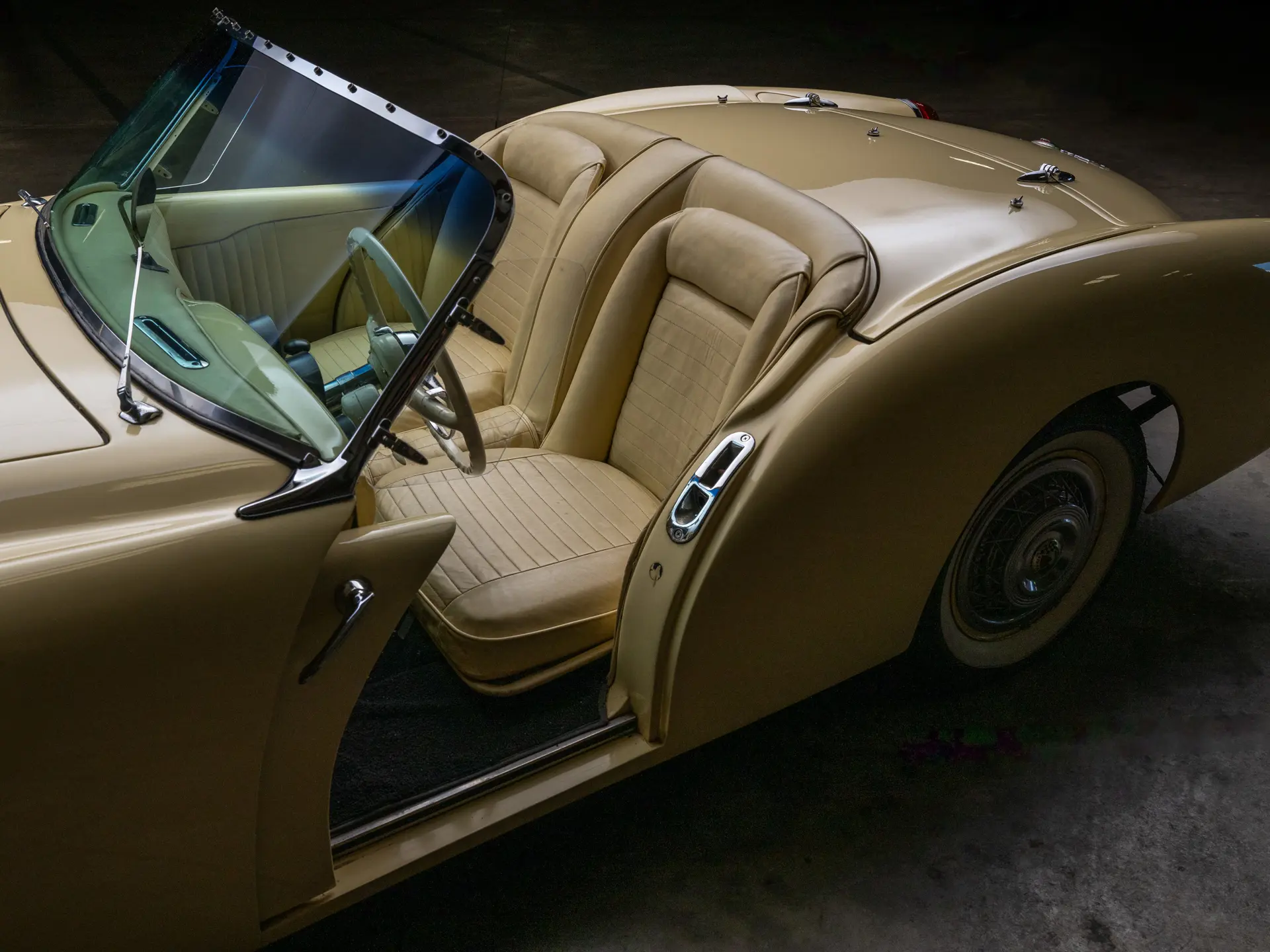
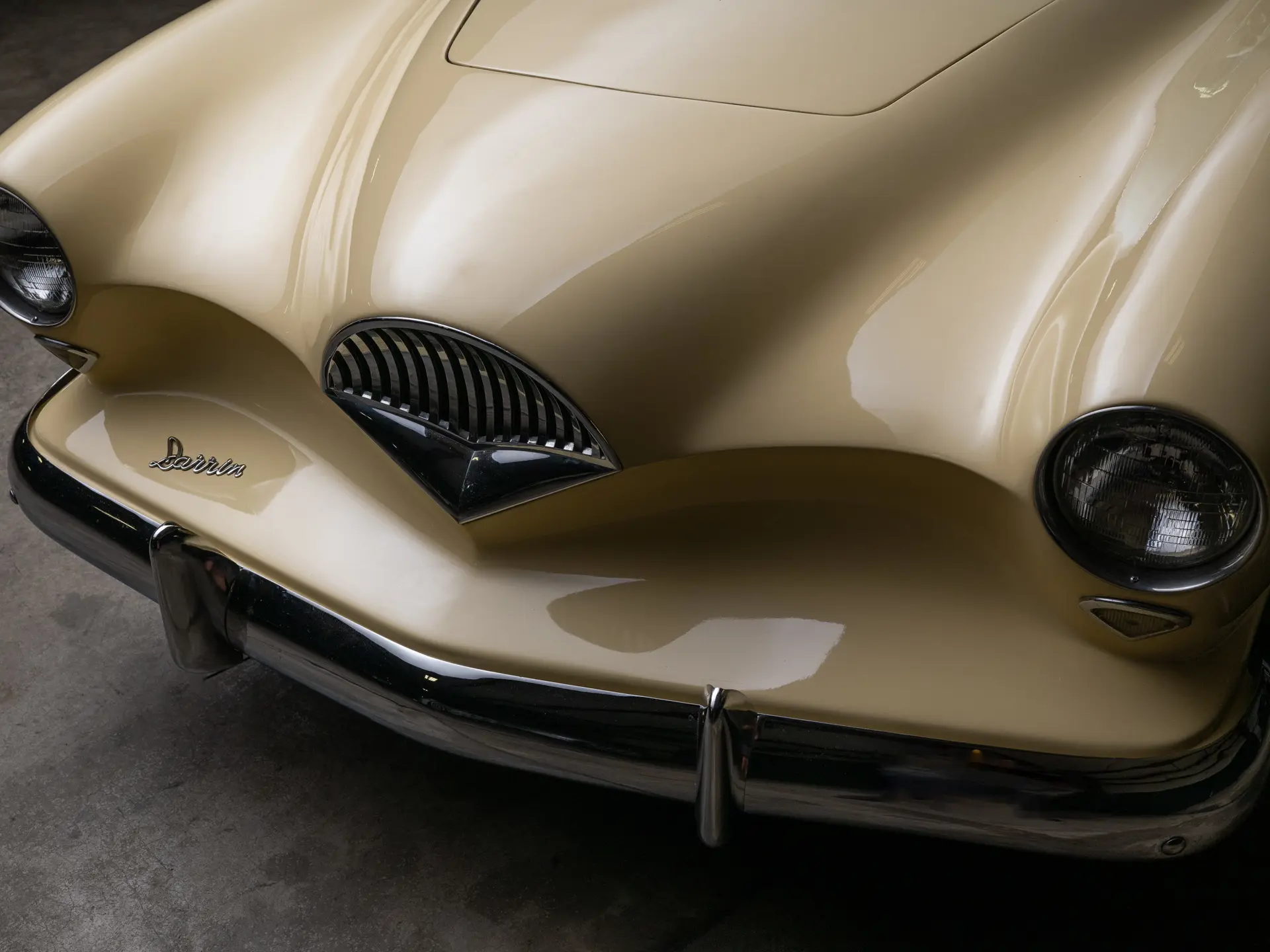
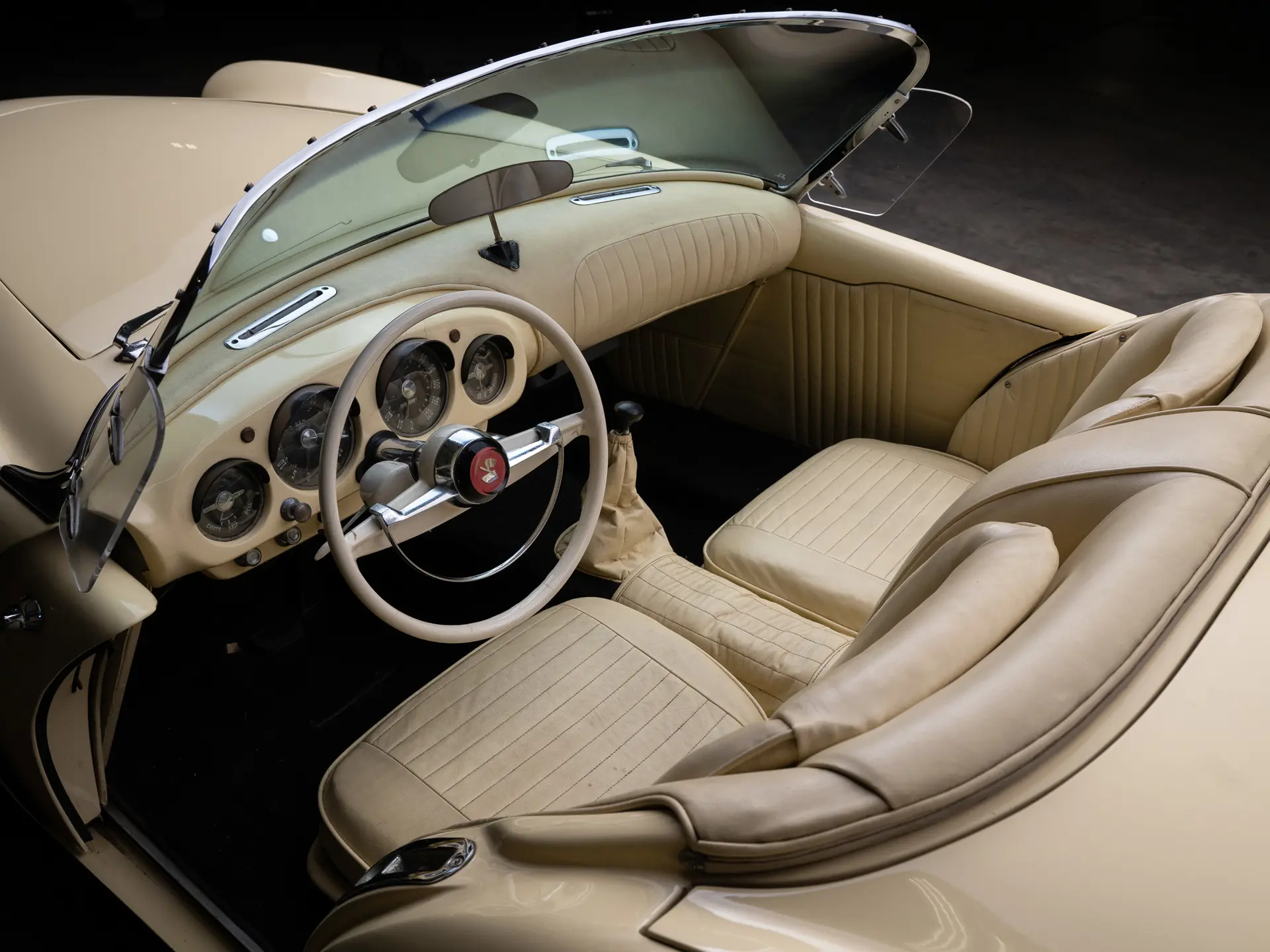
Darrin’s background in luxury coachbuilding meant that every design detail was carefully considered, from the aesthetics to the functionality. One of his trademark features was the three‐position landau soft top. This innovative roof design allowed for partial opening to reduce turbulence inside the cabin at highway speeds, while also offering full coverage when needed. Moreover, the absence of conventional roll-up side windows—replaced instead by sliding side-curtains—gave the Kaiser‐Darrin an unmistakably distinctive profile. These sliding doors, which tucked neatly into compartments behind the front wheels, were a daring design choice. Advocated by Darrin as a safer alternative to outward-opening doors, they provided both style and a unique solution to the challenges of urban driving, despite the occasional inconvenience if debris obstructed the sliding mechanism.
Instrumentation and Interior Layout
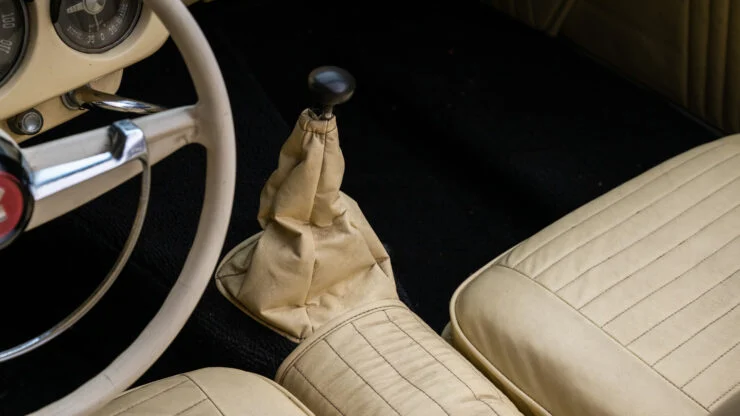
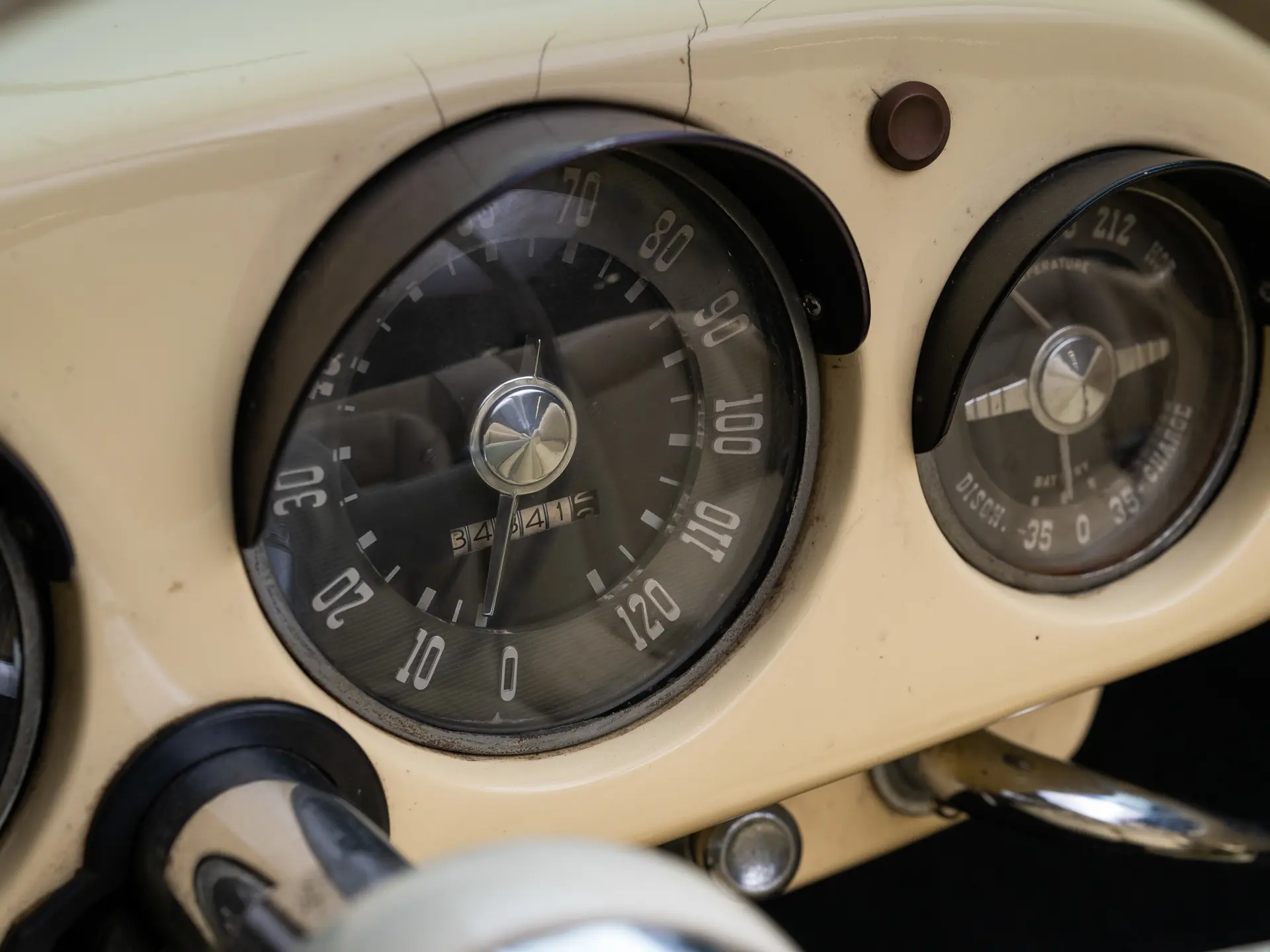
The dashboard of the Kaiser‐Darrin was another area where Darrin’s expertise shone through. In contrast to the luxurious, spread-out instrument panels common in 1930s luxury cars, Darrin opted for a driver-centric layout. By positioning all gauges and controls directly in front of the driver, he ensured that vital information was accessible at a glance—a feature that resonated with the ethos of a sports car designed for spirited driving. This reimagined dashboard not only enhanced the driving experience but also reinforced the car’s identity as a blend of performance and elegance.
The Challenges of Power: Engine Trials and Transformations
The Underpowered Beginning
Despite its advanced design, the Kaiser‐Darrin faced significant engineering challenges—none more critical than its powerplant. The original Henry J. Kaiser car was equipped with a four‐cylinder engine that, despite valiant modifications (including the installation of triple sporting carburetors, an aluminum cylinder head, and an increased compression ratio), failed to deliver the desired performance. Although these tweaks boosted the engine’s output by approximately 25 horsepower, the resulting power was still insufficient for a sports car aspiring to grace the highways of Southern California.
Darrin’s Quest for Performance
Undeterred by the limitations of the initial engine, Darrin embarked on a series of performance upgrades. Taking ownership of the project, he purchased a fleet of fifty weather-damaged and unsold cars—an opportunity to rework and enhance the underpowered vehicles. In Santa Monica’s sunny climes, Darrin installed McCulloch superchargers and refined the carburetion system, transforming the prototypes into machines capable of exceeding 100 miles per hour and achieving a standing 0–60 mph time of roughly 10 seconds. While these modifications demonstrated the untapped potential of the design, they also underscored the inherent difficulties of adapting a utilitarian chassis to the demands of a true sports car.
The Willys Hurricane Solution
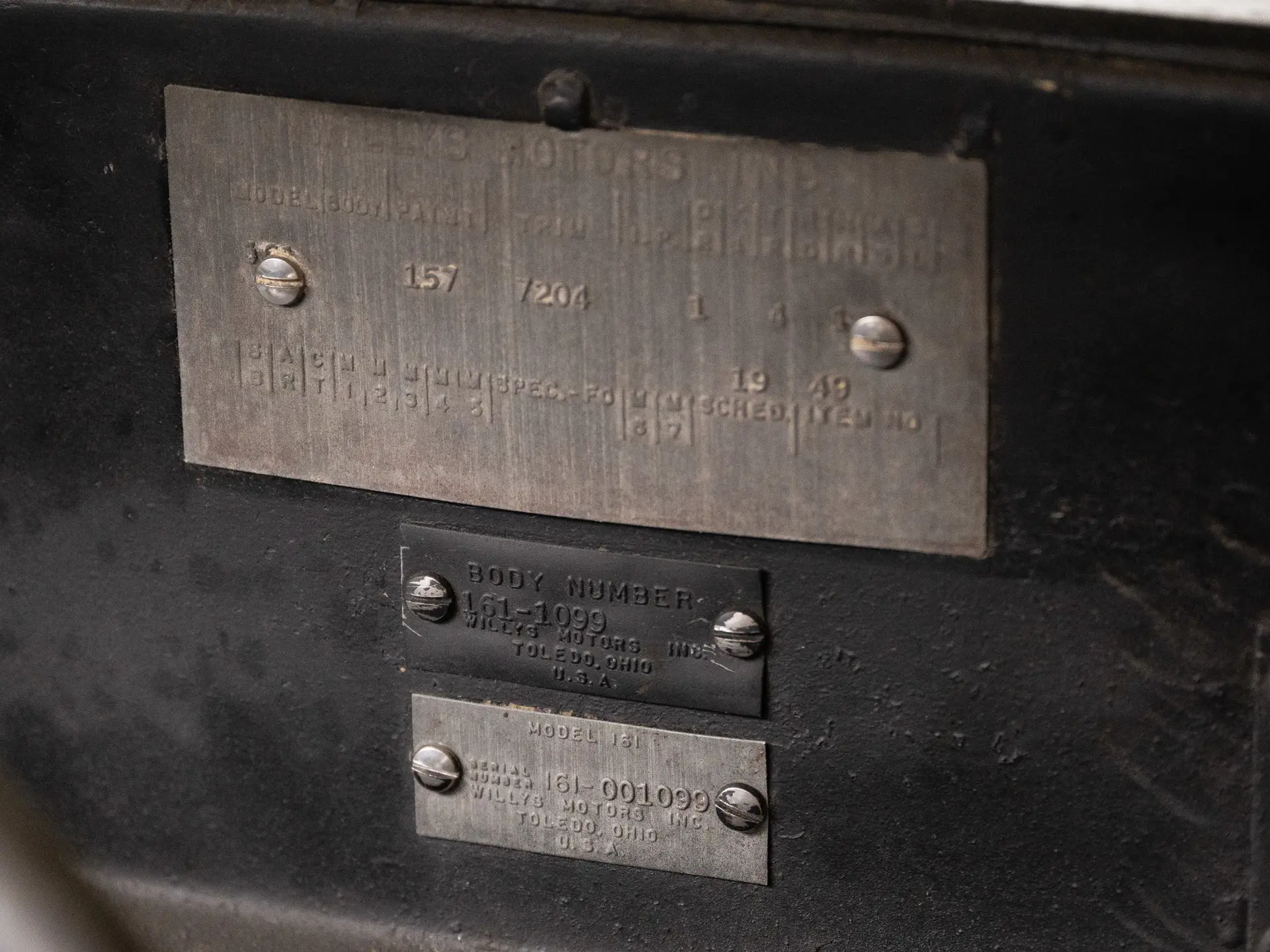
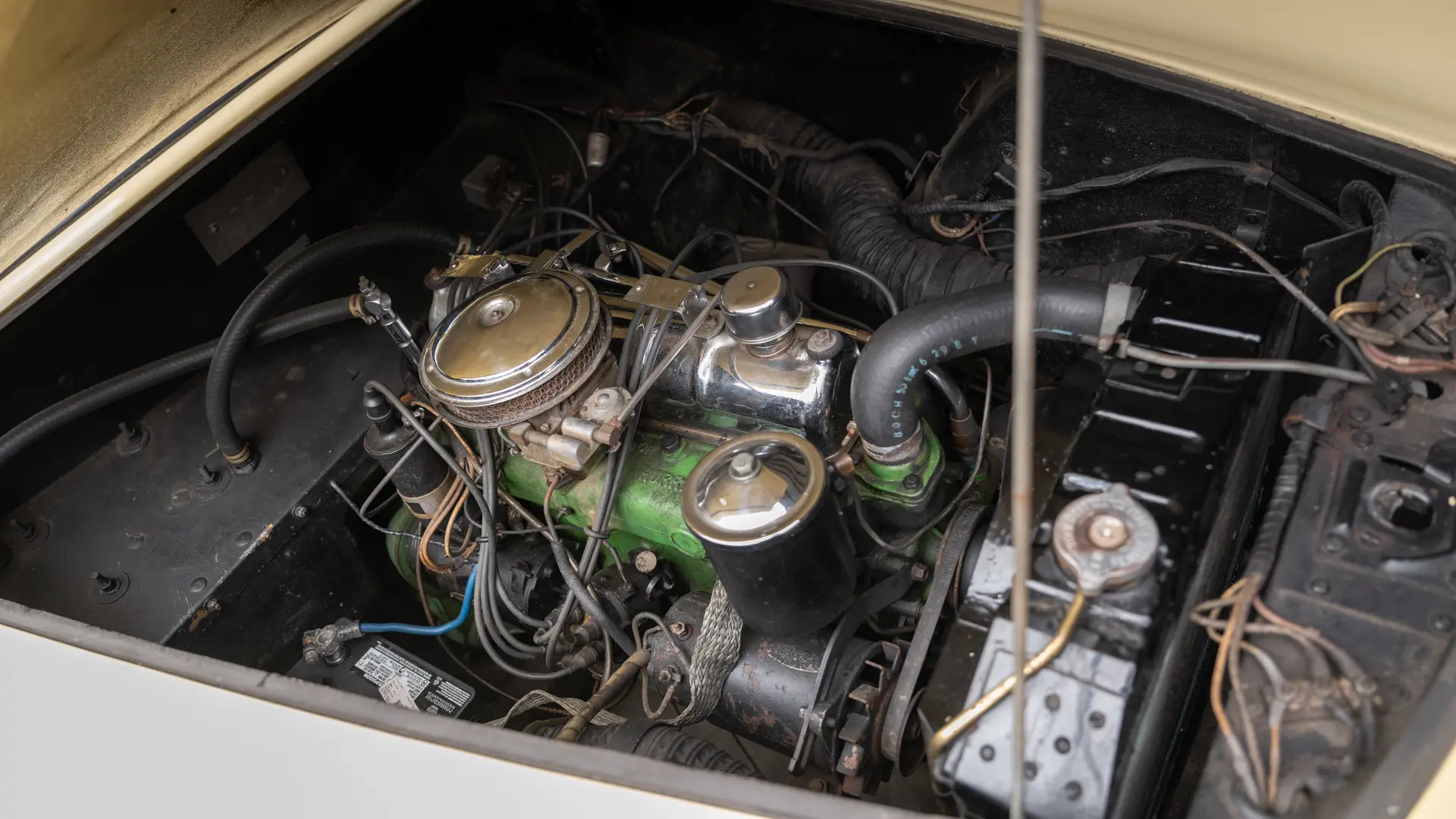
Ultimately, the power dilemma found a partial remedy when Kaiser merged with Willys-Overland, thereby gaining access to the robust 161 cubic inch six-cylinder F-head Willys Hurricane engine. This new powerplant, producing around 90 horsepower, provided a more dependable performance foundation. However, even with the upgraded engine, the Kaiser‐Darrin was never quite able to match the visceral performance of contemporary European sports cars. Rather than a high-octane, red-blooded sports car, the Kaiser‐Darrin evolved into a stylish cruiser—one that prioritized graceful aesthetics and a distinctive character over raw acceleration. Top speeds hovered around 95 mph, with 0–60 mph times in the vicinity of 15 seconds—performance metrics that, while respectable for the era, ultimately placed the car in a niche of its own.
Corporate Intrigue and the Final Go-Ahead
A Prototype’s Unveiling and a Wife’s Persuasion
The turning point in the Kaiser‐Darrin’s tumultuous journey came with a fateful demonstration. Darrin, having developed the prototype in his own time and at his own expense, invited Henry J. Kaiser—the head of the company behind the Henry J. chassis—to witness his creation firsthand. Kaiser, initially skeptical of Darrin’s unorthodox methods and artistic indulgence, was accompanied on the visit by his wife. In a moment that would alter the course of the project, Kaiser’s wife was reportedly captivated by the beauty and uniqueness of the prototype. Her admiration, a silent yet powerful endorsement, convinced Kaiser to reconsider the viability of producing a sports car that deviated from conventional American design.
Corporate Control Versus Creative Freedom
Although Kaiser ultimately decided to place the Kaiser‐Darrin into production in 1954, the relationship between Darrin and the corporate giants was fraught with tension. Darrin’s creative instincts had often clashed with the utilitarian priorities of corporate management. His design ideas, though artistically brilliant, were sometimes seen as too extravagant for the mass market. Nonetheless, Kaiser’s decision to green-light the project—spurred in large part by his wife’s enthusiasm—represented a bold gamble in an industry dominated by the predictable. It was a gamble that would result in the production of a car that, despite its limited numbers, continues to be celebrated for its daring vision and design.
Production, Specifications, and the Roadster’s Performance
A Limited Run with a Grand Ambition
Production of the Kaiser‐Darrin Roadster commenced in a pilot phase in August 1953, with full production following in December of the same year. Despite initial high hopes—Henry J. Kaiser had envisioned selling twice the number ultimately produced—only 435 units were ever built. This scarcity has played a significant role in the car’s enduring allure among collectors and enthusiasts. Each vehicle, imbued with the legacy of Darrin’s artistry and the audacity of its design, became a rare artifact of American automotive history.
Technical Specifications and Features
Under the hood, the standard production Kaiser‐Darrin was powered by the Willys Hurricane inline six-cylinder engine. Paired with a Carter YF carburetor and a three-speed manual transmission, the car delivered a unique blend of performance and drivability. The engine’s 90 horsepower, while modest by modern standards, was matched to a chassis that had been specifically tuned for improved handling. Adjustments to the suspension, braking system, and steering ensured that the car was not only visually stunning but also capable of delivering a refined, if not blisteringly fast, driving experience.
Unique Design Elements
Among the many distinctive features of the Kaiser‐Darrin, several stand out as hallmark innovations:
- Sliding Doors: Forgoing traditional roll-up side windows, the car employed sliding doors that nestled into compartments behind the front wheels. This design was both a stylistic statement and a practical solution for urban driving, despite the occasional drawback of obstructions on the door tracks.
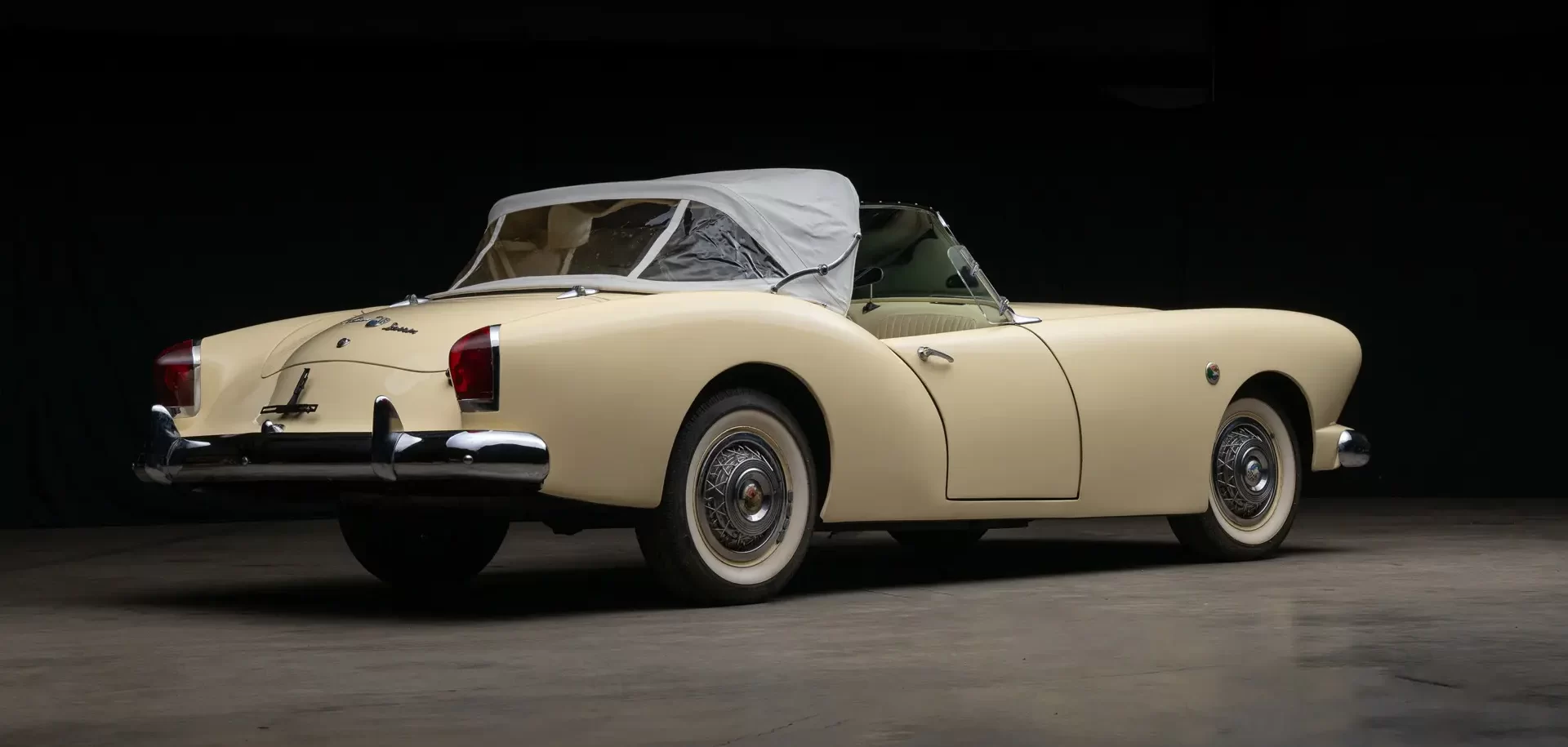
- Three-Position Landau Soft Top: Darrin’s innovative soft top offered three configurations, allowing drivers to adjust the roof for reduced wind resistance or full coverage as weather dictated.
- Driver-Centric Instrumentation: Departing from the norm of the era’s luxury vehicles, the dashboard placed all gauges and controls directly in the driver’s line of sight—enhancing both functionality and the overall driving experience.
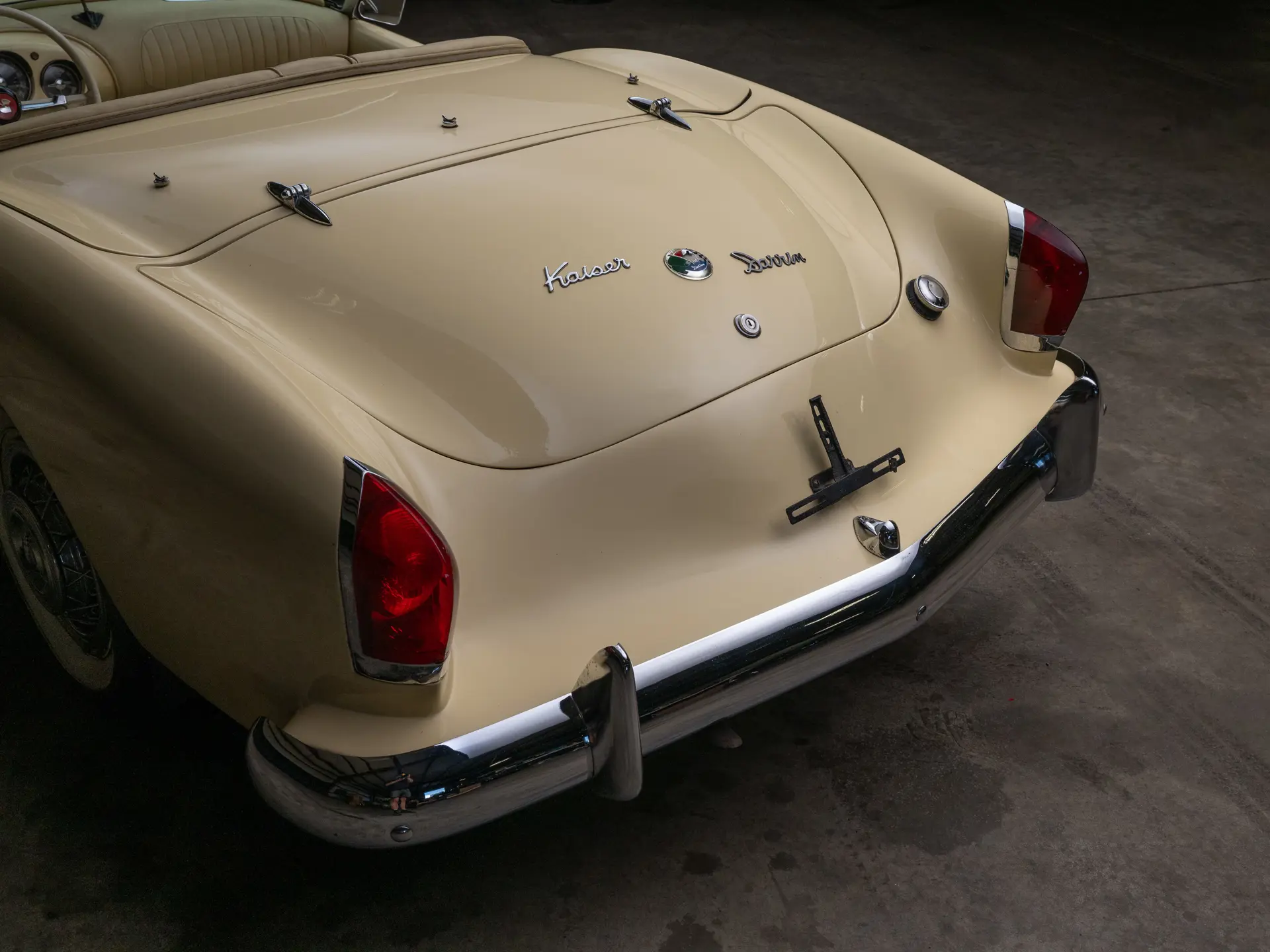
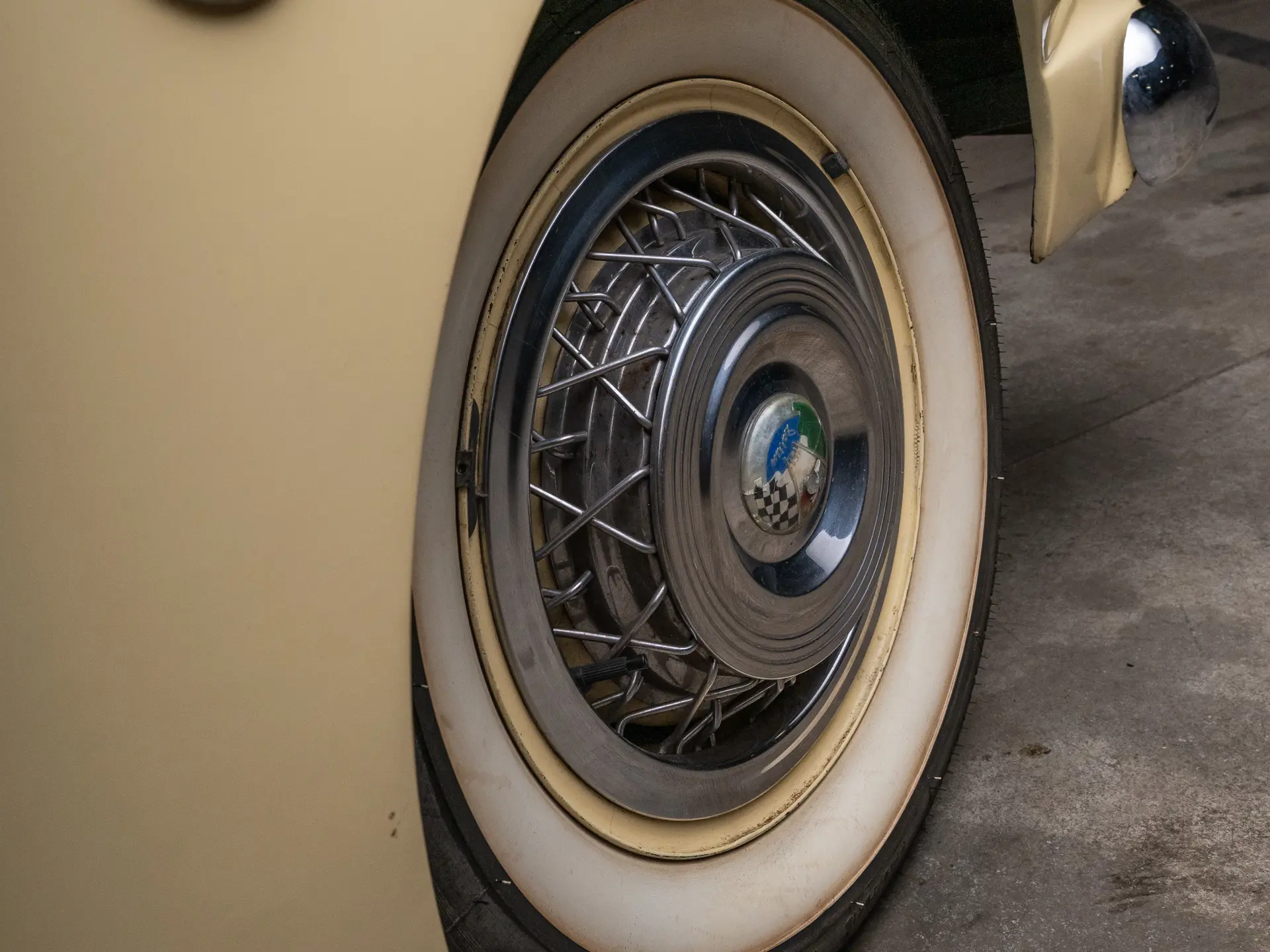
- Color and Finish: The Kaiser‐Darrin was available in an array of finishes including Champagne Lacquer, Red Sail Lacquer, Yellow Satin Lacquer, and Pine Tint Lacquer. One notable example—a production number 99—was finished in Yellow Satin with a contrasting white landau top, complemented by whitewall tires and color-matched wheels with factory wire wheel covers.
Legacy and the Enduring Allure of the Kaiser-Darrin
A Testament to Artistic Vision
The Kaiser‐Darrin Roadster is more than just an automobile; it is a rolling canvas that encapsulates the fusion of American industrial ambition and European artistic expression. Howard “Dutch” Darrin’s career, spanning from the elegant ateliers of Paris to the vibrant streets of Hollywood, is mirrored in the design and spirit of the car he so passionately created. In an era when the automotive industry was increasingly defined by assembly-line production and uniformity, the Kaiser‐Darrin offered a glimpse of what could be achieved when creativity was given free rein.
Collectibility and Cultural Impact
Today, the scarcity of the Kaiser‐Darrin—limited to only 435 production units—has elevated its status among collectors. The car’s unique blend of historical significance, innovative design, and association with a legendary coachbuilder ensures that it remains a prized possession. Enthusiasts appreciate not only its aesthetic appeal but also the narrative of defiance against conventional manufacturing—a story of one man’s relentless pursuit of automotive perfection against all odds.
Modern Recognition and Auction Spotlight
The allure of the Kaiser‐Darrin continues into the modern era. A production model with the production number 99 is scheduled to be featured at the 2024 Monterey auction hosted by RM Sotheby’s. Slated for sale between August 15–17, 2024, this particular example—finished in the striking Yellow Satin paint scheme and boasting the distinctive three-position landau top—offers collectors an exceptional opportunity to own a piece of automotive history. Its appearance at such a prestigious auction underscores the car’s enduring legacy and the high esteem in which it is held by the collector community.
The Cultural Context: American Industry Meets European Elegance
Post-War American Optimism and Innovation
The early 1950s were a time of transformation for the United States. In the wake of World War II, the country was redefining itself—embracing innovation, consumerism, and a renewed sense of optimism. The automotive industry, a cornerstone of American progress, was no exception. While mainstream manufacturers focused on creating vehicles for the masses, a niche market for high-performance, stylish sports cars began to emerge. The Kaiser‐Darrin Roadster was born into this context—a car that, despite corporate constraints, epitomized the daring spirit of an era unafraid to dream big.
Contrasts and Convergence in Design Philosophy
What makes the Kaiser‐Darrin particularly fascinating is its embodiment of contrasting design philosophies. On one hand, the vehicle’s underpinnings were derived from a practical, utilitarian model—the Henry J. car. On the other hand, the body and finishing touches were the result of Darrin’s high-flown, European-inspired vision of beauty and style. This convergence of opposites—practical engineering and lavish coachbuilding—created a sports car that was both accessible and aspirational. It offered a unique proposition: a vehicle that could serve as a reliable cruiser during the day and a head-turning showpiece by night.
Challenges, Compromises, and the Price of Innovation
Engineering Hurdles and the Reality of Production
The journey of the Kaiser‐Darrin Roadster was not without its hurdles. Darrin’s passionate pursuit of automotive excellence often clashed with the rigid frameworks of corporate oversight. The initial engine challenges, for instance, highlighted the difficulty of adapting a chassis not originally intended for high-performance sports driving. While the introduction of performance upgrades—such as the McCulloch supercharger modifications and the subsequent switch to the Willys Hurricane engine—provided temporary solutions, they also underscored the inherent compromises in the project. The resulting performance metrics, though respectable, never fully captured the raw power and agility that one might expect from a dedicated sports car.
The Price of Artistic Ambition
Darrin’s commitment to creating a car that was both a technical marvel and an aesthetic triumph came at a cost. His willingness to invest personal resources and work outside the strict confines of corporate budgets meant that his creative impulses were often stifled by the need to balance cost with innovation. This tension between artistic ambition and practical constraints is a recurring theme in the Kaiser‐Darrin’s story—a narrative that mirrors the broader challenges faced by innovators in any industry. Ultimately, while the car did not achieve the commercial success that Henry J. Kaiser had envisioned, its legacy is defined not by sales figures but by its enduring impact on automotive design and culture.
Reflections on the Kaiser-Darrin’s Enduring Legacy
A Symbol of a Bygone Era
The Kaiser‐Darrin Roadster remains a poignant reminder of a time when the automobile was more than a means of transportation—it was an expression of art, passion, and individuality. Its rarity, combined with the storied history of its creator, ensures that the car continues to captivate collectors, historians, and enthusiasts alike. Each curve, each innovative design element, tells a story of a man who dared to challenge the status quo, fusing European elegance with American practicality to create something truly unique.
Lessons for Modern Automotive Design
In today’s automotive landscape, where efficiency and mass production dominate, the Kaiser‐Darrin offers valuable lessons in the importance of design heritage and the pursuit of individuality. It serves as a case study in how vision and craftsmanship can transcend technical limitations and market pressures. Modern designers, while benefiting from advanced engineering and materials, still find inspiration in the legacy of vehicles like the Kaiser‐Darrin—a reminder that true automotive art comes from the heart as much as it does from the factory floor.
The Future of a Classic
As the automotive world continues to evolve with electrification, autonomous technology, and a renewed focus on sustainability, classic cars like the Kaiser‐Darrin Roadster stand apart as timeless icons of design excellence. Their rarity and historical significance not only spark nostalgic reverence but also invite future generations to appreciate the artistry and dedication that once defined the industry. The upcoming auction of production number 99 at RM Sotheby’s is more than just a sale—it is a celebration of the enduring spirit of innovation that continues to inspire the world of automotive design.
Conclusion
The Kaiser‐Darrin Roadster is a rare gem in the annals of American automotive history—a sports car born from a visionary’s dream that melded the sophisticated artistry of Paris with the bold dynamism of post-war America. From its origins in the elegant coachbuilding houses of 1920s Paris to its transformative reinvention on the streets of Hollywood, the car embodies the passion, innovation, and occasional compromises inherent in the pursuit of excellence.
Howard “Dutch” Darrin’s journey, marked by both triumphs and challenges, is indelibly linked to the car’s narrative. His ability to transform a modest Henry J. chassis into a work of art—complete with pioneering use of fiberglass, innovative sliding doors, and a driver-centric cockpit—demonstrates the heights that can be reached when creativity meets determination. Even as the car’s performance was tempered by the limitations of its original powertrain, the Kaiser‐Darrin Roadster’s design and historical significance continue to captivate the automotive world.
Today, as collectors and enthusiasts look back on an era when automobiles were crafted with as much passion as precision, the Kaiser‐Darrin Roadster stands as a symbol of what might have been—and what still could be, were creative vision allowed to flourish unfettered. With its limited production run of just 435 units and its upcoming spotlight at a prestigious auction (sold for $78,400 USD), this rare American classic not only celebrates a bygone era but also challenges us to rethink the true meaning of automotive artistry.
In a world that increasingly favors homogenized production over individual expression, the story of the Kaiser‐Darrin serves as a timeless reminder that some of the most enduring achievements in design come from taking risks, embracing innovation, and daring to see beauty where others see only utility. As we celebrate this remarkable sports car, we also honor the legacy of Howard “Dutch” Darrin—a man whose creative journey continues to inspire and influence the automotive world, long after the last Kaiser‐Darrin has rolled off the production line.
With its blend of technical ingenuity, artistic flair, and historical significance, the Kaiser‐Darrin Roadster remains one of the few cars that can truly claim the title of an American classic—a car that not only turned heads on the streets of 1950s California but also left an indelible mark on the legacy of automotive design. Whether admired for its innovative use of materials, its elegant yet functional design, or its narrative of perseverance in the face of corporate constraints, the Kaiser‐Darrin stands as a testament to a period when passion and artistry defined the road ahead.