How Advances in Battery Technology Will Drive the Future of Electric Vehicles
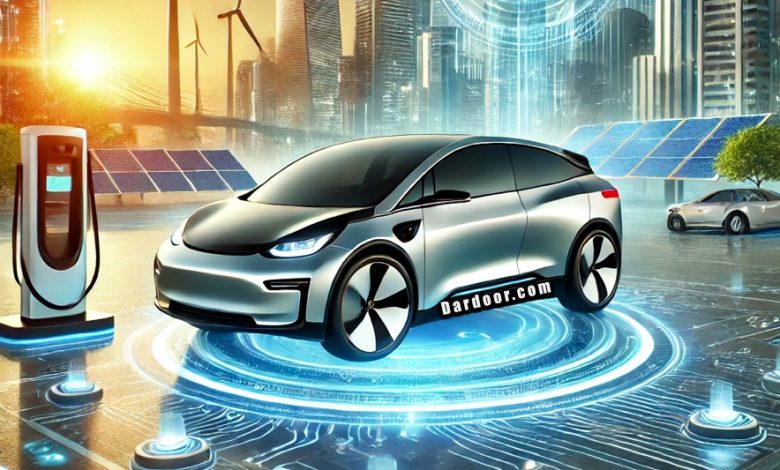
The rise of electric vehicles (EVs) has transformed the global automotive landscape, offering a cleaner, more sustainable alternative to internal combustion engine vehicles. At the heart of this revolution lies battery technology, which determines the performance, cost, and environmental impact of electric cars. As we look ahead, advancements in battery technology promise to redefine the future of electric vehicles, addressing current limitations while unlocking new possibilities. This article explores how innovations in battery design, chemistry, and manufacturing will shape the next generation of electric cars.
1. Increased Energy Density
Energy density—the amount of energy a battery can store relative to its size or weight—is a critical factor in EV performance. Current lithium-ion batteries, while effective, are limited in their energy density. Advances in solid-state batteries, lithium-sulfur batteries, and other emerging chemistries are expected to significantly increase energy density.
Solid-state batteries, for instance, replace the liquid electrolyte in traditional lithium-ion batteries with a solid electrolyte. This change not only enhances energy density but also improves safety by reducing the risk of thermal runaway and fires. A higher energy density translates to longer driving ranges for EVs, enabling them to compete more directly with gasoline-powered vehicles. Future EVs with solid-state batteries could achieve ranges of over 600 miles on a single charge, making them more appealing to consumers.
2. Faster Charging Times
One of the primary barriers to widespread EV adoption is the time it takes to recharge a vehicle compared to refueling a gasoline car. Innovations in battery technology are poised to address this issue. For example, silicon anodes in lithium-ion batteries can dramatically increase charging speeds by allowing faster movement of lithium ions.
Moreover, researchers are developing advanced charging systems that can deliver ultra-fast charging without degrading the battery. Companies like Tesla and Porsche are already exploring charging technologies capable of adding 200 miles of range in just 15 minutes. As these technologies mature, the next generation of EVs will offer unprecedented convenience, eliminating “range anxiety” for drivers.
3. Extended Lifespan and Durability
Battery lifespan and durability are critical for the long-term success of EVs. Current lithium-ion batteries degrade over time, leading to reduced range and performance. However, advancements in battery chemistry, such as the use of solid electrolytes and cobalt-free designs, promise to extend the lifespan of EV batteries.
Future batteries may also incorporate self-repairing materials that can heal minor damage, further improving durability. These innovations will make EVs more cost-effective for consumers by reducing the need for frequent battery replacements. Additionally, longer-lasting batteries will enhance the resale value of EVs, making them a more attractive option in the automotive market.
4. Sustainability and Recycling
The environmental benefits of EVs hinge on the sustainability of their batteries. Current lithium-ion batteries rely on materials like cobalt, nickel, and lithium, which have significant environmental and ethical concerns associated with their extraction. Future battery technologies are focusing on reducing reliance on these materials by developing alternative chemistries such as sodium-ion and magnesium-ion batteries.
Moreover, improved recycling processes are being developed to recover valuable materials from used batteries. Companies like Redwood Materials and Li-Cycle are pioneering advanced recycling techniques that can recover up to 95% of a battery’s components. By closing the loop on battery materials, the next generation of EVs will significantly reduce their environmental footprint.
5. Cost Reduction
Battery costs account for a substantial portion of an EV’s total price. As battery technology evolves, economies of scale, improved manufacturing processes, and new materials will drive costs down. For instance, solid-state batteries are expected to become more affordable as production techniques mature.
Furthermore, advancements in battery design, such as the development of structural batteries that integrate directly into a vehicle’s chassis, could reduce manufacturing complexity and costs. As these cost reductions are passed on to consumers, EVs will become more accessible to a broader audience, accelerating their adoption worldwide.
6. Wireless and Dynamic Charging
The future of EVs may also involve wireless and dynamic charging technologies. Wireless charging pads embedded in parking spaces or garages could eliminate the need for physical connectors, offering greater convenience. Dynamic charging—which allows EVs to charge while driving on specially equipped roads—is another promising innovation.
Although still in the experimental stage, dynamic charging could revolutionize transportation by enabling EVs to travel long distances without stopping to recharge. These technologies, combined with advancements in battery performance, will redefine the driving experience for future EV owners.
7. Integration with Renewable Energy
The synergy between EVs and renewable energy sources is vital for achieving a sustainable future. Advanced battery technologies will enable EVs to serve as energy storage units, storing excess renewable energy generated by solar panels or wind turbines. Vehicle-to-grid (V2G) technology will allow EVs to feed stored energy back into the grid during peak demand periods, supporting grid stability and reducing reliance on fossil fuels.
This bidirectional energy flow will not only benefit the environment but also provide economic incentives for EV owners. As battery technologies improve, the integration of EVs with renewable energy systems will become more efficient and widespread.
8. Lightweight and Compact Designs
The weight and size of batteries are significant considerations for EV design. Heavier batteries can reduce vehicle efficiency, while bulky designs limit interior space. Future advancements in battery materials and architecture, such as the use of carbon nanotubes and graphene, will enable lighter and more compact batteries without compromising performance.
These innovations will allow automakers to design sleeker, more aerodynamic EVs with increased passenger and cargo space. Lightweight batteries will also improve vehicle handling and acceleration, enhancing the overall driving experience.
9. Enhanced Safety Features
Safety is a top priority for EV manufacturers and consumers. While current lithium-ion batteries have made significant strides in safety, the risk of thermal runaway and fires remains a concern. Emerging battery technologies, such as solid-state and lithium-sulfur batteries, offer improved thermal stability, reducing the likelihood of catastrophic failures.
Additionally, advanced battery management systems (BMS) will play a crucial role in monitoring and optimizing battery performance. These systems use artificial intelligence and machine learning to predict and prevent potential safety issues, ensuring the reliability of next-generation EVs.
10. Impact on Commercial and Public Transportation
Future battery technologies will not only transform personal vehicles but also have a profound impact on commercial and public transportation. Electric buses, trucks, and delivery vans will benefit from higher energy densities, faster charging, and extended lifespans. These advancements will enable fleet operators to transition to electric models without compromising efficiency or profitability.
For instance, solid-state batteries could allow electric buses to operate for an entire day on a single charge, reducing downtime and operational costs. Similarly, improved battery technologies will enable electric trucks to handle long-haul routes, accelerating the electrification of the logistics industry.
11. Breakthroughs in Battery Manufacturing
The future of EVs will also be shaped by innovations in battery manufacturing. Techniques like 3D printing and advanced automation are streamlining production processes, reducing costs, and improving quality.
Gigafactories, such as those established by Tesla and CATL, are scaling up production to meet the growing demand for EVs. These facilities are increasingly adopting sustainable practices, such as using renewable energy to power operations and recycling manufacturing waste. As manufacturing technologies advance, the production of EV batteries will become more efficient and environmentally friendly.
12. Global Adoption and Infrastructure Development
The evolution of battery technology will drive global adoption of EVs, supported by the expansion of charging infrastructure. Governments and private companies are investing heavily in building networks of fast chargers, enabling seamless long-distance travel for EVs.
In addition, advancements in battery technology will facilitate the electrification of emerging markets, where access to reliable energy and infrastructure has been a challenge. Compact, affordable EVs with high-performance batteries will empower these regions to transition to sustainable transportation.
Conclusion
The future of electric cars is intrinsically tied to advancements in battery technology. Innovations in energy density, charging speed, lifespan, sustainability, and cost will address the current limitations of EVs, making them more appealing to consumers and businesses alike. As these technologies mature, the next generation of EVs will not only deliver superior performance but also contribute to a more sustainable and interconnected world. The road ahead for electric vehicles is electrifying, and battery technology will be the engine driving this transformative journey.