The Rise and Future of Electric Vehicles: Exploring the Latest Trends
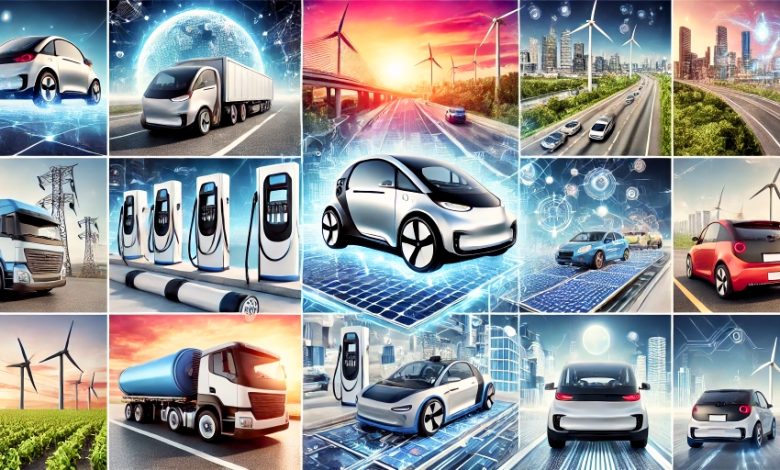
Electric vehicles (EVs) are no longer the futuristic concept they once were; they are a significant force reshaping the automotive and energy industries. With global efforts to combat climate change, reduce greenhouse gas emissions, and promote sustainable energy, EVs have moved from niche markets to mainstream adoption. Governments, automakers, and consumers alike are embracing electric mobility, creating a dynamic landscape filled with rapid innovation and exciting developments.
In this blog, we will explore the current trends shaping the electric vehicle industry, ranging from advancements in technology to shifts in policy and consumer behavior. Whether you’re an enthusiast, an investor, or someone considering purchasing an EV, these trends highlight why the future of transportation is electric.
1. Accelerated Adoption and Market Growth
The global EV market is experiencing unprecedented growth. In 2022 alone, electric car sales surpassed 10 million units, with this number expected to climb exponentially in the coming years. Factors driving this adoption include:
- Government incentives and policies: Governments worldwide are incentivizing EV purchases through subsidies, tax credits, and rebates. For instance, countries like Norway, Germany, and China offer substantial financial incentives, making EVs more affordable to consumers.
- Phasing out internal combustion engines (ICEs): Many nations have set deadlines to ban the sale of new gasoline and diesel cars. The European Union aims to phase out ICE vehicles by 2035, while California has set a target for 2030.
- Corporate fleet electrification: Companies are increasingly transitioning their fleets to electric to reduce carbon footprints and meet sustainability goals. Delivery giants like Amazon and DHL have announced plans to electrify their fleets with thousands of EVs.
This growth is also reflected in consumer demand. A 2023 Deloitte survey found that environmental concerns and rising fuel costs are motivating consumers to switch to EVs, with many citing long-term cost savings as a significant factor.
2. Advances in Battery Technology
Batteries are the heart of electric vehicles, and advancements in battery technology are a key driver of EV innovation. The industry has made tremendous strides in improving battery capacity, charging speed, and lifespan while reducing costs.
- Lithium-ion battery innovation: Modern lithium-ion batteries are becoming more energy-dense, allowing vehicles to achieve ranges of 300 miles or more on a single charge. Companies like Tesla and CATL are pushing boundaries with next-generation battery chemistries.
- Solid-state batteries: One of the most exciting developments is the advent of solid-state batteries, which promise greater energy density, faster charging, and improved safety. Toyota plans to bring solid-state batteries to market by 2025, potentially revolutionizing EV performance.
- Sustainability and recycling: Battery recycling initiatives are gaining momentum. Companies like Redwood Materials are focusing on recovering valuable materials such as lithium, cobalt, and nickel from used batteries, reducing the need for mining and minimizing environmental impact.
As battery technology evolves, EVs are becoming more affordable and practical for the average consumer, helping to overcome range anxiety and other barriers to adoption.
3. Expansion of Charging Infrastructure
Charging infrastructure is a critical component of the EV ecosystem. To support the growing number of electric vehicles on the road, significant investments are being made to expand and improve charging networks.
- Public charging networks: Companies like ChargePoint, EVgo, and Electrify America are rapidly building charging stations across urban areas, highways, and rural regions. Governments are also stepping in, with initiatives like the U.S. Bipartisan Infrastructure Law allocating $7.5 billion to expand EV charging.
- Fast-charging technology: Ultra-fast chargers, capable of delivering 80% charge in under 20 minutes, are becoming increasingly common. For example, Tesla’s V4 Supercharger and Porsche’s Turbo Charging network are setting new benchmarks.
- Wireless charging: Inductive or wireless charging is an emerging trend. Companies like WiTricity are developing systems that allow EVs to charge without plugging in, providing convenience for drivers and paving the way for autonomous EV fleets.
With these advancements, charging an EV is becoming as seamless as refueling a traditional car, addressing a key concern for prospective EV owners.
4. Emergence of Affordable EV Models
One of the biggest barriers to widespread EV adoption has been the higher upfront cost compared to ICE vehicles. However, this gap is closing rapidly.
- Cost parity with ICE vehicles: BloombergNEF predicts that EVs will achieve price parity with gasoline-powered cars by 2025, thanks to falling battery costs and economies of scale.
- Affordable models: Automakers are introducing budget-friendly EVs to attract price-sensitive consumers. For example, General Motors’ Chevrolet Bolt EV and Tesla’s upcoming $25,000 model are expected to make EVs accessible to a broader audience.
- Used EV market: The growing availability of pre-owned electric vehicles is another factor driving affordability. As early adopters upgrade to newer models, a robust second-hand EV market is emerging.
With more affordable options, EVs are poised to appeal to a larger demographic, accelerating adoption rates globally.
5. Integration of Renewable Energy
EVs and renewable energy are a natural pairing, and the integration of the two is a trend gaining significant traction.
- Solar-powered charging stations: Solar-powered EV chargers are being installed in homes and public spaces, allowing drivers to charge their vehicles sustainably. Companies like Envision Solar are leading the charge with innovative solar-powered infrastructure.
- Vehicle-to-grid (V2G) technology: EVs are increasingly being used as mobile energy storage units. With V2G technology, EVs can feed electricity back into the grid during peak demand periods, helping to stabilize the energy system.
- Green manufacturing: Automakers are committing to renewable energy in their production processes. Tesla’s Gigafactories, for instance, are designed to operate on sustainable energy sources.
By aligning with renewable energy, EVs are becoming even more environmentally friendly, reinforcing their role in a sustainable future.
6. Rise of Electric Trucks and Commercial Vehicles
The EV revolution is no longer limited to passenger cars. Electric trucks, buses, and commercial vehicles are becoming a significant segment of the market.
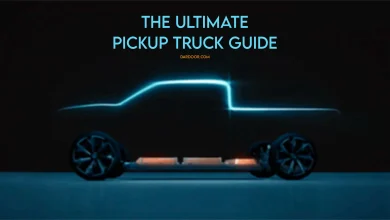
- Electric pickup trucks: Models like the Ford F-150 Lightning, Rivian R1T, and Tesla Cybertruck are making waves in the pickup truck market, catering to consumers who require utility without compromising on sustainability.
- Electric buses: Cities worldwide are adopting electric buses to reduce air pollution and improve urban mobility. Companies like BYD and Proterra are leading suppliers of electric buses globally.
- Logistics and delivery: Electric delivery vans, such as the Mercedes-Benz eSprinter and Rivian EDV, are transforming last-mile logistics. With major corporations committing to zero-emission fleets, this segment is set to grow rapidly.
These vehicles demonstrate that EV technology is versatile and capable of meeting the demands of various industries.
7. Growth of Autonomous and Connected EVs
The convergence of electric vehicles with autonomous driving and connected technology is shaping the future of mobility.
- Autonomous EVs: Companies like Waymo, Tesla, and Cruise are developing self-driving EVs, with applications ranging from ride-hailing services to autonomous delivery. These vehicles promise increased safety, efficiency, and convenience.
- Connected technology: EVs are increasingly equipped with advanced connectivity features, such as over-the-air updates, remote diagnostics, and integration with smart home systems. For example, Tesla’s software updates continually improve vehicle performance and add new features.
- Mobility as a Service (MaaS): Shared electric and autonomous vehicles are becoming part of MaaS solutions, enabling consumers to access transportation on demand without owning a car. This trend is particularly significant in urban areas where car ownership is less practical.
The combination of electrification, autonomy, and connectivity is redefining how people and goods move, creating new business models and opportunities.
8. Focus on Sustainability and Ethical Practices
As the EV industry grows, so does the scrutiny on its environmental and social impact. Sustainability and ethical practices are becoming central to the conversation.
- Ethical sourcing of materials: Automakers are working to address concerns about the environmental and social impacts of mining materials like cobalt and lithium. Companies like BMW and Volvo are prioritizing ethical sourcing and exploring alternatives like synthetic materials.
- Circular economy initiatives: The industry is moving towards a circular economy by designing batteries and components for recyclability. This approach minimizes waste and reduces reliance on raw materials.
- Carbon-neutral manufacturing: Many automakers are setting ambitious targets to achieve carbon-neutral operations. For example, Volvo aims to be a climate-neutral company by 2040.
By prioritizing sustainability, the EV industry is positioning itself as a leader in the global shift toward greener practices.
9. Regional Trends and Global Competition
Different regions are taking unique approaches to EV adoption, leading to diverse trends and competitive dynamics.
- China’s dominance: China is the largest EV market, accounting for over half of global sales. Domestic manufacturers like BYD, NIO, and XPeng are leading the charge, supported by strong government policies and an extensive charging network.
- Europe’s green agenda: Europe is a major driver of EV adoption, with countries like Norway, Sweden, and Germany leading in market share. The EU’s Green Deal and stringent emissions regulations are propelling this growth.
- U.S. resurgence: The U.S. is witnessing a surge in EV adoption, driven by Tesla’s dominance and the Biden administration’s clean energy policies. The Inflation Reduction Act provides substantial incentives for both consumers and manufacturers.
The competition between regions and automakers is fostering innovation and pushing the industry forward.
10. Emerging Technologies and Future Prospects
The future of EVs is filled with potential, driven by emerging technologies and visionary concepts.
- Battery swapping: Companies like NIO are pioneering battery swapping technology, enabling drivers to replace depleted batteries with fully charged ones in minutes.
- Flying EVs: While still in the experimental stage, flying electric vehicles are being developed for urban air mobility. Startups like Joby Aviation are exploring this futuristic mode of transportation.
- Hydrogen fuel cells: Though not strictly electric, hydrogen fuel cell vehicles (FCEVs) are a complementary technology for long-range and heavy-duty applications. Toyota and Hyundai are leading the development of FCEVs.
These innovations underscore the transformative potential of EVs, extending their impact beyond traditional transportation.
Conclusion
The electric vehicle industry is at the forefront of a global shift toward sustainability, innovation, and cleaner energy. As technology advances, infrastructure expands, and prices drop, EVs are becoming an increasingly viable option for consumers and businesses alike. From groundbreaking battery technologies to the integration of renewables and autonomous capabilities, the trends shaping the EV landscape are nothing short of revolutionary.
The road ahead for electric vehicles is bright, promising a cleaner, more connected, and sustainable future. Whether you’re an early adopter or a curious observer, one thing is clear: the age of electric mobility has arrived, and it’s here to stay.