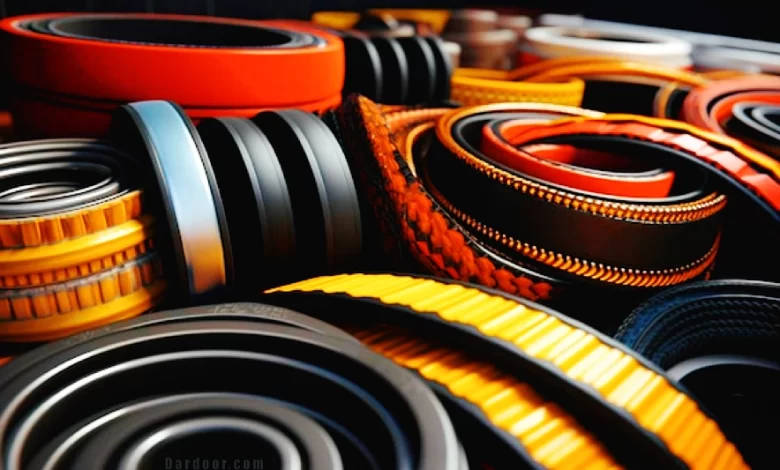
When it comes to vehicle maintenance, few components are as essential—yet often overlooked—as the belts under your car’s hood. Whether it’s the serpentine belt or the timing belt, these crucial parts ensure your engine and accessories function smoothly. But over time, belts can wear out, slip, crack, or even break—leaving you with costly repairs or a car that won’t start at all.
In this comprehensive guide, we’ll explore why car belts fail, what the most common warning signs are, how to prevent it, and when you should schedule a car belt replacement.
What Do Belts Do in a Car?
Before diving into failure causes, it’s important to understand what belts do and why they matter.
1. Serpentine Belt (Accessory Drive Belt)
The serpentine belt is a long, continuous belt that drives multiple components including:
- The alternator
- Power steering pump
- Air conditioning compressor
- Water pump (in some vehicles)
This belt snakes through various pulleys and relies on a tensioner to stay tight and aligned.
2. Timing Belt
The timing belt (or timing chain in some vehicles) synchronizes the camshaft and crankshaft, allowing the engine’s valves to open and close at the correct time. It plays a critical role in engine timing and internal combustion.
Why Do Car Belts Fail?
Car belts are made from rubber and synthetic compounds, designed to withstand high heat, motion, and tension. But they aren’t immune to wear. Below are the top reasons why car belts fail:
1. Normal Wear and Tear
Rubber degrades with time and mileage. As belts age, they develop:
- Cracks
- Fraying
- Loss of tension
- Glazing (shiny, hardened surfaces)
Most serpentine belts last 50,000 to 100,000 kilometers, while timing belts typically last 100,000 to 160,000 kilometers—check your owner’s manual for exact intervals.
2. Heat Damage
Engines generate intense heat. Prolonged exposure to high temperatures can dry out the belt material, causing it to crack, lose elasticity, or become brittle—leading to premature serpentine belt failure.
3. Contamination (Oil or Coolant Leaks)
Leaking engine oil or coolant can come into contact with belts, weakening the rubber and causing it to slip, swell, or disintegrate. Fluid contamination is a major factor in timing belt failure and must be addressed immediately.
4. Pulley Misalignment
If pulleys are not properly aligned, the belt may not sit correctly on them. This leads to:
- Edge fraying
- Uneven wear
- Belt walk-off (coming off the pulleys)
Misalignment also puts strain on the belt, accelerating failure.
5. Worn Tensioners or Idler Pulleys
A failing tensioner can either be too loose or too tight. Either condition results in:
- Belt slippage
- Premature wear
- Poor accessory function
Idler pulleys and tensioners should be inspected or replaced along with the belt to prevent issues.
6. Poor Installation or Low-Quality Parts
Installing a belt incorrectly or using substandard aftermarket parts often leads to early failure. Always use high-quality or OEM-approved belts and follow the recommended tension and routing.
Symptoms of a Bad Car Belt
Identifying a failing belt early can save you from a roadside breakdown. Here are the most common symptoms of a bad car belt:
🔊 1. Squealing or Chirping Noise
A loose or slipping serpentine belt often makes high-pitched noises, especially on startup or acceleration. This could indicate worn tensioners or misaligned pulleys.
👀 2. Visible Cracks or Fraying
Inspect the belt visually. If you see:
- Cracks across the ribs
- Fraying edges
- Missing chunks
- A shiny, glazed surface
…it’s time for a replacement.
⚠️ 3. Flickering Lights or Electrical Issues
A failing serpentine belt can prevent the alternator from charging your battery. This may lead to:
- Dimming headlights
- Dashboard warning lights
- Battery drain
🌀 4. Engine Overheating
If your water pump is belt-driven and the belt slips or breaks, the engine may overheat quickly.
🚫 5. Engine Won’t Start or Sudden Shutoff
If the timing belt breaks, the engine may shut off instantly or fail to start. On interference engines, this can cause severe internal damage—like bent valves or broken pistons.
Real-World Examples of Belt Failures
🧰 Case 1: Serpentine Belt Snaps Due to Oil Leak
Vehicle: 2015 Honda Accord
Issue: Owner noticed battery light flickering and power steering loss. Inspection revealed oil dripping onto the serpentine belt from a valve cover gasket leak. The belt had swelled and cracked.
Fix: Replaced the belt, cleaned pulleys, and repaired the oil leak.
🧰 Case 2: Timing Belt Failure Causes Engine Damage
Vehicle: 2009 Subaru Legacy (2.5L engine)
Issue: Timing belt broke at 170,000 km. The engine was an interference type, so pistons struck open valves.
Fix: Cylinder head rebuild and full timing system replacement—costing over $2,000.
Prevention Tip: Replace belts before recommended mileage is exceeded.
How to Prevent Car Belt Failure
Preventive maintenance is the key to avoiding unexpected breakdowns and expensive repairs. Here’s how to keep your belts in top shape:
✅ 1. Follow Manufacturer’s Replacement Schedule
Stick to the mileage and time intervals provided in your vehicle’s manual. Delaying belt replacement—especially timing belts—can be disastrous.
✅ 2. Inspect Belts During Regular Maintenance
During oil changes or services, ask your technician to check:
-
- Belt condition
- Proper tension
- Pulley alignment
- Fluid contamination
✅ 3. Replace Tensioners and Pulleys Together
When replacing a belt, it’s wise to replace the tensioner and any idler pulleys. A new belt on worn components is likely to fail prematurely.
✅ 4. Use High-Quality or OEM Belts
Avoid cheap, no-name brands. Instead, choose reputable manufacturers like:
-
- Gates
- Dayco
- ContiTech
- Mitsuboshi
High-quality belts last longer and perform better.
✅ 5. Fix Leaks Immediately
Don’t ignore oil or coolant leaks. They can contaminate belts and other components, leading to early failure.
✅ 6. Watch and Listen
Any squeaking, chirping, or performance changes should prompt a belt inspection. Early action prevents bigger issues down the road.
Timing Belts vs. Timing Chains: What’s the Difference?
Some vehicles use a timing chain instead of a belt. Chains are made of metal and typically last longer—but they’re not maintenance-free.
🔍 Key Differences:
| Timing Belt | Timing Chain |
| Made of rubber | Made of metal |
| Needs periodic replacement | May last the life of the engine |
| Quieter operation | Louder operation |
| Less expensive to replace | More expensive to service |
Still, both systems can fail due to oil issues, tensioner failure, or wear—so regular inspections are still important.
When to Replace Your Car Belt: Quick Reference
| Belt Type | When to Replace |
| Serpentine Belt | Every 80,000–100,000 km or 5 years |
| Timing Belt | Every 100,000–160,000 km or as recommended |
| Timing Chain | Inspect at 200,000 km; replace if worn |
🛠️ Different Types of Car Belts and Their Functions (Plus Replacement Costs)
Cars typically rely on several types of belts, each with its own function, lifespan, and replacement cost. Understanding these can help you better maintain your vehicle and avoid unexpected repairs.
1. Serpentine Belt (Accessory Drive Belt)
🔧 Function:
The serpentine belt powers multiple peripheral components in your vehicle, including:
- Alternator
- Power steering pump
- Air conditioning compressor
- Water pump (in some vehicles)
📆 Lifespan:
Approximately 80,000 to 100,000 kilometers or 5 to 7 years.
💰 Replacement Cost:
- Parts: $30 – $80
- Labor: $70 – $150
- Total Average Cost: $100 – $230
💡 Tip: Always replace the belt tensioner and check pulley alignment when installing a new serpentine belt.
2. Timing Belt
🔧 Function:
The timing belt synchronizes the crankshaft and camshaft to ensure proper valve timing. It’s a critical component in internal combustion engines, especially interference engines where a failure can cause serious damage.
📆 Lifespan:
Usually 100,000 to 160,000 kilometers, depending on the vehicle.
💰 Replacement Cost:
- Parts: $100 – $300
- Labor: $400 – $900
- Total Average Cost: $500 – $1,200
⚠️ Important: Timing belt jobs often include the replacement of the water pump, tensioners, and seals to prevent future issues.
3. V-Belts (Found in Older Vehicles)
🔧 Function:
Before serpentine belts became common, cars used V-belts, with separate belts for each accessory (e.g., one for the alternator, one for the power steering, etc.).
📆 Lifespan:
About 50,000 to 80,000 kilometers.
💰 Replacement Cost:
- Parts: $10 – $40 each
- Labor: $60 – $100
- Total Average Cost: $70 – $140 per belt
🛠️ These are easier to replace individually but require more frequent maintenance than serpentine belts.
4. Timing Chain (Instead of a Timing Belt)
🔧 Function:
Found in many newer vehicles, timing chains serve the same purpose as timing belts but are made of metal and are more durable.
📆 Lifespan:
Typically lasts 200,000 kilometers or more, but may need replacement if stretched or noisy.
💰 Replacement Cost:
- Parts: $200 – $500
- Labor: $600 – $1,200
- Total Average Cost: $800 – $1,700
🧰 Timing chain service is more expensive and labor-intensive but less frequently required.
5. Drive Belts (for Auxiliary Systems in Some Vehicles)
🔧 Function:
In some cars, especially older or high-performance models, drive belts run systems like:
- The supercharger
- Fan belts (radiator or A/C fans)
📆 Lifespan:
Varies by use, but generally 40,000 to 80,000 kilometers.
💰 Replacement Cost:
- Parts: $20 – $60
- Labor: $50 – $100
- Total Average Cost: $70 – $160
🧾 Quick Comparison Table
| Belt Type | Function | Lifespan | Replacement Cost (Avg.) |
| Serpentine Belt | Drives accessories like A/C, alternator | 80k–100k km | $100 – $230 |
| Timing Belt | Synchronizes engine timing | 100k–160k km | $500 – $1,200 |
| V-Belt | Drives individual accessories | 50k–80k km | $70 – $140 |
| Timing Chain | Same as timing belt (metal, longer life) | 200k+ km | $800 – $1,700 |
| Drive Belts | Superchargers, fans, or secondary systems | 40k–80k km | $70 – $160 |
Choosing the right belt and replacing it at the right time is crucial for your engine’s health. While serpentine belts and timing belts are the most common, understanding each belt’s function, cost, and maintenance schedule can save you from unexpected breakdowns and expensive repairs.
Always consult your vehicle’s owner’s manual or a certified technician before replacing any belt.
Don’t Underestimate the Power of a Belt
Your car’s belts may seem like small, inexpensive components—but when they fail, they can take your whole engine down with them. By understanding why car belts fail, recognizing the warning signs, and performing timely maintenance, you can keep your vehicle running smoothly for years to come.