
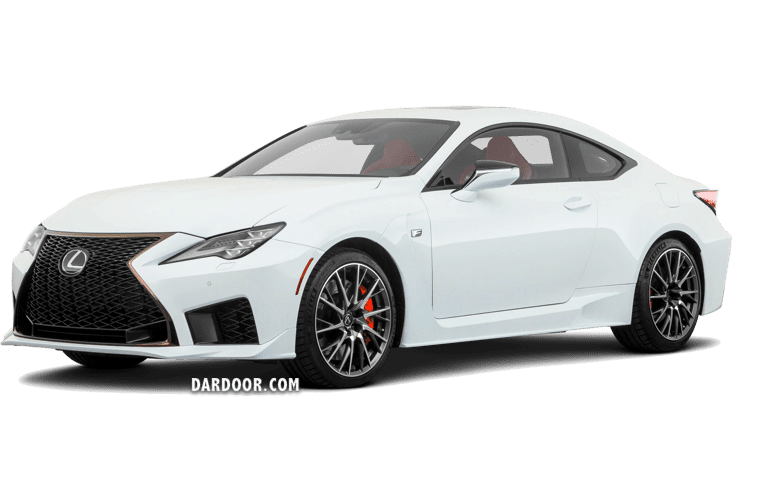
This is the original OEM Electrical Wiring Diagrams Manual for the 2015–2022 Lexus RC F,
provided in a simple, easy-to-use PDF format.
2015-2022 Lexus RC F Wiring Diagram
$24.90
2015–2022 Lexus RC F Wiring Diagram (OEM Electrical Manual EM31G4E) – PDF
This is the original OEM Electrical Wiring Diagrams Manual for the 2015–2022 Lexus RC F,
provided in a simple, easy-to-use PDF format, (LHD & RHD). It includes factory wiring diagrams and electrical schematics for the LHD & RHD used for accurate diagnostics and electrical repairs.
| File Format | |
| File Language | English |
| You’ll Get | 21.9 MB |
| Page Count | 1,761 |
| Delivery Method | Instant Download |
| Searchable & Printable | YES |
Vehicle Coverage
- Model: Lexus RC F (LHD & RHD)
- Model Years: 2015, 2016, 2017, 2018, 2019, 2020, 2021, 2022
- Chassis Code: USC10
- Engine: V8 5.0L 2UR-GSE
- Electrical Manual Reference: EM31G4E
- File Format: PDF
What’s Inside
- Complete factory wiring diagrams and circuit schematics for the LHD & RHD
- Power distribution, grounds, fuses, and relays
- Connector views, pinouts, splice and junction locations
- System wiring for lighting, HVAC, infotainment, and body electronics
- Engine management and sensor wiring support for diagnostics
Why This OEM Manual
- OEM-grade information for precise troubleshooting
- Helps reduce guesswork when diagnosing electrical faults
- Ideal for professional workshops and experienced DIY owners
- Searchable/printable PDF for quick access in the garage
This manual provides detailed instructions for maintenance, disassembly, reassembly, component inspection, adjustment, and diagnostics—intended for use by experienced mechanics. Proper application of this guide will help ensure thorough repairs and maintain your vehicle in peak condition.
Important Note: Before purchasing this manual, please check whether your vehicle is subject to any active service recalls, as authorized dealerships may perform necessary repairs free of charge. When replacing parts, always use genuine OEM components to ensure safety, reliability, and long-term performance.
Table of Contents : 2015-2022 RC F Wiring Diagram
EM31G4E
- Overall Electrical Wiring Diagram
- Relay Locations
- Electrical Wire Routing
- System Wiring Diagram
Sample Pages
CAUTION: This OEM service and workshop repair manual provides detailed procedures for maintenance, disassembly, reassembly, inspection, adjustment, and diagnostics. It is intended as a comprehensive guide for experienced mechanics. To ensure thorough and accurate repairs that maintain your vehicle’s optimal performance, please read and follow this manual carefully. When replacing parts during any repair work, always use genuine Toyota parts to ensure quality, safety, and reliability.
2015-2022 Lexus RC F: Comprehensive Buyer’s Guide
Overview
The Lexus RC F is a high-performance luxury sports coupe that serves as Lexus’s answer to the BMW M4, Mercedes-AMG C63, and Audi RS5. Built on the same platform as the GS sedan, the RC F emphasizes naturally aspirated power, refined luxury, and Japanese reliability over raw track performance.
- Model Years: 2015-2022 (first generation)
- Body Style: 2-door coupe
- Seating: 4 passengers (2+2 configuration)
Key Highlights
- Naturally aspirated 5.0L V8 engine (increasingly rare in modern sports cars)
- Track Edition variant introduced in 2020 with weight reduction and aerodynamic enhancements
- Conservative, evolutionary design changes throughout the generation
- Lexus reliability reputation in a performance package
Technical Specifications
Engine & Performance
Standard Engine (2015-2019)
- Type: 5.0L V8 (2UR-GSE)
- Horsepower: 467 hp @ 7,100 rpm
- Torque: 389 lb-ft @ 4,800 rpm
- Redline: 7,300 rpm
Updated Engine (2020-2022)
- Type: 5.0L V8 (2UR-GSE, revised)
- Horsepower: 472 hp @ 7,100 rpm
- Torque: 395 lb-ft @ 4,800 rpm
Track Edition (2020-2022)
- Same engine as standard 2020+ models
- Weight reduction: ~176 lbs lighter than standard RC F
- Carbon fiber components (hood, roof, rear wing)
- Titanium exhaust system
- BBS forged wheels
Transmission
- 8-speed automatic with paddle shifters (Sport Direct Shift)
- Manual mode with rev-matching
- Multiple drive modes: Normal, Eco, Sport, Sport+, Expert (Track Edition)
Performance Figures
- 0-60 mph: 4.2-4.5 seconds (depending on model year)
- Quarter mile: ~12.5 seconds
- Top speed: 168 mph (electronically limited)
- Fuel economy: 16 city / 25 highway / 19 combined mpg
Drivetrain & Chassis
Drivetrain: Rear-wheel drive (RWD)
Suspension
- Front: Independent double wishbone
- Rear: Multi-link
- Adaptive Variable Suspension (AVS) standard
- Track Edition: stiffer springs, revised dampers, carbon ceramic brakes
Brakes
- Front: 15-inch ventilated discs (6-piston calipers)
- Rear: 13.6-inch ventilated discs (4-piston calipers)
- Track Edition: Optional carbon ceramic brakes (16.1″ front, 14.1″ rear)
Wheels & Tires
- Standard: 19-inch forged aluminum wheels
- Tires: 255/35R19 front, 275/35R19 rear (staggered)
- Track Edition: BBS forged wheels, Michelin Pilot Sport 4S tires
Dimensions & Weight
- Length: 183.5 inches
- Width: 72.5 inches
- Height: 53.8 inches
- Wheelbase: 107.5 inches
- Curb weight: 3,958-3,781 lbs (Track Edition lighter)
- Weight distribution: ~54/46 (front/rear)
Interior & Technology
Infotainment
- 2015-2019: 7-inch display with Remote Touch interface
- 2020-2022: 10.3-inch display with touchpad controller
- Mark Levinson premium audio (17 speakers, available)
- Navigation system (available)
- Bluetooth, USB connectivity
Safety Features
- Standard: 8 airbags, stability control, traction control, backup camera
- Available (later years): Blind spot monitoring, rear cross-traffic alert
- Note: RC F lacks many modern driver assistance features common in competitors
Interior Materials
- Semi-aniline leather upholstery
- Aluminum or carbon fiber trim (Track Edition)
- Heated and ventilated front seats (available)
- Power-adjustable front seats with memory
Top 10 Mechanical and Electrical Issues
1. Carbon Buildup on Intake Valves
Symptoms:
- Rough idle, especially when cold
- Hesitation or stumbling during acceleration
- Reduced power output
- Check engine light with misfire codes (P0300-P0308)
- Poor fuel economy
Root Cause: Direct injection engines don’t have fuel washing over intake valves, allowing carbon deposits to accumulate over time. The RC F’s high-revving V8 is particularly susceptible after 50,000+ miles.
Fix: Walnut blasting service to clean intake valves (chemical cleaning less effective). This involves removing the intake manifold and manually cleaning each valve.
Cost: $600-$1,200 (depending on shop and severity)
2. Dashboard Rattle/Squeak
Symptoms:
- Rattling or squeaking noise from dashboard area
- Most noticeable over bumps or rough roads
- Often comes from passenger side or center console area
- Worsens in hot weather
Root Cause: Poorly secured dashboard components, loose clips, or gaps between panels. The dashboard design has multiple pieces that can develop play over time, especially with temperature cycling.
Fix: Identify specific rattle source and secure with felt tape, foam padding, or replace clips. Dealer TSB involves adding padding/insulation to problem areas.
Cost: $0-$300 (DIY with padding) or $300-$800 (dealer service)
3. Torque Converter Shudder
Symptoms:
- Vibration or shudder during light acceleration (1,500-2,500 rpm)
- Most noticeable at 30-50 mph under light throttle
- Feels like driving over rumble strips
- May improve when transmission is cold
Root Cause: Torque converter lockup clutch develops uneven wear or contamination, causing shudder during engagement. Can be exacerbated by aging transmission fluid or aggressive driving.
Fix: Transmission fluid flush/replacement (may temporarily resolve). Persistent cases require torque converter replacement.
Cost: $200-$400 (fluid service) or $2,500-$4,000 (torque converter replacement)
4. Infotainment System Freezing/Lag
Symptoms:
- Touchpad controller unresponsive or laggy
- Screen freezes or goes black
- Navigation system slow to respond
- Audio system cuts out
- Backup camera delayed or not displaying
Root Cause: Software bugs in the Remote Touch/Enform system. Earlier models (2015-2019) particularly affected. System lacks processing power for complex operations.
Fix: Software updates from dealer. Hard reset (disconnect battery for 10 minutes). In severe cases, multimedia unit replacement may be needed.
Cost: $0-$150 (software update) or $1,500-$3,000 (unit replacement)
5. Brake Squeal/Noise
Symptoms:
- High-pitched squeal when braking, especially at low speeds
- Noise worsens in humid/wet conditions or cold weather
- May disappear after brakes warm up
- No loss of braking performance
Root Cause: High-performance brake pad compound (semi-metallic) naturally produces noise. Brake dust buildup, glazed rotors, or pad vibration against caliper. This is common with performance brakes and not necessarily a defect.
Fix: Clean rotors and pads, apply anti-squeal shims, or replace with different pad compound. Some owners live with the noise as it’s characteristic of performance brakes.
Cost: $50-$200 (cleaning/shims) or $600-$1,200 (pad replacement with premium pads)
6. Door Lock Actuator Failure
Symptoms:
- One or more doors won’t lock/unlock with key fob or interior button
- Clicking or grinding noise from door when attempting to lock
- Door locks work intermittently
- Smart key system doesn’t recognize key proximity for that door
Root Cause: Electric door lock actuators wear out over time, especially in high-use areas (driver’s door). Internal gears strip or motor fails. More common in humid climates.
Fix: Replace failed door lock actuator(s). Requires door panel removal.
Cost: $300-$600 per door (parts and labor)
7. Fuel Injector Failure/Leaking
Symptoms:
- Rough idle or misfires
- Smell of raw gasoline in engine bay
- Visible fuel leaks on intake manifold
- Check engine light with fuel trim or misfire codes
- Hard starting, especially when hot
- Reduced fuel economy
Root Cause: Direct fuel injectors operate at extremely high pressure (2,000+ psi) and can develop internal seal failures or clogging. Early model years (2015-2017) had higher failure rates.
Fix: Replace failed injector(s). Often recommended to replace all 8 injectors for consistency if one fails at high mileage.
Cost: $400-$800 per injector (single replacement) or $2,500-$4,000 (all 8 injectors)
8. Water Pump Failure
Symptoms:
- Coolant leak from front of engine (often visible on garage floor)
- Whining or grinding noise from front of engine
- Engine overheating
- Low coolant warning light
- Steam from under hood
Root Cause: Electric water pump bearings or seals fail over time, typically around 60,000-100,000 miles. The V8 engine generates significant heat, stressing the cooling system.
Fix: Replace water pump, thermostat, and coolant. Inspect hoses and other cooling system components during service.
Cost: $800-$1,500 (parts and labor)
9. Oxygen Sensor Failure
Symptoms:
- Check engine light with P0420, P0430 codes (catalyst efficiency)
- Reduced fuel economy
- Failed emissions test
- Sluggish acceleration
- Rough idle
Root Cause: Upstream or downstream oxygen sensors degrade over time due to heat exposure and contaminants in exhaust. The high-performance V8 runs hot, accelerating sensor wear. Typical failure point: 80,000-120,000 miles.
Fix: Replace failed oxygen sensor(s). The RC F has 4 oxygen sensors (2 upstream, 2 downstream).
Cost: $200-$400 per sensor (parts and labor)
10. Alternator Bearing Noise/Failure
Symptoms:
- Whining, grinding, or squealing noise from engine bay that increases with RPM
- Battery warning light on dashboard
- Dimming headlights or interior lights
- Electrical accessories functioning poorly
- Dead battery despite recent replacement
Root Cause: Alternator bearings wear out over time, typically 100,000+ miles. The high-revving engine puts additional stress on the alternator. Belt misalignment can accelerate bearing wear.
Fix: Replace alternator. Check drive belt condition and tension during replacement.
Cost: $600-$1,200 (parts and labor)
Top 5 Competitors
1. BMW M4 (F82/G82)
- Specs: 3.0L twin-turbo I6, 425-503 hp (Competition)
- Pros: Superior handling dynamics, more advanced technology, better steering feel, lighter weight
- Cons: Higher maintenance costs, less reliable, more expensive to own long-term
- Price Range: $70,000-$85,000 (comparable years)
2. Mercedes-AMG C63 Coupe (C205)
- Specs: 4.0L twin-turbo V8, 469-503 hp (S model)
- Pros: More torque, luxurious interior, incredible engine sound, launch control
- Cons: Expensive maintenance, complex electronics, heavy, fuel-thirsty
- Price Range: $68,000-$80,000 (comparable years)
3. Audi RS5 (B9)
- Specs: 2.9L twin-turbo V6, 444 hp
- Pros: Quattro AWD (all-weather capability), refined interior, advanced tech, better daily usability
- Cons: Less engaging to drive, numb steering, expensive options, turbocharged (lacks NA character)
- Price Range: $70,000-$77,000 (comparable years)
4. Chevrolet Camaro SS / ZL1
- Specs: 6.2L V8, 455 hp (SS) / 650 hp (ZL1 supercharged)
- Pros: Raw power, excellent performance value, manual transmission available, track-focused variants
- Cons: Poor visibility, less refined interior, lower perceived quality, harsher ride
- Price Range: $42,000-$65,000 (SS to ZL1)
5. Porsche 718 Cayman S / Cayman GTS
- Specs: 2.5L turbo flat-4, 350-394 hp
- Pros: Superior handling, mid-engine balance, Porsche pedigree, excellent manual transmission option
- Cons: Less power, 4-cylinder engine (no V8 sound), expensive options, smaller/less practical
- Price Range: $65,000-$85,000 (comparable years)
💪 RC F’s Competitive Position: The RC F offers naturally aspirated V8 character, superior reliability, and lower ownership costs compared to German rivals. It sacrifices some handling sharpness and technology for a more comfortable, reliable performance package.
Top 10 Recalls, Advisories & TSB Highlights
Recalls
1. Recall 20V-024 (February 2020) – Fuel Pump Failure
- Affected: 2020 RC F models
- Issue: Low-pressure fuel pump may fail, causing engine stalling
- Fix: Replace fuel pump assembly (free at dealer)
2. Recall 18V-659 (October 2018) – Brake Stroke Simulator
- Affected: 2015-2018 RC F
- Issue: Brake stroke simulator cushion material may detach, reducing braking effectiveness
- Fix: Replace brake stroke simulator (free at dealer)
3. Recall 15V-526 (August 2015) – Airbag Inflator
- Affected: 2015 RC F (early production)
- Issue: Takata airbag inflator recall – risk of rupture
- Fix: Replace passenger airbag inflator (free at dealer)
4. Recall 19V-023 (January 2019) – Engine Stall
- Affected: 2019 RC F
- Issue: Engine control software may cause unexpected engine stall
- Fix: Software update to ECU (free at dealer)
Technical Service Bulletins (TSBs)
5. TSB L-SB-0081-19 (March 2019) – Dashboard Rattle/Squeak
- Issue: Various rattles and squeaks from dashboard and interior panels
- Fix: Add felt padding to specific locations, secure clips, install foam insulators
- Notes: Common complaint; dealer may need multiple attempts to identify source
6. TSB L-SB-0094-18 (June 2018) – Infotainment System Lag
- Issue: Remote Touch system slow to respond, screen freezing
- Fix: Software update to multimedia system
- Notes: Multiple updates released; 2020+ models have improved hardware
7. TSB L-SB-0138-20 (August 2020) – Transmission Shudder
- Issue: Vibration or shudder during light acceleration
- Fix: Transmission fluid replacement with updated fluid specification
- Notes: May require torque converter replacement if fluid service doesn’t resolve
8. TSB L-SB-0057-17 (April 2017) – Brake Squeal
- Issue: Brake noise during light braking
- Fix: Install revised brake pads and/or anti-squeal shims
- Notes: Considered normal characteristic of high-performance brakes by some dealers
9. TSB L-SB-0112-19 (July 2019) – Carbon Buildup Cleaning
- Issue: Rough idle, hesitation due to intake valve carbon deposits
- Fix: Walnut blasting service to clean intake valves
- Notes: Preventive maintenance recommended every 60,000-80,000 miles
10. TSB L-SB-0145-21 (May 2021) – Door Lock Actuator Noise
- Issue: Clicking or grinding noise from door locks
- Fix: Replace door lock actuator with updated design
- Notes: Most common on driver’s door due to higher use
Maintenance Schedule
Regular Maintenance Intervals
Every 5,000-10,000 Miles
- Oil and filter change (0W-20 synthetic oil, 8.6 quarts)
- Multi-point inspection
- Tire rotation
- Brake inspection
Every 15,000 Miles
- Cabin air filter replacement
- Comprehensive vehicle inspection
Every 30,000 Miles
- Engine air filter replacement
- Brake fluid inspection (replace every 2-3 years regardless of mileage)
- Coolant inspection
- Differential fluid inspection
Every 60,000 Miles
- Spark plug replacement (iridium plugs)
- Critical: Intake valve carbon cleaning (walnut blasting) – highly recommended
- Transmission fluid replacement (drain and fill)
- Differential fluid replacement
- Inspect/replace drive belts
- Coolant replacement
Every 90,000-100,000 Miles
- Repeat 60,000-mile services
- Water pump inspection/replacement (if not already done)
- Inspect fuel injectors and fuel system
Track/Performance Driving Additions
If regularly tracking the car:
- Oil changes every 3,000-5,000 miles
- Brake fluid flush before track days
- Inspect brake pads and rotors after each track session
- More frequent differential fluid changes (every 30,000 miles)
- Track Edition: Carbon ceramic brake inspection
Estimated Annual Maintenance Costs
- Basic maintenance (10,000 miles/year): $800-$1,500
- Major service years (60k mile service): $2,000-$3,500
- Unexpected repairs (average): $500-$1,500/year
Total 5-Year Ownership Cost (excluding insurance/fuel): $8,000-$15,000
10 FAQs for Buyers
1. Is the Lexus RC F reliable compared to German competitors?
Yes, the RC F is significantly more reliable than its BMW, Mercedes, and Audi counterparts. It shares the proven 2UR-GSE V8 engine with the IS F and GS F, which has an excellent track record. Lexus consistently ranks among the top brands for reliability. While the RC F isn’t immune to issues (see issues section above), repair frequency and costs are much lower than German performance cars. Expected reliability rating: 4/5 stars.
2. Should I buy a 2015-2019 or wait for a 2020-2022 model?
2020-2022 advantages: Revised engine (+5 hp), improved infotainment (10.3″ screen), slightly updated styling, Track Edition availability, better software, addressed some early issues.
2015-2019 advantages: Lower purchase price ($10,000-$20,000 less), mechanically very similar, easier to find used inventory.
Recommendation: If budget allows, 2020+ models are worth the premium for the improved technology and refinements. However, 2017-2019 models represent excellent value with minimal performance differences.
3. What’s the real-world fuel economy?
Expect 16-18 mpg in mixed driving, 13-15 mpg in aggressive city driving, and 23-26 mpg on highway cruises. Premium fuel (91+ octane) is required. Annual fuel costs average $3,000-$4,000 depending on driving habits and fuel prices. The naturally aspirated V8 is thirstier than turbocharged German rivals but offers better throttle response and character.
4. Is the RC F good for daily driving?
Pros: Comfortable ride (in Normal mode), spacious front seats, decent trunk (10.4 cu ft), excellent build quality, reliable, quiet at cruising speeds.
Cons: Poor rear seat space (adults uncomfortable), stiff ride in Sport+, heavy (hurts agility), limited visibility, drinks premium fuel.
Verdict: The RC F makes a surprisingly good daily driver if you don’t regularly carry rear passengers. It’s more comfortable than an M4 or C63 but less practical than an Audi RS5 with AWD.
5. How does it perform on the track?
The RC F is capable on track but prioritizes comfort over razor-sharp handling. It’s heavier than competitors (3,900+ lbs), which affects agility and tire wear. However, the naturally aspirated V8 provides excellent throttle response, brakes are strong, and the chassis is predictable. The Track Edition significantly improves track capability with weight reduction, carbon ceramics, and better aero.
Best for: Occasional track days, canyon driving, spirited weekend runs Not ideal for: Dedicated track car or competitive time attack
6. What should I look for when buying a used RC F?
Inspection priorities:
- Service records (oil changes every 5,000-7,500 miles?)
- Signs of track use (brake wear, tire condition, undercarriage damage)
- Carbon buildup symptoms (rough idle on cold start)
- Infotainment system functionality (test all features)
- Dashboard rattles (test drive over rough roads)
- Door lock operation (all doors with key fob)
- Transmission shudder test (30-50 mph light acceleration)
- Tire tread depth and uneven wear patterns
- Paint condition (chips from spirited driving?)
- Check for open recalls via VIN
⚠️ Red flags: Modifications (tune, exhaust, suspension), inconsistent service history, track day stickers, excessive wear, accident history.
7. How much does insurance cost?
The RC F is expensive to insure due to its performance car classification and high repair costs. Expect $1,800-$3,500/year depending on:
- Age and driving record
- Location
- Coverage levels
- Deductibles
👉 Tips to reduce costs: Bundle with home insurance, maintain clean driving record, consider higher deductibles, shop multiple insurers, inquire about low-mileage discounts.
8. Will the RC F appreciate or hold value?
Current depreciation trends: The RC F depreciates moderately, losing 40-50% of original value in the first 5 years. However, depreciation is slowing as the model has been discontinued (replaced by RC F FUJI Speedway Edition as the final variant).
Appreciation potential: Track Edition models and low-mileage, pristine examples may appreciate modestly over the next 5-10 years as naturally aspirated V8 sports cars become rarer. Standard models will likely stabilize around $35,000-$45,000 for well-maintained examples.
Best investment: Track Edition, Fuji Speedway Edition, or low-mileage (<30k) 2020+ models kept stock.
9. Can I modify the RC F, and what are the best upgrades?
Popular modifications:
- Exhaust (headers, cat-back): +10-15 hp, better sound ($1,500-$5,000)
- ECU tune: +15-25 hp, improved throttle response ($800-$1,500)
- Intake: +5-10 hp, increased induction noise ($400-$800)
- Suspension (coilovers, sway bars): Improved handling ($2,000-$4,000)
- Wheels and tires: Reduced weight, better grip ($2,500-$5,000)
🛑 Caution: Heavy modifications void warranty and reduce resale value. Keep stock parts. Forced induction (supercharger) kits exist but are expensive ($10,000+) and stress the engine.
10. What’s the difference between RC F and RC F Track Edition?
Track Edition exclusives:
- Weight reduction: ~176 lbs lighter (carbon fiber hood, roof, rear wing; titanium exhaust; BBS forged wheels)
- Aerodynamics: Fixed carbon fiber rear wing, front splitter
- Brakes: Optional carbon ceramic rotors (16.1″ front, 14.1″ rear)
- Suspension: Track-tuned springs and dampers
- Wheels: BBS forged wheels with Michelin Pilot Sport 4S tires
- Interior: Alcantara and carbon fiber trim, no rear seats
- Performance: Improved lap times, better track endurance
Price premium: $15,000-$20,000 over standard RC F when new
Worth it? Only if you regularly track the car. For street driving, standard RC F offers better value.
Final Buyer Recommendations
Who Should Buy the RC F?
✅ Ideal buyers:
- Enthusiasts who value naturally aspirated V8 character over turbocharged efficiency
- Buyers prioritizing reliability and lower long-term ownership costs over cutting-edge technology
- Those who want a comfortable GT car with performance capability, not a hardcore track weapon
- Lexus brand loyalists seeking a performance halo car
- Second car / weekend toy buyers who don’t need practicality
❌ Not ideal for:
- Buyers needing rear seat utility or family hauling capability
- Track day addicts seeking the sharpest handling (consider M4, Cayman, or Track Edition)
- Technology enthusiasts wanting latest driver aids and infotainment
- Those on a tight budget (maintenance and fuel costs add up)
- Drivers in snowy climates needing AWD (consider RS5)
Best Model Years & Configurations
Best overall value: 2017-2019 RC F
- Depreciated significantly from original $65,000+ price
- Mechanically mature (early issues addressed)
- Available for $40,000-$55,000 depending on miles
- Similar performance to 2020+ models
Best for enthusiasts: 2020-2022 RC F Track Edition
- Ultimate RC F experience with weight reduction and aero
- Collectible potential as a special edition
- Worth the premium if regularly tracking
- Price range: $70,000-$90,000
Best technology: 2020-2022 RC F standard
- Improved infotainment (10.3″ screen)
- Revised engine for slightly more power
- Latest software updates
- Price range: $55,000-$75,000
Best bargain: 2015-2016 RC F
- Lowest entry price ($35,000-$45,000)
- Same core experience as later models
- Accept older infotainment and minor quirks for significant savings
Pre-Purchase Checklist
- Obtain complete service records (prioritize regular oil changes)
- Pre-purchase inspection by Lexus dealer or qualified mechanic
- Test drive on highway (check for transmission shudder at 40-50 mph)
- Cold start test (listen for rough idle indicating carbon buildup)
- Verify no open recalls via VIN lookup
- Check for accident history (Carfax/AutoCheck)
- Test all electronics (infotainment, locks, climate, seats)
- Inspect tires for uneven wear or track use indicators
- Negotiate oil analysis test if high-mileage (>60k miles)
- Budget for immediate walnut blasting service if over 60k miles without record of it
Negotiating Tips
- Depreciation leverage: RC Fs depreciate quickly; use comparable listings to negotiate
- Maintenance argument: Point out upcoming major services (60k mile service, carbon cleaning)
- Seasonal timing: Better deals in winter months (performance cars sell slower)
- Private party vs. dealer: Private party typically 10-15% cheaper but no warranty
- Certified Pre-Owned (CPO): Worth considering for warranty coverage ($2,000-$3,000 premium)
- Target price: Aim for 10-15% below asking price for private party, 5-10% for dealers
Ownership Cost Reality Check
Year 1: Purchase price + $1,000-$1,500 maintenance + $3,500 fuel + $2,500 insurance = Total ~$8,000-$10,000(beyond purchase)
Ongoing annual costs:
- Insurance: $2,000-$3,000
- Fuel (12,000 miles): $3,000-$4,000
- Maintenance: $1,000-$2,000 (routine)
- Repairs/unexpected: $500-$2,000 (average)
Important: 5-year ownership estimate: $35,000-$50,000 in operating costs alone
Final Verdict
The 2015-2022 Lexus RC F is an excellent choice for enthusiasts seeking a reliable, characterful V8 sports coupe who are willing to accept slightly less cutting-edge technology and handling sharpness than German competitors. Its naturally aspirated V8, Lexus reliability, and lower long-term costs make it a smart alternative to the M4, C63, and RS5.
Overall Rating: 8.0/10
Strengths:
- Outstanding reliability for a performance car
- Glorious naturally aspirated V8 engine
- Comfortable daily driving capability
- Lower ownership costs than competitors
- Excellent build quality
Weaknesses:
- Heavy weight (3,900+ lbs) compromises agility
- Dated infotainment (2015-2019)
- Poor rear seat practicality
- Thirsty (premium fuel, 16-18 mpg real-world)
- Less engaging steering than M4/Cayman
🔔 Note: Buy it if you value character, reliability, and V8 soundtrack over track times and tech features. Skip it if you need practicality, cutting-edge technology, or maximum performance per dollar.
| File Language | English |
|---|---|
| You'll Get | 21.9 MB |
| Page Count | 1,761 |
| Instant Download | YES |
Related products
-
2006 Lexus Wiring Diagram (IS300, IS250, IS220d)
$16.90 Add to cart -
2015-2021 Lexus RC 300h Wiring Diagram
$24.90 Add to cart -

2002-2005 Lexus IS300 Repair Manual
$16.90 Add to cart -

2010-2013 Lexus GX 460 Repair Manual
$24.90 Add to cart -

2008-2011 Lexus RX450h Repair Manual
$16.90 Add to cart -

2007-2015 lexus LX 570 and LX 460 Wiring Diagram
$24.90 Add to cart -

2008-2015 lexus RX350 and RX270 Wiring Diagram
$19.90 Add to cart -
2006-2011 Lexus GS430 Repair Manual
$19.90 Add to cart