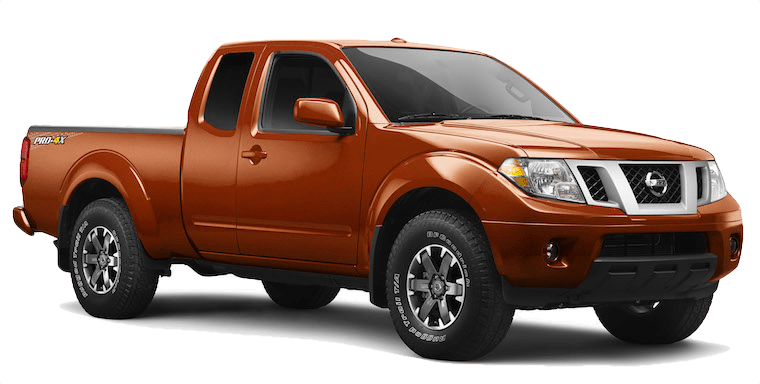
Get the original OEM workshop service and repair manual for the 2016 Nissan Frontier (D40 series), provided in an easy-to-use PDF format.
Engine & Performance
- 4.0 L V6 Gasoline (North America Frontier)
- Naturally aspirated VQ40DE V6 producing ≈261 hp (194 kW) @ 5600 rpm and ≈281 lb-ft (381 Nm) of torque @ 4000 rpm. Nissan News ↗
- Paired with a 5-speed automatic (some trims offer a 6-speed manual). auto123.com ↗
- Towing capacity up to ~6,500 lbs (≈2948 kg) when properly equipped. autotrader.ca ↗
- 2.5 L Four-Cylinder (Frontier base engine)
- Produces ≈152 hp and ≈171 lb-ft torque; typically mated to a 5-speed automatic. autotrader.ca ↗
- 2.3 L Turbo Diesel (NP300 Navara)
- Available in dual outputs: ~160 hp (≈120 kW) and ~190 hp (≈140 kW) with ~403–450 Nm of torque depending on turbo configuration. Nissan CDN ↗
- Diesel versions couple to 6-speed manual or 7-speed automatic gearboxes. Nissan CDN ↗
Chassis & Capability
- Body: ladder-frame pickup with independent front suspension and multi-link or leaf-spring rear suspension depending on market/trim. auto123.com ↗
- Drive layouts: RWD or part-time 4WD options. autotrader.ca ↗
- Practical performance includes payload in excess of ~1-tonne and towing capability up to ≈3500 kg on diesel NP300 variants. Nissan CDN ↗
Fuel Economy & Efficiency
- V6 gasoline Frontier models typically achieve ~15–21 mpg (U.S. EPA) depending on transmission and drivetrain. The Car Connection ↗
- Diesel Navara versions return ~6.3–6.4 L/100 km fuel consumption in combined cycles. Nissan CDN ↗
🔎 Quick Navigation:
Overview ·
Technical Specs ·
Performance ·
Mechanical Issues ·
Electrical Issues ·
Pros & Cons ·
Maintenance Schedule ·
Top Competitors ·
Recalls & TSB Highlights ·
DTC Trouble Codes ·
FAQ ·
Final Verdict
Overview ·
Technical Specs ·
Performance ·
Mechanical Issues ·
Electrical Issues ·
Pros & Cons ·
Maintenance Schedule ·
Top Competitors ·
Recalls & TSB Highlights ·
DTC Trouble Codes ·
FAQ ·
Final Verdict
🧭 Overview
The 2016 Nissan Frontier (D40) is a proven, body-on-frame midsize pickup known for its simple hardware, durable drivetrain, and old-school feel. Most 2016 models use Nissan’s 4.0L VQ40DE V6 and a traditional automatic, making it a solid choice for owners who value mechanical simplicity over the latest tech. Naming varies by market—always verify your exact trim/engine by VIN before ordering parts.
- 🛻 Best for: Work, light towing, simple ownership, DIY-friendly maintenance
- ⚠️ Watch out for: EVAP faults, seat track looseness, age-related sensor/grounds issues, cooling-system neglect
- 🧰 Recommended: Keep cooling system healthy + scan for pending codes before they turn into drivability problems
📌 Technical Specs (Common 2016 D40 Configurations)
| Item | Specification |
|---|---|
| Engine (most trims) | 4.0L V6 (VQ40DE), DOHC |
| Power / Torque | ~261 hp / ~281 lb-ft (varies slightly by market/trim) |
| Drivetrain | RWD or 4WD (part-time 4WD on many models) |
| Transmission | 5-speed automatic (common) / 6-speed manual (some trims) |
| Platform | D40 (body-on-frame) |
| Fuel Type | Gasoline |
📝 Note: Specs vary by cab/bed/trim and region. Always confirm using your VIN + under-hood emission label.
🚀 Performance & Real-World Driving
- Acceleration: Strong low/mid-range torque for daily driving and hauling
- Work capability: Truck-like ride; handles payload and jobsite use well
- Off-road (4WD trims): Simple, effective 4WD system—best with good tires + basic maintenance
- Fuel economy: Older powertrain design—expect “okay” mileage, not class-leading
🔩 Top 10 Common Mechanical Issues (Owner-Reported) + Fixes
Below are frequent problem patterns owners report over time. Costs are typical USD repair ranges (parts + labor) and vary by region, rust level, and shop rate.
- Cooling system neglect → overheating risk
- Symptoms: Temp gauge rising, coolant smell, heater weak, bubbling overflow, occasional misfire
- Root cause: Old coolant, weak radiator cap, aging hoses/thermostat; debris-clogged radiator fins
- Fix: Pressure test; replace thermostat/cap as needed; flush and refill with correct coolant; inspect radiator + hoses
- Cost: $150–$600 (maintenance/parts) · $700–$1,600 (radiator/major work)
- Front suspension wear (ball joints/tie rods/bushings)
- Symptoms: Clunks over bumps, vague steering, uneven tire wear, shimmy
- Root cause: Age + road impacts; torn boots letting dirt into joints
- Fix: Inspect for play; replace worn joints/bushings; alignment afterward
- Cost: $300–$1,200 (depending on how many components + alignment)
- Brake pulsation (warped rotors / uneven pad transfer)
- Symptoms: Steering wheel shake while braking, vibration at speed, squeal
- Root cause: Heat cycling; cheap pads; sticking slide pins
- Fix: Replace rotors + quality pads; clean/lube slide pins; bleed if fluid old
- Cost: $250–$750 (axle depending on parts quality)
- Driveline vibration / U-joint wear (RWD/4WD)
- Symptoms: Vibration under load, clunk on takeoff, shudder at certain speeds
- Root cause: Worn U-joints or carrier bearing (where equipped); imbalanced driveshaft
- Fix: Replace U-joints; inspect driveshaft balance; check pinion angle after lift
- Cost: $180–$650 (typical) · $700–$1,200 (driveshaft replacement)
- EVAP canister / vent valve issues
- Symptoms: Check Engine light, fuel smell, hard-to-fill tank, pump clicks off repeatedly
- Root cause: Vent valve sticking; charcoal canister contamination; filler neck sealing issues
- Fix: Diagnose with smoke test; replace vent valve/canister as needed; inspect filler neck and seals
- Cost: $180–$900 (depending on parts replaced)
- Rear leaf spring / shackle corrosion (rust-belt trucks)
- Symptoms: Rear-end clunk, sagging, squeaks, uneven ride height
- Root cause: Corrosion + seized bushings; worn shackles/hardware
- Fix: Replace shackles/bushings; treat rust; replace leaf pack if cracked or badly corroded
- Cost: $250–$1,500 (hardware vs leaf pack)
- Accessory belt/idler pulley noise
- Symptoms: Chirping/squealing at idle, belt dust, noise changes with RPM
- Root cause: Worn idler/tensioner bearings; belt glazing
- Fix: Replace belt + noisy pulley/tensioner; verify alignment
- Cost: $120–$450
- Wheel bearing hum (front/rear)
- Symptoms: Growl/hum that changes with speed, louder when turning one direction
- Root cause: Bearing wear from mileage, water intrusion, impacts
- Fix: Replace hub/bearing assembly (common approach)
- Cost: $280–$900 per corner
- Exhaust leaks (manifold gasket / flange)
- Symptoms: Ticking on cold start, exhaust smell, louder under load
- Root cause: Gasket fatigue; rusted fasteners; flange corrosion
- Fix: Smoke test; replace gasket/fasteners; repair flange or replace section
- Cost: $250–$1,200 (depends on rust + access)
- Transmission service neglect (harsh shifts / delayed engagement)
- Symptoms: Delay into Drive/Reverse, harsh 1–2 shift, shudder (varies)
- Root cause: Old fluid; overheating; adaptive shift learning needs reset after repair
- Fix: Correct fluid service (drain/fill); inspect cooler lines; scan for TCM codes; address root fault if any
- Cost: $180–$450 (service) · $1,500–$4,500 (if internal repair needed)
⚡ Top 10 Common Electrical Issues (Owner-Reported) + Fixes
- EVAP-related Check Engine light (P0448 pattern)
- Symptoms: CEL on, fuel fill difficulty, occasional rough idle after fueling
- Root cause: Vent control valve/canister fault; blocked vent path
- Fix: Diagnose; repair/replace EVAP canister and/or vent valve; verify with smoke test
- Cost: $180–$900
- Battery drain / weak battery / slow crank
- Symptoms: Slow start, clicking, random no-start after sitting
- Root cause: Aging battery, dirty terminals, parasitic draw, poor grounds
- Fix: Load test battery; clean terminals; check charging voltage; parasitic draw test if needed
- Cost: $0–$60 (cleanup) · $180–$320 (battery) · $150–$600 (diagnosis/repair draw)
- Crank/no-start intermittent (starter circuit / harness routing)
- Symptoms: Single click, intermittent no crank, starts after retry
- Root cause: Starter harness routing/connection issues on certain builds; corroded connections
- Fix: Inspect starter wiring + grounds; repair routing/fastening; replace damaged connector if needed
- Cost: $80–$450 (diagnosis/repair) · $450–$900 (starter replacement)
- Seat track feels loose / doesn’t lock firmly (manual track)
- Symptoms: Seat shifts under braking/acceleration, hard to lock position
- Root cause: Out-of-sync seat track rails / adjustment mechanism
- Fix: Adjust/synchronize seat track per service procedure; replace hardware if damaged
- Cost: $120–$450 (adjustment) · $350–$1,000 (if parts replacement needed)
- Infotainment / navigation rebooting or Bluetooth glitches (equipped models)
- Symptoms: Random reboots, booming noise on calls, night dimming issues
- Root cause: Software bugs on certain NissanConnect navigation systems
- Fix: Apply navigation software update per bulletin; confirm software version
- Cost: $0–$250 (dealer update varies) · $250–$900 (if head unit failing)
- Airbag light flashing (system in diagnostic mode or fault present)
- Symptoms: Airbag light flashes slowly; SRS warning stays on
- Root cause: System entered diagnostic mode or detected SRS/OCS-related fault
- Fix: Proper scan tool diagnosis; repair fault; return system to user mode following service guidance
- Cost: $120–$300 (diagnosis) · $250–$1,800 (sensor/module depending on fault)
- ABS light on (wheel speed sensor wiring / sensor failure)
- Symptoms: ABS/SLIP lights, ABS disabled, stored ABS codes
- Root cause: Sensor contamination, damaged wiring, corrosion at connectors
- Fix: Scan ABS module; inspect sensor + harness; replace sensor or repair wiring
- Cost: $180–$650
- Window/lock switch issues (intermittent operation)
- Symptoms: Window slow/dead, locks inconsistent, works after tapping switch
- Root cause: Worn switch contacts or moisture intrusion
- Fix: Test power/ground; replace master switch if failing
- Cost: $120–$450
- Lighting faults (brake/marker bulbs, poor ground)
- Symptoms: Flicker, bulbs blow repeatedly, warnings (varies)
- Root cause: Corroded sockets, weak grounds, water entry
- Fix: Inspect sockets/grounds; clean and dielectric grease; replace socket if heat-damaged
- Cost: $40–$250
- TPMS light on (sensor battery aging)
- Symptoms: TPMS warning stays on; sensors won’t relearn reliably
- Root cause: TPMS sensor internal battery depleted
- Fix: Replace affected TPMS sensor(s) and program/relearn
- Cost: $70–$160 per sensor + programming
✅ Pro Tip: Many “electrical” complaints trace back to weak battery/grounds. A voltage/ground integrity test can save hours of guessing.
✅ Pros & ❌ Cons
| ✅ Pros | ❌ Cons |
|---|---|
| Durable, proven V6 + traditional automatic | Older design: tech/features lag newer rivals |
| Body-on-frame toughness for work use | Fuel economy not class-leading |
| DIY-friendly maintenance and parts availability | Age-related sensors/grounds can cause warning lights |
| Solid off-road ability in 4WD trims | Ride feels “truck-like” compared to newer platforms |
🧾 Maintenance Schedule (Practical, Owner-Friendly)
| Interval | Service Items | Notes |
|---|---|---|
| Every 5,000 mi / 8,000 km | Oil & filter · Check fluids · Inspect belts/hoses · Tire rotation | Shorten interval for towing/heat/dust |
| Every 15,000 mi / 24,000 km | Inspect brakes · Clean battery terminals · Check suspension/steering | Address uneven tire wear early |
| Every 30,000 mi / 48,000 km | Replace engine air filter · Brake fluid check · Inspect driveline/U-joints | Replace brake fluid if dark/old |
| Every 60,000 mi / 96,000 km | Transmission service (per use) · Coolant condition check · Spark plugs (inspect/replace per spec) | Heavier use = more frequent AT service |
| Every 90,000–120,000 mi | Coolant flush (as needed) · Wheel bearings check · Replace aging hoses if brittle | Rust-belt trucks need more inspections |
👷♂️ Pro Tip: If you tow or drive in mountains, add an auxiliary transmission cooler (where appropriate) and monitor AT temps.
🥊 Top 6 Competitors
Here are popular alternatives in the same “midsize pickup” conversation, with matching resources on Dardoor:
🚨 Recalls, Advisories & TSB Highlights
These items include a mix of safety recalls and manufacturer service bulletins that are commonly referenced for diagnosis/repair. Always confirm applicability by VIN.
- Safety Recall (Starter Motor Wire Harness Orientation) — Inspect/reposition harness on certain 2016 Frontier builds to reduce risk of harness damage.
- TSB: MIL ON with DTC P0448 + difficult fueling — EVAP vent/canister diagnostic and repair guidance for 2015–2017 Frontier.
- TSB: DTC P0456 EVAP leak at vent valve O-ring — Fix EVAP leak at canister/vent valve interface (bulletin updated over time).
- TSB: Manual seat track adjustment does not lock properly — Seat rails out of sync; adjust/synchronize seat track.
- TSB: NissanConnect Navigation software update — Addresses reboots, Bluetooth issues, night illumination behavior, and more (Frontier included where equipped).
- TSB: High-mounted stop lamp service information — Service part mounting hardware update and installation notes.
- Safety Recall (Center High Mount Stop Lamp / brake light circuit board) — Addresses a defect that can impact brake light function on certain vehicles (confirm VIN applicability).
- TSB: Air bag warning light flashing (diagnostic mode) — Procedure to return system to user mode after proper diagnosis/repair.
- Manufacturer communications: EVAP leak DTC guidance — Additional EVAP diagnostic direction for small leak codes and sealing points.
- Quality hold / inspection notices (dealer-side) — Production or inspection actions that may be referenced during dealer service visits.
✅ Best practice: use an official recall lookup with your VIN and keep printouts for your service records.
❓ FAQ (Frontier D40 2016)
1) Is the 2016 Frontier (D40) reliable?
Generally, yes—especially if the cooling system and fluids are maintained. Most “big headaches” come from neglected service (coolant/AT fluid) or age-related sensors/grounds.
2) Why does the fuel pump keep clicking off when filling?
That pattern often points to an EVAP venting problem (vent valve/canister/filler neck sealing). A smoke test is the fastest way to avoid replacing parts blindly.
3) What’s the first thing to do when the Check Engine light comes on?
Scan for codes (including pending), save freeze-frame data, and check battery voltage/grounds. Many drivability symptoms become misleading when voltage is unstable.
4) Should I buy a repair manual for the Frontier?
Yes if you plan to DIY or want to understand labor steps and torque specs. OEM procedures reduce mistakes, especially for electrical diagnosis and SRS work.
5) What’s the best preventive maintenance for long life?
Oil on time, coolant kept fresh, clean battery terminals/grounds, and periodic transmission servicing based on how hard the truck works (towing/heat).
Our Final Verdict
If you want a simple, tough, and proven midsize pickup, the 2016 Nissan Frontier (D40) is still a smart buy—especially in clean condition with service records. Treat the cooling system like a priority, handle EVAP warnings properly (smoke test), and don’t ignore early signs of suspension/brake wear. Do that, and the Frontier can deliver years of dependable work-truck ownership.