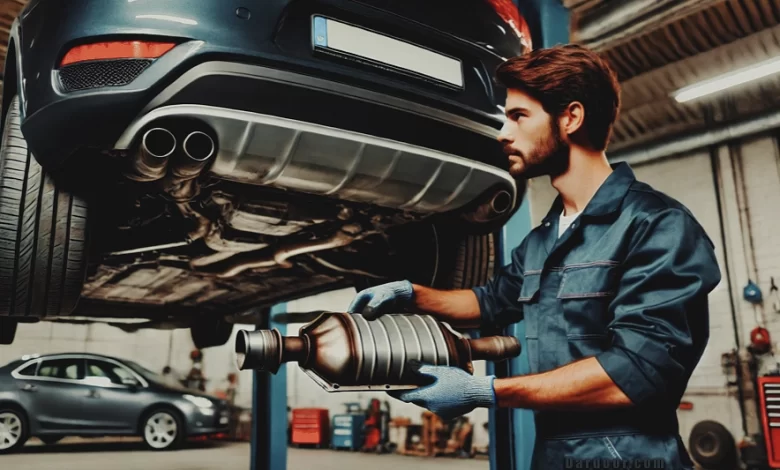
Modern vehicles are complex machines built with numerous components that serve specific purposes—both for performance and environmental compliance. One such critical component is the catalytic converter, a device responsible for reducing harmful emissions from your car’s exhaust. When it starts to fail, it doesn’t just affect your vehicle’s performance—it can also lead to significant environmental harm and legal issues.
In this comprehensive guide, we’ll explore what a catalytic converter is, why it matters, how to know when it needs replacement, and everything involved in the replacement process. Whether you’re a car enthusiast or just want to avoid a failed emissions test, this article will help you understand the importance of timely catalytic converter replacement.
What is a Catalytic Converter?
A catalytic converter is an essential part of a vehicle’s exhaust system. Its main function is to convert toxic gases and pollutants—such as carbon monoxide (CO), nitrogen oxides (NOx), and hydrocarbons (HC)—into less harmful substances like carbon dioxide (CO₂), nitrogen (N₂), and water vapor before they are expelled into the atmosphere.
Catalytic converters have been mandatory in most vehicles since the 1970s as part of global efforts to reduce automotive emissions. They typically contain precious metals such as platinum, palladium, and rhodium, which act as catalysts during the chemical conversion process.
Signs Your Catalytic Converter Needs Replacement
A failing catalytic converter can affect your car’s performance and increase emissions. Here are some of the most common signs that your catalytic converter might need to be replaced:
1. Check Engine Light
One of the first indicators is the check engine light on your dashboard. This often means that the oxygen sensors are detecting improper exhaust gas levels due to catalytic converter inefficiency.
2. Poor Engine Performance
A clogged converter restricts exhaust flow, leading to symptoms like reduced acceleration, sluggish engine response, and poor fuel economy.
3. Rotten Egg Smell
A distinctive sulfuric or rotten egg smell from your exhaust can indicate a failing catalytic converter. This happens when hydrogen sulfide in the exhaust isn’t converted to odorless sulfur dioxide.
4. Rattling Noise
If the internal components of the converter break apart due to damage or wear, you may hear a rattling noise especially when starting the car or accelerating.
5. Failed Emissions Test
If your car fails an emissions or smog test, the catalytic converter could be the culprit, especially if your vehicle is otherwise well-maintained.
Causes of Catalytic Converter Failure
Understanding what causes catalytic converter failure can help you avoid future problems. Common causes include:
- Contaminated fuel or oil leaks, which can coat the internal components and reduce effectiveness.
- Overheating due to unburned fuel in the exhaust system.
- Physical damage from road debris or improper installation.
- Engine misfires, which allow raw fuel to enter the exhaust and overheat the converter.
How Long Do Catalytic Converters Last?
Most catalytic converters are designed to last around 10 years or 100,000 miles, whichever comes first. However, their lifespan can be shortened by poor engine maintenance, contaminated fuel, or physical damage.
Reading Catalytic Converter Labeling: What You Need to Know
If you’ve ever looked at a catalytic converter closely, you might have noticed a label or stamp with a mix of letters and numbers. This isn’t just random code—it contains crucial information about the converter’s certification, application, and compliance. Being able to read and understand this labeling is especially important when replacing your catalytic converter, particularly if you’re installing an aftermarket unit.
Why Labeling Matters
Catalytic converters are regulated by environmental agencies like the Environmental Protection Agency (EPA) in the U.S. or California Air Resources Board (CARB) in California. Labeling is used to:
- Ensure the converter is certified for use on your specific vehicle
- Verify compliance with emissions standards
- Assist in inspection or emissions testing
- Discourage the installation of counterfeit or uncertified converters
Using the wrong converter—or one without a proper label—can result in a failed emissions test, fines, or registration issues.
Typical Catalytic Converter Label Format
A catalytic converter label is usually etched, stamped, or printed on a metal tag or directly on the shell of the converter. Here’s what you might find:
- EPA or CARB Compliance Code: Tells you if the converter meets federal or California emissions standards. CARB labels often include “EO” (Executive Order) numbers.
- Part Number: Identifies the model of the converter for replacement purposes.
- Vehicle Application Code: Indicates which vehicle engine families the converter is approved for.
- Date of Manufacture: Helps verify compliance in emissions-restricted states.
- Manufacturer Name or ID: Indicates the registered manufacturer.
- Direction Arrow: Shows exhaust flow direction, if applicable.
Federal vs. CARB Labeling
- EPA-certified converters are acceptable in most U.S. states.
- CARB-certified converters are required in California, New York, and other CARB states. These must display the EO number and match the vehicle’s engine family.
Matching to Your Vehicle
- Locate your car’s emissions label under the hood.
- Identify the engine family or test group number.
- Check that the converter’s label includes that engine family.
- Make sure the part number matches the vehicle’s configuration.
If these don’t align, the converter may not be legal or effective on your vehicle.
What If There’s No Label?
Do not install it. A converter without a label could be counterfeit or uncertified, leading to failed inspections, fines, or further replacement.
Catalytic Converter Replacement: Step-by-Step Guide
Tools and Materials Needed
- Jack and jack stands or a car lift
- Socket wrench set
- Penetrating oil (e.g., WD-40)
- Replacement catalytic converter
- Safety glasses and gloves
- Oxygen sensor socket (if applicable)
⚠️ Note: If you are not comfortable working on exhaust systems or dealing with emissions-related components, it is highly recommended to seek professional help.
Step 1: Safety First
Ensure the vehicle is parked on a level surface. Allow the exhaust system to cool completely before beginning the replacement. Disconnect the battery to avoid any electrical mishaps.
Step 2: Locate the Catalytic Converter
The catalytic converter is typically located between the engine and the muffler in the exhaust system. Depending on your vehicle, it may be bolted or welded in place.
Step 3: Remove the Old Converter
Spray penetrating oil on the bolts to loosen any rust or corrosion. Carefully remove the oxygen sensors using the special socket. Unbolt or cut the old converter out of the system.
Step 4: Install the New Converter
Position the new catalytic converter and bolt it in place. Reinstall the oxygen sensors. Ensure all fittings are tight and secure to avoid exhaust leaks.
Step 5: Reconnect and Test
Reconnect the vehicle’s battery. Start the engine and listen for any unusual noises. Take the vehicle for a short drive and monitor the engine performance and check engine light.
OEM vs Aftermarket Catalytic Converters
There are two main options when replacing a catalytic converter:
1. OEM (Original Equipment Manufacturer)
- Pros: Direct fit, high quality, reliable performance
- Cons: Expensive
2. Aftermarket
- Pros: More affordable
- Cons: May not fit perfectly, may not meet local emissions standards
⚠️ Always ensure that any aftermarket converter you buy is EPA or CARB-compliant, especially if you live in a state with strict emissions regulations like California.
How Much Does Catalytic Converter Replacement Cost?
The cost of replacing a catalytic converter can vary widely based on the make and model of your car, labor costs, and whether you choose an OEM or aftermarket part.
Average Cost Breakdown:
- Aftermarket part: $100–$600
- OEM part: $500–$2,500 (some luxury or hybrid vehicles can be higher)
- Labor costs: $100–$300
So overall, a full replacement may cost anywhere from $300 to over $2,500.
Legal and Environmental Implications
Driving with a faulty catalytic converter isn’t just bad for your car—it’s illegal in many places. Most jurisdictions require emissions compliance for vehicle registration, and you may be fined or fail inspection if your converter isn’t working properly.
Moreover, continuing to drive with a malfunctioning catalytic converter contributes to air pollution and increases the amount of greenhouse gases released into the atmosphere.
How to Prevent Premature Converter Failure
While catalytic converters are generally durable, you can extend their lifespan by taking the following precautions:
1. Keep Your Engine Tuned
A poorly tuned engine can cause unburned fuel to enter the exhaust system, leading to overheating and damage.
2. Use the Right Fuel
Avoid using low-quality or contaminated fuel. Also, ensure your car doesn’t burn oil excessively.
3. Fix Check Engine Lights Promptly
Don’t ignore the check engine light, especially if it indicates a problem with the oxygen sensors or engine misfires.
4. Drive Smart
Avoid excessive idling, hard acceleration, or driving through deep water that can cause thermal shock to the converter.
Catalytic Converter Theft: A Growing Concern
Catalytic converters contain precious metals, making them a target for theft. Thieves can remove them in minutes using basic tools. If yours gets stolen, your car will make a loud, roaring noise when started, and emissions will be unfiltered.
Prevention Tips:
- Park in well-lit areas or secure garages
- Install a catalytic converter anti-theft device or protective shield
- Etch your VIN onto the converter for identification
- Consider a car alarm with tilt sensors
Conclusion
The catalytic converter is a vital component of your vehicle’s emissions system. While it often lasts a long time, it can fail due to damage, contamination, or lack of maintenance. Recognizing the signs early and replacing the converter when needed not only ensures optimal vehicle performance but also helps you remain compliant with emissions laws.
Whether you choose to DIY the replacement or seek professional assistance, being informed about the process and potential costs can save you time, money, and headaches down the road.
And don’t forget—always check the converter’s labeling to make sure it’s the correct fit for your vehicle and compliant with your state’s emissions laws. A properly labeled converter is not only key to passing inspections but also to keeping your vehicle running clean and legally on the road.
Remember, a well-functioning catalytic converter is not just good for your car—it’s good for the planet.